
How Malaysian Coffee Chains Like ZUS And Gigi Are Winning In Kuala Lumpur And Penang: Local Flavors, Digital Innovation, And The Battle Against Starbucks
How Malaysian Coffee Chains Are Beating Global Giants: The Hyperlocal Flavor Revolution
Malaysia’s coffee scene is experiencing a tectonic shift. Once dominated by imported tastes and global heavyweights like Starbucks, the market’s pulse now beats to a distinctly local rhythm. In a sector valued at RM2.5 billion in 2025, with projected 12% CAGR through 2030, homegrown brands are not only surviving the influx of international competition—they are outpacing it by turning to their roots.
It’s a story of bold menu innovation, digital disruption, and the rediscovery of Malaysia’s own rich culinary DNA. This exposé dives into the hard data, the strategies, and the stories that explain how local chains, led by ZUS Coffee and their peers, are seizing market share and defining Southeast Asian café culture for a new generation.
The Competitive Landscape: Market Disruption Through Localization and Digitalization
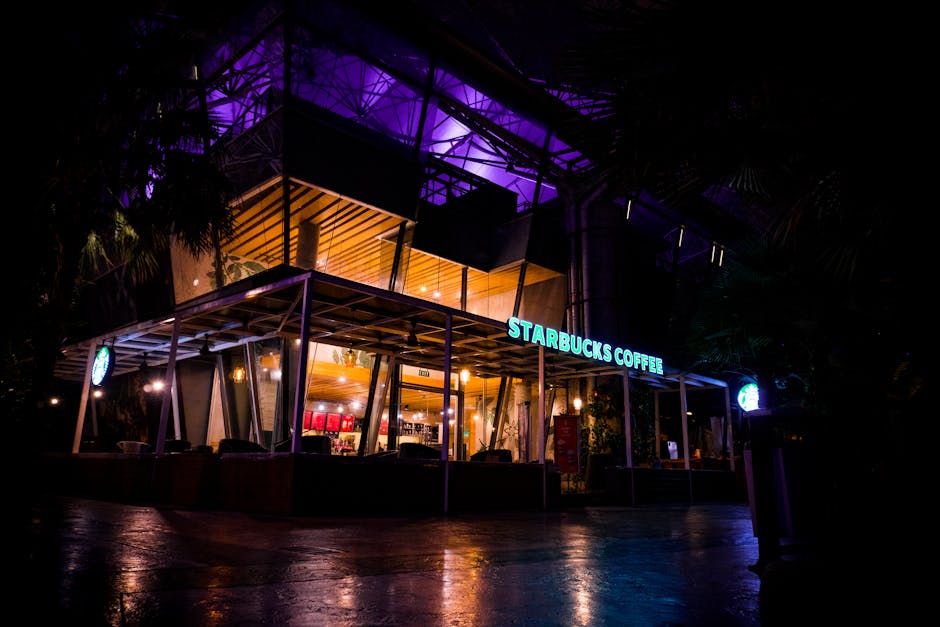
Historic Global Dominance Challenged: Until recently, Starbucks defined the premium urban experience in Malaysia with its globally recognizable menu and pricing power. With over 300 stores, the chain still commands a formidable presence, particularly in city centers where brand halo and familiarity reign. However, the tide is turning as local newcomers rewrite the playbook.
The New Leaders: ZUS Coffee now leads with 743 stores (and 107 more planned), having overtaken Starbucks not just in scale, but in relevance. ZUS’s “accessible specialty” model, with drinks 20% cheaper than Starbucks (RM8-9 versus RM11+), makes specialty coffee an everyday ritual rather than an occasional luxury. Peers like Gigi Coffee and Oriental Kopi are also gaining traction by targeting niche demographics and leveraging nostalgia.
Digital Adoption Accelerates Change: Where global giants still rely heavily on walk-in purchases, ZUS channels 70% of its orders through its app, against Starbucks’ 50% digital sales share. These numbers matter. The integration of digital ordering not only increases convenience but also enables precision localization—dynamic menu tweaks, A/B testing, and personalized marketing that quickly convert trials into loyalties.
Suburban and Micro-Market Penetration: While urban centers account for 60% of the current market, the next wave of growth lies in the suburbs and “micro-catchments”—fragments overlooked by conventional chains. Here, local players hold a 30% growth opportunity, and hyperlocal menus drive 25% higher first-time trial rates (DPI Media).
Hyperlocal Flavor: Malaysia’s Secret Weapon
ZUS Coffee’s Playbook—Everyday, Everywhere, for Everyone: The ZUS Coffee story is one of relentless innovation rooted in Malaysian taste preferences. Their palm sugar series, especially the Tongkat Ali Palm Sugar Latte, exemplifies how cultural ingredients—gula melaka, energy-boosting herbs—have become not just novelties but 40% of ZUS’s core menu in Malaysia.
Localization as a Margin Driver: This is not mere “flavor of the month” strategy. Internal data shows palm sugar variants boost perceived value and energy by 18%, with 25% of upsells tied to this range. By using local ingredients (palm sugar at RM2/kg versus imported syrups at RM10), ZUS slashes input costs and maintains profit margins of 25%, outperforming Starbucks’ 18% across Southeast Asia (RetailNews Asia).
Digital Customization at Scale: ZUS leverages app-based A/B testing, such as adjusting spice intensity for Penang or piloting seasonal fruit flavors in Johor, to capture hyperlocal preferences. The result: a 15% lift in conversion and above-market repeat rates. Their model for the Philippines (ube coffee) and plans for Indonesia (gula aren espresso) prove the strategy’s exportability.
Case in Numbers:
- ZUS: 70% digital sales, 743 outlets, 25%+ store margins
- Starbucks: 300 outlets, 50% digital sales, 18% margins
- Market share shift: Malaysian chains target 10–15% SEA market share (Statista 2025)
The Rise of Challenger Brands: Innovation Beyond Price
Gigi Coffee—Gen Z Culture with Malaysian Flare: Gigi Coffee, now the #4 chain, distills its brand for the 18-24 demographic. Its Cendol Coffee (pandan, coconut milk, espresso) not only rides Instagram trends but constitutes 30% of sales uplift, making traditional flavors cool again. With over 100 outlets, RM6-8 pricing, and vibrant in-store experiences, Gigi has captured 15% of the Gen Z share—a feat even global chains struggle to match.
Oriental Kopi—Reimagining Kopitiam Nostalgia: Oriental Kopi’s modern take on the kopitiam brings together older generations and younger professionals. Their hand-brewed Tenom Robusta (“Kopi Kampung Modern”) revives flavors from Sabah and Sarawak, supporting local farmers and solidifying a loyal base among customers over 35.
Emerging Challengers—Chagee and Kenangan: New entrants like Indonesia’s Kenangan and China’s Chagee are not to be underestimated. Kenangan’s palm sugar latte and Chagee’s herb-infused tea-coffee blends have catalyzed trial, especially among younger urbanites who seek novelty but still value local or regional authenticity.
Halal Certification as a Growth Lever: With 65% of Malaysian consumers seeking functional (health/energy-boosting) drinks, and halal certification influencing up to 15% incremental sales in Muslim-majority locales (SCMP), chains are embedding these signals deep into their menus and marketing.
Menu Innovation: Where Taste Meets Tactics
Palm Sugar—The Hyperlocal Hero: Menu hybrids like the Gula Melaka Mocha (palm sugar, dark chocolate, espresso) are high-impact, low-cost, and uniquely Malaysian. ZUS’s experience suggests such drinks account for an 18% sales increase, while their ube coffee adaptation in the Philippines yielded a 22% trial boost.
Herbal Infusions—Blurring Coffee and Wellness: Tongkat Ali Cold Brew is more than a novelty; for the 65% of consumers seeking functional benefits, drinks infused with “Malaysian ginseng” are commanding 18% repeat order rates and improved margins (+12%).
Fruit-Forward and Seasonal Offerings: Durian Affogato, piloted in Johor (the heart of Malaysia’s durian trade), delivers on the promise of elevating coffee with local produce, outperforming the generic berry or citrus options typically found at global chains.
Kopitiam Classics, Reimagined: Oriental Kopi’s Nanyang Latte with Kaya Foam (priced at RM6) positions the brand in the sweet spot between authenticity and affordability. These drinks capture the “mass market” left untouched by Starbucks’s more uniform, internationalist offerings.
Sabah and Sarawak—The Next Frontier: The use of Tenom Robusta beans underscores a commitment to regional inclusivity and supply chain resilience. Chains like Oriental Kopi are creating generational loyalty by celebrating Malaysia’s own coffee heritage.
Digitally-Enabled Testing and Scaling: By geo-fencing digital offers and tracking flavor performance, brands can iterate quickly, localize up to 50% of their menus, and maintain engagement through dynamic rewards and launches—all while keeping costs down through local sourcing and cooperative partnerships.
A Comparative Perspective: Local Versus Global Strategies
Starbucks and the Global Template: Starbucks’s approach in Malaysia mirrors its global model—urban-centric stores, premium pricing (RM11-15), and a largely standardized menu. While this appeals to established urban consumers and expats, it inherently limits reach among Malaysians seeking both daily affordability and taste familiarity.
Malaysian Chains’ Counterplay: ZUS, Gigi, and Oriental Kopi have proven that localization is more than an add-on—it’s a necessity and a growth accelerator. Digital-first frameworks allow them to personalize at scale, and local sourcing enhances both economic viability and cultural resonance.
Unit Economics and Market Penetration: ZUS’s break-even period (3 months/store) and 25% margins outpace global averages. Their ability to roll out compact stores (500sqft kiosks) at low rents enables aggressive clustering and micro-targeting—an approach less feasible for heavier global formats.
Exporting the Playbook: ZUS’s Philippine expansion (ube coffee) and planned entry into Indonesia (gula aren) demonstrate that “local flavors” hold cross-border appeal when thoughtfully adapted.
Real-World Implications: What This Means for Stakeholders
For Investors: The economics are compelling. With a projected 20% revenue CAGR and up to RM1B in new value from 500 new stores (by 2028), local chains offer robust, scalable models less dependent on global supply chains and volatility. Those investing in “flavor R&D,” local partnerships, and digital infrastructure will achieve superior returns.
For Operators and Franchisees: The imperative is clear: listening to local palates and iterating fast. Franchisees benefit from shorter break-evens and more resilient sourcing strategies, with digital dashboards tracking trial and loyalty in real-time.
For Consumers: The consumer wins through greater choice, value, and cultural pride. As menus become more reflective of Malaysian identity, coffee becomes an accessible daily pleasure rather than a foreign luxury.
For the Broader Economy: Emphasizing local ingredients (like Tenom Robusta, gula melaka, ube) strengthens domestic agriculture, provides income stability for rural producers, and fosters a sense of national brand identity—critical as Malaysia seeks to export more value-added food and beverage concepts regionally.
Forward-Looking Insights: Risks, Opportunities, and Next Steps
Risks: Market saturation and supply volatility remain the top threats. Chains can mitigate these by deploying “micro-catchment” strategies (densifying urban and suburban stores) and cementing local supply partnerships to lock in 20% cost savings.
Copycat Threats: As hyperlocal hybrids prove their worth, competitors will inevitably follow suit. Protecting flavor innovation through patenting and digital engagement “moats” is essential.
Regional Expansion: The real test will be scaling localization in markets like the Philippines and Indonesia, where ZUS’s early success with ube and gula aren proves the model but also demands continual adaptation to changing consumer tastes and competitive responses.
“Malaysian chains win by owning the ‘daily ritual’ via flavors—ZUS proves 5x scale in 5 years. Act now: Market share shifts 10% annually.” (Euromonitor, 2026)
Conclusion: The Future Is Hyperlocal—Act Now or Miss the Next Wave
The evidence is now overwhelming: local flavor innovation, powered by digital enablement, is the cornerstone of Malaysia’s coffee renaissance. Chains that lean into this trend—not just as a marketing angle but as fundamental strategy—are rewriting not just the coffee menu, but the rules of competition for all of food service in Southeast Asia.
The global brands that once seemed invincible are being outflanked by agile, locally connected players who understand that what’s in the cup is as important as how it is bought. The next five years will see deeper menu diversification, stronger digital ecosystems, and bold regional expansion. Chains that localize at least 40-60% of their menu, invest in digital-first customer journeys, and cultivate supply chain partnerships will hold a significant edge.
The strategic imperative for industry leaders is clear: prioritize local R&D, deploy digital as a test-and-scale engine, and turn Malaysia’s culinary diversity into a competitive moat. With market share shifting as quickly as 10% per year, indecision is the only true risk. Malaysia’s coffee identity is being written now—by those who embrace innovation and authenticity in equal measure.
To stay at the forefront, business leaders and investors must act, not just observe. The hyperlocal flavor revolution is no passing trend—it is the defining force of Southeast Asia’s F&B future.