
How Malaysian Coffee Culture Is Shaping Climate-Resilient Skincare Routines Across Kuala Lumpur, Singapore, Jakarta, Bangkok, Manila, And Ho Chi Minh City
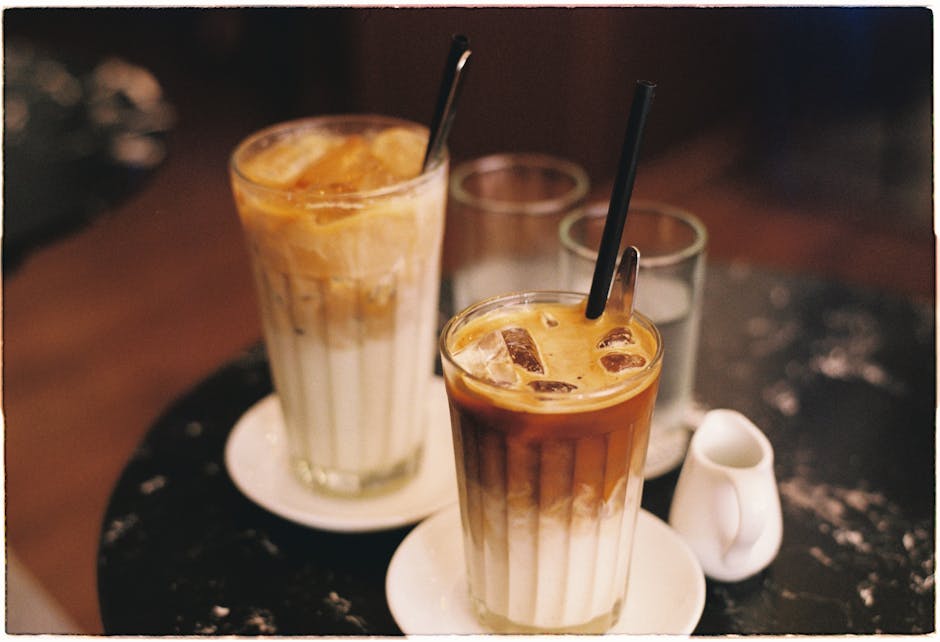
From Kopitiam to Skincare Counter: How Malaysian Coffee Culture Is Shaping the Future of Humidity-Resilient Beauty Across Southeast Asia
Beneath the steamy haze of Kuala Lumpur mornings and the neon bustle of Jakarta’s nightscape, a quiet revolution is stirring in two of Southeast Asia’s most beloved rituals—coffee and skincare. At first glance, a kopi o kosong and a dab of gel moisturizer share little beyond their morning-hour timing. But look closer: the adaptive, on-the-go habits honed by Malaysia’s vibrant coffee culture are rewriting the playbook for skincare brands seeking relevance in one of the world’s hottest, most humid regions. As climate-specific consumer needs leap to the center of category strategy, the intersection of beverage ritual and beauty routine is birthing a new market logic—one rooted in portability, modularity, and hyper-local climate adaptation.
The Market Awakens: Climate as a Catalyst for Consumer Innovation
Malaysia’s All-Day Humidity: For decades, beauty marketers defaulted to “universal” routines, aspiring to Parisian sophistication or Korean glass skin. Yet, in cities from Petaling Jaya to Manila, the rhythm of daily life is set by relentless heat and tropical humidity—a climate that “means high humidity and strong sun exposure every day,” not just in July, but 365 days a year (dcsbeauty).
Emergence of a Pattern: The challenge is not merely discomfort, but physiology: “our skin’s sweat glands become more active, producing both sweat and oil,” and the wrong products—occlusive creams or occlusive makeup—trap sweat, oil, and dirt, leading to breakouts, clogged pores, and loss of skin barrier integrity.
Rise of Localized Skincare: Against this, a new logic is emerging: the best products aren’t heavier, richer, or more complex—they are “lightweight, breathable, climate-adaptive,” engineered for reapplication and routine rather than single-use heroics (msartisan).
Coffee Culture as Operating System: Lessons in Adaptation and Repeatability
Behavioral Blueprint: Malaysians—and their neighbors in Singapore, Indonesia, Thailand, the Philippines, and Vietnam—don’t just drink coffee. They organize their lifestyle around it: morning pickup, midday reset, evening wind-down. Coffee chains like ZUS Coffee thrive by anchoring themselves to these micro-moments, delivering “fast, predictable, easy-to-repeat, locally appropriate” experiences resilient to time, climate, and commute.
Translating Rituals to Routines: Skincare’s greatest leap forward in ASEAN is the realization that these same behaviors—habit, routine, modularity—map directly to daily beauty care. The new gold standard isn’t a prestige serum. It’s a ritual: quick, reliable cleansing and sunscreen in the morning; a midday, on-the-go hydration or oil-blotting step; an evening barrier recovery with a calming, non-cloying formula. In every instance, products are designed to be portable, climate-adapted, and reassuringly repeatable.
Business Model Synergy: The real connection is structural: both categories succeed not through one-off “hero product” launches, but by embedding themselves into high-frequency, low-friction, locally relevant daily life.
Emerging Routines: Tactical Shifts in Product and Messaging Design
Texture Over Trend: In humid ASEAN markets, “lightweight” is no longer a buzzword—it’s an imperative. Across sources, the products that win are gel-based, water-based, fast-absorbing, non-comedogenic, and oil-balancing. They disappear into the skin, supporting rather than suffocating. “Heavy creams can trap sweat, oil, and dirt,” warns dcsbeauty, echoing a regional consensus.
Climate-Specific Messaging: The strongest brands are abandoning global generalities for hyper-local truth: “built for Malaysia’s hot and humid weather” now outperforms “inspired by dermatology.” Products like those from Dua, engineered for “barrier health and radiance without clogging pores” (OpenPR), showcase how climate-centric positioning is a market unlock.
Routine, Not One-Offs: Skincare is shifting to “routine commerce”—selling daily habits, not just ingredients. Bundled sets, modular add-ons, and travel SKUs are increasingly common, mirroring coffee’s move from single cups to habitual orders and customizable menus.
Comparative Perspectives: Global Templates Versus Climate-Adapted Realities
Imported Standards Don’t Fit: What works in Paris or Seoul—a richly occlusive night cream, a multi-hour sunscreen—can backfire in Singapore or Kuala Lumpur. Excess moisture and oil, trapped beneath a heavy layer, trigger everything from acne to dullness.
ASEAN’s Distinctive Need: Southeast Asian consumers, facing commutes between “extreme humidity” outside and “extreme dryness” inside (thanks to relentless air conditioning), require “textures that feel invisible,” and products that perform across indoor-outdoor shifts (La Maison du Savon).
Localized Brands Lead: Malaysian, Singaporean, and Indonesian brands that bake climate adaptation into their DNA—through “humidity-proof” claims, fast-absorbing hydration, and formats supporting reapplication—win loyalty and drive repeat purchases at a rate global conglomerates struggle to match.
Case Study in Adaptation: ZUS Coffee and the Skincare Playbook
Routine Frequency: Like coffee, skincare in humid markets is a daily (often multi-daily) necessity. The winning products are designed for habitual, not aspirational, use—mirroring coffee’s path to everyday indispensability.
Format Flexibility: Just as ZUS toggles between hot, iced, takeaway, and delivery, top skincare players offer AM, midday, and PM solutions—each with tactical benefits mapped to consumer rhythm.
Local Relevance: ZUS localizes pricing and menu; successful skincare brands localize texture, finish, packaging, and even user education campaigns.
Low-Friction Decision-Making: Coffee purchases are “grab-and-go.” Skincare products—especially in masstige and mass channels—must be simple to understand, easy to replenish, and frictionless to adopt.
Lifestyle Identity: ZUS sells more than caffeine; it sells belonging. Skincare brands following suit position themselves as “climate confidence” providers—not just suppliers of hydration or SPF.
Country Snapshots: Tactical Recommendations and Market Nuances
Malaysia: The Reference Market
Messaging should revolve around “daily humidity defense” and “breathable hydration.” Educate on the downside of heavy creams and celebrate routines that match Malaysia’s “high humidity and strong sun exposure every day.”
Singapore: Premium, Office-Friendly Positioning
Prioritize elegant, compact packaging and textures that remain non-greasy under air conditioning. Highlight “office-friendly” wear and polished finish, appealing to premium-sensitive urbanites.
Indonesia: Mass Market Scale
Lead with affordability, oil-control, and acne-prevention. Anchor the brand around “climate-adaptive routines” with essentials like cleanser, gel moisturizer, and portable sunscreen.
Thailand: Texture-First Storytelling
Emphasize “fresh, breathable, non-sticky” everyday performance. Equip high-repeat users with day-to-night routine bundles.
Philippines: Sun and Sweat Resistance
Innovate around sweat-resistant SPF, practical touch-up products, and robust, commuter-friendly formats to match urban realities.
Vietnam: Aspirational, Lightweight Solutions
Focus on lightweight brightening, barrier support, and all-day comfort, positioned for major urban markets and aspirational beauty consumers.
Innovative Practices: Rethinking Product Architecture
Modular Routines: Just as coffee chains win with customization, skincare should offer modular bundles—AM, midday, and PM sets—letting consumers customize based on humidity, skin type, and lifestyle.
Reapplication-Friendly SKUs: Recognizing that “lightweight formulas often require reapplying throughout the day” (dcsbeauty), brands are delivering mists, sticks, sachets, and travel-size tubes.
Education as Differentiator: The “Extreme Humidity / Extreme Dryness” cycle—hot outdoors, desiccating air-con indoors—should be a key narrative in product education, helping consumers see the need for adaptive, on-the-go solutions (La Maison du Savon).
Strategic Metrics: What to Measure, and Why It Matters
Repeat Purchase Rate: How often do consumers repurchase key SKUs or replenish ritual bundles?
Texture Preference: Are gel-based and water-based formats outperforming creams in humid regions?
Routine Attachment: What percentage of baskets include “routine sets” rather than solo products?
Reapplication Compliance: Are daytime touch-up SKUs driving engagement and education?
Conversion Uplift with Climate-Centric Messaging: Do “humidity-proof” claims lead to higher conversion than global claims such as “brightening” or “anti-aging”?
Contrasting Old and New: Why Climate-First Beats Ingredient-First
The Old Playbook: Multi-step “10-step K-beauty” routines, ingredient arms races, and thick overnight products focused on universal “skin types,” not environmental context.
The New Reality: ASEAN consumers demand proof that products will not only “work,” but “work here”—amid high sweat, shifting temperature, and daily urban commutes. The narrative is not anti-ingredient, but pro-context: “humidity-proof,” “barrier-supporting,” and “reapplication-friendly” matter as much as niacinamide percentage.
Forward-Looking Principle: Ritual Is Strategy
The future of beauty in Southeast Asia will not belong to the brand with the most exotic botanicals or the longest ingredient list. It will belong to those who embed themselves in the rhythm of real, local life—delivering climate-adapted routines as habitual, portable, and reassuringly repeatable as the morning coffee run.
Action Points: Building the Next Generation of Southeast Asian Skincare
Design by Climate, Not Just Skin Type: Frame your products unapologetically for “hot, humid weather”—making context the centerpiece.
Lean Into Coffee Ritual Language: “Morning reset,” “Midday refresh,” and “Commute-proof hydration” give routines easy-to-follow entry points.
Innovate in Formulation and Format: Prioritize invisible-feeling textures and develop SKUs (mists, sticks, sachets) that support on-the-go reapplication.
Educate on Urban Environmental Stress: Position routines as the best defense against the daily cycle of “humidity outside, dryness inside.”
Bundle Like a Barista: Offer multi-tiered routines—basic, plus, and premium—mirroring the customization and accessibility of a coffee menu.
Conclusion: The Strategic Imperative—Routine Commerce in the Age of Climate Adaptation
The convergence of Malaysian coffee culture and adaptive skincare routines marks more than a marketing trend; it signals a profound structural shift in how beauty categories build, scale, and sustain relevance in Southeast Asia. Brands that borrow from coffee’s mastery of habit, accessibility, and daily ritual—not merely its branding aesthetic—will find themselves at the helm of a “routine-economy” transformation. In this playbook, victory belongs to those who do not overburden consumers with complicated choices or heavy formulas, but instead prioritize simplicity, climate-resilience, and daily joy.
As humidity and heat continue to define the urban rhythm from Kuala Lumpur to Ho Chi Minh City, the skincare winners of the next decade will not chase global universality, but embrace the particularities of place, season, and local routine. To lead in the ASEAN beauty boom is to think like a barista and innovate like an urban commuter—crafting products as omnipresent, indispensable, and beloved as the morning brew.
The future—lightweight, modular, adapted, and habitual—will be worn on the skin, as surely as it is sipped from a paper cup. Smart brands won’t just ride the wave: they’ll brew it, one humidity-proof routine at a time.