
How Malaysian Coffee Retailers Can Drive Explosive Growth In Klang Valley & Penang: E-Commerce Strategies, Critical Data & Direct Marketplace Links For 2025-2030
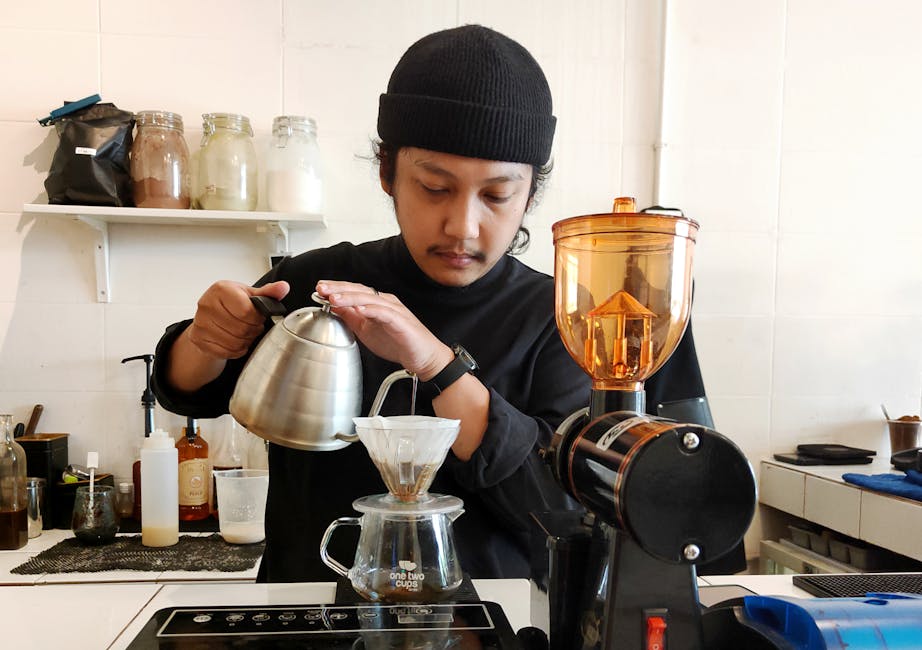
Malaysia’s Coffee Revolution: How E-Commerce Will Define Retail Success 2025-2030
The aroma of freshly brewed coffee in Malaysia is more than a sensory delight—it is a signal of profound change sweeping the nation’s retail landscape. Once dominated by kopitiams and bustling cafés, Malaysia’s coffee culture is now undergoing a digital renaissance, fueled by shifting consumer habits, urbanization, and the explosive growth of e-commerce platforms. As forecasts predict consumption soaring from 13.7 million kg in 2025 to 18.2 million kg by 2030, coffee retailers face not just unprecedented opportunity, but also the urgent mandate to reinvent traditional models. This exposé-style analysis explores how Malaysian coffee businesses can leverage digital platforms, AI-powered personalization, and new loyalty ecosystems to capture the future while navigating risks and differentiators that will define competitiveness in the years ahead.
The Digital Surge: How E-Commerce and Urban Youth Are Shaping Malaysia’s Coffee Market
Historic Growth and Modern Drivers: Coffee has long been woven into Malaysian daily life, from white coffee in Ipoh to cosmopolitan chains in Penang and the Klang Valley. But in 2025, a unique inflection point emerges: retail sales climb despite global bean price volatility, propelled by per-capita consumption nearing 110 cups per year and predicted to pass 140 by 2030 (GrowthHQ). Millennials and Gen Z—digital natives comprising 70% of coffee segment growth—are reshaping expectations, seeking app-exclusive offers, seamless subscriptions, and personalized bundles.
E-Commerce Acceleration: Malaysia’s e-commerce market, already vibrant, is projected to grow at a staggering 9.4% rate from $37.8 billion in 2026 to $51.5 billion by 2030 (Retail Asia). Online coffee sales, particularly Ready-To-Drink (RTD), lead this charge. Hypermarkets and supermarkets maintain dominance, but online channels—Shopee, Lazada, TikTok Shop—now serve as cultural conduits linking café moments to household staples.
Regional Dynamics: Urban hubs in Peninsular Malaysia (notably Klang Valley and Penang) concentrate 80% of café-to-home purchases, exploiting high internet penetration and geo-fenced ecosystem sales. While Sabah and Sarawak lag in internet access, their specialty Liberica beans and RTD adoption signal growth, especially as digital infrastructure matures (17Gram Beans).
Consumer Trends: Loyalty, Personalization, and the Home Brewing Renaissance
Shifting Consumption Patterns: Modern Malaysian consumers no longer restrict coffee drinking to cafés and offices. Over 80% of urban visitors now buy home brewing products—pods, beans, RTD packs—via app-linked offers after café visits, blurring lines between retail and digital engagement.
Digital Loyalty Ecosystems: Brands like ZUS Coffee have embraced hybrid loyalty models, granting points redeemable both in cafés and online, yielding up to 15% non-café revenue uplift. Luckin Coffee’s geo-fenced impulse buying framework accelerates YoY revenue growth by 41.5%, especially in dense urban zones (GrowthHQ).
AI-Driven Personalization: Sophisticated AI algorithms track consumer behaviors, automate reorder predictions, and gamify sustainability initiatives. Retailers who deploy these tools save 10-15% on logistical costs and boost subscription retention rates, as seen in Shopee Seller Center’s personalization suite.
RTD and Functional Coffee Boom: The RTD segment—canned lattes, sparkling coffee, and functional blends—is projected to outpace other formats, with a USD 12 million base and high e-store penetration (Ken Research). Bundled sales featuring 15-25% discounts drive volume, especially among Gen Z shoppers favoring TikTok Shop's viral product launches.
Sustainability and Ethical Sourcing: As global bean shortages and price hikes threaten margins, leading retailers gain a competitive edge by emphasizing ethical sourcing, local partnerships, and waste reduction initiatives tied to digital loyalty rewards.
Retailer Playbook: Seven Steps to Digital Dominance (2025-2030)
Step 1: Audit & Platform Selection
Coffee retailers must prioritize high-traffic marketplaces for initial digital presence. Shopee—hosting over 300 million Malaysian visits annually—remains the top channel for RTD and white coffee sales, with Lazada offering premium subscription features via LazMall. Direct registration on platforms such as Shopee, Lazada, and TikTok Shop is imperative.
Step 2: Hybrid Loyalty Ecosystem
Retailers are encouraged to emulate the ZUS Coffee model, integrating café points with app-based rewards redeemable online. API linkage with grocers like Jaya Grocer expands cross-channel engagement.
Step 3: AI-Powered Personalization
Leveraging tools such as Shopee Seller Center AI, retailers can predict reorders, segment offers by region, and maximize geo-fenced sales. Data-driven personalization correlates to 41.5% YoY growth.
Step 4: RTD & White Coffee Focus
RTD formats and white coffee are category growth leaders. E-commerce exclusive bundles (25% off via Lazada) help capture price-sensitive and convenience-oriented buyers.
Step 5: E-Grocery Partnerships
API integration with supermarkets such as AEON allows for embedded loyalty programs, deepening household penetration.
Step 6: BNPL & Flash Sales
Buy-Now-Pay-Later (BNPL) tools, including Atome and PayLater on Shopee, match the rising demand for flexible payments among Malaysia’s 7.5 million BNPL users.
Step 7: Analytics & Scale
Continuous tracking via Google Analytics ensures targeted growth, with recommended objectives of 30% online revenue by 2027 and 40%+ by 2030.
Case Studies: Digital Transformation in Action
ZUS Coffee: Loyalty Meets Household Penetration
ZUS Coffee exemplifies the power of hybrid loyalty systems. Their app, modeled for seamless point redemption and AI-powered personalization, has expanded household penetration while achieving a 15% uplift in non-café sales. Integration with e-grocery APIs has broadened their market reach.
Luckin Coffee: Geo-Fencing and Revenue Growth
Adapted for Malaysia, Luckin’s geo-fenced impulse buying framework has increased sales by 41.5% YoY. Their tactic of linking digital offers to physical location drives impulse purchases and builds regional loyalty.
17Gram Beans: Specialty Forecast Leadership
Boutique retailer 17Gram Beans is at the forefront of specialty coffee forecasting, capitalizing on the RTD surge and local bean exports, especially from Sabah and Sarawak.
Comparative Analysis: Malaysia vs. Regional Peers
Per-Capita Consumption and Localization Edge:
Malaysia boasts higher per-capita coffee consumption than Singapore, underscoring a robust domestic market that values localization in both product and digital engagement (GrowthHQ). Where Singapore’s coffee retail ecosystem often leans on imports, Malaysia successfully champions its own formats—especially white coffee and Liberica varieties.
Digital Integration:
While regional peers experiment with digital loyalty and e-commerce, Malaysia’s high internet penetration, SME onboarding, and rapid BNPL adoption set it apart. The nation’s ability to scale hybrid loyalty solutions and AI-driven personalization offers a blueprint for others.
Risks—Volatility and Competition:
Global bean price volatility presents universal challenges, but Malaysia’s local sourcing and differentiation through nostalgia-driven white coffee and RTD innovations mitigate risk and fortify market resilience.
Risks and Mitigation: Navigating Unpredictable Terrain
Price Volatility: Climatic impact and shortages elevate bean prices, risking margin compression. Retailers who localize sourcing and build supplier relationships insulate themselves from global shocks.
Competitive Intensity: As more brands enter the digital fray, those who differentiate via product innovation—white coffee blends, functional RTD, sustainability messaging—stand out.
SME Adoption Lag: Smaller retailers struggle with digital onboarding. Partnering with tools like EasyStore (aligned with NESR and Alliance Bank) facilitates fast, cost-effective entry and analytics integration.
By 2030, Malaysia’s coffee retailers will not only serve more than 140 cups per capita, but also link digitally savvy consumers to a $51.5 billion e-commerce market powered by data, sustainability, and real-time loyalty. Early digital adopters will capture 70% of youth spend and redefine retail experience for the next decade.
2025-2030 Outlook: Redefining Malaysia’s Coffee Ecosystem
Growth Trajectory and Real-World Implications:
Projections indicate that online coffee sales will ride the $51.5 billion e-commerce wave, with RTD and subscription bundles delivering the highest compound growth rates. Retailers who strategically implement the seven-step digital playbook—platform selection, hybrid loyalty, AI personalization, RTD focus, e-grocery partnerships, BNPL, and analytics—stand poised to achieve up to 41.5% YoY revenue growth, expand household penetration, and future-proof their operations.
Cross-Functional Value:
This transformation will not only benefit retailers, but also suppliers, grocers, logistics partners, and tech enablers. The value chain is set to become more efficient, sustainable, and responsive to consumer needs.
Societal Impact:
As digital ecosystems link coffee retailers to over 140-cup consumers, youth segments—comprising Millennials and Gen Z—will drive cultural, economic, and product innovation. Ethical sourcing and localized formats resonate deeply, ensuring Malaysian coffee’s legacy endures globally and domestically.
Strategic Action:
The time for retailers to act is now: registration on Shopee and Lazada, loyalty system integration, and analytics adoption today can project 20% growth within six months. Those who delay risk losing relevance as digital natives and urbanites accelerate their shift to app-driven buying and personalized experiences.
Conclusion: The Strategic Imperative for 2030
Malaysia’s coffee landscape is at a crossroads. The coming years will be defined by retailers’ ability to fuse tradition with innovation, leveraging digital platforms not as mere sales channels, but as engines of loyalty, personalization, and sustainable growth. The stakes are high—by 2030, with per-capita consumption at record levels and the nation riding a $51.5 billion e-commerce market, early adopters will dominate market share, inspire product trends, and set global benchmarks. Coffee retailers, suppliers, and ecosystem partners must recognize this moment for what it is: a once-in-a-generation chance to shape the future of Malaysian coffee, not just for profit, but for culture, community, and cross-functional value. The next decade belongs to those who embrace digital transformation, innovate with confidence, and connect authentically with the nation’s youth—ensuring that Malaysia’s coffee revolution is as enduring as it is exhilarating.