
How Malaysian Coffee Startups Are Using AI To Revolutionize Supply Chains, Boost Margins, And Win Global Markets
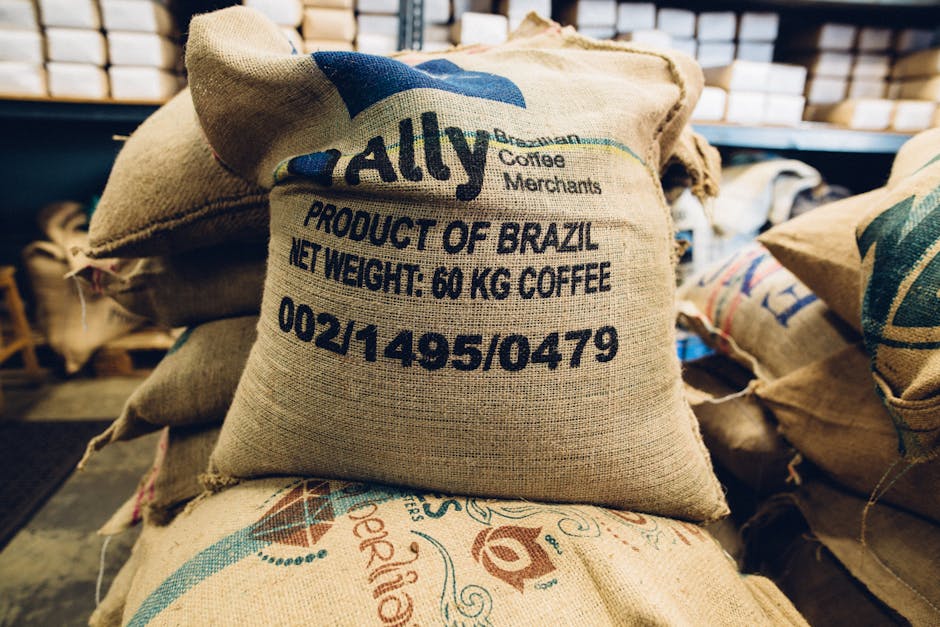
Brewing Tomorrow: How AI-Enabled Supply Chains Are Transforming Malaysia’s Coffee Revolution
Malaysia’s specialty coffee industry, once considered a niche market dominated by legacy chains and fragmented supply networks, has entered an era of rapid transformation. At the center of this shift are ambitious startups—tech-driven brands like ZUS Coffee and newly evolved incumbents such as Secret Recipe—that are leveraging artificial intelligence (AI) across sourcing, logistics, inventory, pricing, and expansion planning.
No longer is AI a futuristic or experimental concept; it now underpins the operational reality of hundreds of outlets, unlocks price premiums in export markets, and attracts multimillion-ringgit funding. As Malaysia’s coffee sector races to stake its claim in a global market forecast to expand by USD 50.8 billion between 2025 and 2029, understanding the interplay of data, technology, and strategy is critical—not just for tech founders, but for operators and investors seeking enduring advantage.
The Market Inflection: Why Malaysia’s Coffee Chains Are Betting on AI Now
Changing Consumer Preferences and Regional Expansion: The Malaysian specialty coffee shop market is set to grow by USD 50.8 billion over the next five years (GrowthHQ). Shifting tastes, urbanization, and an appetite for digital convenience are fueling explosive demand. Local startups are redefining the industry by shifting away from commodity-based sourcing toward direct trade and data-driven procurement.
AI as the Engine of Competitive Advantage: Leaders such as ZUS Coffee have built technology-driven models capable of supporting 550+ outlets and selling over 36 million cups digitally. Private equity investors have taken notice, channeling RM100–250 million into AI-native operating models that emphasize data visibility and orchestration over traditional brick-and-mortar scaling.
Export Premiums and ESG: With sophisticated traceability—enabled by cloud and AI systems—Malaysian brands now command 20–30% price premiums in developed export markets where ethical sourcing and environmental, social, and governance (ESG) credibility are mandatory. The implications are profound: AI is not just about efficiency, it’s about brand positioning on a global stage.
Redesigning the Supply Chain: From Commodities to Collaboration and Traceability
Farm-Level Visibility and Direct Trade: Historically, Malaysia’s coffee procurement relied on opaque commodity trading with negligible insight into farm practices or lot quality. AI-first startups have inverted this paradigm. Using predictive analytics, they forecast green bean demand months in advance, map out contracts tailored to outlet-level trends, and manage logistics with precision. Yield and quality prediction models flag at-risk lots early, helping roasters and café chains secure stable, high-quality supplies.
Digital Traceability and ESG Integration: Cloud-native platforms now maintain digital records from farm origin through logistics to outlet-level consumption. This end-to-end visibility is essential for export readiness, enabling compliance with international buyer requirements and supporting Malaysian startups in capturing higher margins abroad (Food&HotelAsia).
AI Across Procurement, Inventory, and Logistics: From Waste Reduction to Margin Expansion
Machine Learning Demand Forecasting: In place of manual spreadsheets and siloed systems, AI models ingest historical sales, seasonality, weather, local events, and time-of-day patterns to forecast SKU-level demand at every outlet. This sharpens inventory buffers while maintaining availability, directly boosting gross margins and freeing up working capital.
Automated Replenishment and Shelf-Life Optimization: Integration between POS, inventory, and supplier systems enables AI-driven reorder points, reducing both stock-outs and overstock. For perishable goods, order sizes and delivery schedules are dynamically adjusted to match expected shelf-life and peak demand cycles, slashing expiry-related waste.
Quantitative benefits are compelling: lower stock-out rates, higher availability of bestsellers, reduced shrinkage—especially for dairy and bakery—and tighter working capital through fewer days of inventory on hand.
Menu Science and Dynamic Pricing: Integrating Supply Chain with Customer Analytics
SKU Optimization and Targeted Promotions: In Malaysia’s coffee chains, the distinction between supply chain and menu management is blurry—and intentionally so. AI platforms analyze SKU performance by outlet and daypart, identify heroes and laggards, and inform menu changes with real-time data. Continuous A/B testing allows chains to experiment with new drinks, bundles, and pricing models, feeding demand signals directly into procurement logic.
Dynamic Inventory-Driven Promotions: Rather than accepting forecast errors as inevitable, leading players use AI to design and trigger promotions that drive demand for slow-moving or near-expiry SKUs. This converts potential waste into targeted sales initiatives, seamlessly linking supply chain efficiency with customer experience.
Traceability, ESG, and Export Readiness: Building a Borderless Brand
End-to-End Digital Documentation: AI-enabled traceability is transforming Malaysian coffee chains into globally credible suppliers. Brands can now document farm origin, certifications, lot-level data, and ESG metrics across the value chain.
Automated ESG Reporting: With compliance requirements ramping up in markets such as Singapore, Japan, the EU, and GCC, AI-driven cloud platforms automate emissions tracking, farm practices, and labor standards reporting. This reduces manual workload, secures access to premium buyers, and reinforces Malaysia’s coffee as a differentiated export product.
Malaysian brands leveraging these capabilities routinely achieve price premiums of 20–30% in advanced markets (GrowthHQ).
Case Studies: ZUS Coffee, Secret Recipe, and Challenger Entrants
ZUS Coffee: Scaling with AI-First Precision
Cloud-Native Architecture and Funding Success: ZUS Coffee exemplifies the modern AI-first supply chain, with cloud-integrated POS, loyalty, inventory, and analytics systems. This model supports rapid outlet expansion to over 550 locations and digital sales exceeding 36 million cups. Crucially, it has attracted about RM250 million in private equity funding, with growth unambiguously driven by data-enabled operations.
Predictive Procurement and Personalized Engagement: ZUS leverages direct trade sourcing and real-time demand forecasting, optimizing procurement from farm to outlet. Its mobile app uses AI-driven personalization to stabilize demand, further tightening supply chain synchrony and reducing waste.
Read more on how ZUS built this architecture here.
Secret Recipe: Retrofitting AI into a Legacy Giant
Operational Dashboards and Data-Driven Campaigns: As one of Malaysia’s most established bakery-café brands, Secret Recipe faced the challenge of retrofitting advanced technology into a legacy network. By deploying cloud analytics and AI-driven dashboards at outlet and regional levels, the brand now gains real-time visibility into sales, inventory, and campaign effectiveness.
Impact on Production Planning and Freshness: This visibility has enabled Secret Recipe to tune procurement and distribution for fewer emergency shipments and fresher products. AI analytics underpin promotions such as cake-and-coffee bundles, with campaign outcomes feeding back into supply chain logic.
This story illustrates that digital transformation is possible without rebuilding the store network from scratch (SRKK).
New Entrants and Regional Dynamics: Defending Against Global Disruption
Challenger Brands and International Competition: New chains like Koppiku are entering Malaysia’s coffee sector, intensifying competition alongside aggressive international brands. The sector itself is expected to reach RM79 billion across various consumer segments by 2026 (The Edge Malaysia).
AI as Both Sword and Shield: For Malaysian startups, AI-enabled supply chain and customer analytics provide both defensive and offensive capabilities—helping local operators fend off well-capitalized foreign entrants and differentiating their products in international markets.
Comparative Perspectives: Legacy Chains vs AI-Native Startups
Legacy Chains—Incremental, Complex Integration: Incumbents like Secret Recipe typically face challenges integrating AI and cloud analytics into decades-old, fragmented store systems. Cultural resistance, data silos, and legacy workflows slow progress, requiring change management and retrofitting.
AI-Native Startups—End-to-End Orchestration: Brands such as ZUS Coffee build unified digital platforms from day one, integrating supply chain, sales, inventory, and customer engagement. This enables rapid scaling without the operational chaos that often accompanies traditional franchising models.
Key Differentiators: AI-native chains enjoy real-time visibility, predictive precision, and agility in responding to market shifts. Legacy chains, while capable of digital transformation, must overcome ingrained habits and invest in cross-functional training to unlock similar benefits.
AI-Enabled Supply Chain Architecture: Practical Blueprints for Malaysia & Southeast Asia
Data Foundation and Integration: Creating a single, analyzable view of demand, inventory, and supply is foundational. Systems must unify POS, inventory, procurement, and logistics data, stored on real-time cloud platforms (Azure, AWS, GCP). Standardized product IDs and frequent data refresh cycles are vital for reliable analytics.
Core AI Use Cases and Tools:
- Demand Forecasting: Cloud ML models (Azure Machine Learning, Amazon Forecast) and dynamic dashboards (Power BI).
- Automated Replenishment: Custom Python/R models and packaged AI inventory optimization tools integrated with POS/ERP.
- Supplier & Quality Analytics: BI dashboards and anomaly detection models for supplier performance tracking.
- Traceability & ESG: Cloud databases, QR-code tracking, and blockchain modules for farm-to-cup provenance.
- Menu Science: Experimentation platforms for SKU, bundle, and price optimization via A/B testing.
- Conversational Analytics: Generative AI interfaces allow managers to query operations in natural language.
Implementation Roadmap: From Quick Wins to Regional Scale
Phase 1: Diagnostic & Business Case (0–3 months): Map the entire supply chain, quantify baseline metrics (wastage, stock-outs, working capital), and identify priority AI use cases with clear financial impact.
Phase 2: Data Consolidation & Dashboards (3–6 months): Integrate key systems into a cloud platform and launch role-based dashboards for on-the-ground operational change.
Phase 3: Core AI Model Deployment (6–12 months): Roll out demand forecasting and replenishment rules for high-impact categories, track ongoing performance for accuracy and margin improvement.
Phase 4: Regional Scale & Iteration (12–24 months): Expand to more SKUs, outlets, and regional markets, integrate external data sources, and build collaborative planning with origin partners.
Risk Management and Governance in AI-Driven Supply Chains
Model Oversight and Retraining: Regular monitoring of forecast accuracy and periodic retraining are essential as geographic footprint and consumer profiles evolve.
Data Security and Compliance: Maintaining regulatory compliance and data privacy—especially concerning supplier and cost information—is non-negotiable in Malaysia and export markets.
Human-in-the-Loop Controls: Managerial override mechanisms should remain in place for black-swan events that defy algorithmic prediction, such as political disruptions or pandemics.
Vendor Risk and Ecosystem Portability: Decision makers are urged to avoid platform lock-in and prioritize open standards and clear exit strategies.
Strategic Recommendations: Actionable Insights for Malaysian Decision Makers
AI as Core Capability: The most successful players have embedded AI into their operating model from inception. Retrofitting is possible but demands executive commitment and cross-functional alignment.
High-ROI Use Cases First: Focus on demand forecasting, automated replenishment, and waste reduction in high-cost, high-waste categories. These savings often self-fund further AI investment.
Direct Trade Relationships Powered by Data: Collaborative planning with origin partners enhances supply security, quality, and ESG credentials, supporting export pricing power.
Integrated Analytics Across Functions: Procurement, production, and menu/pricing analytics should be orchestrated together. AI enables synchronization so that promotions do not breed waste.
Design for Regional Scalability: Building data and AI systems flexible enough for multinational expansion is essential; they must accommodate new market data, currencies, regulations, and consumer nuances with minimal disruption.
People and Platforms: Training supply chain managers and outlet leaders to extract actionable insights from dashboards and AI recommendations is as critical as investing in technology. Generative AI democratizes access to analytics, speeding up organizational learning.
Actionable Tools and Platforms: The Malaysian Supply Chain Stack
- Cloud & Data Platforms: Leading hyperscalers for storage, machine learning, and system integration.
- BI & Dashboards: Power BI and equivalents for operational visibility at every level.
- ML Platforms: Managed services for model training, deployment, and monitoring.
- POS & Inventory Systems: Cloud-native POS integrated with procurement and analytics modules.
- Experimentation Engines: A/B testing tools for menu, bundle, and price optimization.
- Supply Chain & ESG Tracking: Solutions for farm-to-cup traceability and ESG reporting.
Looking Ahead: The Southeast Asian Coffee Wave and Global Implications
“The frontier of coffee competition is no longer about who can open the most outlets fastest—but whose supply chain and customer operations are orchestrated most intelligently by data and AI.”
As Malaysia’s coffee sector crosses the threshold from commodity-based, fragmented supply chains to seamless, AI-powered orchestration, the industry is building more than just resilient local brands. It is forging the foundation of a Southeast Asian coffee wave set to make global waves in the years ahead.
Strategic Imperatives:Startups and incumbents alike must treat AI not as a bolt-on feature but as the core engine of future growth. For those willing to invest deeply in robust, scalable data and AI platforms, the payoff is not just survival in the face of intensifying competition—but an ability to command premium pricing, secure international credibility, and lead the next chapter of coffee innovation.
Final Reflection:Malaysia’s coffee entrepreneurs, supply chain leaders, and investors should see AI as their central strategic asset, weaving together sourcing, logistics, menu, and customer analytics. This transformation is bigger than any one brand: it promises to redefine how Southeast Asia grows, trades, and enjoys coffee on the world stage.
The moment to lead is now.