
How Malaysian Skincare Brands Are Revolutionizing Urban Beauty In Kuala Lumpur, Penang, And Johor Bahru: Climate-Adapted Formulations And Southeast Asias Health-Conscious Market
Malaysian Skincare’s Urban Evolution: Why Beverage Brands Are Missing the Southeast Asian Skin Revolution
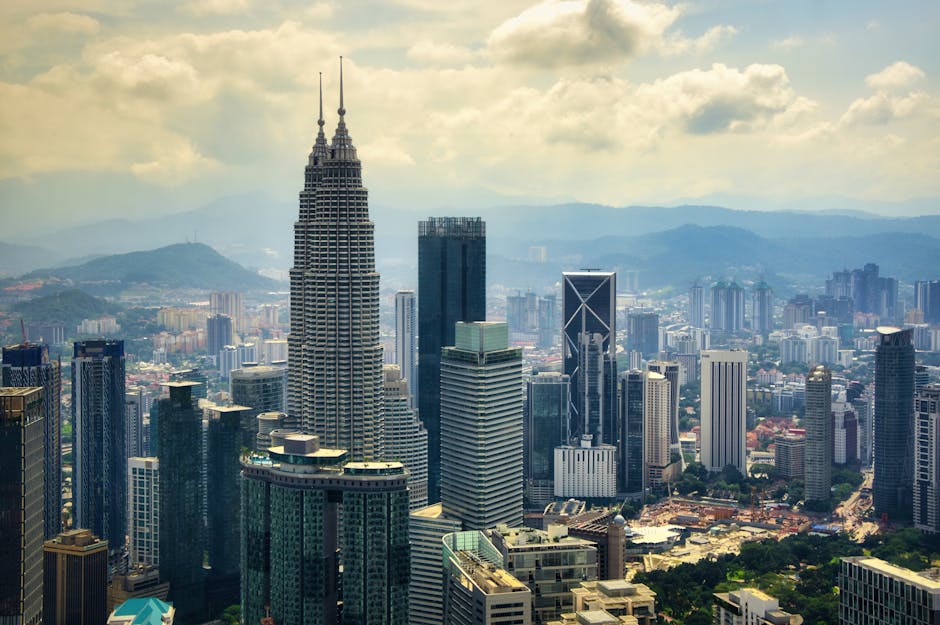
In the bustling heart of Kuala Lumpur, Penang’s creative quarters, and the digital marketplaces of Johor Bahru, a bold new skincare movement is reshaping the Southeast Asian beauty narrative. While international giants like L’Oréal, Estée Lauder, and Shiseido have long dominated regional shelves, the past five years have witnessed the rapid rise of Malaysian homegrown brands—each meticulously engineering “humidity-friendly” formulations for the region’s unique tropical climate. Yet, a critical gap remains: As urban consumers become increasingly health and skin-conscious, beverage brands—despite their reach and wellness credentials—have yet to leap decisively into the skincare-wellness nexus. This exposé explores why, what’s changing, and where the next wave of innovation is set to emerge.
The Pulse of a Market in Flux: Malaysia’s Skincare Renaissance
Historical Context and Disruption
Until recently, the Asian beauty landscape was the exclusive playground of multinational titans. However, according to Eng Kah’s market analysis, Malaysian skincare is now a “disrupted” space, led by local innovators leveraging three core advantages: climate-adapted scientific engineering, deft use of Asian botanicals, and competitive price structures. Brands like Chuck’s, Cuura, and Lumi Beauty are not just competing—they’re winning loyalty from a growing, urban, and digitally savvy middle class.
Climate-Specific Formulations
The humid, high-UV environments of Southeast Asia (averaging 60–90% humidity) present challenges unlike any in Europe or North America: product separation, rapid microbial growth, and clogged pores are perennial threats. In response, Malaysian brands engineer with:
- Lightweight, fast-absorbing bases that resist breakdown
- Potent, non-comedogenic botanicals like moringa and sweet almond
- Advanced preservation systems that avoid harsh synthetics
Asian Ingredients—Authenticity and Efficacy
Local brands draw upon centuries-old remedies—moringa’s antibacterial power, Japanese knotweed’s antioxidants, calendula’s soothing touch—sourcing directly from regional producers. As VEXX Skincare highlights, such formulations resonate with urbanites seeking both tradition and innovation, while bypassing the price premiums of global imports.
Winning Playbooks: The Rise of Homegrown Icons
Leaders at the Forefront
Three names emerge time and again in industry commentary:
- Chuck’s: The quintessential urban classic, equally cited by style critics and loyal consumers for reliability and results.
- Cuura: Best known for its “Miracle Oil Serum” and its innovative health drink, Glo Nectar, Cuura has created a full-circle ecosystem—offering topical, ingestible, and lifestyle products in harmony.
- Lumi Beauty: Competing with international luxury brands, but appealing to value-focused, climate-savvy Malaysians and Singaporeans alike.
Innovation Beyond the Bottle—Toward Holistic Wellness
Cuura’s Glo Nectar health drink marks a signal moment: a skincare-first brand branching into functional nutrition. This beverage, infused with vitamin C, rice bran, and pomegranate, is marketed not as a supplement but as an extension of daily skincare ritual—blurring the boundary between what we apply and what we ingest. Malaysia, it seems, is defining a uniquely Southeast Asian model of beauty: “inside-out,” multi-modality, and anchored in regional authenticity.
The Big Omission: Where Are the Beverage Brands?
Beverage-Skincare Convergence: Fact or Illusion?
Despite wellness trends and the functional beverage boom, the data is unequivocal: as of May 2026, there is no evidence that major Malaysian beverage brands (from coffee chains to energy drinks) are repositioning as skincare solution providers.
Cuura’s Glo Nectar is emblematic of the inverse: a skincare brand crossing into beverages, highlighting a consumer willingness to extend skin rituals to nutrition, but with trust secured from beauty credentials.
Why the Hesitation?
Several factors appear to limit beverage brands:
- Category Credibility: Skincare efficacy claims are tightly regulated and consumer-trust-dependent. Beverage companies lack the dermatological history to convince a skeptical public that their products will deliver visible skin improvements.
- Market Positioning: Health drinks can be functional or cosmetic, but rarely both. For now, consumers prefer skincare brands that add a beverage, not vice versa.
- Strategic Focus: Beverage giants already dominate by specializing; diversifying risks diluting brand equity and confusing positioning.
Comparative View: Skincare Brands Invading the Beverage Space—Not the Other Way Around
Lessons from Cuura’s Playbook
Cuura’s expansion into “drinkable skincare” was no accident—it reflects a deliberate, research-backed strategy. “We saw that urban customers wanted not just creams and serums, but solutions that worked from within,” one product lead commented. This is crucial: authority in topical skincare gave Cuura permission to extend into nutrition, not the other way around.
Beverage Brands’ Struggle with Skincare Adjacency: For beverage companies, the leap into skincare faces steep obstacles. Without proven efficacy and trusted dermatological voices, consumers may perceive such moves as opportunistic rather than authentic.
The next three years will decide whether beverage giants can build the credibility to enter skincare—or whether beauty brands will continue to annex wellness from within. Those who master both will define the future of Southeast Asian consumer health.
Inside the Formulation Lab: The Science of Tropical Skincare
Engineering for Humidity and Heat
In the laboratories of Kuala Lumpur, a new generation of cosmetic scientists obsessively test formulas for one overriding criterion: tropical stability and performance. Formulations are:
- Tested at 30–35°C with 70–90% humidity for separation and bacterial growth
- Designed to absorb rapidly, leaving no sticky residue—key for morning routines in sweltering cities
- Blended with next-generation preservatives that respect sensitive skin while preventing product spoilage
Asian Botanicals: Market and Mindshare
Moringa, sweet almond, Japanese knotweed, calendula, rice bran, and pomegranate are not simply buzzwords—they are the backbone of Malaysian differentiation. Local sourcing enables not just cost advantages (30–50% cheaper than imported luxury brands), but also authenticity stories that resonate in regionally themed marketing campaigns.
Affordability Without Compromise
Supply chain mastery is central. Malaysian brands utilize regional ingredient networks—from Sabah to India, and the Philippines to Japan—enabling price points that are “accessible, but not discount,” per LivLola. This is a crucial competitive wedge against imported luxury, which rarely adjusts pricing models for local affordability.
Urban Consumers: The Changing Face of the Malaysian Market
Demographic Shifts and New Expectations
Today’s urban shoppers—overwhelmingly young, mobile-first, and values-driven—are transforming the distribution and communication playbook. The “Sapot Lokal” or “Support Local” movements gain extra momentum during Independence Month, converting nationalist sentiment into real sales lifts for Malaysian companies.
User testimonials and peer reviews amplify the effect, with hero products like Cuura’s “Miracle Oil Serum” capturing cross-border word-of-mouth not just for efficacy, but for their uniquely Southeast Asian ingredient lists and climate claims.
Digital-First, Ecosystem-Centric Purchasing
Brands now compete for lifetime value, not just first purchase. Those who develop product ecosystems—serums, essences, health drinks, and supplements—are seeing 40–60% higher customer retention and revenue per user. The rise of direct-to-consumer channels (via apps and web) allows Malaysian brands to outmaneuver multinationals reliant on physical retail infrastructure.
Regional Expansion: Beyond Malaysia’s Borders
Proven Playbooks in Southeast Asia
High-performing Malaysian skincare brands now see Singapore, the Philippines, and Brunei as natural extensions—mirroring previous growth seen in homegrown beverage and food chains. Singapore’s demand for quality, the Philippines’ expanding middle class, and Brunei’s affluence offer receptive markets for humidity-optimized, climate-tested, and regionally authentic formulas.
Learning from Other Sectors
The meteoric rise of a Malaysian beverage chain from single-outlet to hundreds of stores nationwide—and its rapid penetration into these same Southeast Asian markets—shows that, when the formula is right, regional expansion can be swift and decisive.
The Big Picture: Challenges and Strategic Opportunities
Challenges
- Persistent competition from entrenched global brands with deep distribution and marketing budgets
- Regulatory fragmentation—each Southeast Asian nation maintains its own ingredients, labeling, and efficacy standards
- Ongoing supply chain vulnerabilities, post-pandemic
Opportunities
- Climate Differentiation: No major international player owns the “tropical-optimized” positioning—this is a white space for Malaysian brands
- Functional Beverage Convergence: Cuura’s Glo Nectar shows consumer willingness for multi-format solutions; growth will flow to those who get ecosystem integration right
- D2C Leadership: Digital-first models allow rapid market feedback, supply chain responsiveness, and authentic community-building
- Ingredient Story Prestige: Asian botanicals, once seen as “alternative,” are gaining global cachet. Malaysian brands can own this narrative
Winning Strategies: What Decision-Makers Must Do
For Beverage Brands Considering Skincare
- Build credibility through partnerships with established skincare players or R&D-led sub-brands—not abrupt category jumps
- Develop tropical expertise: hire cosmetic chemists, license IP, and partner with dermatologists for genuine innovation
- Leverage existing distribution: test promotional bundles (beverage plus skincare) via established retail networks
For International Beauty Brands
- Invest in regional R&D, not just distribution; localize formulations for tropical performance
- Price at a modest premium (15–25%) above local leaders; communicate value, not just brand heritage
- Participate in “Support Local” narratives with authentic, transparent partnerships and visible local leadership
Forward-Looking Insights: What’s Next for Malaysia—and Southeast Asia?
Market Sizing and Growth
The context reveals market growth rates above 25–30% annually, with 18+ credible Malaysian brands now competing against three multinational giants and expanding regionally. Ingredient sourcing networks span at least eight countries, and early digital channel adoption has handed local brands a home-field advantage.
Market Consolidation and Leadership
In the next three to five years, we can expect:
- Rapid consolidation—expect 5–7 brands to dominate, likely absorbing smaller innovators
- Continued growth of ecosystem models: skincare, nutrition, and functional beverages converging under single brand umbrellas
- Emergence of D2C juggernauts with regional supply chain control and profound consumer loyalty
- International brands forced to localize or risk irrelevance
Conclusion: The Strategic Imperative for Cross-Category Innovation
Despite the clear growth and sophistication of Malaysia’s skincare sector, beverage brands remain on the periphery of the beauty revolution—presenting both a market gap and a strategic imperative for action. Skincare-first brands like Cuura, by extending credibly into functional consumables, are redefining what it means to care for skin in a holistic, Southeast Asian context. Unless beverage leaders embrace new models of partnership, science-led product development, and genuine category integration, they risk ceding the next frontier of urban health to more agile local competitors.
For business and brand strategists: the time to build bridges, not silos, is now. Those who champion authentic, climate-adapted, regionally sourced wellness ecosystems will not just capture Southeast Asian urbanites—they will set the global standard for the next decade of skincare and functional health innovation.
For further reading and market insights, see sources such as LivLola, Eng Kah, VEXX Skincare, and LUXUO.