
How Malaysias Hot, Humid Climate Is Disrupting Skin Microbiome Health: Business Insights For Kuala Lumpur And ASEAN Markets
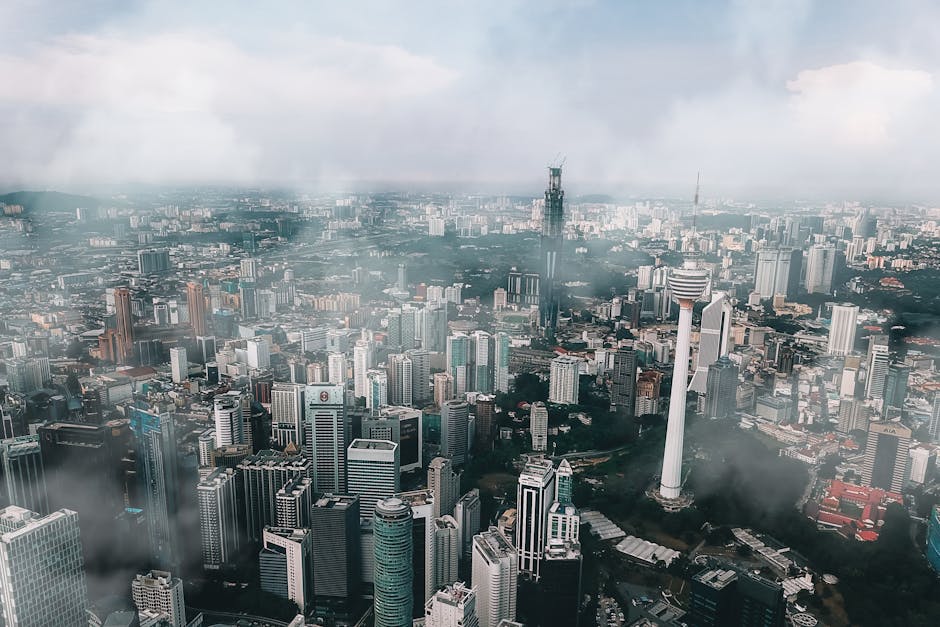
Malaysia’s Climate–Microbiome Collision: The Unseen Battle Reshaping Skin Health, Industry, and Innovation
As Malaysia’s cities simmer under rising temperatures and choking haze, a silent revolution is unfolding on one of our most exposed organs: the skin. Amid the gleaming facades of Kuala Lumpur and the tranquil beaches of Penang, a radical intersection between climate change and the skin microbiome is quietly but profoundly rewriting the rules of dermatology, personal care, and health technology. The country’s markets—long shaped by hot, humid weather—are becoming a real-time testbed for an urgent question: can we innovate fast enough to protect the skin’s intricate living ecosystem from the compounding stresses of a changing planet? The answer carries implications not just for Malaysian consumers, but for the broader ASEAN region, global brands, startups, and clinicians seeking to future-proof their portfolios as our environment transforms at an unprecedented pace.
Climate and the Cutaneous Microbiome: The New Risk Frontier
Rising Ambient Threats. For decades, Malaysia’s “tropical monsoon” climate—a byword for high heat, relentless humidity, and intense equatorial sun—has offered both challenges and advantages for skin health. But historical patterns are fracturing: since the 1960s, mean surface temperature has climbed by 0.13–0.25°C per decade, while urban heat islands add an extra 1–3°C on hot days. UV indices regularly spike into the “very high” (8–10) or even “extreme” (11+) range, compounding the oxidative burden on exposed skin. Meanwhile, periodic haze and air pollution events drive PM2.5 and AQI readings into “unhealthy” or “hazardous” territory, with transboundary haze crises from wildfire-prone regions exacerbating local industrial emissions.
The Hidden Victim: Skin’s Microbial World. These environmental extremes challenge not only the skin barrier but also its delicate microbiome—the complex ecosystem of bacteria, fungi, viruses, and mites integral to immune function, inflammation regulation, and pathogen defense. As summarized by Isler, Coates & Boos (2022) in the International Journal of Dermatology, climate factors such as temperature, humidity, UV exposure, and air pollution are already shifting the composition, function, and resilience of the cutaneous microbiome, with tangible clinical consequences.
Emerging Patterns: How Malaysian Climate Pressures Are Reshaping Skin Health
The Skin as a Climate Sensor. Malaysia’s urban and peri-urban populations increasingly live and work in environments that test the extremes of human adaptation. Heatwaves, surging humidity, and fluctuating air quality create conditions where microbial “winners”—notably Staphylococcus aureus, Cutibacterium acnes, and Malassezia spp.—can flourish, often at the expense of more benign commensals. These shifts are not merely academic. They are now driving:
- Acne Vulgaris Epidemics: Elevated sebum and sweat, exacerbated by occlusive clothing and air pollution, speed the proliferation of C. acnes—a trend documented in urban Asia, with pollution-linked outpatient spikes in Chinese cohorts (Sequential Bio).
- Atopic Dermatitis Flares: Heat and humidity break down skin barriers, fostering S. aureus overgrowth, the microbial fingerprint of eczema flares.
- Fungal and Yeast Surges: Malassezia thrives in lipid-rich, sweaty environments, making conditions like seborrheic dermatitis and folliculitis increasingly common.
Pollution: The Oxidative Wildcard. Each haze day in Kuala Lumpur is more than just a respiratory hazard; it’s a “microbiome-disruptive skin day.” Particulate matter, nitrogen dioxide, and sulfur dioxide trigger oxidative stress, degrade lipids, and create environments where pathogenic organisms outcompete skin’s natural defenders—a process described as “urban skin syndrome” by researchers tracked in Melbec Microbiology.
The Science Speaks: Clinical Impact and Mechanistic Insights
Multiple Climate Vectors, One Microbial Shift. The evidence base—anchored by the 2022 International Journal of Dermatology review—underscores a multi-factorial assault:
• High humidity and temperature favor the expansion of S. aureus, C. acnes, and Malassezia.
• UV radiation thickens the stratum corneum and hyperactivates sebaceous glands, tipping the scales toward lipophilic microbes.
• Air pollution intensifies oxidative damage, pH shifts, and immune system misfires, amplifying inflammatory skin conditions and infection risk.
Correlated Skin Conditions. Statistical associations from regional and global datasets highlight a rising incidence of acne, eczema, and even pigmentary disorders—each mapping to documented shifts in the microbiome and skin barrier under climate and pollution stress.
The Real-World Dilemma: Traditional Products Versus New Realities
Outdated Formulations in a New Climate. Many legacy skin-care and clinical routines in Malaysia still rely on aggressive surfactants, high-alcohol sunscreens, and broad-spectrum antimicrobials. These approaches, once effective for visible oil control or “deep cleaning,” are now increasingly risky: they strip the barrier, reduce microbial diversity, and make skin more vulnerable to both environmental and infectious insults. The result? Higher rates of irritation, treatment-resistant acne, and a loss of consumer trust when products “stop working” in the face of climate volatility.
Regulatory Complexities. As the regulatory environment for “probiotic,” “postbiotic,” and “microbiome-friendly” claims intensifies, brands face new hurdles. Asia-Pacific regulators demand robust, local evidence to substantiate any functional claims—a challenge magnified by the sparsity of Malaysia-specific, climate-linked microbiome datasets.
Innovation in Action: Adaptive Responses and Industry Playbooks
1. Microbiome-Respectful Formulation is Now Essential
Barrier-First, Not Sterilize-to-Soften. Winning portfolios are shifting to syndet or amino-acid cleansers with low pH, mild surfactants, and proven commensal preservation—as measured by TEWL and microbiome sequencing on local panels. Moisturizers are moving toward light gel-creams, humidity-compatible fluids, and balanced blends of ceramides, humectants, and postbiotics.
2. UV Protection for the Microbial Age
From SPF to Microbiome Compatibility. The equatorial sun demands SPF 30–50+, but consumers’ top complaints include clogged pores and reactive skin. Next-generation products emphasize non-comedogenic, antioxidant-rich, fragrance-free formats—backed by “microbiome-friendly” testing under Malaysia-relevant UV and humidity conditions (Cosmetics & Toiletries).
3. Anti-Pollution and Microbial Defense as Twin Priorities
Urban Shields and Biochemical Resilience. Product lines are incorporating physical “urban shields” (film-formers, polysaccharides) and a new wave of anti-pollution antioxidants (vitamin C derivatives, polyphenols), combined with postbiotic ferment extracts that actively sustain microbial diversity. Marketing narratives tie launches directly to local haze episodes, using AQI metrics and “before/after” biophysical data for credibility.
4. Climate-Smart Chronic Care Pathways
Acne and Eczema: Rethinking Traditional Protocols. Instead of indiscriminate antibiotics or aggressive retinoids, the market is shifting toward microbiome-modulating approaches: low-dose benzoyl peroxide (buffered with emollients), azelaic acid, probiotic/postbiotic adjuncts, and bacteriophage or targeted antimicrobial peptides for future development. For atopic dermatitis, attention to humidity oscillations and pollution spikes shapes both product and care delivery.
5. Tech-Enabled, Real-Time Personalization
Dynamic Routines for Volatile Environments. Digital health is converging with climate science. Apps and clinic dashboards are integrating live feeds of temperature, UV, humidity, and AQI, translating them into bespoke skin-care recommendations. Flare prediction for acne or eczema is increasingly linked to environmental “nowcasting,” not just static skin typing.
Comparative Lens: Malaysia vs. Global and Regional Peers
Malaysia and ASEAN: The Humid Tropics Paradox. While Malaysia’s skin-care and dermocosmetic markets historically echoed global norms, the climate–microbiome intersection creates distinctive pressures—and opportunities. Unlike temperate markets where cold/dry conditions dominate product design, Malaysia, Singapore, southern Thailand, and Indonesia share a blend of:
- Relentless heat and humidity punctuated by monsoonal swings
- Extreme UV exposure due to equatorial geography
- Distinctive pollution patterns (haze, industrial, urban traffic)
- Consumer preferences for non-sticky, fast-absorbing, oil-control textures
- Cultural drivers, such as hijab-wearing and urban commuting, that intensify occlusive stress
Contrast: North America, Europe, East Asia. Most peer-reviewed microbiome work—as well as regulation—originates in temperate zones with cooler, drier climates. Products proven “microbiome-friendly” in Paris or New York may underperform, or even disrupt, skin in the Malaysian context. ASEAN innovators thus have both a challenge and an edge: data-driven localization can confer unique IP value and consumer trust.
Forward-Looking R&D: Building the Malaysia-Specific Data Asset
First-Mover Advantage Through Research. The absence of large, Malaysia-specific, longitudinal climate–microbiome datasets is both a risk and a historic opportunity. Brands, clinics, and biotech startups that invest in multi-site sampling—across diverse ethnicities, urban/rural divides, and climate gradients—will own not only validation for claims but also proprietary knowledge that can underpin B2B partnerships and regulatory dossiers throughout ASEAN.
Biotech Innovation: Climate-Resilient Actives. The pipeline is shifting toward “biomimetic” and “climate-resilient” actives—like Clariant’s Galactinol Advanced—derived from tropical or marine organisms, and tested for stability and efficacy under high-heat, high-UV, high-pollution conditions. Marine ferment filtrates, tropical postbiotics, and novel antioxidants are high-potential candidates for the coming decade.
“The skin microbiome is now a climate-sensitive asset; Malaysia is not just a market, but a proving ground for innovations that will shape global dermatology and personal care in an era of environmental volatility.”
Implications for Stakeholders: Brands, Clinics, Tech, and Ingredients
Consumer Brands: Climate-Adapt, or Fall Behind. Success will hinge on segmenting by “climate-state” (think “Monsoon Barrier Recovery” or “Haze Emergency Shield”) rather than the traditional oily/dry/combination taxonomy. Malaysian cohort studies—measuring not only clinical endpoints but also microbiome diversity—will become the new table stakes for credible claims and enduring consumer trust.
Clinics and Dermatology Networks: Integrating Environmental Data. Leading clinics are embedding AQI, UV, and heat metrics in patient assessments, offering “climate-smart” product bundles for acute flares or high-risk occupations. Research partnerships with universities and biotech offer dual wins: revenue from data licensing and enhanced clinical outcomes.
Digital Health & Diagnostics: Personalized, Predictive, Preventive. Apps and AI-driven dashboards will shift from generic advice to real-time, climate-linked regimens—capitalizing on Malaysia’s uniquely volatile environment as an engine for “precision skin health.”
Ingredient Suppliers & Biotech. The commercial opportunity lies in developing and offering “Malaysia-validated” actives, with data to prove microbiome protection and resilience under simulated local stressors—filling a critical gap in the current global ingredient market.
Risk Management and Limits of Extrapolation
Data Gaps and Surveillance. The lack of comprehensive, publicly available, Malaysia-specific climate–microbiome datasets means all strategies must build in strong pharmacovigilance and post-market tracking. Ongoing investment in local research is vital to fine-tune interventions and flag unexpected reactions.
Regulatory and Claim Risks. Rising scrutiny around “probiotic,” “microbiome-friendly,” and environmental claims demands that all product and marketing narratives be grounded in robust, reproducible evidence, ideally peer-reviewed or supported by local cohort data.
Conclusion: A Call to Action—Owning the Climate–Microbiome Future
Malaysia’s environment is no longer a static backdrop; it is an accelerating, multidimensional stressor that is already reshaping the skin’s living architecture. Businesses that persist with status quo formulations, ignoring the science of climate–microbiome interaction, risk more than just lost market share; they risk irrelevance as consumers and clinicians alike demand safer, more adaptive, real-world validated solutions.
But for those willing to innovate—embedding barrier-first routines, testing under local conditions, leveraging climate and pollution data, and co-creating new actives with the region’s scientists—the upside is transformative. Malaysia is not merely a “challenging” market; it is a launchpad for new standards in dermocosmetics, dermatology, and health technology.
The country’s climate-driven microbiome challenges are harbingers for much of the world as global warming intensifies. By building, testing, and commercializing next-generation routines here, forward-thinking organizations will not only safeguard local skin health but also set a blueprint for global leadership in an era where the fate of the microbiome is inextricably entwined with the fate of the climate.
Now is the time for action—Malaysia’s skin health, consumer trust, and regional market leadership depend on it.