
How McDonalds Is Reshaping Global Coffee Sourcing: Sustainable Growth Strategies In Honduras, Indonesia, Vietnam & Colombia
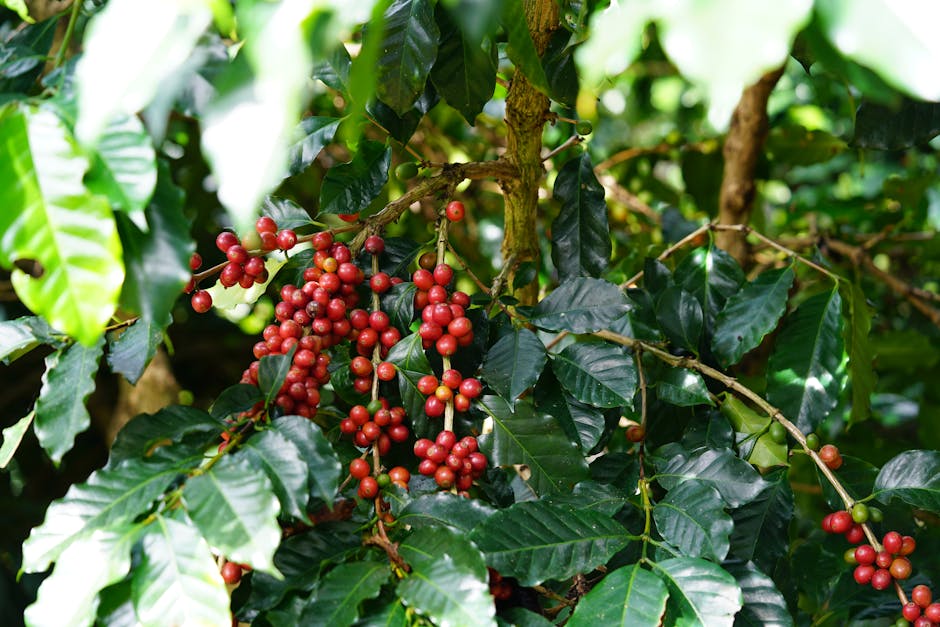
From Farm to Global Cup: How McDonald's Local Sourcing Revolutionizes Coffee Sustainability
In a world where every cup of coffee tells a story of soil, sweat, and supply chains, McDonald’s is quietly rewriting the narrative atop a $500-billion global coffee industry. Far beyond burgers and fries, the fast-food giant is leveraging its scale to reimagine coffee sourcing—shaping not only its own future, but that of millions of smallholders, entire ecosystems, and the expectations of an increasingly conscious consumer base.
As McDonald’s transforms its coffee program through localized sourcing, regional investments, and rigorous sustainability platforms, stakeholders from the Andes to the Mekong Delta and urban Europe are witnessing the ripple effects. This exposé traces McDonald’s evolving coffee journey with storytelling clarity, contextual data, and forward-thinking insight, revealing real-world implications and lessons for the future of ethical food supply.
The Historical Paradox: Scaling Up, Greening Down
The Coffee Conundrum: Coffee is cherished worldwide, yet its production has long been plagued by paradox: the larger the scale, the greater the risk for environmental degradation, especially deforestation in biodiversity hotspots.
McDonald’s Early Footprint: As the world’s second-largest buyer of coffee, McDonald’s was once typical—sourcing globally for price and availability, with little visibility into ecological cost. However, rising consumer scrutiny, climate threats, and activist pressure forced a reexamination, raising the stakes for transparency and stewardship.
A Turning Point: The 2016 launch of the McCafé Sustainability Improvement Platform (SIP) marked a pivotal shift. With audacious targets—culminating in 100% sustainably sourced coffee for its U.S. restaurants by 2019—a new blueprint emerged: one grounded in regional action, traceability, and partnership with sustainability leaders such as the Rainforest Alliance and Conservation International (see official source).
Emerging Patterns: Regionalizing a Global Coffee Chain
Decentralization for Impact: Rather than transactional import, McDonald’s has moved towards a decentralized approach—prioritizing local and regional sourcing where feasible. The goal: align supply with the ecological and social realities of each coffee heartland.
Data-Driven Success: By 2018, 54% of McDonald’s global coffee was sustainably sourced, with the U.S. achieving 100% by November 2019—an historic milestone reached ahead of schedule (as reported here).
Certification Mandates in Key Regions: Recognizing that regions like Honduras, Indonesia, and Vietnam were at severe risk of deforestation, McDonald’s mandated Rainforest Alliance certification—a move that not only reduced environmental risk, but created new incentives for farmer-driven conservation (see more).
Storytelling from the Field: Human and Ecological Realities
Honduras—A Fragile Biodiversity Frontier:
In western Honduras, the cloud forests of Copán and Santa Bárbara shelter migratory birds, rare orchids, and—until recently—the steady creep of coffee-driven deforestation. Here, 80% of production comes from smallholders, many earning precarious incomes. McDonald’s now insists on Rainforest Alliance certification, working with cooperatives such as COHORSIL to protect tree cover, diversify crops, and buffer climate shocks.
Indonesia—Volcanic Soils, Peatland Peril:
From Sumatra’s lush slopes to the peatlands of Lampung, Indonesian robusta once flourished at nature’s expense. Today, McDonald’s localizes sourcing, invests in aging-tree rehabilitation, and partners with Conservation International for farmer training, targeting a 25% reduction in regional deforestation.
Vietnam—Monoculture Meets Market Power:
Vietnam’s Central Highlands supply 40% of the world’s robusta, with McDonald’s a major buyer. The company’s SIP investments here push for soil regeneration and a 10-15% future yield gain, partnering with Rainforest Alliance and EU Deforestation Regulation (EUDR)-compliant chains.
Colombia—A Model for All:
In Antioquia, McDonald’s worked with over 3,700 farmers in a single year, planting 326,000 new coffee trees and saving 36,000 liters of water annually—proving the ROI of resilience and restoration.
Comparative Perspectives: Old Models vs. New Reality
The Conventional Model: Old-school coffee sourcing prioritized lowest cost, global blending, and minimal traceability—a model that externalized environmental degradation, decoupled product from place, and left smallholders vulnerable to market swings.
The McDonald’s Shift: The new strategy moves toward regionally customized sourcing, multi-stakeholder certification, and direct engagement with local cooperatives—aligning business imperatives with ecological stewardship and social equity.
Visible Contrasts: Previously, robusta from Vietnam or Indonesia might pass through opaque traders; now, McDonald’s demands not only full Rainforest Alliance certification but also the use of blockchain for traceability, providing end-to-end visibility and compliance with emerging EU regulations.
Tactical Shifts and Innovative Practices
Embedding Certification and Blockchain:
Honduras, Indonesia, and Vietnam are now subject to a dual mandate: complete Rainforest Certification and pilot blockchain to verify origin—a layer of transparency that reduces risk premiums 5-10% and ensures compliance with increasingly strict regulations both in the EU and beyond. This practice borrows from the U.S. model, where such moves led to ahead-of-schedule cost savings.
Farmer Resilience Investment:
Mirroring its Colombian success, McDonald’s is scaling up farmer training and tree rehabilitation across all focus regions. The roadmap is clear: train at least 10,000 farmers annually, target a 20% yield uplift, and secure 30% water savings. In Honduras, that means rust-resistant varietals; in Indonesia, peat restoration; in Vietnam, soil regeneration.
“Glocalization” for Market Relevance:
Europe, which generates 55% of McDonald’s revenues, now encourages regionally adapted blends—sourcing arabica via certified importers for France and Germany, and leveraging proximity to robusta producers for Asian markets. In the APMEA region (Australia, China, Japan), local chains can source Vietnamese or Yunnan beans with traceable, premium supply links.
Real-World Impact: Data and Stakeholder Narratives
Scaling Metrics, Human Results:
By 2020, McDonald’s investments had trained more than 20,000 farmers in sustainable methods—transforming lives, increasing incomes, and delivering measurable ecological benefits. In Colombia alone, annual water savings of 36,000 liters and millions of rehabilitated trees set a benchmark for regional action. Premium payments to farmers in certified supply chains boosted incomes by 10-15%.
Supply Chain Efficiencies and Brand Loyalty:
Local sourcing cuts logistics costs by 15-20%, while premium, certified beans support McCafe’s strong retail growth—a compelling margin boost (2-5%) and a shield against future climate and regulatory shocks.
Risk Reduction in Practice:
Using tools from the Committee on Sustainability Assessment (COSA), McDonald’s now monitors deforestation risk, water use, and farmer earnings in real time—proving that large-scale action doesn’t have to come at the expense of local context.
The lasting lesson is clear: Scaling sustainability is possible—if business leaders abandon one-size-fits-all thinking and instead invest in hyper-local context, innovative transparency, and long-term farmer resilience.
Forward-Looking Insights: The Road Ahead
Raising the Bar: Quantified Goals for 2028
McDonald’s plan is to raise local sourcing from focus regions by 20-30% by 2028, investing at least $50 million annually into farmer programs. Key targets include 70% global sustainability coverage, 500,000 new trees planted, 100,000 liters of water saved, and 50,000 farmers trained—a scale both audacious and achievable.
Multi-Stakeholder Alliances:
Strategic partnerships remain central. Rainforest Alliance, Conservation International, Solidaridad, COSA, and national coffee bodies anchor local action and verification. These alliances enable cross-region knowledge transfer, particularly around yield resilience, climate adaptation, and supply chain digitization (see COSA's analysis).
Technology for Transparency:
Blockchain is not hype—it’s a supply chain necessity. Pilots in Honduras, Indonesia, and Vietnam will soon feed into EU-facing supply chains. The ability to track beans from farm to cup is critical amid the rise of the EU Deforestation Regulation and similar US/Asia-Pacific policies.
Differentiated Opportunities Across Regions
Honduras: Despite daunting deforestation pressures, smallholder cooperatives such as COHORSIL are now directly linked to McDonald’s procurement, with technical support focused on climate resilience.
Indonesia: Major investments in reforestation and peatland restoration not only curb emissions but revitalize productivity in aging plantations. Rainforest Alliance groups in Sumatra and Lampung act as linchpins for certified robusta sourcing.
Vietnam: As the world’s top robusta exporter, Vietnam is racing to combine cost advantage with certification—a necessity as monoculture risks soil depletion and supply shocks. McDonald’s focus on Dak Lak cooperatives and EUDR compliance positions the supply chain for long-term resilience.
Colombia: Arguably the program’s greatest success story, ongoing expansion with the Federación Nacional de Cafeteros will scale up the model of premiums, water saving, and disease-resistant varietals.
Europe and APMEA: Regional adaptation is crucial—in Europe, blending local and certified imported beans for compliance and premium positioning; in Asia-Pacific, enabling rapid demand growth with verified, locally sourced beans (e.g., Queensland robusta for Australia, Yunnan arabica for China).
Comparing Perspectives: Consumer, Farmer, and Corporate
The Consumer Lens: Today’s coffee drinkers, especially in developed markets, want assurance that their cup isn’t costing the earth. McDonald’s local sourcing and visible certification answer this call, strengthening trust and loyalty.
The Farmer Perspective: For smallholders, the chance to supply McDonald’s means not just stable income—but access to premiums, training, and resilience against climate or market volatility.
The Corporate View: Executives see local sourcing as insurance against disruption (from weather, regulation, or social license), as well as a differentiator in an increasingly crowded quick-service market.
Risks, Trade-Offs, and Hidden Challenges
Local Sourcing Isn’t a Silver Bullet: Regionalizing supply chains introduces new complexities—traceability, certification costs, and shifting local dynamics. In high-deforestation areas, the balance between production and conservation remains fragile.
Regulatory Complexity: Compliance with the EU Deforestation Regulation and future US/Asia-Pacific equivalents is resource intensive, but non-negotiable for global brands.
Climate Change Headwinds: Even with robust investment, yield risks remain—Vietnam faces a projected 10-15% drop by 2030 from shifting rainfall alone, while diseases like coffee rust in Colombia require ongoing innovation.
But the McDonald’s Approach is Industry-Shaping: By achieving local sourcing at global scale—verifying with blockchain, investing in smallholders, and mandating third-party certification—McDonald’s is not only future-proofing its business but setting a new baseline for the industry.
Conclusion: The Strategic Imperative for Holistic, Localized Sourcing
The evidence is unambiguous—McDonald’s evolution from a cost-only approach to one centered on regionality, certification, and resilience is not just good for forests and farmers, but good for business. The numbers speak for themselves: higher margins, stronger supply continuity, regulatory compliance, and a robust social license.
As McDonald’s aims for 70% global sustainable coffee by 2027—and increases its direct investments in farmer resilience, transparency, and glocalization—it is setting a new standard that competitors and partners cannot ignore. The strategy isn’t just about serving billions of affordable, quality cups; it’s about using global scale to unlock local opportunity, mitigate risk, and steward a climate-vulnerable commodity into the future.
Opinion: The future of coffee supply lies in the hands of those who combine big-picture vision with field-level action. McDonald’s blueprint—audacious in ambition, granular in execution—proves that true sustainability is a series of local wins, multiplied by the right partnerships and measured by real-world impact. As climate, regulation, and consumer demand converge, “glocal” sourcing isn't just smart—it’s the new strategic imperative for any food company aiming to thrive in a fast-changing world.