
How Mobile Tech And AI Are Transforming Coffee Retail In China, Indonesia, India, And Beyond: Key Growth Markets And Tools For Asian Business Leaders
The Digital Groundswell: How Emerging Tech is Reshaping Coffee Retail Across Asia
Asia’s coffee culture is in the throes of a once-in-a-generation transformation. What began as niche city-side cafés inspired by Western brands has rapidly evolved—today, mobile devices and AI are as integral to your morning brew as the beans themselves. Coffee retail across Asia Pacific is now a $112 billion juggernaut (Mordor Intelligence), projected to surge at 6.27% CAGR from 2026 to 2031. But behind this caffeinated growth is a story of tactical adaptation and digital-first experimentation. From cashier-less Luckin stores in China to GoFood-powered iced coffee booms in Indonesia, the region is setting the global agenda for what coffee retail will look like in the next decade.
The New Gravity Center: Asia’s Historic Coffee Shift
Asia’s Meteoric Coffee Surge Historically, “coffee culture” conjured images of European sophistication or American drive-through chains. Yet, since 2018, coffee demand in Asia’s top markets has grown by 14.5%—propelled by rising incomes, rapid urbanization, and a tech-native middle class. China alone saw a remarkable 58% increase in branded cafés in 2023, surpassing the US as the world’s largest coffee shop market (Intelligence Coffee). Indonesia’s domestic consumption tripled pre-pandemic, while India is set to double its retail market by 2030.
Consumer-Driven Digitalization This explosive growth isn’t merely about more cups sold—it’s about the method and experience of consumption. Young professionals in Jakarta or Shenzhen now expect frictionless mobile ordering, instant delivery, and personalized offers as standard fare. The days of waiting in line are fading into memory, replaced by a model where algorithms and APIs orchestrate every touchpoint, from farm to cup.
Emerging Tech Tools: Asia’s Coffee Retail Arsenal
Mobile Ordering & QR-Code Systems: The Foundation of Frictionless Retail
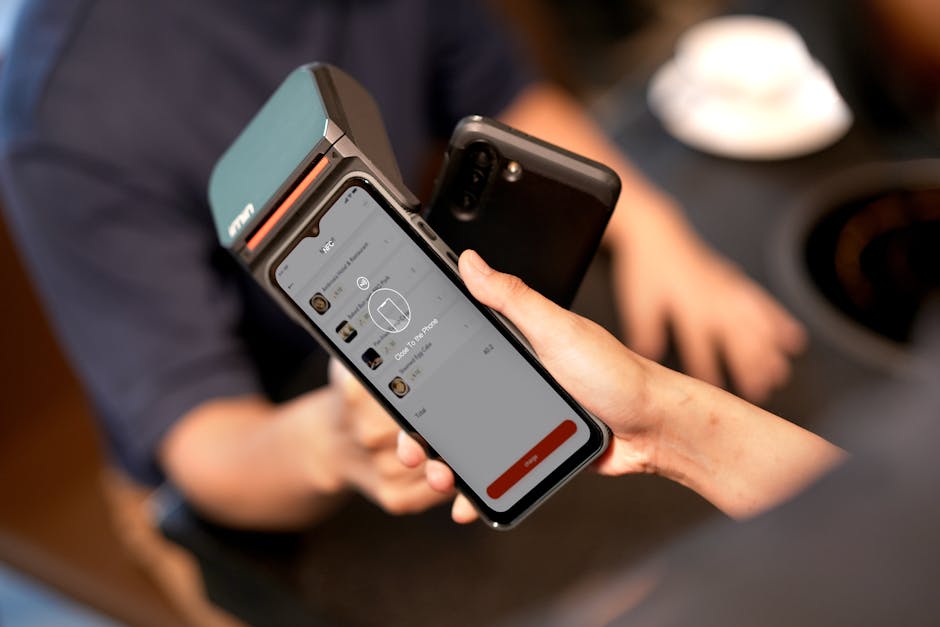
Mobile apps and QR-ordering platforms have become the backbone of urban coffee experiences across the region. In China and Indonesia, more than 80% of urban youth engage with these tools daily, primarily through ubiquitous platforms like WeChat, Alipay, and GoFood. The outcome: wait times slashed by up to 70%, with repeat visits surging due to app-based personalized rewards.
AI-Driven Personalization & Data Analytics: The Age of Bespoke Coffee
Today’s successful chains harness AI to analyze purchase history and city-wide trends, enabling hyper-targeted offers. In Singapore and Japan, premium consumers are drawn to data-driven “affordable luxury” services. The result is a 20-30% increase in basket size and lasting loyalty. Companies utilizing these insights improve supply chain transparency, optimize inventory, and launch campaign promotions in real-time.
Delivery Platforms & Quick-Commerce: From Café to Couch in 30 Minutes
Platforms such as GoFood, GrabFood, and Meituan have made same-hour coffee delivery mainstream, especially in Indonesia, the Philippines, China, and India. In dense urban zones, over 40% of orders are now generated through these digital marketplaces. The blending of ready-to-drink (RTD) product lines and delivery integration ensures that convenience no longer comes at the expense of quality.
Cashier-Less and Autonomous Stores: The Next Retail Frontier
Luckin Coffee and its digital-first competitors have pioneered cashier-less outlets, leveraging computer vision and IoT to enable grab-and-go service. Labor costs drop by 40%, operations run 24/7, and high-volume, low-price strategies disrupt multinational chains. In markets like China, Singapore, and increasingly Vietnam and Indonesia, this format is poised for massive scaling as digital literacy deepens.
RTD and At-Home Brewing Tech: The Convenience Revolution
Regionally, the specialty RTD sector is growing at 15.3% annually, with Japan and South Korea leading in RTD innovation and adoption of single-cup brewers. In Singapore and the Philippines, subscription-based and plant-based RTD formats are premiumizing the at-home coffee segment, keeping pace with hybrid work trends and evolving taste profiles.
Country-by-Country: Comparative Adoption and Market Realities
China: Hyper-Scale and the Digital Café Model
No market epitomizes digital transformation like China’s, where over 50,000 cafés compete not just on taste but on seamless customer journey. Cashier-less stores, livestream-driven e-commerce, and loyalty-based pricing have fueled 58% YoY growth. A $5-10M investment in app ecosystems can return two- to threefold ROI, leveraging real-time data to iterate menu and service design rapidly (Ken Research).
Indonesia: The App Economy’s Coffee Epicenter
Indonesia, now the fifth-largest coffee consumer globally, has embraced delivery-first culture with GoFood. Here, digital orders account for 50%+ of coffee sales, supporting new formats like iced and sweetened RTD beverages that resonate with local palates and high app engagement.
India: Mobile-First Momentum for a New Middle Class
With its industry positioned to double by 2030, India’s growth is occurring in Tier 1 and 2 cities where mobile payments and quick-commerce apps (like JioMart) dominate. QR payments and social commerce create branded experiences that are affordable yet premium in perception—a sweet spot for capturing aspirational youth.
Vietnam and Philippines: From Producer Markets to Consumer Hotspots
Vietnam, the world’s second-largest coffee producer, is blending its heritage with new delivery and RTD models. In the Philippines, a wave of urbanization is driving premium RTD adoption, with local chains using Grab integration and transparency apps to differentiate.
Japan, Singapore, South Korea: Premiumization through Personalization
In these digitally mature markets, RTD, AI-powered apps, and subscription ecosystems enable a sophisticated customer experience. Detail-focused personalization (think: “your usual” reimagined via algorithm) is replacing generic loyalty, with ROI from such systems often in the 20-30% range.
Shifting Tactics: How Local Models are Redefining the Global Standard
From Global to Glocal: Asia’s Retail Influence
The adoption of Chinese retail standards—QR-code ordering, frictionless pick-up, cashier-less formats—has set a new benchmark that global brands are now racing to adopt. Digital-first expansion is no longer a “nice-to-have” but a prerequisite for relevance in Asia’s fastest-growing markets.
Sustainability and Ethical Sourcing: The Next Competitive Edge
Savvy consumers are demanding transparency, driving adoption of traceability and sustainability tech from origin to cup. Apps enabling ethical sourcing, such as those piloted in Vietnam, not only mitigate risk but also create new storytelling opportunities, anchoring brands in purpose and authenticity.
Risks of Lagging Adoption
Decision-makers who hesitate face shrinking market share, compressed margins, and obsolescence as local upstarts outmaneuver slower multinationals. Supply constraints, tightening due to Asia’s domestic absorption, amplify this urgency.
Comparative Perspectives: Contrasts for New Market Entrants
Asia’s Digital-Physical Hybrid vs. Western Café Tradition
For many Western observers, the café is a place of ambiance, slow connection, and crafted hospitality. In contrast, Asia’s leading markets view tech integration as a core component of hospitality itself—enhancing rather than replacing human touch. The digital-physical model is not about sterile automation, but rather about meeting consumer demand where they are: on their phones, in transit, and craving personalization.
Local Chain Agility vs. Global Brand Scale
Local chains like Cotti Coffee and % Arabica have thrived by hybridizing their business models, seamlessly blending physical and digital. These companies are nimble, fast to pilot, and unafraid to pivot—setting a pace that global brands must match if they wish to capture Asia’s next billion coffee drinkers.
“In Asia, digital and physical retail are not in competition—they are in convergence. The coffee chain that cracks this hybrid code will define the next era of global foodservice.”
Real-World Implications: What This Means for Decision-Makers
Efficiency Gains and ROI
Operators that embed mobile ordering, AI, and delivery integration are enjoying 20-40% efficiency gains. Labor costs drop, throughput rises, and loyalty data opens unprecedented avenues for upselling and retention. For example, Luckin Coffee’s model of cashier-less stores with prices 30% below competitors enabled rapid expansion and high-volume sales throughout China and into Southeast Asia.
Metrics That Matter
- Target at least 70% digital order penetration in urban outlets.
- Pilot cashier-less formats across 5-10 stores, aiming for 30%+ cost reductions.
- Use data analytics to drive at least 15% increase in personalized offers uptake.
- Expand ready-to-drink lines to capture 20% of total revenue, especially in RTD-hungry markets.
Strategic Playbook
- Audit operations for digital readiness.
- Invest in or partner with local delivery/quick-commerce leaders.
- Focus on traceability and sustainability tech, as demand for ethical sourcing accelerates.
- Attend horizon-scan events like THAIFEX, where emerging retail innovations are showcased.
Forward-Thinking Insights: The Road Ahead for Asia’s Coffee Retail
Asia as the Global Standard-Bearer
With APAC coffee retail on track to reach $43.58 billion by 2031 and specialty coffee surging at a 15.3% CAGR, technology is not just supporting growth—it’s shaping consumer expectations worldwide. “Mobile-first” and “AI-personalized” will soon be the table stakes for any coffee brand with global ambitions.
Future Risks and Opportunities
There are risks: supply tightening, competition from highly efficient local chains, and the relentless pressure to innovate without losing authenticity. Yet, the opportunity for first movers is vast, as Asia’s structural shift continues to redraw the boundaries of what coffee retail can be.
Conclusion: Seize the Hybrid Advantage—Or Be Left Behind
Asia’s coffee revolution is more than a regional phenomenon; it is a harbinger for the future of global retail. Success will belong to those who grasp that technology and tradition are not mutually exclusive, but synergistic. With consumers demanding convenience, personalization, and purpose, brands must act decisively—auditing, piloting, and scaling digital innovations today, not tomorrow.
The stakes are clear. As local disruptors set a breakneck pace, and global powerhouses recalibrate for a market where loyalty ecosystems and AI-driven experiences are the norm, the only true risk is inaction. To capture the structural shift underway, coffee retailers—and indeed all foodservice players—must see Asia not just as a market, but as the blueprint for coffee’s digital destiny.