
How Singapore HDB Households Can Use 2026 Utilities Rebates To Boost Helper Benefits And Slash Living Costs
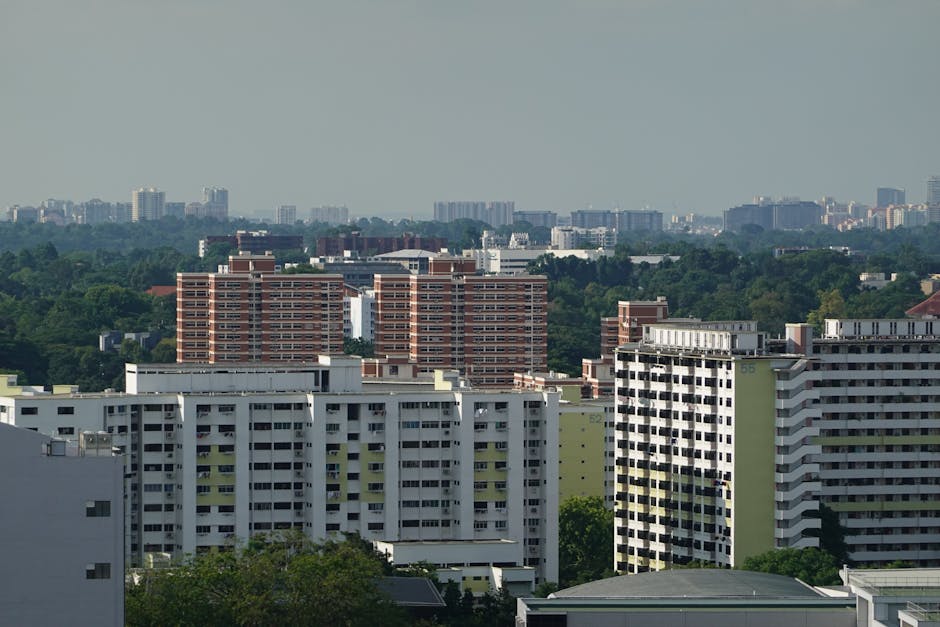
Maximising 2026’s Enhanced Cost-of-Living Support: New Strategies for Helper Management in Singapore Households
The landscape for managing a helper in Singapore has shifted significantly as of August 2026. With substantially enhanced, multi-year cost-of-living support for HDB households via utilities rebates and CDC vouchers, families are presented with new levers to optimise both domestic arrangements and household finances. While public housing residents reap the direct benefits, those in condominiums and landed properties face new pressures amid persistently high rents and limited rebate coverage.
For financially conscious adults responsible for hiring and overseeing domestic workers—whether you’re looking to find maid in Singapore, compare MWD Singapore options, or streamline your budget—understanding how to harness these changes is now essential to maintaining quality of life and financial resilience.
Key Trends and Strategies for 2026
1. HDB Households: Utilities Rebates as a Game Changer
The government’s decision to enhance the GST Voucher – U-Save scheme in FY2026 means HDB households can expect between S$570 and S$760 in utilities rebates annually, depending on their flat size [source]. For 1- and 2-room flats, this can cover roughly 5–6 months of utility bills; for larger units, about 2–3 months [source].
This structural reduction in living costs allows families to reallocate funds strategically—whether for helper salary upgrades, insurance enhancements, or building emergency savings. The rebates are credited automatically each quarter, offering a predictable cash flow buffer.
2. Private Condominiums: Tight Budgets, Sharper Decisions
Condo and private apartment dwellers do not qualify for the enhanced U-Save benefits. Instead, with CDC vouchers and limited payouts subject to strict means-testing, the onus is on mortgage repricing and meticulous cost control through efficient helper management and judicious use of smart appliances. Here, focusing on helper effectiveness—not just cost—is paramount, and exploring tools that multiply productivity (e.g., robot vacuums, dishwashers) may help offset the lack of subsidies [source].
3. Landed Homes: Leveraging Levy Concession, Not Utilities Relief
Owners of landed properties—often employing two helpers—find the real savings in the concessionary levy for helpers. The eligibility rules allow up to two helpers at a S$60 concessionary rate if caregiving needs justify it [source]. As utilities rebates are modest, investments in energy-saving and helper-support technologies should take precedence.
4. High Rents: Squeezing Both Renters and Employers
Whether you’re a family renting an HDB or a condo, high rental rates—up 2–6% year-on-year [source]—make every dollar count. For HDB renters, the ability to tap utility rebates as the SP account holder helps, potentially easing helper-related cost pressures. For others, evaluating the balance between a live-in helper versus part-time services becomes ever more relevant.
5. Shifting the Conversation: Helper Management as a Financial Lever
With so much focus on cost-of-living support, now is the time to rethink the role of the helper in Singapore’s evolving household economy. Can you “fund” a helper’s insurance or annual bonus through rebates? Should you use new-found cash flow to upgrade skills, rather than only cut costs? These are the discussions shaping 2026’s domestic management best practices.
State and Recommendations: Tactical Guidance for Firms and Households
- Budgeting Excellence for HDB Households: Treat quarterly U-Save credits as a line-item offset; consider direct reallocation to helper insurance, performance bonuses, or loan repayments. Downloadable budgeting templates can aid this process.
- Helper Recruitment: Find Maid in Singapore with a Skill Attitude Balance: Use savings from rebates to attract experienced helpers or invest in performance-linked incentives that reward both skill and positive attitude.
- Smart Use of Levy Concessions: For landed or larger families, carefully assess if a second helper is genuinely justified by care needs. The S$60/month concession can yield large net savings but only if the household structure qualifies.
- Leverage CDC Vouchers for Essential Purchases: Direct vouchers towards groceries, cleaning supplies or productivity-boosting appliances, effectively reducing the operational cost of managing a helper in Singapore.
- Private and Condo Homeowners: Prioritise Mortgage Repricing and Efficiency Investments: Consider refinancing home loans to free up monthly budget room for helper expenses. Invest in “force multiplier” appliances to maximise helper output without increasing headcount.
- Focus on Cultural Fit and Retention: When you find maid in Singapore, balance skill depth with attitude and cultural fit to minimise turnover—a key cost and quality consideration in a tight labour and rental market.
- Explore Flexible Engagements: If high rents squeeze your budget, weigh switching from live-in helpers to part-time arrangements, especially for smaller or dual-income families.
Summary Comparison Table
| Dimension | Live-in Helper | Part-time Helper | First-time Hire | Experienced Hire | Cultural Fit | Skilldepth vs Attitude | Premium Service | Standard Service | Agency | Direct Hire | Contract Duration | Trial Mindset |
|---|---|---|---|---|---|---|---|---|---|---|---|---|
| Public Housing (HDB) | Best for full-time care; offset costs with rebates | Viable; use CDC vouchers for ad-hoc needs | Supported by agency; use rebates on training | Faster onboarding, higher cost; upgrade via U-Save | High importance; supports harmony | Attitude favored for fit, skill stacked over time | Affordable with new rebates | Most savings, less flexibility | Agency ensures compliance, higher fees | Direct can be cost-efficient, higher risk | 2-year standard; leverage rebates for retention | Possible for part-time, less with live-in |
| Condo / Private Apartment | Costlier; utilities not rebated, watch mortgage | Popular for flexibility; no subsidies | Higher agency cost, less offset by support | Worth investment for performance | Crucial for shared amenities | Skill prioritized due to high expectations | Justified for large units; tie to mortgage savings | Standard suits small homes | Agency for time savings | Direct for control, risk of mismatches | Longer terms advised due to onboarding cost | Short-term contracts viable with part-time |
| Landed Homes | Standard; consider 2 helpers with levy concession | For niche chores or temporary surges | Agency essential for compliance | Multiple helpers with diverse skills | Even more vital with elderly/children | Skill depth heavily weighted | Premium plans align with household scale | Standard for routine tasks | Agency almost always necessary | Direct rare, requires strong networks | 2-year contracts, often staggered | Uncommon, but short trials for new staff |
Segmentation: Challenges and Opportunities by House Type
Public Housing (HDB)
- Opportunities: Leverage enhanced rebates and cost-of-living support for both fixed (utilities, groceries) and variable (helper salary, insurance) expenses. This creates meaningful space to improve helper retention and family welfare.
- Challenges: Rising rental market pressures may erode gains for renters; key is ensuring utilities rebates are channelled to those who pay the bills.
Condominiums / Private Apartments
- Opportunities: Mortgage refinancing and productivity-enhancing investments (robot vacuums, energy-efficient appliances) are the main levers. Consider renting out spare rooms to offset helper and maintenance costs.
- Challenges: No direct utilities support; higher fixed costs mean sharper scrutiny of every helper hire, with an emphasis on skill, fit, and retention.
Landed Homes
- Opportunities: Smart use of the levy concession enables financial sustainability of a two-helper arrangement for households with elderly or children. Shift focus to capital improvements (solar, efficient systems) rather than hoping for rebates.
- Challenges: High ongoing utilities/maintenance expenses; need to justify scale of helper team based on actual household demands.
Comparison and Synthesis
Ultimately, while find maid in Singapore dynamics are evolving rapidly, the helper in Singapore market now splits into those who can amplify their domestic operations via state support (mainly HDB), and those who must innovate through financial products and operational efficiency (condo and landed). Each segment faces the same goal: stable, high-quality home support within a manageable cost structure.
“2026’s expanded support isn’t just about lowering bills—it’s a blueprint for conscious, confident household management in a city where helpers are integral to daily life. The families that thrive will be those who turn subsidies into sustained value, investing in both their helpers and their homes.”
Conclusion: The Next Chapter in Domestic Management
The 2026 policy updates mark an inflection point for Singapore households. For those in public housing, enhanced utilities rebates and vouchers create new headroom to reinvest in helper well-being, skill development, and family preparedness. Private homeowners face the imperative to optimise costs sharply, leveraging both mortgage strategies and domestic productivity tools. Across all housing types, finding a helper in Singapore increasingly means looking beyond cost to total value—balancing skill, cultural fit, and retention.
As government support schemes evolve, we can expect a more mature market—one where savvy families and forward-thinking agencies collaborate to deliver not only affordable, but high-quality domestic help solutions. The upside: stronger, more resilient households ready to meet both today’s needs and tomorrow’s aspirations.