
How Singapores 2026 AI And Green Economy Upgrades Will Transform Helper Hiring, Home Management, And Family Finances
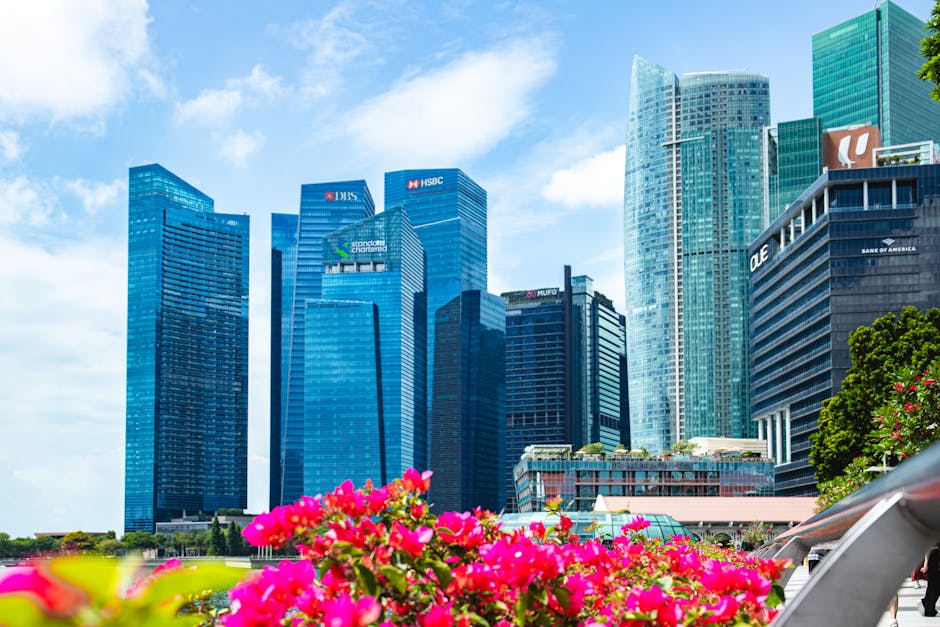
Singapore’s AI-Powered Household Revolution: Practical Strategies for Smarter, More Resilient Homes in 2026
Singapore’s ambition to become a global AI leader is no longer a distant prospect—it is being realized right now. Driven by the latest Economic Strategy Review and bold initiatives revealed in Budget 2026, the city-state is infusing artificial intelligence and trust into every facet of the economy. This includes the very core of daily life for families and household managers: running a home, hiring and managing domestic helpers, and making savvy financial decisions.
For Singapore-based adults shouldering household responsibilities, from “find maid in Singapore” searches to optimizing your home’s energy usage, the landscape is transforming rapidly. This guide unpacks the key trends, the practical implications for condos, private homes, and HDBs, and what you should do today to ensure your family thrives in this high-skill, high-trust future.
Key Trends and Strategies Impacting Singapore Households
1. AI is Mainstreaming—From Helper Matching to Household Services
AI is moving from being a futuristic buzzword to an everyday service, even at the household level. Leading platforms now leverage behavioral and skills data to match you with domestic helpers far more accurately, considering everything from language needs and child or eldercare requirements to personality fit. For those searching to find maid in Singapore, this means fewer mismatches and shorter hiring cycles. Predictive tools can flag early signs of burnout or incompatibility—potentially preventing costly disruptions in your home.
Expect AI-driven tools to manage scheduling for cleaning, aircon servicing, or repairs, while automated quote comparison will minimize risks of overcharging. On the financial side, banks and fintechs are rolling out AI mortgage optimization, insurance matching, and bill tracking—putting smarter, time-saving tools in your hands.
2. Trust, Transparency, and Higher Standards for All Services
The push to make Singapore a “trusted, competitive, connected” hub means that agencies, helper platforms, and financial companies will face stricter regulation. When trying to find maid in Singapore, families will notice clearer digital profiles, verified training records, and app-based scheduling becoming mandatory, not optional. This also raises the bar for digital literacy—for employers and helpers alike.
Trust is now a strategic advantage—expect more transparency in fees, insurance details, and data handling. Agencies that can prove their reliability and ethical standards will be in demand.
3. Growth Capital Fuels More Diverse, Tech-Enabled Home Services
Startups and SMEs have unprecedented access to capital, thanks to new government workgroups and expanded schemes like Startup SG Equity. For household managers, this means more options for on-demand part-time help, integrated contractor platforms, and “eco-home” upgrades as companies experiment and scale.
While this boosts innovation, it also means greater churn—families must evaluate providers carefully for financial stability and solid data practices, before entrusting them with personal information or payments.
4. Career Resilience and Household Support Go Hand in Hand
Singapore’s workforce is entering a period of major transition—more reskilling, more job changes, but also better support for lifelong learning. A dependable household routine and reliable helper are no longer “nice-to-haves”—they’re essential to career resilience. As you plan a mid-career switch or upskilling, structuring your household for stability allows for smoother transitions and reduces stress during career pivots.
5. Green, Efficient Homes Receive New Subsidies and Product Push
Sustainability is no longer just a buzzword. With S$37B in RIE2030 funding and targeted energy efficiency initiatives, the range of efficient appliances, smart home devices, and eco-friendly services will expand dramatically. Savvy households can lower their SP bills while qualifying for co-funding on green upgrades.
State and Recommendations: What Singapore Households Should Do Now
- Adopt Digital Tools Early: Begin using AI-powered budgeting and scheduling apps that consolidate bills, automate reminders, and link helpers, employers, and family members on one platform.
- Prioritize Agencies with Strong Digital Systems and Transparent Practices: When you find maid in Singapore, insist on full digital profiles, app communication, clear documentation, and structured assessment beyond simple references.
- Boost Digital Skills—For Everyone in the Home: Encourage helpers and family to upskill via translation apps, smart device management, and basic troubleshooting to enhance efficiency and value.
- Focus on Trust and Compliance: Review service providers for data security, licensing, and transparent dispute resolution—especially agencies holding documents or deposits.
- Upgrade for Energy Efficiency: Take advantage of government-backed grants to install smart thermostats, high-efficiency aircon, and LED lighting. Train helpers in daily routines that reduce electricity and water use.
- Structure Your Household for Career Resilience: Use reliable helpers and clear routines to free up time for part-time study, career switches, or supporting elderly/children—turning your home into a launchpad, not just a sanctuary.
Summary Comparison Table: Helper and Home Service Choices
| Criteria | Live-in | Part-time | First-time helper | Experienced helper | Cultural fit | Skilldepth vs Attitude | Premium Service | Standard Service | Agency Hire | Direct Hire | Contract Duration | Trial Mindset |
|---|---|---|---|---|---|---|---|---|---|---|---|---|
| Availability | 24/7, for full care/elderly | Scheduled, flex hours | Lower cost, more guidance needed | Faster onboarding, higher pay | Higher compatibility, less friction | Specific task proficiency | Insurance, full documentation, backup | No frills, basic support | Fully regulated, replacement and support | Lower cost, more DIY risk | 2 years typical, more stability | 1-6 months, faster replacement if mismatch |
Segmentation by House Type: Opportunities and Challenges
Condominiums
Challenges: Higher maintenance fees, greater energy consumption (aircon, lifts), stricter condo management rules on live-in helpers. App-based scheduling and digital records are essential for compliance. Smart-home upgrades often pay off faster due to higher energy bills.
Opportunities: Concierge or bulk-rate deals on shared services (cleaning, pest control, maintenance), and peer recommendations for reliable agencies. Condos are often early adopters of tech—making them a target for efficient, integrated platforms.
Private (Landed and Cluster Homes)
Challenges: Larger homes mean more complex routines, security considerations, and greater demands on helpers’ self-management. Insurance and liability are critical. Direct hiring may appeal but carries more risk.
Opportunities: Energy savings are magnified—investing in high-efficiency systems can yield big returns. Landed homes may benefit from “whole-home” audits, custom routines, and part-time specialist help (gardening, pool, pets).
Public Housing (HDB)
Challenges: Tighter space and budget constraints. Maximizing helper value is key; rules for helper accommodation apply. Some digital tools or premium services may seem out of reach, but new products are targeting this segment.
Opportunities: Subsidized upgrades (LEDs, smart plugs), shared part-time help, and affordable AI-driven budgeting tools. Peer-based review platforms help identify reliable helpers and agencies in the HDB context.
Summary: Comparing Condos, Private, and HDB Households
- Condos: Early adopters, invest more in tech and premium services, benefit from community networks and management support.
- Private/Landed: Prioritize comprehensive solutions, higher risk tolerance for direct hire but more exposed to compliance/insurance issues.
- HDB: Looking for value, careful spending, and digital tools that deliver real savings—not just features.
“The next era for Singapore households is powered by AI-driven decisions, higher expectations of trust, and increasingly green solutions. The smartest families will be those who blend technology adoption with resilience and transparency—because a well-run home is now a strategic advantage, not just a source of comfort.”
Conclusion: Strategic Takeaways and Forward-Looking Insights
AI and trust are reshaping how Singaporeans manage their homes, from the way they find maid in Singapore to how they allocate household resources and plan for the future. The growing array of tools, services, and subsidies will continue to empower proactive, digitally literate household managers.
Expect premium services, helper pay, and digital expectations to rise—especially as more households compete for tech-savvy, experienced helpers who can navigate smart devices and household apps. Agencies and platforms that invest in transparency and compliance will stand out in an increasingly competitive market.
Households that act early—adopting AI tools, upgrading for energy efficiency, and structuring their home life for resilience—will enjoy lower risks and greater flexibility in the face of economic change. The strategic move: treat your home as a launchpad for opportunity, not just a sanctuary. The coming years may bring even more personalization, with AI anticipating needs and matching the right services and helpers before you even ask.
Stay informed, upskill, and always evaluate your partners for trust and long-term value. The future of household management in Singapore is bright for those ready to adapt.