
How Small Retailers Worldwide Can Boost Sales And Customer Loyalty With AI-Powered Personalization Inspired By Starbucks
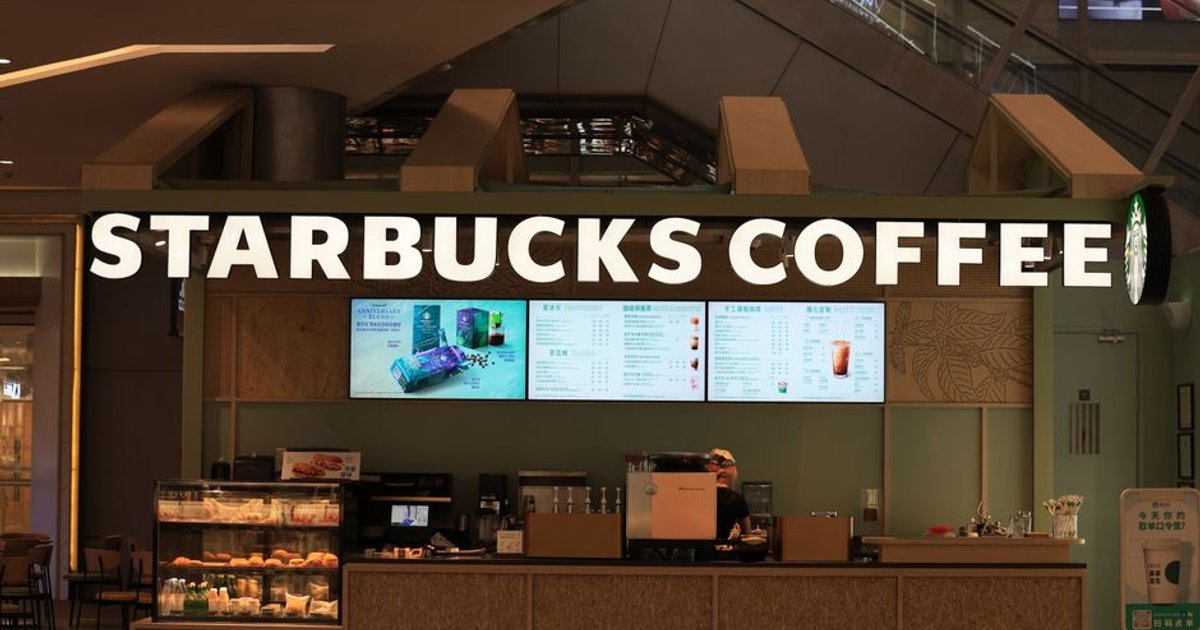
Personalization at Scale: How Starbucks' AI Is Inspiring a Practical Revolution for Small Retailers
For over a decade, the idea of artificial intelligence in retail has shifted from the realm of strategy decks and innovation labs to the very point of sale. The prevailing narrative, giant brands wielding deep learning to decode customer whims, has often left smaller retailers wondering whether AI is an unattainable luxury or a looming competitive threat. Yet the latest developments at Starbucks are reframing this equation: AI-driven personalization is no longer an abstract future, nor the exclusive domain of corporate behemoths. It is a now-mainstream expectation, opening a path for independents and emerging brands to compete on experience, intent, and operational discipline. As adoption rates for AI recommendations climb and consumers grow both more receptive and more discerning, the moment to act is here, but the blueprint is not what most expect.
From Laboratory to Everyday Life: The Mainstreaming of AI-Assisted Shopping
The tipping point for adoption. According to recent industry data, AI product recommendations have now reached 20% adoption among consumers, with AI-powered personal shopping assistants close behind at 16%. These figures, sourced from reports as recent as September 2026, mark a transition from novelty to critical mass. The significance for small and medium retailers is profound: the competitive ground has shifted. Where once AI experiments meant distant pilots and vaporware promises, customers directly engage with recommendation tools and conversational advisors as part of their real-world shopping behavior.
Why this matters now. Small retailers no longer face a binary of “build a chatbot or lose relevance.” Instead, the opportunity lies in reshaping the customer journey with tested principles: respond to intent, connect recommendations to live inventory and transaction systems, and retain human approval at the point of purchase. Starbucks, in particular, has demonstrated how to embed AI within an existing commerce flow, letting customers describe a mood or occasion in everyday language, receiving a tailored suggestion, and then customizing and completing the order through the company’s established app or web system.
Starbucks as a Playbook: The Art of Practical Personalization
Conversational intent as the new front door. The Starbucks case provides a visible, actionable example for retailers of any size. A customer describes what they want, “I’m in the mood for something warm and sweet but dairy-free”, and the system, through natural language processing, translates this into a product from the available menu, not merely a hard-coded filter or a category search. This approach is a direct response to the common retail paradox: most shoppers do not know product names but are certain about their needs and context.
Grounding personalization in operational reality. The innovation is not only in the AI's intelligence but its responsible tethering. Every recommendation comes from current inventory, respects pricing, margin, and customer eligibility, and flows into the well-governed digital checkout. For the local retailer, this means that the "AI layer" should remain an advisor, not an autonomous actor, customers review, modify, and approve each suggested purchase.
Emerging Patterns: The Power of the "Recommendation Moment"
Narrow, high-value use cases outperform general AI assistants. The temptation to deploy AI as a catch-all solution is high, but the Starbucks example, and supporting industry evidence, highlight the greater returns from focusing tightly. Instead of building an open-ended assistant, successful retailers select “moments that matter”: e.g., “Find the right product for my need,” “Choose a gift under $30,” or “Suggest a meal for four in 20 minutes.” Such moments occur frequently, generate measurable outcomes, and make testing and improvement feasible.
Disciplined measurement and pilot design. Results from recommender systems indicate an average 10% lift in revenue, with a 5.3% reduction in churn and an 8% improvement in inventory forecast accuracy for those retailers who connect recommendations to transaction and outcome data. These are directional figures, real-world impact will hinge on data cleanliness, execution quality, and segment fit. The discipline is to set clear metrics (conversion, average order value, margin, repeat purchase rates) and safeguard against negative side effects (return rates, complaints, opt-outs).
Tactical Shifts: What Small Retailers Must Do Differently
Start with the customer’s words, not your catalog's structure. The most profound shift is a psychological one. Customers express desire, frustration, and curiosity in ordinary language, not in product taxonomy. A capable system must interpret statements like “I need a quick vegetarian dinner for under €35” or “Help me pick a skincare routine for sensitive skin” and deliver results that are both relevant and in-stock.
Personalization must reflect what is actually available and sellable. A system that suggests out-of-stock, ineligible, or regionally restricted items destroys trust and adds support burden. Connection to current, authoritative product and inventory data is mandatory.
Keep checkout touchpoints familiar and trusted. Starbucks routes all transactions through its established app and e-commerce infrastructure, not through the conversational interface itself. This reduces exposure to payment risks and ensures seamless handoff, a principle that generalizes to booking systems, point-of-sale, and click-and-collect anywhere.
Preserve human oversight at the point of commitment. Survey data is clear: 53% of shoppers are uncomfortable with AI making purchases on their behalf; the vast majority want final approval and visibility into why an item was recommended. For smaller retailers, this counsels a conservative approach: AI as guide, not as operator.
Comparative Perspectives: Old Ways vs. the Intent-First Model
The legacy approach: friction and lost sales. For decades, small retailers have relied on category-driven navigation, myriad filters, or over-broad promotions to guide customers. This often results in option fatigue, uncertainty, abandoned carts, and costly customer service contacts. The focus remained on “what do you want to buy” instead of “what are you trying to accomplish?”
The intent-first, conversational model. Here, the retailer starts with understanding: “What do you need?” The system asks for constraints (budget, timing, dietary or taste preferences), consults the live product catalog, and presents a curated, explainable shortlist, each option justified, available, and priced, with alternatives clearly shown. Checkout happens in the existing system, preserving both operational control and customer comfort.
Real-World Applications Across Sectors
Food and grocery: meal kits, allergy guidance, and budget baskets. Instead of “shop by category,” retailers can offer “build me a dinner basket under $20, for two people, no gluten.” Recommendations reflect real inventory and local pricing, with clear substitution and pickup options.
Apparel and footwear: occasion-based styling and fit accuracy. Customers ask for “shoes for standing all day” or “outfit for a summer wedding under €100.” The system cross-references sizes, returns history, and in-stock items, reducing both returns and dissatisfaction.
Beauty and wellness: regimen building and preference tracking. Instead of generic up-sell or awkward product pairings, an AI advisor helps the customer compose a skincare routine for “dry, sensitive skin,” referencing only approved products and in-store stock.
Home and hardware: kit building and compatibility assurance. Whether assembling a repair kit or finding compatible parts for a specific appliance, recommendations can now be both relevant and operationally precise.
Why Most AI Personalization Fails, And How Starbucks Inverts the Risk
Poor product data undermines even the smartest AI. If a retailer’s catalog is riddled with vague or inconsistent product descriptions (“cream” with no stated use, “accessory” with no parent product), personalization will fail. Starbucks’ success rests on a meticulous, current, and well-structured menu database.
Disconnected “AI layers” create trust and service failures. Systems that do not validate live inventory or pricing sow customer frustration and operational chaos. Starbucks ensures that its conversational AI is not a free-floating recommender, it is bound to availability, margin, and fulfillment constraints.
Excessive autonomy increases risk and damages trust. Industry surveys show that most consumers want a say in what is ultimately purchased. When AI acts without clear logic or customer oversight, complaints, opt-outs, and controversy follow. Starbucks and prudent small retailers keep final approval in the customer’s hands.
Building the Right Foundation: Pilot, Measure, Iterate
Three steps to a successful recommendation pilot. The path is well-marked for small retailers:
- Step 1: Pick one clearly defined, high-value use case, such as “recommend a gift under €40” or “suggest a complete kit for balcony gardening.” Assess frequency, commercial value, data readiness, and risk before proceeding.
- Step 2: Ensure clean, structured product and customer data, including live inventory, attributes, and exclusions. This foundational work is essential; poor data yields poor AI outcomes.
- Step 3: Connect the recommendation workflow to existing transaction and support systems, maintaining a clear handoff and ready human intervention as fallback.
The Metrics That Matter: Beyond Engagement Hype
Conversion and incremental revenue, not just attributed sales. Use rigorous control groups; measure whether customers exposed to recommendations convert more often, buy more per order, and return less frequently than those who do not.
Gross margin and retention, not just basket size. Higher order values lose meaning if driven by discounts or low-margin items. Track gross margin per order, factoring in fulfillment, returns, and support costs, and monitor repeat purchase rates as a sign of real retention impact.
Trust and acceptance as first-class metrics. With over half of consumers expressing discomfort with AI-purchased goods and 58% cross-checking recommendations, build trust tracking, opt-outs, corrections, complaint rates, into the ongoing measurement framework.
Country and Regional Nuances: Adapting Beyond the U.S. Example
Data protection is not optional. While the Starbucks conversational system reports are based on the U.S. market, small retailers elsewhere must consider local regulations on data collection, processing, consent, and cross-border transfer. The safest path is “data minimization”: collect only what is essential for the recommendation, state its use openly, and provide ready opt-out.
Language, product, and cultural fit. AI systems trained on one market may struggle with regional dialects, customary product names, measurement systems, and holidays. Local piloting and feedback are mandatory; translation is necessary, but so is cultural tuning.
Payments, logistics, and serviceability reflect local infrastructure. Always connect recommendations to the actual payment and fulfillment flows in use in your market, local payment rails, collection windows, and compatible delivery options.
Availability and eligibility must reflect store-level or region-specific constraints. Never promise what cannot be fulfilled, down to the collection slot or service area level.
Risks, Controls, and Responsible AI Practice
Privacy risk: minimize and control. Avoid collecting sensitive data unless strictly required and lawful; always provide clear privacy notices, access, and deletion rights.
Accuracy risk: ground recommendations in live, approved data. Validate inventory and pricing at recommendation time; maintain a clear escalation path when uncertainty arises.
Bias and exclusion risk: test, explain, and diversify outputs. Monitor that recommendation logic does not systematically advantage or disadvantage subgroups unfairly.
Commercial risk: measure true incremental profit. Tie technology spend and operational costs to outcomes; pilot in narrow scope; halt loss-making initiatives quickly.
Trust risk: build transparency and optionality. Disclose why an item is recommended, allow opt-out, and never conflate AI with human agents.
“The most defensible starting point for small retailers is not building a vast AI stack but investing in clean product data, a focused customer problem, a connected checkout, transparent recommendations, and disciplined measurement. Personalization earns trust and creates value only when operational reality matches algorithmic promise.”
Forward-Looking Insights: What Comes Next for the Small Retailer
Intent-driven commerce is now table stakes. As mass adoption accelerates, standardized, friction-heavy experience will become a competitive liability. Customers who have tasted successful AI-driven guidance from leaders like Starbucks expect relevance, speed, and clarity everywhere they shop. This raises the bar for all market participants, laggards risk becoming invisible.
Cross-selling and retention are next-level advantages. The real value of AI personalization is not only in conversion but in increasing lifetime value, through timely, useful complements, personalized replenishment, and preference memory that respects consent and priorities.
Customer questions are new commercial intelligence. Every question or chat is a treasure trove of unmet need. Small retailers should treat conversational logs as a strategic asset, informing inventory, merchandising, promotions, and service.
Minimalism beats maximalism. The winning model is not the biggest, most complex AI deployment but the cleanest, most aligned recommendation-to-transaction workflow. Focus on single customer segments, a handful of use cases, a direct connection to the point of sale, and trust-building transparency.
Partnerships and integrations will set the future pace. The best results come from linking best-of-breed tools, recommender APIs, ecommerce systems, analytics, and customer support, rather than building from scratch or multiplying unconnected SaaS solutions. Accessible tools like Nosto or Tidio are cited for their ease of integration and practical value.
Conclusion: The Strategic Imperative for the Next Era
The era of experimentation is over. AI-powered personalization has arrived at the center of retail, mainstreamed by Starbucks and similarly innovative brands but now within reach of every capable small retailer. The winners in this new landscape are not those with the deepest R&D budgets but those with the willingness to pilot, measure, adapt, and connect. The path forward is clear: begin with intent, build on data, bind to commercial reality, and never cede customer approval. Those who treat AI as a tool for partnership, between business, staff, systems, and the end customer, will architect defensible growth and loyalty for years to come.
For leaders in retail, the moment to link personalization with operational excellence and transparent trust is now. The conversation has started; the next sale belongs to those who listen, learn, and respond, one intent-driven interaction at a time.