
How Southeast Asias Café Boom In Bangkok, Hanoi & Jakarta Is Blending Tradition With Tech: 2026 Growth, AI Innovation, And Sustainability Insights For Business Leaders
Southeast Asian Cafés at a Crossroads: Tradition Shaping Tomorrow’s Café Tech Boom
The air in the cities of Hanoi, Jakarta, Bangkok, Kuala Lumpur, and Manila brims with the aromas of beans that have journeyed from mountain terraces to bustling alleyways. Cafés—once humble spaces for communal rituals—now stand at the crossroads of a technological renaissance. By 2026, a staggering 533% year-over-year surge in coffee equipment trade volume is not just a headline figure—it signals a profound cultural and economic shift. As Southeast Asia’s café market becomes the world’s most dynamic case study on how tradition interlocks with innovation, decision-makers are called to balance authenticity with an unrelenting drive for efficiency, sustainability, and scale.
Market Overview: The Great Southeast Asian Café Transformation
Coffee as Cultural Capital: In much of Southeast Asia, the café is not simply a venue for caffeine—it is a microcosm of social evolution. Vietnam’s phin-brewed robusta, Indonesia’s earthy Mandheling, and Malaysia’s hand-pulled teh tarik each encode layers of tradition. However, 2026 finds these rituals entwined with a new language of AI, agentic voice systems, and sustainable machinery—a language dictated by a rapidly urbanizing middle class and swelling disposable incomes.
Explosion in Trade and Tech Adoption: The statistically dramatic 533% YoY equipment growth is not uniform. Vietnam leads the charge, capturing 32% of buyer share and logging 487% growth, trailed closely by Indonesia (28%, 512%), with Thailand’s 601% leap marking it as the early adopter hotspot. These figures are not mere curiosities—they reflect mass mobilization of capital, entrepreneurship, and new café business models across the region.
Sustainability and AI as the New Growth Vectors: Today’s market is defined by a relentless pursuit of ethical sourcing, plant-based menus, and precision brewing. Cafés adopting AI-driven vending and agentic voice ordering systems are not just innovating—they are reimagining hospitality in the face of chronic labor shortages and rising customer expectations.
Tradition Meets Tech: Country-Specific Case Studies
Vietnam: The Phin Filter’s Modern Makeover
From Slow Ritual to Scalable Business: Vietnam’s café boom is rooted in the phin filter—a slow-brewed method that honors local flavors and social pace. Yet, 2026’s marketplace is not satisfied with nostalgia alone. Modern Vietnamese cafés are fusing manual robusta brewing with precision grinders and AI-assisted automation, tailored to the phin’s sensory demands. This hybrid approach delivers conversion rates 3.2 times higher than generic imports, according to Alibaba data.
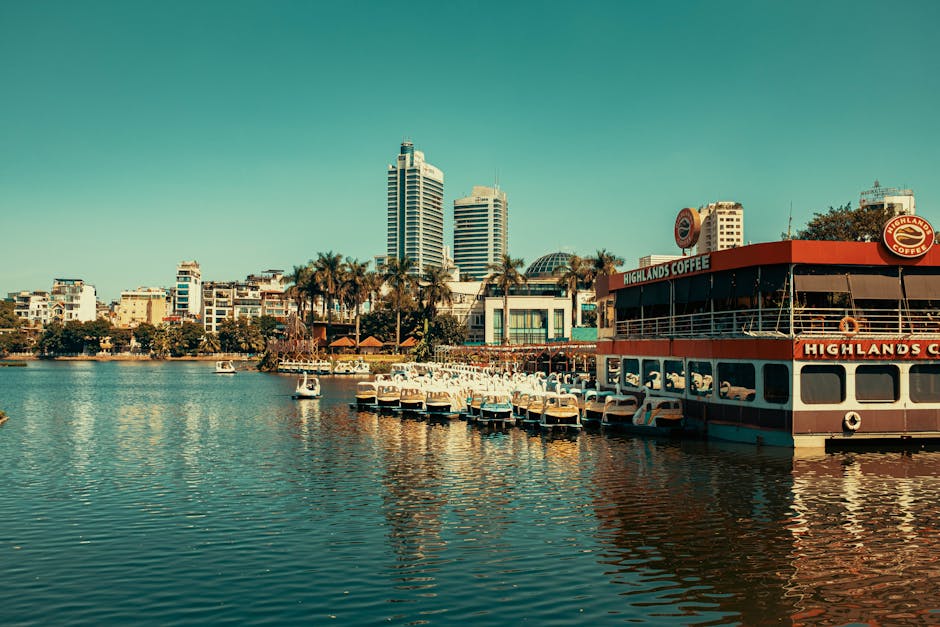
The New Growth Playbook: By allocating 15-20% of capital expenditure to tradition-adapted equipment, Vietnamese chains are expanding at breakneck speed. Chains like Highlands Coffee (an inferred leader) have embraced this synthesis, while pilot AI vending programs—such as those inspired by Singapore's ChefGenie—promise phin-style flavors programmable for rapid, staff-light service.
Global Implications: Vietnam’s leadership in tradition-tech integration is a blueprint for emerging markets seeking to scale without sacrificing identity. Its 32% regional market lock-in gives it an outsized influence on the café trade playbook for years to come.
Indonesia: Adaptive Roasting for a Diverse Archipelago
The Case for Versatility: Indonesia is a tapestry of terroir, with cafés needing to flexibly roast Sumatran, Javanese, and Sulawesi beans. The market’s 512% growth is powered by roasters that can adapt to both tradition (kopi tubruk) and modern palates—embedding AI-driven batch profiling and voice-order systems to serve a fragmented, sprawling market.
Agentic Voice Tech as a Differentiator: Indonesia’s cafés are piloting agentic AI that routes orders naturally through voice, drastically improving efficiency for high-volume, low-staff venues—an innovation now essential amid sector-wide worker shortages.
Margin Power Through Technology: Culturally attuned equipment achieves 3.2 times the conversion rates and 10-15% higher margins due to reduced waste and improved batch control. When customer experience is localized and streamlined, small-batch cafés can compete on both quality and speed.
Thailand: Sustainability and Speed at THAIFEX
A Showcase of Innovation: Thailand’s café market, propelled by a 601% YoY trade leap, is a case study in the power of events like THAIFEX – HOREC Asia. Here, large chains and independent innovators converge to pilot devices like the La Cimbali M40, with 94.4% recyclability and industry-leading thermal efficiency.
Compact, Sustainable Machines for Urban Chains: The S-Lite model’s quick maintenance and energy savings (20-30% reductions) are invaluable for Thai urban chains battling high operational costs. Partnerships with local flavor specialists (e.g., Aroma Group) are allowing global tech to become conduits for Thai herbal profiles—ensuring that speed and sustainability do not eclipse authenticity.
Event-Driven Growth: With more than 20,000 trade visitors and a strategic location linking Indochina with the Philippines, THAIFEX is a catalyst for fast follower adoption and cross-border café tech transfer.
Malaysia: Compact Wellness for a Multicultural Market
Scaling Up by Shrinking Down: Malaysia’s café scene is unique—urban density demands compact, multi-functional brewers that bridge the gap between teh tarik theatrics and third wave pour-overs. The 423% growth in imported equipment is being met by S-Lite-like miniaturized machines, which emphasize wellness features and sustainable operation.
AI for Urban Lifestyles: With 45% of APAC consumers using AI for meal prep and purchases, Malaysian cafés are ideal testing grounds for AI-powered compact brewing units. Plant-based menus and holistic flavor innovation are not fads but strategic imperatives for capturing younger, health-conscious urbanites.
Philippines: Agentic Voice AI for an Emerging Market
Emerging Stage Leapfrogging: Unlike its neighbors, the Philippines’ 389% growth is less about hardware and more about interface innovation. Local cafés are rapidly piloting agentic voice ordering—eliminating traditional menus and streamlining the order process as hospitality spend pushes towards $208 billion by 2033.
Integration over Imitation: Filipino cafés blend barako brew traditions with low-capex, high-impact AI rollouts, positioning the sector to leapfrog manual workflows and maximize labor efficiency.
Patterns, Shifts, and Comparative Perspectives
Uniform Metrics—Divergent Strategies: While all five markets are posting triple- or quadruple-digit YoY growth, strategic priorities diverge. Vietnam and Indonesia bet on scaling tradition through automation and batch versatility; Thailand uses massive events and sustainability mandates as market levers; Malaysia and the Philippines focus on urban compactness and user interface innovation.
Tradition as a Value Multiplier: In every market, the blending of local brewing heritage with advanced machinery yields 3.2x higher conversion rates than untargeted imports. Far from being at odds, tradition and technology act as force multipliers for consumer loyalty and profit.
AI and Voice Systems as the Common Denominator: The velocity of AI adoption—enabled by 45% consumer readiness—unites the region. From Singapore’s ChefGenie to Thailand’s S-Lite and the Philippines’ agentic voice ordering, Southeast Asia’s café sector has placed technology at the heart of its risk mitigation and growth strategies.
Innovation in Practice: Real-World Café Playbooks
Future-Proofing Worker Shortages: According to Fortune’s coverage on hospitality labor shortages, Southeast Asia’s café chains are mitigating workforce risk by automating not only brewing, but also payment, inventory, and fulfillment through voice and AI-driven tools. This pivot is key to sustaining double-digit market growth amid demographic shifts.
Event-Led Partnerships and Supplier Ecosystems: Large-scale events such as THAIFEX and Food & Hospitality Asia are more than stages for product launches—they are testbeds for tradition-tech fusion, matchmaking 20,000+ trade professionals with 300+ brands, and accelerating partnership cycles for regional scale.
Café as Community and Test Lab: Leading cafés act as micro-labs for experimenting with plant-based, wellness-focused offerings and ethically sourced beans. These new models are quickly replicated regionally, setting new standards for customer engagement and operational efficiency.
True competitive advantage in Southeast Asia’s café scene will favor those who “localize at the speed of innovation”—merging deep-rooted brewing rituals with the latest AI and sustainable technologies to consistently delight urban, cosmopolitan consumers.
Differentiating Perspectives: Global vs. Local Paradigms
Global Chains vs. Regional Champions: International coffee giants have often relied on standardized machinery and menus. In the post-2024 world, this model faces rising pushback—consumers are rewarding chains and independents that adapt not just at the country, but at the city and neighborhood level. Local leaders, often in partnership with regional suppliers and platforms, are nimbler in integrating AI, voice, and sustainable tech specific to cultural palates.
Tech Adoption Pace and Scope: In the West, AI and automation are sometimes framed as long-term cost reduction tools. Southeast Asian cafés, by contrast, treat these technologies as immediate growth levers and solutions for chronic labor constraints. AI penetration rates—at 45%—are among the highest globally, accelerating market readiness for next-gen ordering, fulfillment, and even culinary innovation.
Risk Appetite and Investment Cycles: While mature markets may take a measured approach to CAPEX allocation (frequently piloting technology in flagship stores first), Southeast Asian operators deploy 15-20% of budgets upfront in tradition-adapted equipment, seeking to lock in first-mover margins and scale virally through event-led exposure.
Strategic Recommendations for Business Decision Makers
Prioritize Hybrid Equipment: Decision-makers should allocate at least 20% of their tech budget to machines blending local brewing signatures (e.g., phin, tubruk) with precision automation. This approach brings 3.2x higher ROI and safeguards against one-size-fits-all commoditization.
Adopt Agentic AI—Now: With 45% of consumers using AI for daily tasks, voice and agentic systems need to be integrated without delay. Early adopters have seen 20-30% reductions in labor costs—crucial as the sector stretches towards a $208B ecosystem.
Play the Sustainability Card: Regulatory and consumer momentum is coalescing around sustainability—machines like the M40 (94.4% recyclable) and menus focused on plant-based, ethically sourced options command premium pricing and loyalty.
Leverage Events as Innovation Accelerators: Engage directly with platforms like THAIFEX and Food & Hospitality Asia, which function as high-velocity hubs for supplier matchmaking, innovation piloting, and cross-market deployment.
Monitor Metrics Relentlessly: Track real-time conversion rates, event-driven buyer trends, and category-specific growth (e.g., Vietnam’s 487%-601% growth band) to constantly recalibrate strategy, supply chain, and CAPEX allocation.
Forward-Looking Insights: What Next for Southeast Asia’s Café Sector?
Sustained Double-Digit Expansion: As the café segment takes up a larger slice of the projected $208B hospitality market by 2033, its leadership in tradition-tech synthesis will become the template for global F&B transformation.
From Regional Trend to Global Standard: The fusion happening in Southeast Asia is not a local curiosity—it is a harbinger for how cafés, quick-service chains, and hospitality businesses everywhere will blend heritage with high technology. Markets that once followed are now shaping the narrative.
Dynamic Risk Management: Worker shortages, supply chain risk, and rapidly shifting consumer values mean that only operators who localize quickly and adopt tradition-tech hybrids will thrive. The coming years won’t reward incrementalism—they will reward bold, data-driven experimentation.
Conclusion: Southeast Asia’s Cafés as Global Pacesetters
The southeast wind is blowing through the global café industry, and its scent carries both memory and possibility. As tradition and innovation intertwine, Southeast Asian cafés are proving that operational excellence, sustainability, and cultural authenticity are not mutually exclusive—they are synergistic. Platforms like Alibaba and events like THAIFEX are accelerating the diffusion of both ideas and equipment, while AI and agentic systems are rewriting the rules of engagement for staff, customers, and investors alike.
The future belongs to those who recognize that the region’s café sector is not simply catching up—it is setting the pace. For business decision-makers, the strategic imperative is clear: invest in the tradition-tech fusion now to secure premium share in a market destined for continued, double-digit expansion. The blend of heritage and technological ingenuity, already producing outsized returns for early movers, is just the beginning. This is not just a trend—it is the new global standard.