
How Southeast Asias Coffee Boom Is Powering Sustainable Skincare: Insights From Indonesia, Vietnam, And Thailand For Business Leaders
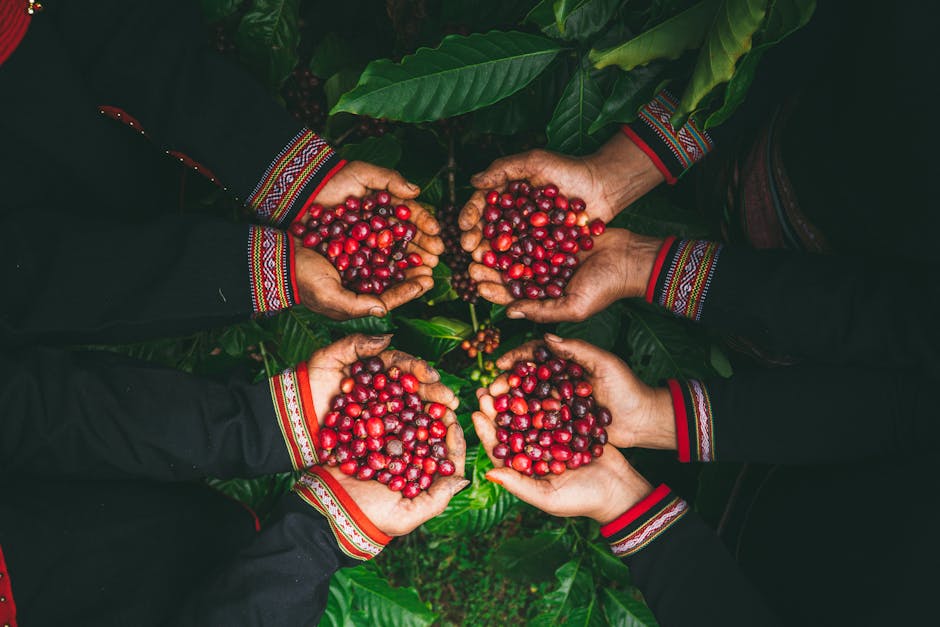
Coffee’s New Life: How Southeast Asia’s Coffee Boom Is Transforming Sustainable Skincare—and Why It Matters
Once, coffee was simply a morning ritual—a warming, energizing beverage that started days and fueled economies across Southeast Asia. But as the region surges up the value chain, coffee is quietly shedding its historic skin. Today, it is no longer just a drink. It is a catalyst, a beauty ingredient, and an emerging linchpin in the making of ethical, sustainable skincare. This seismic shift is attracting innovators and disruptors across sectors, forcing business leaders to rethink sourcing, branding, and even what it means to be “local” and “sustainable.”
In this exposé, we’ll unravel how the economics of coffee now shape the trajectory of Southeast Asia’s sustainable skincare sector—anchoring each insight in hard data, credible research, and real-world examples. The implications reach far beyond beauty shelves, touching hundreds of millions of smallholder farmers, urban consumers craving authenticity, and the evolving policy ambitions of an entire region. What emerges is a powerful narrative: sustainability is no longer a niche, but a competitive battleground—and coffee is at its center.
The Converging Value Chains: From Brew to Beauty
Emergence of Coffee as Cosmetic Input
In the laboratories, ateliers, and innovation hubs of Indonesia, Vietnam, and Thailand, a new trend is crystallizing: coffee is now a prized raw material in skincare. Its green and roasted oils are championed for antioxidant and anti-inflammatory potency; spent grounds are upcycled into exfoliants, masks, and soaps; and cascara (the coffee cherry) is extracted for its polyphenols, dazzling consumers as the next anti-aging or skin-brightening marvel.
This is more than cosmetic. It is economic: when coffee prices rise—whether through commodity shocks or as a result of sustainability premiums (Fairtrade, organic, traceable, shade-grown)—so too do all coffee-derived skincare ingredients. Brands that trumpet “locally sourced” and “clean beauty” find these price linkages tightening into a strategic concern. Genesis Ventures notes the Southeast Asian coffee market alone is projected to reach US$10.3 billion by 2029, growing at 3.92% annually. This expansion raises both promise and pressure for skincare brands drawing from the same resource.
Rising Margins, Shared Demographics
As regional coffee becomes a high-margin, urban product—not just a raw export—its stories of origin, ethics, and wellness directly mirror those that drive sustainable skincare. The affluent, urban consumer happy to pay a premium for single-origin coffee is, in essence, the same shopper seeking out natural, traceable, and socially conscious beauty products. The two value chains are no longer parallel; they are entwined.
Smallholders and Sustainability: The Double-Edged Sword
The Human Face of Coffee Beauty
More than 100 million smallholder farmers live in Southeast Asia, many reliant on coffee. Globally, coffee supports around 12.5 million farming families, over 80% of whom live in poverty (TraceXtech). These farmers face daunting constraints: limited access to finance, low yields, poor storage, dependence on middlemen, and patchy access to quality inputs. For skincare brands, these realities manifest as inconsistent raw material quality, supply interruptions (especially with climate stress), and weak traceability—directly complicating sustainability claims and product reliability.
Sustainability Certification: Opportunity and Challenge
Certification remains core to both specialty coffee and clean/ethical skincare. Indonesia, for example, boasts around 25 Fairtrade-certified coffee cooperatives; 98% also hold organic certifications (Eco-Business). These certifications open new markets and enable higher consumer prices, but come with significant costs, paperwork, and compliance challenges for smallholders—especially new groups.
The Economics of Certification
Certification delivers greater market access and the ability to command premiums, but smallholders often need help absorbing these upfront costs. For skincare brands, co-financed certification or longer-term contracts are not mere charity—they are rational hedges against price volatility and supply disruption. Strategic investment at the farm level stabilizes both cost and quality, securing the social proofs consumers now demand.
The Consumer Nexus: Coffee, Skincare, and the Willingness to Pay
Attitudinal Data from Thailand
Not all consumers are created equal. In Thailand—a microcosm for the region—recent research in SAGE Open finds that attitudes toward sustainable coffee significantly increase consumer willingness to pay. Higher household income, single status, and the behavior of self-brewing (with a focus on quality and ethics) all track with higher premiums for sustainable coffee. These insights cross directly into skincare: the urban, higher income, conscious consumer is primed for premium, sustainable beauty products.
Merge the Narrative, Merge the Market
The logic is simple and profound: the same population now driving the boom in specialty café culture is also fueling the rise of ethical skincare. Brands that can seamlessly transfer coffee’s storytelling—origin stories, farmer impact, clean processing—onto skincare packaging will find themselves at the vanguard of a lifestyle movement. For operators with access to platforms like GrowthHQ.io, data-driven segmentation makes it possible to precisely map and target these consumers, unlocking cross-merchandising and co-branded opportunities.
Café Culture: From Third Space to Skincare Gateway
Cafés as Cultural Conduits
Across Jakarta, Ho Chi Minh City, and Bangkok, the “third space” of the modern café has exploded in popularity. Yet, as Eco-Business points out, high café prices rarely trickle down to increased incomes for growers. Still, these same consumers are visibly willing to pay more for ethically sourced, specialty coffee and the lifestyle it projects. This suggests ripe potential: cafés can become retail and educational nodes for coffee-based skincare, completing a “farm-to-face” narrative loop for the same urban audience.
In practical terms, skincare brands can leverage café partnerships to launch experiential events, co-branded gift sets, and upcycling initiatives that reinforce ethical impact—turning every coffee purchase into an act of sustainable beauty.
Comparative Country Trends: Indonesia, Vietnam, Thailand
Indonesia: Certification as Strategic Differentiator
Indonesia stands out for its high density of Fairtrade and organic cooperatives—a boon for brands needing reliable, certified supply. Yet, local coffee remains expensive, with a Starbucks tall latte costing up to 30% of a local’s daily median income (vs. 2% in the US; Genesis Ventures). Skincare brands here can pursue two tracks: export-oriented premium products with strong sustainability credentials, and accessible, upcycled lines aimed at domestic markets. Public-private partnerships between brands, governments, and NGOs can further lower certification costs while securing multi-year supply.
Vietnam: Scale, Cost, and Traceability
As the world’s second-largest coffee producer, Vietnam offers enormous volume and cost advantages, making it ideal for mid-priced, sustainable product lines. However, less comprehensive certification and fragmented supply challenge traceability and reputation. The answer lies in digital solutions—blockchain and cloud-based traceability platforms can document each batch’s journey from farm to extractor, providing the transparency increasingly demanded by global consumers and regulators.
Thailand: Behavioral Insight and Local Origin
Thailand’s value lies in granular consumer research and rising specialty coffee in the highlands of Chiang Mai and Chiang Rai. Thai consumers exhibiting strong willingness to pay for sustainable coffee are also inclined toward traceable, health-driven skincare, particularly in urban centers. This enables precision marketing: local-origin skincare lines, articulated impact metrics (e.g., baht per bottle going to hill farmers), and close partnerships with pharmacies and specialty stores in cities like Bangkok.
Systemic Challenges: Volatility, Infrastructure, and Upcycling
Managing Price Volatility and Climate Risk
Southeast Asia’s coffee farmers face whiplash from price volatility, climate shocks, and legacy structural limits—diminishing landholdings, inadequate irrigation, and post-harvest infrastructure gaps. These shocks are transmitted upstream. For skincare producers, this means volatile input costs, complicated margin planning, and complex pricing decisions. Absorbing cost increases or passing them on both risk eroding market share or brand investment.
The Value Addition Deficit
Most farmers still sell unprocessed cherries or green beans—locking them out of higher-order value addition (coffee oil extraction, biocompound isolation) required by the cosmetics industry. Infrastructural investment is thus non-negotiable: brands and coalitions must co-create on-farm processing, decentralized extraction, and post-harvest management capabilities. The reward is threefold: cost savings, a more authentic “processed at origin” story, and measurable farm-level impact.
Upcycling: Turning Waste to Wealth
Across Southeast Asia’s bustling cities, millions of tonnes of spent coffee grounds flow from café to landfill each year. The new sustainable playbook flips this on its head. Brands are launching upcycling programs with partner cafés—collecting spent grounds, transforming them into exfoliants, and marketing them as “circular economy” products. This feeds urban consumers’ desire for visible impact and closes the sustainability loop in a way that is both measurable and marketable.
Innovative Strategies: Building a Future-Resilient Skincare Supply Chain
Coffee Ingredients as Strategic Raw Material
Treating coffee derivatives as core inputs—not mere afterthoughts—enables brands to proactively manage commodity price fluctuations and specialty premiums. Using platforms like GrowthHQ.io, decision makers should actively track spot and futures prices, adjusting contract lengths, hedging strategies, and costings in real time.
Multi-Tier Sourcing: Diversification for Stability
Forward-thinking brands are building portfolios across three tiers: 1) Certified, story-rich sources (Indonesia, Northern Thailand) for flagship lines; 2) Scale-efficient, partially certified or audited sources (Vietnam) for mid-prize ranges; and 3) Upcycled inputs (region-wide) for value-driven, circular products. This approach stabilizes both supply and price, while maximizing story and impact potential across consumer segments.
Upstream Co-Investment and Farmer Partnerships
The smartest brands are not just buyers—they are investors in their own supply base. Subsidizing certification, co-funding on-farm processing, and negotiating multi-year offtakes with built-in price bands provide stability for both farmers and brands. The payoff: reduced input price volatility, premium access to certified lots, and unique brand narratives rooted in real development.
Deploying Traceability and Data Integration
Blockchain-based traceability is shifting from buzzword to baseline. Brands integrating on-chain batch tracking with consumer analytics (via GrowthHQ.io, for example) can customize region-specific impact stories (“Sourced from a women-led cooperative in Aceh, Indonesia; 1% of revenue directly funds organic transition costs”), while using real data to price-test and tailor offerings. Transparency becomes a tool for competitive differentiation and regulatory risk mitigation.
Café Culture as Platform for Distribution and Advocacy
Cafés are not only channels for product sales, but also for sampling, storytelling, and spent grounds collection, making them ideal partners for “bean-to-beauty” campaigns and closed-loop upcycling programs. Highlighting concrete impact—waste diverted, incomes raised, land converted to organic—creates a tangible feedback loop for consumers, enhancing brand loyalty and driving repeat sales.
Comparative Perspectives: Old Versus New Views
Traditionalists’ Commodity View
For decades, the status quo in both coffee and ingredient sourcing saw commodities as fungible bulk inputs. Pricing was dictated by the global commodity market, and engagement with smallholders or local processors was minimal, transactional, and nonstrategic. “Sustainability” was a label, not an operational principle.
Next-Generation Approach: Value Chain as Story, Not Just Supply
The new paradigm is collaborative and data-driven. Brands are embedding themselves further upstream, co-financing certifications, investing in traceability, and using digital platforms to monitor both supply-side and demand-side trends in real time. The most forward-thinking companies see farmers as partners, not “suppliers.” They close the loop with urban consumers via transparent impact reporting and value the resilience and distinctiveness of their supply base as much as margin. In this model, the health of the ecosystem—environmental, social, and economic—is a source of competitive advantage, not cost.
True resilience and differentiation in sustainable skincare will come from brands that treat coffee not as a mere input, but as a strategic, story-rich foundation—integrating local farms, urban consumers, and circular practices into a transparent, data-driven value chain.
Policy and Ecosystem Levers: Scaling Impact and Innovation
Regional policymakers and investors have a crucial role to play. By promoting intra-regional coffee and ingredient trade, standardizing sustainability metrics across borders, and scaling grants or credit lines for on-farm processing and bioactive extraction, they can unlock value for both smallholders and regional brands.
Furthermore, harmonizing traceability frameworks and sustainability certifications will lower audit costs and enable seamless cross-border expansion for brands—ensuring that a bottle of Indonesian-origin coffee oil can flow into Thai skincare and be credibly marketed across ASEAN, without redundant bureaucracy.
Conclusion: The Future of Coffee-Driven Sustainability in Skincare
Make no mistake: the intersection of coffee economics and sustainable skincare sourcing is not a passing trend—it is a strategic inflection point for Southeast Asia’s beauty and agri-food industries. By 2029, with the coffee market in the region projected to exceed US$10 billion, the pressure to build equitable, transparent, and resilient supply chains will only intensify.
The most successful skincare brands will be those that confront supply volatility head-on by investing in farmer capabilities, co-financing certification, deploying next-generation traceability, and harnessing café culture as both a marketing and collection engine. They will view coffee through a new lens: not merely as an input, but as a platform for circular innovation, community impact, and cross-category consumer engagement.
For decision makers, the call is clear: treat coffee as a core strategic parameter, not an afterthought. The data shows that conscious, higher-income, urban consumers are willing to pay—if the story, the impact, and the quality are real and measurable. By embedding these principles, brands can unlock not only new markets, but a more inclusive and resilient future for thousands of smallholder families.
In the world of sustainable skincare, coffee is no longer just a commodity; it is the seed of transformation. The next chapter belongs to those who recognize this—and act accordingly.