
How Southeast Asias Hot, Humid Cities Like Bangkok, Manila, And Jakarta Are Shaping The Future Of Anti-Aging Skincare: Market Growth, Science, And Top Brand Strategies For 2024–2033
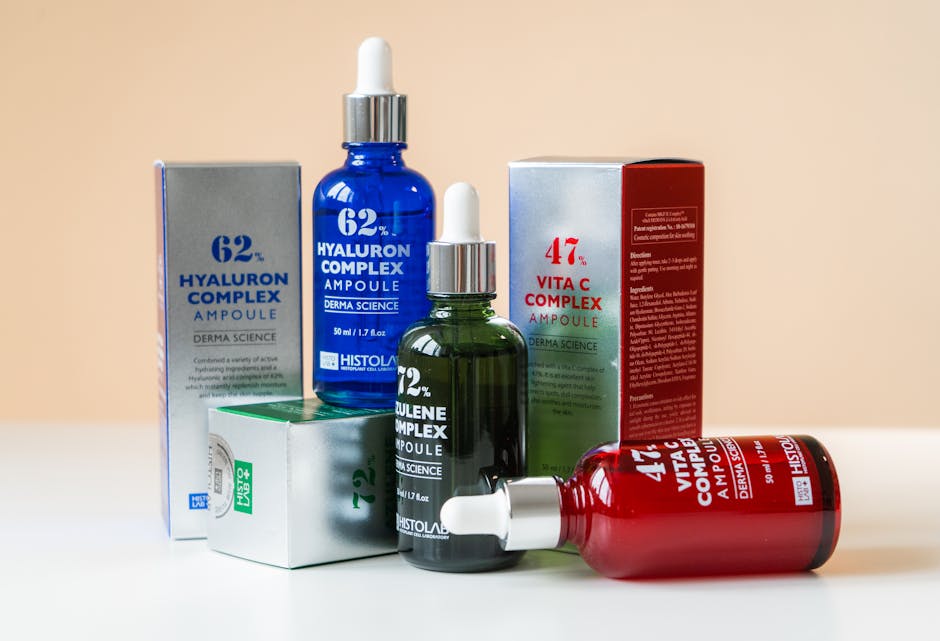
How Southeast Asia’s Climate is Redefining the Science and Business of Anti-Aging Skincare
In the bustling streets of Jakarta, Bangkok, and Manila, the signs of modern life—towering buildings, crowded markets, and the omnipresent haze—paint a vivid backdrop for another, less visible phenomenon: accelerated skin aging. As Southeast Asia (SEA) surges ahead in population, urbanization, and economic power, a unique confluence of high humidity, intense ultraviolet radiation, and pollution is reshaping both the needs and the solutions driving the anti-aging skincare industry. The region’s tropical climate isn’t just a setting—it’s a scientific challenge and a market opportunity, fueling innovative product development and defining new standards for beauty and health. By 2033, SEA’s skincare market is projected to soar at a CAGR of 7.03%, with facial care commanding nearly half of C-beauty’s value. Beneath these numbers lies a deeper story of adaptation, strategy, and transformation that global brands and local champions alike are racing to address.
Climate-Driven Skin Aging: The Science Behind Southeast Asia’s Skincare Revolution
Extreme Humidity and UV Exposure: Southeast Asia’s year-round heat (25–35°C), humidity (often above 80%), and UV index surges (>10) form a crucible for the skin, amplifying the oxidative stress that ages cells faster than virtually anywhere else on Earth. Residents of urban centers such as Bangkok and Jakarta display the signs—wrinkles and loss of elasticity—sometimes as early as their 20s. This phenomenon is no accident: studies confirm that tropical UV exposure accelerates matrix metalloproteinases (MMPs), reducing collagen by up to 80% faster than in temperate climes.
Pollution’s Hidden Impact: SEA’s swelling cities face PM2.5 levels exceeding 50 μg/m³, per regional insights, generating reactive oxygen species (ROS) that attack cell membranes and speed telomere shortening. This drives visible aging, uneven tone, and barrier disruption—challenges compounded during monsoon season when moisture and pollutant levels spike together.
High Humidity, Barrier Disruption, and Acne: While humidity prevents some dryness, it also weakens the stratum corneum, raising transepidermal water loss (TEWL) by 20–30% and aggravating oiliness and clogged pores. Glycation—sugar-induced stiffening of collagen—flourishes, leaving urban skin prone to dark spots and premature dullness.
Market Momentum: SEA’s Anti-Aging Skincare Boom in Numbers
A Region on the Rise: Anti-aging skincare in Southeast Asia is not merely catching up—it is outpacing global averages. The SEA skincare market, including the anti-aging segment, is barreling ahead at 7.03% CAGR from 2026–2033. E-commerce, powered by Instagram and YouTube, propels sales and awareness, especially among Gen Z consumers who dominate social platforms.
Country Leadership and Differentiated Growth: Thailand leads with an impressive 11.2% CAGR (2025–2035), driven by minimalist facial care and skin-whitening serums. Malaysia (10.8%) and Indonesia (10.1%) follow close behind, each with distinct drivers—halal-compliant lines, affordable kits, and KOL (key opinion leader) endorsements. Vietnam’s 9.5% CAGR leans on herbal cleansers and acne solutions, while Singapore’s market benefits from medical tourism and premium HA serums targeting urban middle-income segments.
Volume and Value: ASEAN anti-aging volumes are forecast to grow fastest for serums, reflecting deeper product penetration and consumer sophistication. South Korea’s USD 108.2 per capita skincare spend by 2026 sets a regional benchmark, influencing SEA’s preference for lightweight, potent formulas.
Innovative Product Science: Formulation Tactics for the Tropics
Serum Dominance—Why Concentrated Actives Win: In high humidity, serums outperform heavier creams, ensuring higher absorption and efficacy. Lightweight, water-based serums (pH 5–6) deliver multi-functional actives directly to the skin, accelerating results in climates where heavy emulsions falter.
Breakthrough Ingredients for SEA Skin:
- Hyperpigmentation Defense: Niacinamide (5%) plus Tranexamic Acid can reduce melanin production by 40% in eight weeks. Such serums, designed for lightweight application, counteract Bangkok’s relentless sun and pollution.
- Wrinkle Prevention: Encapsulated retinol (0.1–0.3%) is recommended for night use, building tolerance in sensitive, oily environments like Jakarta. Bakuchiol, a plant-based alternative, offers anti-aging benefits without irritation.
- Hydration and TEWL: Multi-molecular weight hyaluronic acid (HA) serums, often paired with centella asiatica, deliver deep hydration while preventing tackiness—critical in 90% humidity.
- Antioxidant Shield: Vitamin C (15%) and ferulic acid (0.5%) target oxidative stress from Manila’s smog, neutralizing up to 90% ROS.
- Barrier Repair: Ceramide complexes, complemented by cholesterol, restore lipid balance disrupted by monsoon conditions.
Comparative Perspectives: Local Adaptation vs. Imported Solutions
Local Champions and C-Beauty Hybrids: As global brands like L’Oréal, Shiseido, and P&G maintain dominance, a new breed of regional innovators is rising—Mistine in Thailand, Herborist in Malaysia, Pechoin and Biohyalux in Indonesia and Singapore. These brands blend affordability, halal compliance, and customized active ingredients to meet tropical demands. C-beauty (Chinese-origin brands) in particular accelerates, boasting a 14.1% SEA-wide CAGR, outpacing even local ASEAN averages.
Imported Prestige vs. Local Relevance: While luxury imports offer technological advances and marketing clout, local players emphasize scientific adaptation and price sensitivity—60–70% of consumers cap skincare purchases at USD 10 per item. Practical benefits, such as oil-free finishes for humid climates and serum-only regimens for rapid absorption, drive ongoing loyalty among SEA’s urban dwellers.
Halal and Minimalism: Malaysia and Indonesia see premium growth in halal-certified and minimalist science-based kits, balancing tradition and innovation. Meanwhile, e-commerce and KOL influence ensure that affordable, fast-turnover products remain relevant for younger consumers.
Business Strategy and Forward-Thinking Innovation
Digital Transformation and Gen Z Focus: SEA’s anti-aging segment thrives on digital engagement—Instagram, TikTok, and YouTube drive brand discovery, education, and sales. Gen Z, who account for two-thirds of low-spend purchases (
Halal/Science Localization: The intersection of halal certification and science-led formulation, especially in Malaysia and Indonesia, offsets competition from C-beauty’s affordable lines. Brands that successfully blend these priorities see double-digit CAGR growth.
Serum Innovation: The “Korea model” (USD 108/capita spend on advanced serums) offers a template for SEA, encouraging R&D in lightweight, climate-adaptive actives.
Risks and Blind Spots: Awareness gaps persist in rural communities, limiting market penetration and efficacy improvements. The challenge is not only scientific—education, distribution, and cultural adaptation remain essential.
The future of anti-aging skincare in Southeast Asia will belong to brands that master the science of climate adaptation, digital engagement, and price-sensitive innovation—creating solutions as dynamic as the region itself.
Real-World Implications: Consumers, Brands, and the Urban Age
Urbanization and Aging Demographics: SEA’s population over 60 is projected to reach 12% by 2030, amplifying demand for advanced anti-aging solutions. Rising incomes, coupled with urban lifestyles, mean consumers are both more aware and more willing to invest in skincare.
Professionalization and Medical Tourism: Singapore stands out for its high-end segment and medical tourism, where minimally invasive treatments and premium HA serums are routine. Such trends ripple across the region, elevating expectations for quality and results.
Innovation Cycle: Competitive pressure from rapid C-beauty growth (affordable serums and creams under USD 10) and local science-led brands is accelerating product cycles. Research and development, once a luxury, is now a necessity for survival and relevance.
Key Brand Recommendations: Who’s Winning the SEA Skincare Race?
Thailand: Mistine (local botanical anti-aging kits, whitening serums), Skintific (science-led HA serums). Oil-free routines thrive in Bangkok’s humidity.
Malaysia: Herborist (oil-control whitening, halal, affordable), SACELADY (Muslim-tailored kits), Wardah (local botanicals rival C-beauty imports).
Indonesia: Pechoin (affordable creams, hydration-first for tropical acne), Biohyalux (premium HA serums), O.TWO.O/Focallure (USD 2–6, Gen Z favorites), ESQA/Wardah (botanical science).
Vietnam: Y.O.U (acne and herbal cleansers, focused makeup removers for humidity-challenged routines).
Singapore: Biohyalux (premium HA serums), tied to medical tourism and minimally invasive skincare.
Strategic Leaders: Proya and Kans (China), alongside global giants, leverage e-commerce and price leadership to crack regional markets. The only constant is innovation—firms that marry scientific rigor with local wisdom and affordability will dominate.
Comparative Discussion: New Perspectives for Emerging Audiences
From Functionality to Lifestyle: Unlike temperate regions where anti-aging is about luxury and status, in SEA it is fundamentally about adaptation to environmental stressors. Younger consumers approach skincare as daily necessity—not indulgence—making efficacy and simplicity the north star.
Data versus Experience: Newcomers may view anti-aging through the lens of influencer culture and global trends, but local consumers and brands remain grounded in the realities of climate and affordability. The path forward combines both—advanced science wrapped in relatable, climate-attuned messaging.
Global vs. Local Innovation: SEA consumers increasingly trust local laboratory-backed products, especially as these outpace imported alternatives in solving humidity and pollution-driven challenges. The story here is one of regional empowerment, not just global diffusion.
Conclusion: Strategic Reflections and the Road Ahead
The evolution of anti-aging skincare in Southeast Asia is a case study in adaptation, innovation, and market dynamism. Driven by a climate that tests the limits of skin health, and empowered by a digitally native, price-sensitive consumer base, the region’s beauty market is charting its own course. Lightweight serums, multi-functional actives, and climate-attuned formulas are the new mainstream, while e-commerce and influencer culture ensure continuous demand and brand growth.
Critically, the next decade will be shaped by those who embrace scientific rigor, local adaptation, and digital-first engagement. C-beauty’s rapid rise signals the importance of affordable innovation, but local champions—armed with halal-compliant, science-backed, and culturally resonant products—are uniquely positioned for long-term relevance. For executives, researchers, and entrepreneurs, the imperative is clear: prioritize science-led, climate-resilient solutions, and invest in meaningful digital connections.
Southeast Asia is not a follower, but a leader, in the global anti-aging skincare revolution. The region’s unique environmental pressures have forged a new paradigm—one that rewards agility, authenticity, and audacity. Brands that heed the call will not just capture market share—they will define the future of beauty for a billion people and inspire the world.