
How Southeast Asias Humid Climate Shapes Skin: Critical Insights And Strategies For Skincare & Dermatology In Singapore, Indonesia, Malaysia, Thailand, Vietnam, And The Philippines
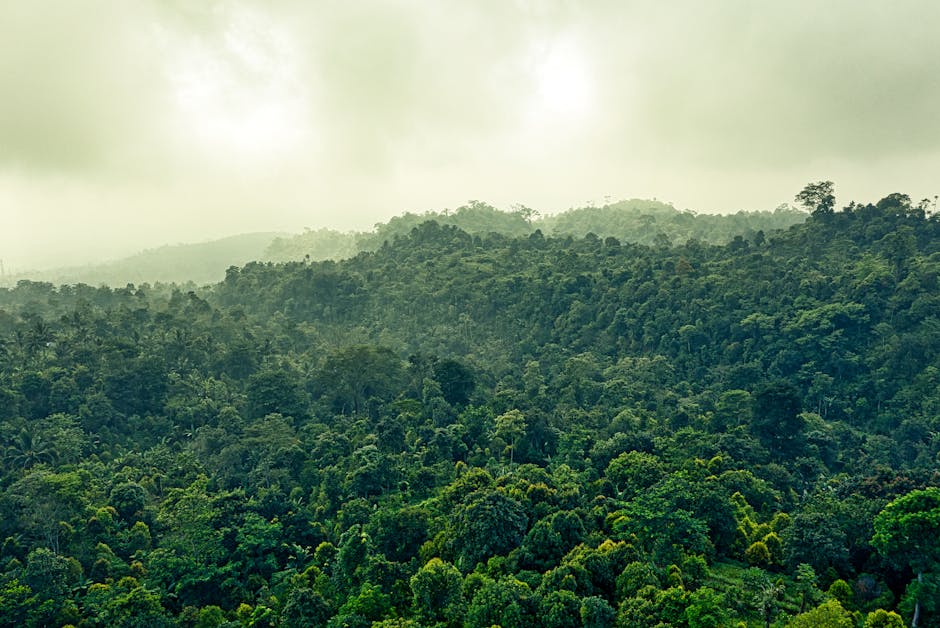
Southeast Asia’s Hidden Climate Driver: How Humidity Is Redefining Skin Health, Consumer Behavior, and Innovation
For decades, the sweltering humidity of Southeast Asia was dismissed as mere atmospheric backdrop—a perpetual irritant for locals, a curious inconvenience for visitors. Yet in today’s consumer and healthcare landscape, this “background” is now a powerful, quantifiable force shaping not only how skin ages, but how products are formulated, marketed, and used. The region’s relentless high humidity—often paired with soaring temperatures and dense urban pollution—has propelled a seismic shift: humidity is no longer a weather complaint, but a core design variable and competitive necessity for brands, clinicians, and decision makers across Singapore, Indonesia, Malaysia, Thailand, Vietnam, and the Philippines.
This exposé unpacks how Southeast Asia’s climate is re-writing the rules of skin biology, product innovation, and market strategy—drawing on emerging research, clinical insights, and real-world case studies. As the evidence mounts, leaders are faced with a critical question: will you adapt to humidity’s transformative power, or be left behind as its effects accelerate?
Decoding Humidity: From Background Noise to Structural Force
The Humidity Landscape:
Southeast Asia is home to some of the most consistently humid environments on earth. Singapore, for example, sits at over 80% relative humidity year-round, with temperatures hovering at a steamy 31–32°C. Major metro areas across Indonesia, Malaysia, Thailand, Vietnam, and the Philippines routinely sustain daytime humidity levels above 70–90%, especially during monsoon periods. This is not an occasional variable—it’s a perpetual climate condition affecting millions.
Climate × Urbanization Synergy:
The climate impact in Southeast Asia is not just about humidity—it’s about its interaction with temperature, urban pollution, genetics, and lifestyle. Dense cities such as Jakarta, Manila, Bangkok, Ho Chi Minh City, and Kuala Lumpur combine high humidity and high UV index exposure with significant pollution, generating a unique “climate-pollution” skin signature that diverges sharply from traditional temperate-market models. The result? Oiliness, inflammation, barrier vulnerability, pigmentation, and visible aging—all uniquely patterned by these environmental variables.
How Humidity Biologically Shapes Skin—And Why the Industry Must Respond
Barrier Function: Protective, But Still Vulnerable
Peer-reviewed dermatological data now confirm that high ambient humidity can lower transepidermal water loss (TEWL), reinforcing the skin barrier and reducing dehydration-driven wrinkling. This suggests a slower onset of certain dryness-related aging features in tropical climates. Yet, this protection is partial: humidity alters skin pH and the microbiome, making the barrier more susceptible to inflammation and infection despite greater surface hydration. In conditions like eczema, humidity can worsen barrier dysfunction by prolonging sweat contact and facilitating irritant penetration. Brands must pivot from heavy occlusive moisturizers to barrier-supportive, microbiome-aware formulations.
Sebum Production and Acne: Humidity’s Core Signal
Humidity consistently drives increased sebum production, leading to oily, greasy skin and rising acne risk. Clinical data from Singapore reports that sweating, combined with increased sebum output, aggravates pore congestion and acne severity. The interaction—sweat plus sebum, pH shifts, and altered microbiome—creates a microenvironment ripe for inflammatory acne. Repeated transitions between air-conditioned LTLH (low temperature, low humidity) indoors and HTHH (high temperature, high humidity) outdoors compound this stress, accelerating oiliness and elasticity loss.
Sweat, Microbiome, and Infection
High humidity slows sweat evaporation, leaving sweat on the skin longer. Sweat mixes with sebum and pollutants, forming a film that traps bacteria and irritants. Dermatology clinics in Singapore and Thailand report frequent sweat-related infections—cellulitis, impetigo, fungal conditions—and emphasize sweat as a major trigger for eczema flares. Solutions must prioritize fast-drying, sweat-compatible textures and antimicrobial, microbiome-balancing actives.
Inflammation and Sensitive Skin
Rising temperature and humidity correlate with increased skin barrier dysfunction, manifesting as sensitivity, itching, and redness. For eczema, the odds of poor control rise by 10% for every 10% increase in humidity. In Singapore’s environment, this translates to a substantial baseline risk elevation over more temperate climates. High humidity paradoxically can increase net moisture loss for compromised skin, as slow sweat evaporation intensifies barrier disruption.
Pigmentation, Pollution, and Aging
Humidity itself may not directly drive hyperpigmentation, but its synergy with high UV, temperature, and pollution exacerbates pigment disorders. The sebum-sweat film retains pollutants longer, increasing oxidative stress, pigment spots, sallowness, and textural roughness. Anti-aging narratives must shift from “wrinkle-centric” to elasticity, pigment, and inflammation-centric stories rooted in humidity-enabled pollution exposure.
Comparative Perspectives: Temperate vs Tropical Skin Aging—A New Paradigm
Eurocentric Models Fall Short:
Historical dermatological research largely focused on temperate, low-humidity climates and lighter skin types (Fitzpatrick I–III). In these environments, dryness and wrinkling dominate the aging narrative. However, tropical populations show distinct aging trajectories where pigment, elasticity, and inflammation outweigh dryness as visible markers.
The Southeast Asian Skin Signature:
Pigment disorders, loss of elasticity, oily congestion, and chronic redness are the dominant complaints in Southeast Asia. The region’s baseline humidity buffers some dehydration-induced wrinkling, but repeated temperature and humidity cycling (common in air-conditioned cities) rapidly reduces elasticity and promotes structural aging. The industry must reframe product segmentation and marketing from skin type alone to skin type × climate condition, targeting climate-informed routines.
Market Nuances Across Southeast Asia: Adapting Strategies for Local Success
Singapore: The “Living Lab” of Humid Innovation
Singapore’s perpetual summer climate (>80% RH, 31–32°C year-round) and high air-conditioning usage create frequent HTHH ↔ LTLH cycles, intensifying climate-driven skin stress. Consumers are savvy, price tolerant, and receptive to clinical claims. Increased sweat-related dermatitis, fungal infections, and high eczema prevalence require premium, climate-adaptive solutions. Singapore is the ideal testbed for climate-adaptive formulations and digital skin tracking—regulatory robustness and influential clinician partnerships further reinforce its position.
Indonesia & Philippines: Youthful, Urban, Pollution-Exposed
Highly humid climates (>75–85% RH), pronounced rainy seasons, and intense UV exposure define these markets. Urban centers—Jakarta, Manila—combine humidity with significant pollution, magnifying oxidative stress and pigment issues. Oily, acne-prone skin is a dominant concern among the youthful population. Affordable, climate-specific oily/acne lines (with sebum control, pollution-shielding, and light textures) are critical; pigment and acne mark management is a strong value driver.
Thailand, Vietnam, Malaysia: Sticky, Clogged, Pigment-Driven
Hot, humid, and monsoonal climates abound in Bangkok, Ho Chi Minh City, Hanoi, and Kuala Lumpur. Consumers complain of “sticky,” “heavy,” “clogging” feels from conventional creams and sunscreens. Pigment disorders drive clinic visits and OTC purchases. Regionally harmonized but locally tuned climate-adaptive lines—with core humid-climate technology and country-specific fragrance or price—have strong potential, as do clinic-retail ecosystems validated by dermatology clinics.
Age-Specific Effects: Rewriting the Skin Lifecycle in Humid Climates
Younger Adults (20s): Oily Baseline and Early Pigment Issues
With a robust barrier and rapid repair capacity, younger adults in Southeast Asia often present with persistent oiliness, comedonal and inflammatory acne, and early pigment issues from acne and sun. Effective sebum management, lightweight non-occlusive products, and pollution-removal routines are essential.
Early and Mid-Adulthood (30s): Elasticity Loss Accelerates
Recent climate studies show participants in their 30s experience significantly greater reductions in elasticity than those in their 20s after repeated HTHH/LTLH cycles. Oiliness persists, combined with early loss of firmness, fine lines, and pigment roughness. Oil-compatible anti-aging routines and products addressing temperature/humidity transitions are key.
Older Adults (40s+): Cumulative Structural Changes
Aging skin reflects cumulative exposure to heat, pollution, and metabolic changes: uneven pigmentation, roughness, loss of elasticity, and late-onset acne or seborrheic dermatitis. Barrier-supportive formulations, rich in actives but lightweight, and targeted management for pigment, redness, and firmness are critical.
Emerging Strategic Shifts: Data-Driven Climate-Adaptive Innovation
Climate-Adaptive Formulation Platforms
The industry is moving from “skin type” segmentation to “skin type × climate condition.” Southeast Asia’s conditions demand:
- Oil and sebum management with modulators like niacinamide, green tea, sebum-binding powders in lightweight vehicles.
- Sweat-compatible, non-occlusive moisturizers—humectant + light emollient systems over heavy occlusives.
- Microbiome and infection-aware actives (mild antimicrobials, biofilm disruptors) for acne and eczema.
- Pollution and particulate defense—a blend of film formers, anti-adhesion polymers, antioxidants, and proven cleansing systems.
- Elasticity support—peptides, retinoid alternatives, firming agents, claims framed around resilience to climate stress and elasticity maintenance.
Adaptive Routine Building for Humid Southeast Asia
Brands are embedding climate-specific logic into diagnostic tools, education, and modular kits. The recommended routine includes gentle morning cleansing, lightweight antioxidant and pigment control, non-whitening sweat-resistant sunscreen, oil blotting, post-exercise cleansing, targeted evening treatments, and barrier-supportive night hydration. Bundles dynamically adjust to local conditions via environmental data feeds.
Climate-Informed Segmentation
Traditional dry-normal-oily-combination labels are replaced by actionable climate + condition segments:
- Oily–acneic in HTHH
- Sensitive/eczema-prone in HTHH
- Pollution-exposed office workers in HTHH/LTLH cycles
- Active/outdoor workers in extreme HTHH
- Aging + pigment-prone in HTHH + high UV
Real-World Implications: From R&D to Public Health
R&D and Product Strategy: New Protocols and Partnerships
Leading companies are standardizing testing conditions at 30–35°C, 70–85% RH to reflect real-world environments. Outcomes measured include sebum production, stickiness, TEWL, and elasticity changes over repeated HTHH/LTLH cycles, mirroring protocols used in clinical studies. Dermatologist co-development is prioritized in hubs like Singapore, Bangkok, Jakarta, and Manila, refining tolerability and realistic routines for humid environments. Packaging and formula stability at high temperature and humidity is non-negotiable.
Marketing and Education: The Climate Resilience Narrative
Marketing is shifting from simplistic “sun is the enemy” messaging to climate resilience—positioning brands as climate-aware partners. Environmental data integration (RH, temperature, UV, AQI) triggers dynamic recommendations and promotions. Sweat and microbiome management are central, with bundles including gentle cleansers and sweat-friendly clothing. Aging narratives focus on pigment and elasticity, not just wrinkles, connecting visible manifestations to humidity-amplified pollution and climate cycling.
Policy, Public Health, and CSR: Beyond the Clinic
Brands are partnering with NGOs and authorities to support occupational skin health, targeting outdoor and transport workers exposed to HTHH + pollution. Eczema and acne awareness campaigns leverage the documented humidity-risk link, co-developing guidelines for sweat management and humidity-safe cleansing. Industry advocacy for climate-smart urban planning is growing, recognizing how rising heat and humidity with climate change will transform skin health.
Comparative Analysis: “Sun Damage” vs “Climate-Pollution-Aging”—Why Southeast Asia Requires a New Lens
Temperate Climate Myths:
In the West and other temperate regions, aging narratives center on sun exposure and dryness. Products are often heavy, occlusive, and designed to combat dehydration and wrinkling. These assumptions do not translate to Southeast Asian contexts, where humidity, sweating, pollution, and microbial overgrowth are the dominant stressors.
Tropical Reality Check:
In Southeast Asia, aging means loss of elasticity, pigment shifts, chronic redness, and oiliness—often occurring earlier due to repeated climate cycling. Heavy creams and wrinkle-focused regimes can worsen congestion, discomfort, and barrier instability. The new lens emphasizes resilience against humidity, sweat, pollution, and temperature transitions, with scientific validation under local climate conditions.
Looking Forward: Key Principles for Adaptive Innovation
“Treating humidity as a core design variable—not a background condition—is now a competitive necessity. The skin, product, and consumer routines of Southeast Asia are deeply shaped by climate, and ignoring this structural force yields misaligned solutions that fail at the moment of real-world use.”
Conclusion: Humidity’s Unstoppable Rise—A Strategic Imperative for Leaders
It is no longer tenable for business leaders, formulators, or clinicians serving Southeast Asia to treat humidity as an afterthought. The evidence is clear: humidity reduces dehydration-driven wrinkles, but dramatically increases sebum, sweat retention, infection risk, pigment disorders, and structural aging. Every 10% rise in humidity raises the odds of poorly controlled eczema by 10%—a stark reminder that climate segmentation must drive both product innovation and public health.
The tactical pivot is equally urgent. Solutions must be lightweight, sweat-compatible, sebum-aware, and pollution-defensive; segmentation must be climate-informed. Singapore and other metros are “living labs” for humidity-driven innovation, with sophisticated consumers demanding evidence-backed claims. Leaders who embrace this paradigm—embedding climate-adaptive R&D, modular routines, real-world validation, and strategic partnerships—will shape the future of skin health and consumer loyalty across one of the world’s most dynamic regions.
Humidity is transforming Southeast Asia’s skin landscape. Those who recognize its power—and act boldly—will not only drive business success, but redefine the standards of health, beauty, and technology for a new climate era.
Sources: Growth HQ, Cutis Laser Clinics, Dr Rachel Ho, PubMed, ClimaHealth, Serich Singapore, Moringa Project Thailand.