
How Southeast Asias Urban Air Pollution Is Transforming Skincare: Critical Insights For Brands In Jakarta, Manila, Bangkok, Hanoi, Ho Chi Minh City, Kuala Lumpur & Singapore
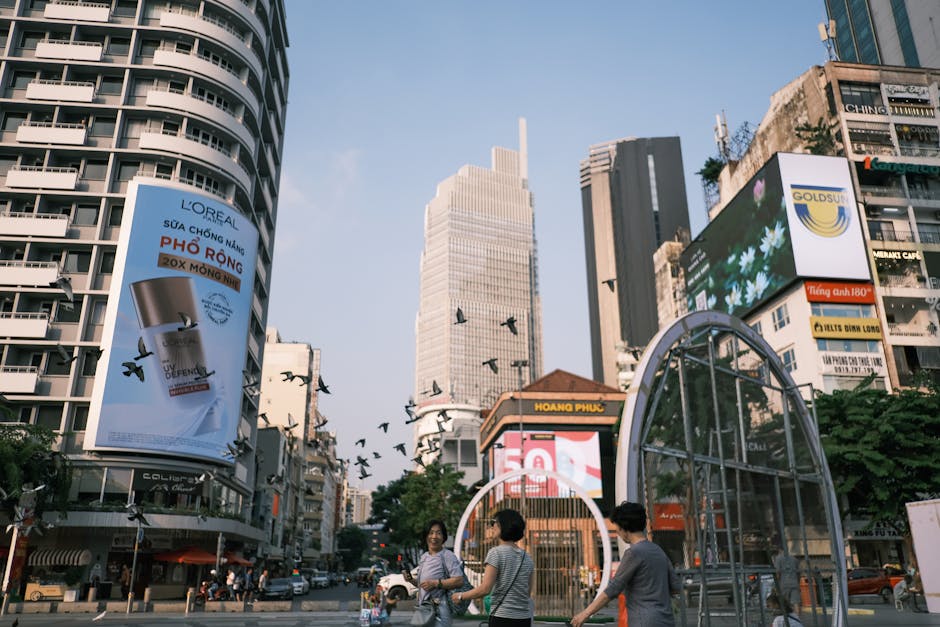
The Invisible Siege: How Southeast Asia’s Urban Air Pollution is Rewriting the Rules of Skin Care
Southeast Asia’s bustling metropolises have long been celebrated for their vibrant street life, economic dynamism, and the energetic pulse of their youth-heavy populations. But beneath the gloss of modernity, a silent adversary looms large, shaping not only public health but the very biology of the region’s most visible organ—our skin. For decades, the battle against pollution has been waged with an eye towards lung health and chronic disease. Now, as nearly every urban resident in Jakarta, Manila, Bangkok, Ho Chi Minh City, Hanoi, Kuala Lumpur, and Singapore breathes air consistently worse than World Health Organization guidelines, the skincare market is undergoing a seismic shift—away from cosmetic indulgence toward adaptive, evidence-based health defense. The question is no longer if pollution is harming skin, but how deeply, and what science-powered solutions can offer hope for both consumers and businesses seeking resilience in an era of chronic exposure.
From Transient Threat to Permanent Reality: The Epidemiological Wake-Up Call
Pervasive Exposure, Rising Costs: In the past, pollution spikes were considered episodic crises. Today, air pollution is a “structural baseline” for Southeast Asia’s cities. According to World Resources Institute analysis of WHO data, 99% of Southeast Asians live in areas exceeding safe air quality standards. Thirty-seven of the 40 most polluted cities worldwide are in this region, and in 2021, 630,000 deaths were attributed to air pollution. Ozone-related deaths have soared by 65% in just a decade. These numbers are not an anomaly—they represent a generational health burden, with air pollution now the inescapable backdrop of daily life.
Pollution’s New Front Line: The Skin
While the respiratory and cardiovascular dangers of PM2.5, ozone, and nitrogen oxides are well-documented, dermatologists are sounding alarms regarding the direct impact on skin integrity and appearance. The scientific literature and regional reviews, like those from Jakarta, reveal a sobering consensus: Nanoparticle pollution penetrates deeply via hair follicles and the skin surface, unleashing oxidative stress, barrier disruption, inflammation, and heightened pigmentation—even accelerating conditions such as melasma and premature wrinkles, already prevalent across diverse Southeast Asian skin phototypes (source).
The Biological Mechanisms: How Pollution Alters Urban Skin
Nanoparticle Penetration and Mitochondrial Damage: Tiny particles, especially those less than 0.1 μm, have the alarming ability to bypass the skin’s outer defenses and localize in cellular structures like mitochondria. This process generates an internal storm of reactive oxygen species (ROS), with knock-on effects on collagen, elasticity, and pigmentation.
Barrier Breakdown and Sensitization: Repeated exposure leads to structural alterations of the stratum corneum—making it less able to retain moisture (increasing TEWL, or transepidermal water loss) and more susceptible to irritants and microbes. This is the root cause of the growing population reporting skin sensitivity, redness, eczema flares, and even acne in cities with suffocating PM2.5 levels.
Inflammation and Pigment Storm: ROS and pollutants trigger the release of matrix metalloproteinases and activate melanogenic pathways, resulting in accelerated aging and uneven tone. In darker phototypes (common across Indonesia, the Philippines, Vietnam and Thailand), this translates into relentless battles with melasma and post-inflammatory hyperpigmentation (source).
Chronic Disease Exacerbation: The mounting evidence links pollution exposure to not only aging and pigmentary change but increased flares of atopic dermatitis, psoriasis, acne, and even skin cancer. These effects are not hypothetical—they are being documented in real Southeast Asian cohorts, as captured by epidemiological reviews and clinical observations.
Country Snapshots: A Region-Wide, City-Specific Challenge
Indonesia (Jakarta): Jakarta, as one of the world’s pollution epicenters, faces compounding stressors from traffic, coal, industry, and peat fires. The city’s air is a cauldron of PM, ozone, and PAHs, with the Indonesian population bearing a heavy share of the region’s mortality burden. Dermatologists report PM as an “emerging cause of extrinsic aging,” while consumers experience a visible uptick in dullness, dark spots, and sensitivity. UV exposure synergizes with pollution damage, making robust daily UV and pollution defense non-negotiable.
Philippines (Metro Manila): Chronic daily exposure to high PM, nitrogen oxides, and ozone are worsened by humidity and traffic congestion. With high melasma/PIH tendency among skin phototypes III–V, the Filipino urban population is particularly vulnerable to pigment disorders and photodamage. Anti-pollution cleansers, pigment-fighting serums, and multipurpose makeup marketed as “shields” are rising fast.
Thailand (Bangkok): Perennial PM2.5 issues stem from traffic, construction, and burning. Bangkok’s beauty consumers are sophisticated, seeking “PM2.5 defense” products with credible mechanisms, preferring light yet barrier-supporting textures, and increasingly aware of the need for combined pollution and blue-light protection.
Vietnam (Hanoi & Ho Chi Minh City): Both cities deal with regular PM2.5 exceedances, compounded by transboundary pollution. Rising urbanization and youth demographics mean increases in acne, sensitivity, and early aging. Multifunctional daily skincare, with clear science messaging in Vietnamese, are key to market traction.
Malaysia & Singapore: Episodic haze from regional fires overlays typical urban pollution. Sudden spikes lead to irritation, eczema, and skin reactivity—spurring demand for “haze day” routines, fragrance-free, sensitive-skin formulas, and adaptive regimens that change with air quality alerts.
Emerging Patterns: The Tactical Reprioritization of Urban Skin Care
Barrier Repair As the First Line of Defense: The literature emphasizes that restoring and maintaining the skin barrier takes center stage. Products grounded in ceramides, cholesterol, and gentle, sulfate-free cleansers are now baseline—not luxury—in urban Southeast Asian routines (source).
Antioxidant Capacity As Daily Nutrient: Given the constant ROS generation, dermatologists recommend daily topical antioxidants (vitamin C, E, niacinamide, resveratrol) as essential “nutrients” for skin. Their inclusion is shifting from marketing to medical necessity.
Photoprotection and “Photopollution” Narratives: Sunscreen, once considered optional, is now an indispensable component of daily defense. The synergy between UV and pollution means that broad-spectrum SPF—ideally adapted to humid climates and darker phototypes—is now a requirement. “Photopollution” positioning is resonating with consumers who experience visible skin change after polluted, sunny days.
Pigment and Tone Management as Core Value Propositions: The rise in pollution-induced pigmentation, especially among darker phototypes, means that brightening and anti-spot claims are central for Southeast Asian consumers. Crucially, these formulations must be gentle enough for barrier-impaired, sensitive skin.
Chronic Inflammatory Dermatoses: From Clinic to Consumer Care: Products addressing “urban sensitive skin,” “pollution acne,” and atopic-prone populations are leaving clinic shelves for mass-market aisles—an evolution driven by overwhelming consumer demand.
Innovation in Formulation: Building True Pollution-Adaptive Skincare
Core Formulation Pillars: According to recent clinical and mechanistic studies, a truly pollution-adaptive product must deliver:
• Low-damage particle removal (gentle, sulfate-free cleansing, micellar or microemulsion technology);
• Barrier reinforcement (ceramides, cholesterol, free fatty acids, humectants in light, tropical-adapted systems);
• Multi-antioxidant defense (broad ROS coverage, stable formulations);
• Film-forming shield technologies (light silicone-based polymers that repel particulates without occlusion);
• Broad-spectrum, sweat-resistant photoprotection (UVA, UVB, ideally IR; non-whitening);
• Active repair and anti-aging mechanisms (retinoids, DNA-repair enzymes, hyaluronic acid, for overnight regeneration).
Testing that Matters: The gold standard is real, pollution-relevant evidence: in-vitro or ex-vivo tests using real-world pollutants; clinical studies on urban dwellers with objective endpoints (TEWL, pigmentation, dullness, etc.); and quantifiable tests for PM adhesion. Beware any “anti-pollution” claim relying solely on subjective user surveys or vague “detox” promises.
Climate Fit and Modularity: Southeast Asian consumers demand non-sticky, rapidly absorbed formulations that work in extreme heat and humidity, and which remain cosmetically elegant on phototypes III–V. Formulations should be modular, allowing for rapid integration of emerging actives and compliance with shifting regulations.
Comparative Perspectives: Southeast Asia vs. Other Global Markets
Distinctive Epidemiology and Demographics: Unlike many Western or even East Asian markets, Southeast Asia’s pollution exposure is year-round and severe, with unique patterns of melanin-rich phototypes, high humidity, and a younger average population. While consumers in Europe or North America may seek “urban defense” as a lifestyle choice, in Southeast Asia, it is a necessity—a fact backed by the State of Global Air’s mortality and exposure statistics.
Routine and Cultural Nuance over Hero Products: In contrast to markets driven by single “star” serums or creams, Southeast Asian dermatologists and public health experts promote a systemic routine approach—gentle cleansing, barrier reinforcement, antioxidants, sunscreen, and evening repair, all tailored to individual skin types and local climates. Consumers are also highly engaged in makeup as part of pollution defense, a practice less emphasized in regions with lighter phototypes but increasingly recommended by NIH and other health authorities.
Scientific and Regulatory Scrutiny: Southeast Asian regulators and sophisticated consumer segments are demanding objective pollution-relevant testing and clearly articulated claims linked to known mechanisms (barrier, ROS, PM2.5, inflammation). Vague or exaggerated “detox” marketing stands in stark contrast to the evidence-driven approach now gaining traction in the region—and sets a new international standard.
The Road Ahead: Digital Integration, Collaboration, and the Strategic Imperative
Real-Time Response through Digital Tools: With air quality monitoring platforms like Airly and others now widely accessible, brands can link daily AQI data to push notifications, suggesting real-time routine customization (extra cleansing, more intensive barrier creams, antioxidant mists) on high-pollution days. This creates an unprecedented, personalized engagement loop between brand, air quality, and the consumer’s lived experience.
Dermatologist Partnerships and Public Health Synergy: Partnerships with local dermatology societies, clinics, and respected physicians are no longer optional—they are vital for clinical validation, community trust, and accelerating dermocosmetic innovation. Public health messaging emphasizing the scale of the crisis—“630,000 deaths a year in Southeast Asia”—mobilizes consumer action and anchors brands in societal relevance.
In the coming decade, the brands that will lead are those that move beyond cosmetic quick-fixes to architect systemic, science-anchored, adaptive routines—integrated with digital tools and grounded in the lived reality of Southeast Asia’s cities. Pollution defense is now the foundation, not a feature, of modern skin wellness.
What Forward-Thinking Brands and Investors Must Do
1. Localize, Don’t Generalize: Ground every message, claim, and innovation in the realities of each city. Use local epidemiology and air quality data to create resonance: “99% of Southeast Asians live above WHO pollution guidelines.” Solutions must be tailored to Jakarta’s relentless PM2.5, Manila’s melasma-predisposed population, or Singapore’s haze emergencies.
2. Design Systems, Not Single Products: Develop replenishable, routine-based portfolios (cleanser + barrier repair + antioxidant serum + SPF + gentle overnight repair) that encourage lifelong customer engagement—and real results.
3. Anchor R&D to Three Scientific Pillars: Every new product should advance at least one of: (a) epidermal barrier repair (ceramides, lipidomics, microbiome-friendly), (b) optimized antioxidant defense (stable vitamin C systems, polyphenols), or (c) inflammation reduction (niacinamide, madecassoside, microbiome modulators).
4. Build Modular, Updatable Platforms: Future-proof your product architecture so that new actives, antioxidants, or UV filters can be easily swapped in as regulations or science moves forward.
5. Integrate Monitoring and Personalization: Connect digital AQI tools to routine recommendations, push notifications, and in-app guidance—turning real-world pollution into actionable, value-added skincare advice.
6. Collaborate Across Sectors: Align with public health and dermatology thought leaders. Join or initiate studies documenting real-world efficacy in Southeast Asia; co-promote air quality awareness and early skincare intervention.
Checklist for Evaluating Pollution-Adaptive Skin Care
• Does the product address barrier repair, antioxidant defense, and photoprotection/inflammation control?
• Has it been tested against real pollutants (PM2.5, ozone, diesel) in-vitro or in clinical urban populations?
• Is it climate-fit—non-sticky, non-whitening, adapted to local phototypes and humidity?
• Are the claims grounded in scientific language and real mechanisms (barrier, ROS, PM2.5)?
• Can the formulation quickly integrate new actives or adjust to regulatory shifts?
Where to Track the Next Wave of Skin–Pollution Science
Stay ahead by monitoring leading sources:
• Dermatology and cosmetic science journals (Journal of the European Academy of Dermatology and Venereology, International Journal of Cosmetic Science).
• Environmental health and epidemiology (State of Global Air, WHO, World Resources Institute).
• Policy and cost-benefit research (World Bank’s “Striving for Clean Air”).
Emerging evidence in these domains will shape innovation for the next five to ten years—and determine who wins in the new “pollution-adaptive” era.
Conclusion: Pollution Defense—From Niche to Necessity, and the Strategic Imperative for Action
The era when “anti-pollution” skincare was a marketing gimmick or an urban luxury is over. As the data resoundingly demonstrates, air pollution is the defining environmental stressor of Southeast Asia’s urban age—a force shaping not just skin health, but quality of life, public health economics, and consumer expectations for generations to come. The skin is not just a canvas for beauty, but a biological front line in the fight against environmental assault.
The brands and investors who will thrive in this decisive decade are those that embrace the science, the urgency, and the lived realities of the region; who build routines, platforms, and digital services as adaptable as the pollution crises themselves; and who anchor every claim in tested, provable benefit, not fleeting trends. This is the moment to move from passive response to proactive strategy—making pollution defense not a premium add-on, but the very foundation of 21st-century skin care in Southeast Asia’s cities. The future, quite simply, belongs to the adaptable.