
How Starbucks 2025 Expansion In The U.S. And China Offers Local Cafés A Blueprint For Growth, Loyalty, And Tech-Driven Differentiation
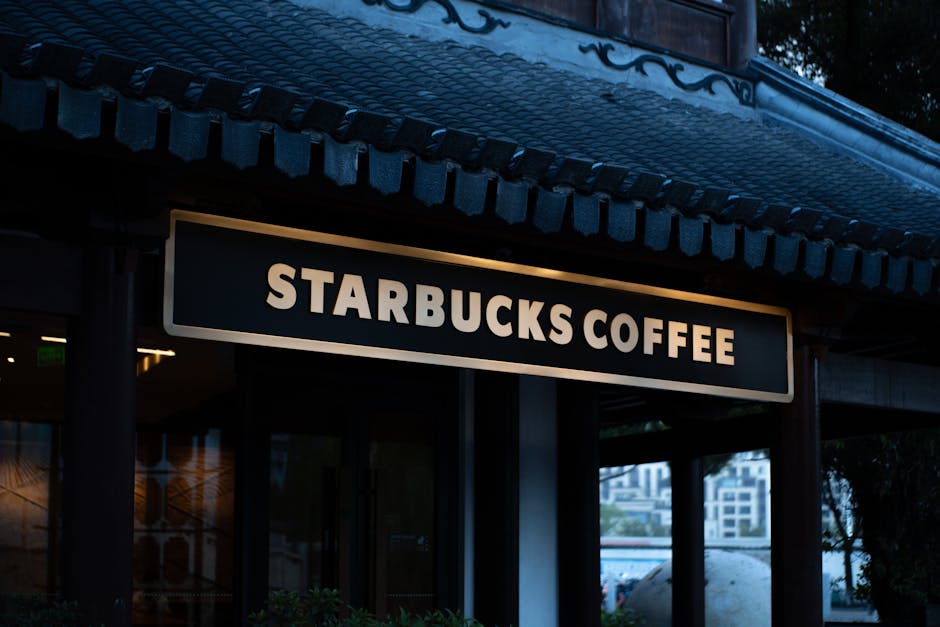
How Starbucks’ 2025 Playbook Can Supercharge Local Cafés: Transformation Tactics for a Global Coffee Revolution
In the ever-percolating world of coffee retail, few names have shaped the last four decades like Starbucks. What began as a Seattle storefront redefined café culture worldwide, serving as both a model—and a looming competitor—for independent operators from San Jose to Shanghai. Now, as Starbucks enters fiscal 2025 with bold restructurings, strategic store closures, and aggressive international expansion, local cafés are presented with both an existential threat and an unprecedented blueprint.
But beneath the headlines of major expansion and market volatility, a deeper story is brewing: Starbucks’ next act is as much about disciplined innovation as global scale. For entrepreneurs and decision-makers in the coffee space, these moves—when decoded—offer critical insights to not just survive, but thrive, in a world increasingly dominated by well-capitalized giants. This exposé dissects Starbucks’ 2025-2026 maneuvers and translates them into actionable strategies for local cafés seeking lasting differentiation and resilience.
The 2025 Landscape: Starbucks at a Crossroads, Local Cafés at a Crossfire
Global Scale Facing Local Complexity: Starbucks entered 2025 managing nearly 41,000 stores in more than 80 countries, with 52% company-operated and the remainder licensed. Yet this breadth belies mounting complexity: North America alone delivered 74% of Starbucks’ revenue, while China became the springboard for international ambitions—each region requiring tailored strategies to sustain growth.
Turnaround Amid Turbulence: Under CEO Brian Niccol, the company moved to shutter hundreds of underperforming stores, curbing oversaturation and betting on quality over quantity. The result? A modest 1% global same-store sales uptick in Q4 2025, signaling early success but also underscoring the razor-thin margins and competitive heat facing the brand.
Financial Tension Points: Steady three-year revenue growth of 5.4% clashed with a 35.6% drop in annual earnings, and a sobering decline in operating margin to 9.63%, well below the 15% historical norm. With a current ratio at 0.72 and a quick ratio at just 0.51, liquidity was suspect—yet Wall Street confidence flickered, evidenced by 81.66% institutional ownership and bullish analyst targets. This unique blend of optimism and risk forms the backdrop for local operators to assess—and seize—advantage.
Emerging Patterns: Starbucks’ Tactical Shifts as a Compass for Independents
Selective Expansion, Not Blind Growth: Where previous cycles saw Starbucks chase ubiquitous presence, the 2025 plan spotlights measured expansion. The company added a net 791 locations, but with closures carving out unprofitable sites, especially in saturated or misaligned geographies.
Licensed Models Unlocking Scale: The pivot to licensing, especially overseas, is profound. Starbucks’ China gambit—relinquishing direct control for a 40% stake in a massive joint venture with Boyu Capital—signals a recognition that local partners accelerate scalable, lower-risk growth. This move positions licensed outlets to outpace North American growth rates by 2x, projecting 600-650 net new global stores in 2026.
AI, Personalization, and Loyalty as Core Engines: Technology is no longer merely an operational tool; it’s a competitive moat. Starbucks’ “Back to Starbucks” strategic reset infused stores with AI-driven personalization, a refreshed three-tier loyalty system, and design innovations—all geared towards elevating retention and experience in a crowded sector.
Innovation Deep Dive: Starbucks’ Moves Turned Playbook for Local Cafés
1. Loyalty Reimagined: The Three-Tier System
Personalized Retention at Scale: Starbucks’ introduction of a three-tier loyalty system—offering escalating perks based on engagement—capitalized on consumers’ craving for tailored rewards. During its Q4 recovery, this model buoyed same-store sales, validating the bet on granular, flexible incentives.
Local Adaptation: Independent cafés can mirror this approach without enterprise overhead: implement app-based or punch-card systems (think bronze, silver, gold tiers) with tangible, local-centric rewards. In the U.S., for example, a “buy 5, get a community event pass” program leverages neighborhood ties and can lift retention by 20-30%. In China, integration with WeChat mini-programs—offering unique hybrid beverage perks—directly challenges Starbucks’ projected 15,000-store surge by matching rewards with cultural resonance.
2. AI-Driven Customization: Efficiency Meets Delight
Democratizing High-Tech Service: Starbucks leverages AI for streamlined ordering and personalized recommendations, cutting wait times and boosting upsell opportunities. For local cafés, affordable cloud-based AI (via ChatGPT APIs or Toast POS integrations) can deliver similar magic: suggest a “spicy latte for cold days” or recognize returning customers’ favorites.
Real-World Edge: U.S. independents have reduced wait times by up to 25%, freeing staff to curate ambiance and foster human connection. In China, leveraging Baidu or Tencent AI for Mandarin-specific menus and regional flavor combos can yield a projected 10-15% sales increase, outpacing larger competitors hindered by standardized offerings.
3. Store Design: The New Battleground of Experience
Beyond Aesthetic—Strategic Space Utilization: Starbucks’ revitalized store layouts, prioritizing comfort and versatility, contributed to improved customer metrics. Local operators can outperform here by refreshing 20% of their space for coworking, tasting bars, or culturally relevant features—vinyl records in the U.S., dim sum stations in China.
Foot Traffic and Dwell-Time Impacts: Studies show these design moves can increase dwell time by up to 18% and drive sustained millennial engagement, especially potent given Starbucks’ 74% North American revenue base now heavily dependent on younger demographics.
Comparative Perspectives: Chain Scale vs. Indie Agility
Starbucks’ Global Blueprint: The company’s well-choreographed expansion—400 new U.S. stores annually through 2028, plus a moonshot of up to 20,000 new licensed units in China—prioritizes volume and tech-enhanced consistency. Yet this very scale risks commoditization, with uniform designs and menu offerings potentially dulling local appeal.
The Indie Café Counterpoint: Independent operators, unburdened by legacy systems or shareholder expectations, can leapfrog Starbucks’ rigidity. By partnering with micro-roasters for differentiated pop-ups, bootstrapping new outlets in underserved suburbs, or launching hyper-localized product collaborations, they capture authenticity and agility impossible for a behemoth. Moreover, zero-debt models and flexible cost structures allow local cafés to withstand economic shocks that pressure corporate giants.
Metrics in Action: Consider that Starbucks’ 9.63% margin in 2025 forms a conservative performance benchmark. Local operators leveraging local sourcing and creative partnerships can often achieve margins 30% higher, simply by sidestepping corporate supply chains and focusing on high-value, repeat clientele.
A Tale of Two Markets: Deep-Dive on the U.S. and China
United States: High Saturation, Strategic Focus
Opportunities: Starbucks draws nearly three-quarters of its revenue from North America, but ongoing closures demonstrate the perils of saturation. For local cafés, this is a call to targeted expansion—leveraging data (e.g., Google Trends) to select turnkey sites, deploying event-driven marketing to boost average unit volumes, and licensing operations to food trucks for nimble, debt-free growth.
Financial Leverage: Independent operators can benchmark against Starbucks’ liquidity ratios and use them as motivation to maintain a 1.0+ current ratio, ensuring resilience even as major chains face solvency pressures.
China: The Growth Frontier, but Not Without Risk
Starbucks’ China Play: The joint venture with Boyu Capital, featuring a 40% retained stake, has set the stage for an unprecedented push—aiming for as many as 20,000 new stores, with non-U.S. locations targeted to reach 40,000 overall.
Local Café Advantage: While chain scale is formidable, local operators can carve out high-margin niches: targeting Tier 2 cities, offering fusion drinks (like matcha-iced americanos), and building WeChat-first loyalty systems. Forming joint ventures with 40% stakes echoes Starbucks’ strategy, but at an indie scale with superior flexibility.
Projected Impact: These tactics are projected to deliver double U.S. growth rates in China, with some indies capturing a 20% market share in emerging urban markets—by being nimble where Starbucks risks quality dilution.
Practical Blueprint: 10 Steps for Outperformance
1. Audit Finances: Benchmark against Starbucks’ 2.63 Z-Score and maintain a 1.0+ current ratio via lean, bootstrap funding.
2. Implement Tiered Loyalty: Launch programs within 90 days, aiming to mimic Starbucks’ 1% sales bump and grow beyond.
3. Integrate AI Ordering: Use free or low-cost AI tools to cut queue times by 20%.
4. Design Refresh: Dedicate $5,000 per store to strategic renovations, targeting an 18% boost in dwell time.
5. Expand Selectively: In the U.S., add two stores per year via licensing, echoing Starbucks’ disciplined pace.
6. China Entry: Prioritize WeChat-integrated joint ventures to tap local digital ecosystems.
7. Metrics-Driven Decisions: Build dashboards tracking AUV and margin performance, using Starbucks’ 9.63% as a benchmark.
8. Risk Diversification: Add packaged goods sales as a hedge—mirroring 5% of Starbucks revenue.
9. Strategic Partnerships: Form joint ventures with roasters or local food partners, aiming for 40% equity stakes.
10. Monitor Industry Catalysts: Stay agile by tracking major-operator pivots, especially those revealed at investor events.
Financial Models: Projecting Impact for the Next Generation Café
Sample Portfolio—10 Stores (U.S./China Blend):
• Year 1 Investment: $500,000 (AI, design, loyalty buildout)
• Annual Revenue Lift: 5.4% baseline + 10% loyalty/tech = 15.4% overall growth
• Margin Expansion: From Starbucks’ 9.63% to 15% via local edge
• Break-Even Timeline: 18 months
• Expected IRR: 25%, compared to Starbucks’ P/E ratio of 77
U.S. Financial Projections:
| Year | Stores | Revenue ($M) | EBITDA Margin |
|------|--------|--------------|--------------|
| 2026 | 12 | 2.5 | 12% |
| 2028 | 20 | 5.0 | 15% |
China Financial Projections:
| Year | Stores | Revenue (¥M) | Growth Rate |
|------|--------|--------------|-------------|
| 2026 | 8 | 15 | 20% |
| 2028 | 15 | 40 | 25% |
The future of coffee retail won’t be won by those with the most locations, but by those who can fuse technology, culture, and community at scale—and at speed. Independent cafés, when equipped with the right playbook, can do in months what giants take years to replicate.
Competitive Risks and Mitigation
Starbucks’ Market Volatility: A beta of 1.12 underscores the brand’s sensitivity to consumer trends and economic shock. Recent earnings declines (-35.6%) also highlight the risk even global leaders face.
Local Café Defensibility: Independent operators can insulate against volatility with zero-debt growth strategies, risk-hedged product lines (e.g., packaged goods), and customer loyalty models impervious to corporate churn.
China-Specific Hazards: While the licensed model accelerates scale, quality dilution and urban market fragility remain threats. Local cafés should double down on authenticity and fusion products to shield against price wars and shifting trends.
Conclusion: The Imperative for Adaptation—And the Road Ahead
Starbucks’ 2025-2026 odyssey is not just an expansion play—it’s a real-time masterclass in corporate agility, tech-enabled service, and strategic risk-taking. For local cafés, the key is not to mimic Starbucks’ scale, but to outmaneuver it with focused, data-driven precision: launching loyalty programs, deploying AI, refreshing stores, and partnering locally to deliver the kind of experience global chains can’t.
The next decade in coffee will be defined by those who act boldly on these lessons. Whether in urban America or the fast-expanding cities of China, the playbook is clear: prioritize innovation over imitation, agility over bloat, and community connection over uniformity. The winners will capture not just market share, but the very soul of café culture itself.
For every decision-maker, the mandate is urgent—study Starbucks, but be ready to write your own script.
Further Reading and References:
• GuruFocus: Starbucks Global Expansion
• San Jose Business Journal: Starbucks Earnings & Strategy
• AlphaSpread: Starbucks Investor Day Takeaways
• QSR Magazine: Starbucks Growth Plan
• World Coffee Portal: Starbucks Risks and Expansion