
How Starbucks AI-Powered Menu Personalization Transforms Coffee Culture In Tokyo, Shanghai, Mumbai, Seoul, Milan, And Mexico City
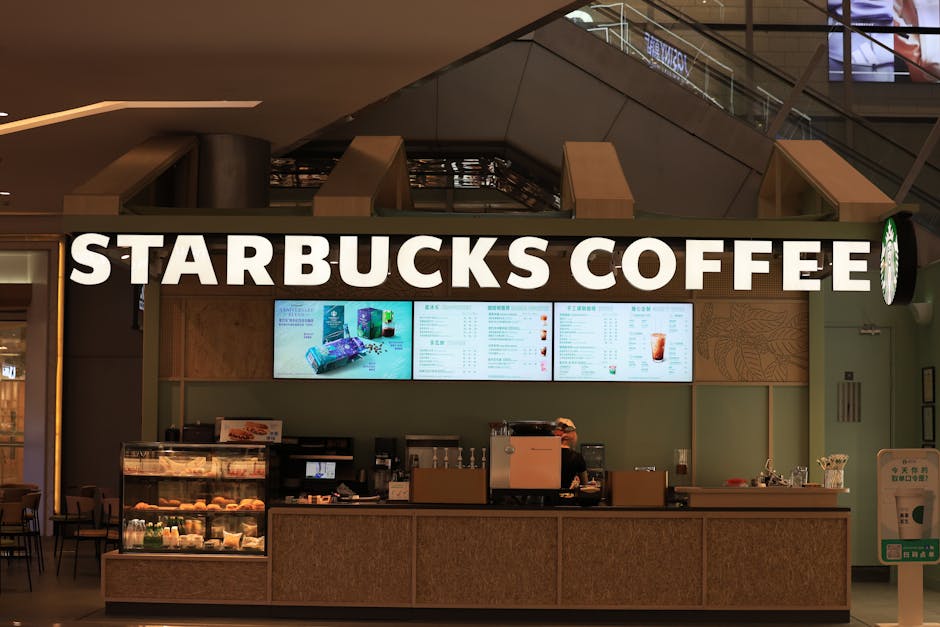
Starbucks and the Global AI Menu Revolution: How Data, Culture, and Technology Are Brewing a New Era of Personalization
In the world of fast-moving consumer retail, few brands have captured the imagination—or the wallets—of millions quite like Starbucks. What began as a simple coffee shop in Seattle has grown into a global powerhouse, serving over 16 million active Rewards members and thousands of local communities with a dizzying array of drinks, snacks, and experiences. Now, in a world defined by digital transformation and shifting consumer expectations, Starbucks is rewriting the playbook once again: moving from static, translated menus to real-time, AI-driven personalization that adapts to local tastes, weather, inventory, and even cultural moments. The implications for business leaders and technology strategists are profound—not only for Starbucks, but for every enterprise wondering how to unlock the next wave of relevance, operational efficiency, and conversion. This exposé dives deep into Starbucks’ ambitious journey, tracing key historical pivots, examining the technical and cultural innovations underway, and forecasting what this landmark shift means for the industry as a whole.
The Old Model: Static Localization and the Limits of Translation
The translation trap: For decades, Starbucks—and most international brands—relied on a relatively simple approach to globalization. Menus were translated, local favorites were added, and market teams played up regional holidays or flavors. But this static localization model, while familiar, revealed critical blind spots: lagging adaptation cycles, missed opportunities for real-time relevance, and operational headaches from managing too many SKUs.
The operational challenge: Each “localized” menu was largely static, often lagging actual customer preferences, or failing to account for situational demand. Launching a new product meant betting on inventory and hoping for uptake, rather than letting data drive the process. Customer experiences varied widely, and the promise of personalization was mostly left unfulfilled.
Why brands outgrew this approach: The rise of digital ordering, loyalty apps, and cross-border travel exposed the limits of this model. Customers now expect brands to know their preferences, remember their previous orders, and recommend products that fit not just their culture—but their moment.
The Starbucks Shift: From Static Menus to AI-Driven Personalization
A new paradigm emerges: Starbucks’ transition is not merely about technology—it is a fundamental rethinking of what “localization” means. Rather than just translating or regionalizing menus, Starbucks is deploying AI-powered recommendation engines that combine customer data, weather patterns, store-level inventory, community preferences, and even time of day to shape dynamic menu offers.
How the system works: The recommendation engine uses reinforcement learning to surface choices based on more than 400 variables per store. Whether you’re ordering through the Starbucks Rewards app, drive-thru, or in-store kiosk, the menu adapts—offering you beverages and snacks you’re most likely to enjoy, grounded in what is actually available. This means fewer operational bottlenecks, less wasted inventory, and dramatically higher conversion rates.
The AI ordering companion: Starbucks is piloting an AI ordering assistant that can translate mood, goals, or taste prompts (e.g., “I’m looking for something refreshing and light”) into actionable recipes using market-specific ingredients. This natural-language interface opens new creative channels for customers, while keeping operations streamlined.
Operationalization and scale: The AI push extends to barista support tools: “Green Dot Assist” leverages AI to guide staff through drink protocols and menu variations, ensuring consistency across thousands of stores. As a result, Starbucks is able to deliver personalized experiences at scale, with measurable improvements on digital conversion, attach rate, and margin uplift.
Real-World Localization: Market-by-Market Insights
China: Here, Starbucks leverages WeChat Mini Program data, Mandarin-tailored voice AI, and seasonal forecasting (including Lunar New Year surges) to adapt inventory and offers. The result? Menus shift not only by city, but by neighborhood, with AI learning from local tastes and real-time foot traffic (source).
India: Starbucks personalizes recommendations based on monsoon-affected visits and regional flavor clusters like iced cardamom lattes. The app segments customers by weather, holiday, and even payment behavior—driving both relevance and operational efficiency.
Japan: AI menu personalization aligns with sakura season, offering cherry blossom-themed drinks and forecasting demand to limit waste. Region-specific recipes and rapid adaptation to local holidays position Starbucks as both trend-setter and cultural participant.
Brazil: Here, café con leche-style drinks and weather-driven offers fuel digital loyalty, with payments integrated through Pix. AI surfaces combos that match local routines, boosting attach rates and customer satisfaction.
Mexico: Spanish-language chatbots and voice ordering enable faster service, while Día de Muertos and other holidays guide seasonal menu changes. The AI engine ensures only regionally available SKUs are recommended, keeping operations tight and consistent.
Global innovation: Region-specific items—like matcha-forward drinks in Tokyo, spicy chai lattes in Mumbai, and even fruit-forward cold brews in Seoul—proves that Starbucks is not just “localizing” but innovating around cultural clusters, then amplifying winning formats across markets.
The Business Case for AI Personalization
Personalization boosts conversion: With more than 16 million active Rewards members receiving personalized offers, Starbucks drives digital conversion through fewer steps. Customers are more likely to add, customize, and purchase when recommendations fit both their preferences and local context.
Local menus still matter: AI can only be as useful as the SKU library it draws from. Starbucks ensures recommendations surface only products actually in-market, grounding digital personalization in supply chain reality and minimizing operational complexity.
Operational simplicity: AI-driven personalization lets Starbucks expand customer choice without overburdening baristas. SKU reduction and strategic simplification keep the back-of-house manageable while maximizing front-end delight.
Commercial impact: Starbucks tracks attach rate, digital conversion, repeat visits, and margin impact—separately by country and region. This granular analytics approach recognizes that cultural preferences materially affect performance.
Comparative Perspective: Legacy Localization vs. Real-Time Personalization
Legacy localization: Static menus, infrequent updates, siloed regional teams, and translation-centric workflows often led to fragmented experiences, slow adaptation, and inventory mismanagement.
AI personalization: A unified data system drives real-time menu adaptation, grounded in local inventory and cultural clusters. Recommendations are tailored to individual, situational, and community preferences—delivered through natural language and digital prompts.
Key difference: In legacy models, brands guessed what “local” meant. Today, Starbucks uses AI as the translation layer—moving from intuition to evidence, and from static offers to dynamic, conversion-driven menus.
Inside the Technology: Reinforcement Learning and Conversational AI
Reinforcement learning model: Starbucks’ recommendation engine constantly refines its suggestions based on digital signals: past orders, local inventory, weather, holidays, payment habits, and even community feedback. This “deep brew” system draws on more than 400 store-level criteria, learning what works and iteratively improving outcomes.
Conversational AI ordering: The AI ordering companion, described as a “ChatGPT for coffee,” enables customers to state moods, flavor preferences, or even fitness goals—then receive custom recipes grounded in local menus. This natural-language interface opens new creative channels for customers, encouraging discovery and repeat purchase (source).
Strategic Recommendations for Business Leaders
Design for cultural clusters, not just markets: Build personalization around taste clusters—sweet/spiced, dairy-forward, tea-forward, fruit-forward—rather than treating each market as a monolith. Starbucks’ model proves cultural relevance is now a data problem.
Ground AI in local signals: Incorporate weather, seasonality, holidays, and payment behavior into recommendation logic. Context-rich triggers drive conversion and operational efficiency.
Pilot and adapt: The strongest approach is to pilot one or two culturally distinct regions, iterate recipes and recommendation prompts, then scale market by market.
Keep operations simple: Barista workflows and SKU libraries must remain manageable; AI personalization should expand consumer choice without overwhelming staff or back-end systems.
Measure impact regionally: Track conversion, attach, repeat visits, and margin separately by market—recognizing that cultural clusters have outsized commercial impact.
Cross-functional collaboration: Success requires tight alignment between data teams, product managers, supply chain, and local market leads. Starbucks’ approach shows that AI is as much an operational revolution as a customer experience upgrade.
“Starbucks is not just translating menus—it is building an adaptive system that maps cultural taste patterns and situational demand in real time, using technology as a bridge between global scale and local intimacy. The future of food and beverage personalization will be driven by brands that treat cultural relevance as a living, data-driven asset.”
Looking Forward: Real-World Implications and the New Frontier of Menu Personalization
Beyond coffee: The implications reach far past Starbucks. As digital ordering and AI-driven personalization become ubiquitous, every F&B brand will face new pressures: to deliver localized, relevant, conversion-optimized experiences without ballooning operational complexity.
Data as cultural currency: Brands must move beyond CRM and purchase history, embracing local signals—from weather to holiday to payment method—as the new currency of relevance.
Operational excellence: AI that links digital signals to in-market inventory delivers both a better customer experience and a more efficient supply chain. Brands that fail to ground personalization in operational reality risk wasted inventory, staff overwhelm, and declining local loyalty.
Competitive advantage: The speed at which Starbucks adapts—from piloting new AI systems in China or Brazil, to rapidly scaling voice ordering in Mexico or Japan—demonstrates that agility, not just scale, is the new competitive mandate.
Global-local balance: The winning brands will be those that treat cultural clusters as “living assets,” refining menus and marketing in real time, while maintaining operational discipline and global brand consistency.
Conclusion: The Strategic Imperative for AI-Driven Menu Localization
Starbucks’ journey from static menu translation to real-time, AI-powered personalization is more than a technical upgrade—it is a bold reimagining of what it means to be relevant in a globalized, digital-first economy. By anchoring personalization in cultural clusters, situational demand, and operational simplicity, Starbucks has shown that “localization” is best treated as a data-driven, dynamic process—not a one-time translation. The business case is clear: higher conversion, better customer satisfaction, reduced waste, and stronger regional brand equity. For business leaders across sectors, the lesson is unmistakable. The future belongs to companies that use technology not just to reach more people, but to become locally irreplaceable—adapting in real time, learning with every interaction, and grounding every recommendation in both cultural insight and operational discipline.
If Starbucks can orchestrate this shift at global scale, every enterprise should consider how to build their own “translation layer”—one that bridges global ambition with the intimacy of local, data-powered personalization. The next wave of growth, loyalty, and competitive advantage will go to those who act now.