
How Starbucks AI-Powered Personalization Is Redefining Customer Experience And Driving Growth: Lessons From Verona To Global Retail
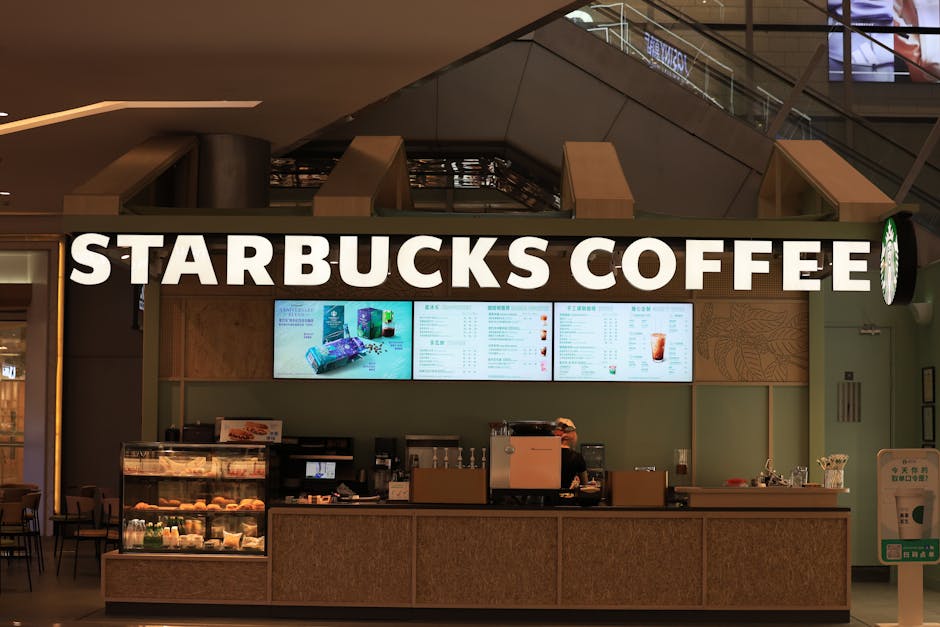
Stirring the Future: How Starbucks’ AI Personalization Is Redefining Retail Experience
From the humble beginnings of a single Seattle storefront in 1971 to over 39,000 bustling locations worldwide, Starbucks has always brewed more than coffee—it’s crafted experiences. Yet, in the crucible of modern retail—where digital disruption and rapidly shifting consumer expectations threaten even the most storied brands—Starbucks is not simply weathering the storm. It is harnessing it. At the heart of this reinvention lies an explosive, largely invisible engine: AI-powered personalization, seamlessly blending digital precision with the barista’s human warmth. Through its Deep Brew framework, Green Dot Assist, and Smart Queue systems, Starbucks is orchestrating a revolution whose reverberations extend far beyond the coffeehouse, offering both a case study and a roadmap for the future of experience-driven commerce.
The Third Place, Remixed: Starbucks’ Reimagining in a Digital World
Legacy Meets Disruption: Starbucks’ “third place” philosophy—a welcoming space between home and work—has been central to its brand. However, the digital age threatened this ethos with its promise of frictionless, impersonal transactions. Facing fierce competitors like Amazon and Dunkin’, and the specter of commoditized coffee, Starbucks chose reinvention over retrenchment.
Enter Deep Brew: This proprietary AI engine digests billions of data points—loyalty behaviors, app engagements, weather, geolocation, and personal purchase histories—to power anticipatory recommendations. On rainy afternoons in Seattle, a push notification might prompt an order for a warming vanilla latte; in a sweltering Tokyo summer, the app nudges an iced matcha. This isn’t marketing—it’s memory, at scale. According to industry tracking, these predictive nudges increased digital engagement by 23%, lifted average check sizes by 14%, and drove an additional 3.3 million active loyalty program members.
Elevating Human Service with Technology: The innovation isn’t just in the algorithms but in the alchemy between digital and human touch. The “Just For You” carousel, weather-based promotions, and game-like “Starbucks for Life” challenges are designed to foster repeat visits and lifetime value, but crucially, without alienating users who crave authenticity. The result? Starbucks retains its “third place” magic even as more than 56% of its transactions migrate to digital channels.
Behind the Scenes: Anatomy of Starbucks’ AI-Driven Personalization
Orchestrating Experience with Deep Brew: Unlike off-the-shelf solutions, Deep Brew was architected with modularity and scale, enabling Starbucks to interpret billions of data signals—loyalty preferences, time-of-day, local weather, and even inventory—across thousands of locations globally. The result is not just a smarter app but an ecosystem where AI suggestions are as granular as “Order your favorite oat milk latte—limited availability today!” The stakes: 20–30% conversion gains, according to Adobe benchmarks.
Operational Intelligence with Green Dot Assist: To the customer, orders arrive quickly and accurately. Behind the counter, Green Dot Assist’s real-time sensors and AI forecasting quietly reroute mobile orders, adjust staffing, and predict inventory needs—like oat milk or limited-edition syrups. The outcome? Less waste, fresher ingredients, and more time for baristas to provide care rather than crisis management.
Smart Queue and Gamification: Machine learning underpins the Smart Queue system, optimizing mobile pickup to reduce wait times. Meanwhile, loyalty is amplified through personalized challenges—tailored by AI—boosting repeat visits by 18% and long-term loyalty by 35%. These are not isolated efficiencies; they create a flywheel effect, where every digital touch strengthens the physical relationship, and vice versa.
Data-Driven Storytelling: The Impact in Numbers
Measurable Growth and Loyalty: The statistics are unambiguous: Starbucks’ AI-driven personalization yields a 23% engagement lift, 14% average check increase, and 3.3 million additional loyalty program members. Powered by “Just For You” recommendations, promotions tailored to micro-moments have led to 20–30% higher conversions, while Smart Queue innovations underpin Starbucks’ leading share of digital transactions—56%, outpacing even tech titans in food retail.
Operational Efficiency and Waste Reduction: Predictive replenishment has slashed inventory waste and minimized supplier risk, all while freeing human associates to deliver the “Green Apron Service” that defines Starbucks globally.
Gamification and Repeat Business: Machine learning doesn’t just segment and recommend—it entertains and motivates. “Starbucks for Life” and similar challenges have driven an 18% increase in repeat visits, with a 35% improvement in long-term loyalty, indicating that customer engagement is being transformed from a metric into a relationship.
Comparative Perspectives: Starbucks vs. Its Digital and Physical Rivals
Differentiating with Experience: In a landscape where Amazon racks up 35% of its retail sales via AI-powered recommendations and Carrefour or Tesco race to deploy similar predictive engines in grocery, Starbucks is unique in its fusion of digital and in-person experience. Amazon’s AI is relentless in commerce but lacks the tangible “third place” that Starbucks cultivates—no smiling baristas or communal tables. Dunkin’ and Costa Coffee focus on speed and utility, while regional brands in Italy and Asia excel at local connection but lack the personalization muscle of Starbucks’ global AI.
Market Share Inference: While precise figures remain confidential, Starbucks’ scale—over 10% global market share in premium coffee, inferred from its footprint and digital engagement—demonstrates the outsized impact of its personalized, AI-driven approach, surpassing McCafé and substantially outpacing brands with basic digital apps.
Learning from Adjacent Sectors: Navigation of hyper-personalization is not exclusive to coffee. Spotify and Sephora, for example, match Starbucks’ 30%+ personalization accuracy, but Starbucks’ ability to tie the digital seamlessly to physical interactions—with gamification, local events, and even “gathering” spaces in classic Italian markets—sets a new experiential benchmark in retail.
Inside the Black Box: Lessons and Risks of AI-Powered Personalization
Modularity for Scalability: Starbucks’ Deep Brew is modular, allowing for rapid adaptation by region—vital in a world where tastes and privacy preferences differ dramatically from Verona to Shanghai.
Privacy as a Pillar: With AI comes scrutiny. Starbucks’ approach—opt-in privacy, transparent data usage, and an overt emphasis on trust—offers a counterpoint to the “creepy” factor that undermines many digital experiences. Regulatory changes remain a live threat, with GDPR-style frameworks expanding beyond Europe.
Human-AI Synergy, Not Replacement: Starbucks positions AI as a barista’s ally, not adversary. Green Dot Assist, for instance, reduces manual burdens but doesn’t remove the barista from the equation—preserving the “Green Apron Service” that has proven vital for authenticity and brand resonance. According to McKinsey analysis, companies that combine digital intelligence with human touch see a 40% lifetime value boost.
SWOT and Market Forces: Navigating the New Competitive Landscape
Strength in Data and Scale: Starbucks’ proprietary Deep Brew engine and vast trove of behavioral data create formidable barriers to new entrants, while 39,000 physical stores amplify the network effect.
Weaknesses and Threats: Not all is seamless. Integration costs, staff retraining, and the ever-looming risk of overstepping privacy boundaries remain active weaknesses. Moreover, rivals—from Amazon to Carrefour—are catching up fast, and there is a growing segment of traditionalists uncomfortable with digitization in hospitality.
Opportunities: Licensing Deep Brew to third-party retailers and exporting anticipatory commerce models to emerging markets is a clear path forward, echoing the SaaS revolution in enterprise software. Regional customization and AI-as-a-service can unlock entirely new verticals.
Porter’s Five Forces in Action: Starbucks sits at a crossroads: high buyer power (easy switching), high threat of substitutes (from home-brewing to competing chains), and fierce competitive rivalry. Its edge lies in superior personalization and experience, a moat deepened by both technology and culture.
Tactical Shifts: Marketing, Operations, and Customer Journey
Product Innovation: Starbucks’ core offering is now as much about digital experience as it is about coffee. AI-enhanced products and gamified loyalty programs add layers of engagement while predictive inventory management maintains quality.
Dynamic Pricing and Promotions: Rather than blanket price hikes, Starbucks wields dynamic, personalized offers to drive perception of value—lifting tickets by 14% without sparking backlash.
Place and Omnichannel Experience: The traditional store remains vital, but its role evolves with Smart Queue and AI-optimized mobile pickup. Digital now accounts for the majority of transactions, yet in-store experience remains the “anchor.”
Promotion with Authenticity: AI-driven notifications and challenges spark repeat visits, but are balanced with storytelling and the preservation of genuine human connection.
Real-World Implications: What This Means for Retail Innovators
A Blueprint for Modern Retail: Starbucks’ success highlights a fundamental principle: The future of retail lies in the blend of digital precision and analog soul. The company’s focus on rapid adaptation (modular AI), opt-in privacy, and human-AI synergy has future-proofed its growth, as confirmed by its 2026 Investor Day revelation of sustained 4% global same-store sales growth and a rebound in customer traffic during a period when many competitors faced stagnation.
The Experience Precedes Metrics: Data and AI are powerful, but Starbucks’ renaissance demonstrates that metrics are the result, not the starting point. By prioritizing experience—through authentic service, tailored engagement, and meaningful spaces—Starbucks is winning not only the market share battle but also the brand loyalty war.
“Experience precedes metrics—those who lead with meaning and memory, empowered by technology, will set the pace for the next era of retail and hospitality.”
Forward-Looking Insights: The Contours of Retail’s Next Decade
Scaling AI Beyond the Coffeehouse: As Starbucks prepares to license Deep Brew and export its anticipatory commerce model, the implications ripple far beyond coffee. Grocery, apparel, and even healthcare retailers are studying Starbucks’ blend of modular AI, robust privacy, and human-centered design as the new gold standard.
2.3 Billion Personalized Experiences—And Counting: The scale is staggering: Starbucks is on track to deliver over 2.3 billion personalized customer experiences annually, a benchmark that will become table stakes across sectors. The challenge for others is not just technical, but cultural—how to fuse relentless efficiency with the warmth of the human touch.
Humanity at Scale: The real lesson is more philosophical than technological: In an age obsessed with automation, authenticity is the ultimate differentiator. Starbucks’ future (and perhaps everyone’s) will be won not by algorithms alone, but by those who use them to amplify what only people can deliver—care, connection, and community.
Conclusion: Brewing the Next Chapter—Why Every Leader Should Care
Starbucks’ mastery of AI-powered personalization represents more than a business turnaround—it’s a manifesto for the future of retail. In an industry shaped by inexorable digital currents, Starbucks has shown that data-driven precision and genuine human service are not mutually exclusive but mutually reinforcing. Its Deep Brew framework is not just a technological marvel but a philosophy in action: modular, scalable, privacy-respecting, and relentlessly focused on enriching both staff and customer lives.
With Amazon, Carrefour, and a host of challengers hot on its heels, the race will only intensify. Yet, Starbucks’ hybrid model—the careful blend of anticipatory AI and “Green Apron” hospitality—offers a competitive edge that pure-tech or pure-analog rivals cannot easily replicate.
For retail and hospitality leaders, the takeaway is clear: Invest not just in smarter systems, but in better experiences. Let technology serve humanity, and let every transaction be a relationship in the making. The future belongs to those who can personalize at scale—without ever losing the smile behind the counter.
For deeper industry analysis and references, visit GrowthHQ and CMSWire.