
How Starbucks C.A.F.E. Practices Are Transforming Ethical Coffee Sourcing In Guatemala, Mexico, And El Salvador
The Grounds of Progress: How Starbucks’ Ethical Sourcing Model is Reshaping Global Coffee Supply Chains
In a world where every cup of coffee connects a consumer to the farthest corners of the globe, the story behind each bean matters more than ever. Once overshadowed by opaque supply chains and commodity market volatility, coffee sourcing today is undergoing a radical transformation. No company stands more prominently at the vanguard of this shift than Starbucks, a brand that has leveraged its global reach to redefine sustainability and ethics in sourcing. As we explore the intricate latticework of Starbucks’ sustainable sourcing, we’ll witness not only the evolution of corporate responsibility but also pivotal lessons for the entire food and beverage sector.
Rewriting the Coffee Narrative: The C.A.F.E. Practices Framework
Establishing New Norms in Sourcing
Starbucks’ C.A.F.E. (Coffee and Farmer Equity) Practices framework stands as a watershed in the industry, setting rigorous standards across social, economic, and environmental pillars. Today, C.A.F.E. Practices reach over 400,000 farmers from 30 countries and assess their operations through more than 200 performance indicators. These range from biodiversity conservation to fair wage implementation, forming one of the most robust verification platforms ever devised for coffee sourcing.
Third-Party Verification for Trust
Transparency, often elusive in agricultural supply chains, is safeguarded by third-party audits led by SCS Global Services. This external verification allows Starbucks to maintain credibility while sharing learnings with stakeholders, including direct competitors and policy makers. In an era where ethical claims are scrutinized, this multilayered validation cements consumer trust.
From Coffee Farms to Communities
Beyond the audit trail, Starbucks’ investments directly support farming communities—most notably through its commitment of over $150 million in farmer support, technical assistance, and credit access. This support transcends premium price payments, underpinning long-term sustainability for those whose livelihoods are inextricably linked to coffee’s future.
Innovation in Action: Tackling Systemic Risks with Forward-Thinking Initiatives
Combating Disease and Climate Threats
Facing threats like coffee rust and erratic weather patterns, Starbucks launched its ambitious tree donation program, aiming to deliver 100 million climate- and disease-resilient trees by 2025. This initiative, already benefiting thousands of farmers across Central America and Africa, addresses not just farm yields but the very survival of coffee agriculture under climate duress.
Geographical Focus and Tailored Engagement
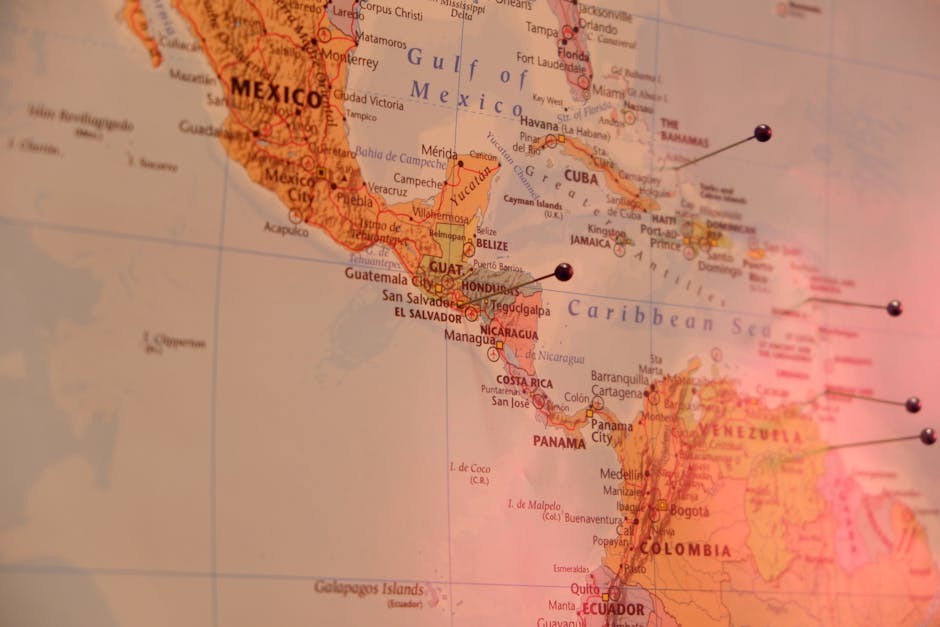
Flagship regions such as Guatemala, Mexico, and El Salvador—longstanding coffee heartlands—are at the epicenter of Starbucks’ model. Here, best practices are co-developed with local farmers, then scaled globally, blending the strengths of top-down strategy with grassroots innovation.
Data-Driven Accountability
The C.A.F.E. Practices scoring system’s 200+ indicators not only provide granular benchmarking but also allow Starbucks to respond dynamically to evolving social and environmental challenges. This is a tactical shift from legacy models reliant on less measurable, more narrative-based metrics.
Comparative Perspectives: Starbucks’ Model vs. Traditional and Emerging Standards
Traditional vs. Modern Ethical Frameworks
In contrast to classic, price-only driven commodity trading, Starbucks’ model embeds shared prosperity throughout the value chain. Where legacy buyers might focus on cost minimization, Starbucks’ metrics consider living incomes, gender equity, biodiversity, and community resilience. However, even within progressive circles, there’s debate: some critics argue that large buyers wield disproportionate influence, while others see this as a blueprint to be adopted and improved by the sector at large.
Multi-Certification Landscape
Starbucks’ approach often sits alongside (and sometimes exceeds) established certifications such as Fairtrade or Rainforest Alliance, which can lead to confusion for consumers but fosters healthy competition on impact and transparency among global brands.
Systemic Implications: Ripple Effects Beyond the Bean
Economic Stability for Farmers
By guaranteeing support, technical training, and transparent metrics, Starbucks helps buffer farmers against market shocks, building what many development economists refer to as “resilience capital.” This is vital given coffee’s notorious price volatility and the increasing frequency of climate-driven crop failures.
Elevating Industry Standards
Large-scale, verifiable ethical sourcing models like C.A.F.E. Practices are reshaping expectations—not just for coffee but across sectors including cocoa, tea, and even apparel. Industry rivals increasingly emulate Starbucks’ transparency, and policy-makers reference its frameworks in drafting public procurement or trade regulations.
Consumer-Driven Accountability
Modern consumers, especially in high-income markets, demand traceability and proof of positive impact. Starbucks has responded by making the details of its sourcing program and impact metrics accessible, fostering a virtuous cycle of disclosure and engagement.
In a transforming global marketplace, the ultimate power may lie not in the hands of the largest buyers, but with those who set and enforce new standards of equity and sustainability—reshaping not only their organizations, but also remaking the very fabric of the agricultural supply chain.
Real-World Challenges and the Path Forward
Scaling Impact Without Diluting Quality
Starbucks’ model, while effective at scale, faces the perennial challenge of maintaining rigorous standards across an ever-expanding roster of suppliers and countries. As sourcing footprints widen, ensuring every node meets the C.A.F.E. threshold requires relentless investment in local partnership, real-time verification, and adaptive learning.
Local Adaptation and Global Consistency
The program’s greatest strength—its global reach—is also its biggest vulnerability. Cultural, regulatory, and environmental differences mean that best practices in, say, Guatemala may not immediately translate to Rwanda or Indonesia without thoughtful adaptation. Starbucks’ emphasis on regionally tailored engagement is a blueprint for other global actors.
Beyond Coffee: A Model for Other Supply Chains
The C.A.F.E. Practices model is now studied by stakeholders in cocoa, palm oil, and apparel, all seeking effective strategies to harmonize local realities with global standards. The cross-sectoral ripple effects of the Starbucks approach hold enormous promise—and pose important questions about how voluntary corporate standards may intersect with evolving international regulations.
Strategic Lessons and Actionable Insights for Procurement Leaders
Measuring What Matters
Starbucks’ more than 200 indicators demonstrate that supply chain ethics cannot be captured by one-size-fits-all metrics. Leaders should tailor data collection to their unique impact goals, balancing quantitative rigor with qualitative engagement at the farm or factory floor.
Investing in Communities
Direct investment—whether in climate-resilient trees or in community infrastructure—yields both reputational and operational dividends. Starbucks’ $150 million outlay is a clarion call for others to move beyond simple premium payments and invest in systemic resilience.
Leveraging Verification for Storytelling and Credibility
Third-party auditing, exemplified by SCS Global Services in Starbucks’ case, not only deters greenwashing but also enriches brand storytelling. Procurement and sustainability teams should integrate independent verification as a strategic communications asset, not just a compliance tool.
Conclusion: The Strategic Imperative of Ethical Sourcing in Today’s Global Economy
Starbucks’ ethical sourcing journey is more than a case study in corporate responsibility; it is a living experiment in how business can power systemic change. In an era marked by fast-evolving customer expectations, regulatory scrutiny, and existential climate threats, Starbucks demonstrates that scale and integrity are not mutually exclusive. The company’s model shows that when brands go beyond transactional relationships—embedding support, verification, and transparency—they don’t just secure supply, they catalyze industry-wide transformation.
Looking ahead, it is clear that the companies that will thrive are those willing to set—and uphold—new standards for fairness and sustainability. For procurement leaders, investors, and citizens alike, the Starbucks story is a vivid reminder: in a global marketplace, ethical sourcing is not peripheral; it is the central strategic imperative of our time.