
How Starbucks Is Leading Sustainable Coffee Sourcing In Costa Rica, Colombia, Rwanda, Ethiopia, And Brazil: Key Actions, Partnerships, And 2025-2030 Impact
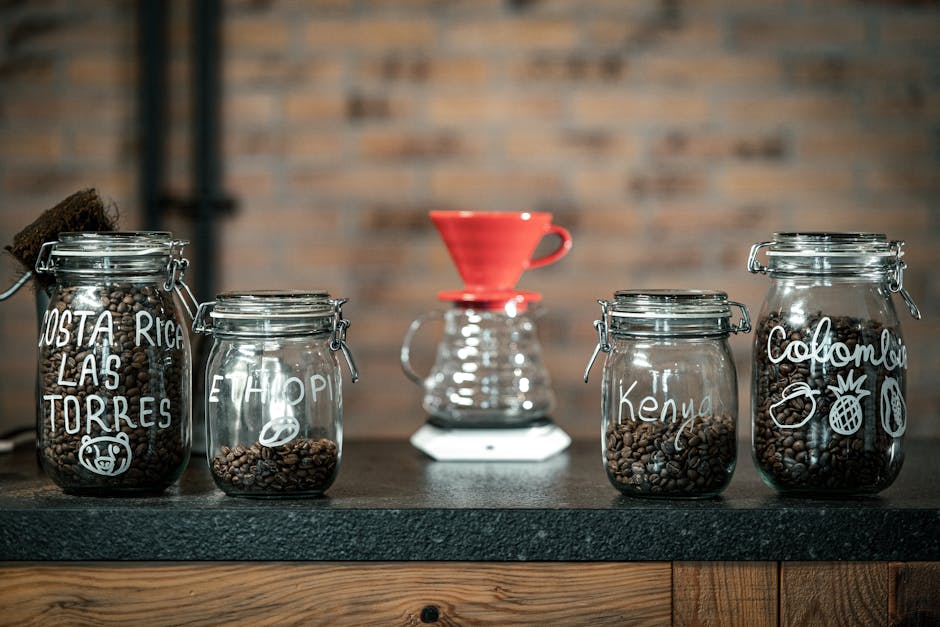
Starbucks and the Future of Sustainable Coffee: Leading a Global Transformation from Farm to Cup
In the shadow of a rapidly warming planet and a volatile commodities market, the humble coffee bean finds itself at the center of one of the world's most urgent sustainability debates. Few corporations have the size, influence, and cultural imprint of Starbucks, which sources approximately 3% of the global coffee supply—translating to beans from over 450,000 farms across 30 countries. As consumers demand greater transparency and ethical accountability, Starbucks faces both unprecedented scrutiny and an extraordinary opportunity: to lead not just in premium coffee, but in redefining how the world's most popular beverage is grown, traded, and enjoyed. This exposé unpacks the strategies, partnerships, and innovations positioning Starbucks as a lodestar for sustainable sourcing—and what that means for the millions whose livelihoods depend on coffee.
Market Imperatives and Historical Evolution: Why Coffee’s Roots Matter Now More Than Ever
From Commoditization to Crisis: Coffee has long been emblematic of global supply chains—intertwined with colonial histories, labor movements, and the pulse of emerging economies. Today, the industry faces existential risks: rising temperatures, erratic rainfall, and rampant diseases such as coffee leaf rust are threatening up to 50% of current coffee-growing land by 2050. The urgent need for climate resiliency is compounded by price volatility, poverty among the world’s 25 million coffee producers, and consumer-driven demands for transparency and ethical stewardship.
Starbucks’ Response and Scale: Since launching C.A.F.E. Practices in 2004 with Conservation International, Starbucks has invested over $150 million in farmer support, research, and ethical sourcing premiums. This forward-leaning approach—built on third-party verification, open-source agronomy, and strategic investments in climate-resilient crop science—has positioned Starbucks as a uniquely influential actor. With 100 million rust-resistant trees distributed by 2025, 10 regional support centers, and 70 model farms, Starbucks is building its supply chain not just for profit, but for long-term planetary and human resilience.
Rewriting the Rules: How Starbucks Sets the Bar for Sustainable Coffee Sourcing
Verification as a Foundation: C.A.F.E. Practices, developed in partnership with Conservation International and verified by SCS Global Services, covers over 200 economic, social, and environmental indicators—from fair labor standards to water use and biodiversity. As of 2025, Starbucks is closing in on 100% C.A.F.E.–verified coffee, leveraging open-source traceability as both a compliance tool and a competitive differentiator.
Data-Driven Impact: The impact is measurable: 15-20% yield increases on participating farms, 95%+ loan repayment rates, and a secure supply of high-quality Arabica even as climate threats push cultivation altitudes 300 meters higher per decade. More than just a marketing slogan, this rigorous approach mitigates risk, fosters lasting relationships with producers, and helps stabilize communities across Latin America and Africa—the source of over 80% of Starbucks’ beans.
Technology and Transparency: Starbucks’ next frontier is digital traceability. By mandating blockchain-backed tracing and piloting AI-powered supply audits, the company is raising the accountability bar not only for its own suppliers but for the entire industry. Open-source agronomy tools, shared with rivals and non-Starbucks farmers alike, reinforce its role as an ecosystem builder rather than a closed club.
Frontline Stories: Real-World Voices from the Coffee Belt
Costa Rica – The Living Laboratory: Starbucks’ Hacienda Alsacia—its first and only company-owned coffee farm—is not just symbolic. Here, over 50,000 regional farmers benefit from varietal research that has produced trees yielding 20-30% more fruit and resisting leaf rust processes that could otherwise wipe out a fifth of their crop annually. This R&D engine has seen more than 10 million trees shipped out annually, sustaining livelihoods and forestalling regional economic collapse.
Colombia – Empowering Amid Adversity: In Colombia’s conflicted highlands, over 100,000 farms partner with Starbucks through C.A.F.E. Practices. Premium pricing, microloans, and a focus on women-led co-ops have buffered over a million families against both climate and social shocks. Here, sustainable coffee isn’t just about better beans—it’s about peace-building and economic justice.
Rwanda & Ethiopia – Africa’s High-Growth Frontier: Across Rwanda and Ethiopia, Starbucks’ regional support centers facilitate the adoption of water-saving irrigation, biodiversity restoration, and tree-planting schemes that counteract the region’s worst blights. In a region where tree rust has the potential to halve yields, Starbucks’ interventions are a lifeline for some 80,000 smallholders.
Comparing Perspectives: Newcomers versus Insiders in Sustainable Coffee
Corporate Newcomers: Many newer entrants to sustainable coffee focus on certifications alone—labeling their products as “ethical” or “organic” but often lacking the infrastructure, long-term relationships, or integrated data that underpin genuine transformation. Their impact is frequently shallow, episodic, and limited to marketing claims.
Starbucks’ Insider Approach: In contrast, Starbucks’ scale, cross-border partnerships, and multi-decade investments in open-source agronomy define an approach that’s deeply embedded in producer communities. Its strategy is not simply about compliance or image—it's about co-creating a more resilient ecosystem in collaboration with farmers, NGOs, and local governments. This positions Starbucks to anticipate, rather than merely react to, future shocks in supply and environment.
Innovation in Action: Scaling Regenerative Practices and Supplier Partnerships
The Power of Trees – More Than Symbolism: Having distributed 100 million climate-resilient coffee trees by 2025, Starbucks now seeks to double that number by 2030. These new varietals aren’t just insurance against disease; they’re carbon sinks, biodiversity boosters, and engines of yield—driving up cherry production by nearly a quarter and helping offset more than a million tons of CO2e every year.
Smart Water Management: With a 50% water reduction target set for 2030, Starbucks deploys cutting-edge irrigation and wetland restoration technologies to 200,000 farms in Latin America, Africa, and Asia. The impact is profound—protecting watersheds, sustaining soil health, and anchoring the economic viability of entire regions.
Partnerships with Purpose: Key relationships with organizations like Conservation International, SCS Global Services, and local farmer cooperatives (e.g., Colombia’s Fedecafe and Rwanda’s NAEB) create a support web for farmers far beyond the transactional. Through multi-stakeholder alliances and public-private partnerships—including leadership in the Sustainable Coffee Challenge—Starbucks ensures that best practices spread industry-wide, not just within its own supply chain.
“Real transformation in coffee—amidst climate extremes and economic uncertainty—demands not just traceability, but co-investment and radical transparency at every step from seed to cup. Only those who build lasting, farmer-first partnerships will ensure not just their own supply, but the future of the industry itself.”
Regional Hotspots: Deep Dives into Latin America and Africa
Latin America – The Heart of the Arabica Crisis: With 60% of Starbucks’ beans coming from Latin America, the stakes in countries like Costa Rica, Colombia, and Brazil are existential. Here, Hacienda Alsacia’s R&D and the rollout of 10 million trees regionally provide lifelines in the face of rising temperatures, while model farms in Brazil demonstrate how regenerative techniques restore both yield and soil. Failure to scale these innovations could mean a 30% drop in production by 2050—a crisis not just for farmers, but for consumers worldwide.
Africa – Promise and Precarity: In Ethiopia and Rwanda, Starbucks’ support centers and tree-planting programs are combating the scourges of rust and drought. By 2026, the target of 20 million new trees and revitalized biodiversity corridors aims to lock in 25% regional supply growth—more than double the global average.
Challenges and Risk: The High Stakes of Supply Chain Leadership
Climate Uncertainty: Unpredictable rain patterns, heat waves, and pests threaten not just annual yields, but the very geography of coffee cultivation. Starbucks’ investments in varietals resilient to such shocks have led to proven gains—25% more resilience compared to legacy varieties.
Economic Fragility: With farmer poverty endemic across the coffee belt, Starbucks’ model of premium payments, microloans, and grants (especially to women leaders) has boosted incomes by 15% in its core regions—a strong incentive for both ethics and supply stability.
Verification and Digital Gaps: To close lingering audit challenges, Starbucks is piloting blockchain traceability and AI-driven compliance tools—making it harder for bad actors to hide and easier for good actors to thrive.
Market Risk: With the International Coffee Organization projecting a 5 million bag global deficit in 2025, Starbucks’ proactive mitigation strategies are designed not only to secure its own supply but to drive up the resilience of the entire coffee ecosystem.
Strategic Recommendations: Securing the Future from Farm to Cup
Scale Investment Aggressively: Starbucks should commit an additional $200 million between 2025–2027 to amplify tree distribution, expand support centers, and embed regenerative practices—tripling its return on investment by ensuring stable, high-quality supply.
Operationalize Data Dashboards: Close the accountability loop by scaling Conservation International-led metrics monitoring—tracking farmer incomes, emissions reductions, and progress toward carbon and water goals in real time.
Leverage Open-Source Innovation: Position open-source agronomy not just as a philanthropic gesture but as a business development lever—licensing scalable practices and traceability tech to peers and rivals, securing Starbucks’ role as industry standard-bearer.
Regional Playbooks as Templates: Pilot and refine comprehensive regional models in Colombia and Rwanda, then adapt and scale across other high-risk geographies.
Build Exit Barriers through Ambition: By making full achievement of 2030 goals (carbon-neutral coffee, 50% water reduction) both a reputational asset and an economic moat, Starbucks can lock in 20% cost savings against less proactive competitors.
Conclusion: The Next Era—Why Starbucks Must Own Sustainable Coffee’s Future
Starbucks’ journey—from pioneering C.A.F.E. Practices to distributing 100 million climate-resilient trees, to supporting nearly half a million farms—offers an unequivocal lesson: the future of coffee is inseparable from the future of its farmers and the planet itself. In the coming decade, with rising climate risks and tightening market supply, the companies that lead in transparency, co-investment, and open innovation will not only safeguard their bottom line, but help rewrite the social and ecological story of coffee.
For business leaders, investors, and consumers alike, Starbucks’ strategy represents the new baseline for ethical sourcing. Anything less risks irrelevance, both at the checkout counter and in the boardroom. The time for incremental change is over; only bold, systemic action—rooted in science, transparency, and farmer-first partnerships—will ensure that the world’s favorite beverage, and the communities who steward it, can thrive for generations to come.
To neglect this responsibility would be to ignore not just a business imperative, but a moral one. Starbucks is poised to define this new era—now it must deliver, relentlessly and collaboratively, for the future of coffee and all those who depend on it.