
How Starbucks Is Revolutionizing Sustainable Coffee Sourcing In Indonesia And Vietnam: Tech Partnerships, Blockchain Traceability, And Climate Resilience For The Future Of Asian Coffee
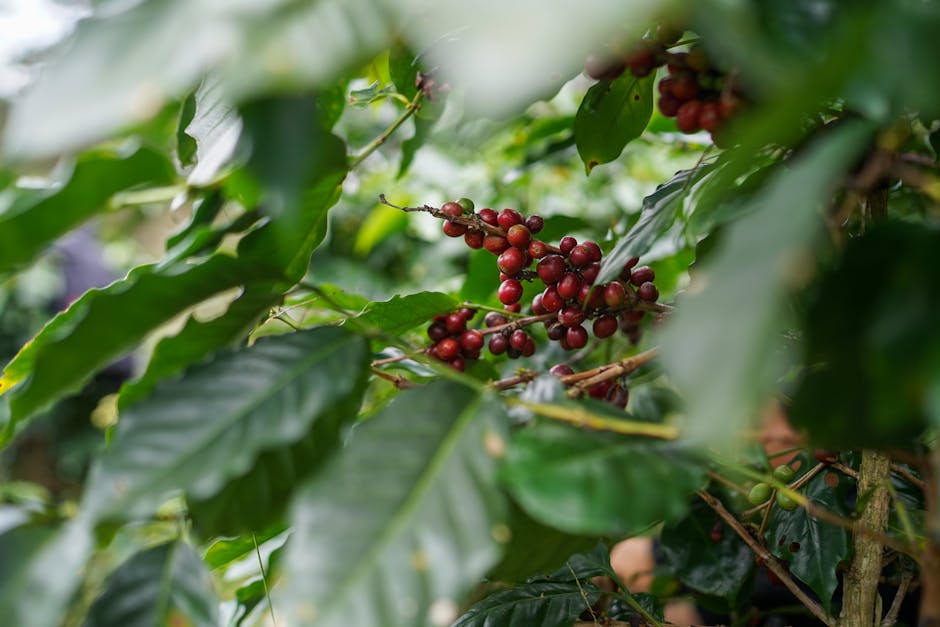
Brewing the Future: How Starbucks and Asian Farmers are Redefining Coffee Sourcing with Technology and Sustainability
Starbucks, revered for transforming coffee from a commodity into a global ritual, stands at an urgent crossroads. The brand’s iconic brews draw on a web of supply chains stretching from volcanic fields in Indonesia to the fertile highlands of Vietnam. Yet, the world’s appetite for ethically sourced, climate-resilient coffee now collides with a backdrop of monsoon-driven yield dips, volatile markets, and rising calls for transparency. As Starbucks intensifies its Asia-Pacific operations, it is no longer just a purveyor of beverages but a strategic innovator leveraging blockchain, AI, and new farmer partnerships. The next era—where every cup tells a traceable, equitable story—begins on smallholder plots in Southeast Asia and unfolds across digital dashboards in Seattle.
The Grounds of Change: Starbucks’ Evolving Sourcing Landscape
Historic Roots, New Realities: Starbucks’ foray into Asia-Pacific coffee sourcing is no recent affair. Vietnam, the world’s second-largest robusta producer, has long supplied the bold backbone of Starbucks’ espresso blends, while Indonesia’s earthy, full-bodied arabica shapes the brand’s signature flavor profiles. Yet, recent years have brought heightened challenges: erratic rainfall, rising disease threats, and consumer scrutiny over labor and environmental practices force the company to rethink its sourcing playbook.
From Volume to Value: Historically, global coffee sourcing emphasized scale and cost. Today, Starbucks targets only the top 3% of global beans, demanding not just quantity but peak quality and verifiable ethical standards. This shift is particularly significant for Asia-Pacific, which—according to recent analyses—is pivotal for securing resilient, premium-grade supply.
Tech-Infused Transformation: Modernizing Asia’s Coffee Value Chain
Digital Traceability Takes Center Stage: In February 2026, Starbucks expanded its Indonesia Farmer Support Center (FSC), piloting AI soil sensors for disease detection and IoT humidity trackers that promise to curb post-harvest losses by 20-30%. Meanwhile, in Vietnam, where monsoon volatility slashed robusta yields by 15%, drones now map farmlands while blockchain pilots trace 10,000 tons of beans with 99% accuracy.
Data, Drones, and Dashboards: These interventions are not mere tech showcases. They mark a tactical shift from reactive to predictive agronomy. AI models spot rust outbreaks before they devastate crops, drones ensure compliance with protected area mandates, and Microsoft-powered blockchain solutions deliver farm-to-cup transparency. For the 500+ Indonesian smallholder farms and over 600,000 Vietnamese cooperatives engaged, this is a leap toward inclusion in premium supply chains.
Comparative Perspectives: Indonesia vs. Vietnam—Distinct Beans, Shared Ambitions
Indonesia: Earthy Arabica on Volcanic Soil
Indonesia’s coffee story is rooted in its volcanic terroir, yielding low-acidity, full-bodied arabica. The Starbucks FSC in Sumatra—established in 2015—remains a hub for agronomist-led training and direct engagement. Despite 85% of local suppliers reaching Tier 1 verification under C.A.F.E. Practices V4, disease threats persist. Here, the promise lies in scaling AI sensors and blockchain for enhanced crop resilience and income equity.
Vietnam: Robusta Resilience Meets Climate Risk
Vietnam, the robusta powerhouse, is both an opportunity and a crucible. Supplying 1.8 million tons annually, robusta constitutes 20-30% of Starbucks’ espresso blends. However, with 25% of output at risk from climate change by 2030, the urgency for advanced satellite analytics and AI yield modeling is acute. Unlike Indonesia, Vietnam lacks a dedicated support center but compensates through NGO partnerships and fast-evolving tech pilots.
Consumer Perceptions Diverge: While Indonesian beans are steeped in tradition, Vietnamese robusta is undergoing a renaissance, favored by a growing segment of consumers seeking sustainably sourced, bold-flavored blends. Both journeys illustrate the criticality of market-driven differentiation as Starbucks positions itself as both a quality and sustainability leader in Asia.
Opportunities and Real-World Implications
Resilient Sourcing through Tech: By weaving Microsoft blockchain and AI-driven agronomy into daily operations, Starbucks is moving toward 100% traceable, ethically verified coffee in Asia. Real-time disease alerts and transparent wage tracking do more than secure quality—they build trust with a global base where 80% prefer ethical brands.
Farmer Empowerment: Tech integration supports not just productivity but also equity. In Indonesia, pilot programs have demonstrated potential income uplifts of 25% for smallholders; in Vietnam, blockchain traceability is already enhancing credibility with international buyers.
Environmental Stewardship: Digital tools facilitate Starbucks’ commitment to biodiversity. Drones and satellite imagery help stem the encroachment of coffee farms into protected forests—crucial when 20% of Vietnam’s coffee acreage overlaps with conservation zones.
Economic Resilience: By investing $5-10 million in infrastructure upgrades and direct cooperative contracts, Starbucks insulates itself from global price shocks, while farmers secure premiums and training that lay groundwork for generational change. According to projections, these moves could yield a $50 million annual ROI by reducing losses, enhancing quality, and commanding premium pricing.
Innovation in Action: From Pilot to Platform
Programmatic Expansion: Action steps mapped out for 2026-2028 involve not just pilot programs but systemic transformation:
- Upgrading the Sumatra FSC with IoT kits for 5,000 farms and establishing a new pilot center in Vietnam’s Central Highlands
- Training and verification rollouts targeting 90% compliance, with SCS Global Services and Conservation International as audit partners
- Scaling drone fleets and AI platforms, aiming for a 15% yield uplift and 25% loss reduction across 50,000 hectares
- Rolling out direct contracts with 100 cooperatives, extending Fair Trade and C.A.F.E. premiums
- Community investments of $2 million annually per center, modeled after Starbucks’ Costa Rica precedent
Tiered Incentives to Drive Adoption: The introduction of C.A.F.E. Practices V4’s tiered system incentivizes advanced tech adoption, offering premium sourcing status and income bonuses to high-compliance farmers. This results in a dynamic, self-reinforcing ecosystem where innovation, compliance, and value go hand in hand.
Challenges and Risk Mitigation: Navigating a Complex Brew
Climate Risk Remains Paramount: With projections suggesting a 25% drop in robusta yields by 2030, Starbucks doubles down on R&D, exploring climate-adapted varietals and precision agronomy.
Supply Chain Complexity: From field to export dock, multi-actor supply chains can breed delays and opacity. Starbucks’ blockchain integration, now extended to its Asian pilots, is a strategic antidote—ensuring transaction immutability, wage verification, and on-time delivery.
Farmer Onboarding and Training: Adoption hurdles are mitigated via extensive agronomist training, premium-tied incentives, and local language support. Collaboration with NGOs helps bridge digital divides while scaling collective impact.
Stakeholder Perspectives: A Comparative Lens
For Local Farmers: The promise of higher incomes, better training, and long-term contracts makes Starbucks’ new model attractive—but also requires adaptation and trust in new technologies. Early results from Indonesia show that over 85% of suppliers have embraced core sustainability benchmarks.
For Starbucks: The blend of ethical sourcing and digital integration positions Starbucks for supply security, consumer loyalty, and global leadership—despite a forecasted 5-10% short-term cost hike for ethical compliance.
For NGOs and Certifiers: Partners like SCS Global Services and Conservation International gain robust data visibility, accelerating not just audits but real improvement in worker safety and biodiversity.
For Consumers: The end result is a value proposition extending beyond taste—every cup becomes a statement of environmental and social commitment, uniquely traced to its origin.
"The next decade demands coffee that does more than delight the palate—it must embody transparency, resilience, and shared prosperity. Asia's smallholder farms, fortified with technology, hold the key to coffee’s sustainable future."
Strategic Insights and Forward-Looking Considerations
Supply Meets Sustainability: As climate events and regulatory scrutiny escalate, Starbucks’ leadership in tech-powered, ethical sourcing will distinguish its brand and help stabilize regional supply. Asia-Pacific, poised for a 40% global supply shift, is the critical theater for this transformation.
Cost-Benefit Analysis: While ethical sourcing raises operating costs by 5-10% in the short run, these investments are strategic hedges against climate, reputational, and market risks—securing premium pricing and consumer loyalty in saturated markets.
Next Frontiers: The C.A.F.E. V4 tiered adoption system, ongoing R&D, and community investments set a replicable blueprint for the industry. With annual SCS audits and real-time blockchain dashboards, Starbucks is building a template for what could be the world’s first truly sustainable commodity supply chain.
Potential Disruptors: Persistent climate volatility or tech adoption fatigue among farmers remain risks. Countermeasures include ongoing training, diversified varietal research, and flexible, performance-based incentives.
Conclusion: The Strategic Imperative of Tech-Driven, Sustainable Sourcing
The story of Starbucks in Asia-Pacific is no longer just about sourcing top-tier beans—it is a bold experiment in future-proofing global supply, uplifting farming communities, and meeting the ethical demands of today’s market. The fusion of local expertise with digital innovation is transforming the region’s role from a raw supplier to a co-architect of the world’s most transparent, resilient coffee value chain. As climate change accelerates and consumers demand ever-greater accountability, Starbucks’ collaborative, tech-enhanced model may well define the next era of beverage—and business—leadership.
Forward-thinking organizations must recognize that the choice isn’t between innovation and tradition, but about harmonizing both for shared, sustainable growth. The future of coffee—Asia’s and the world’s—depends on it.
Learn more about Starbucks’ ethical sourcing and sustainable coffee frameworks via Starbucks Indonesia Farmer Support and the SCS C.A.F.E. Practices Certification.