
How Starbucks Supercharges Premium Brand Perception In Asia: Leveraging Local Influencers In China, India, And Southeast Asia For 2025-2026 Growth
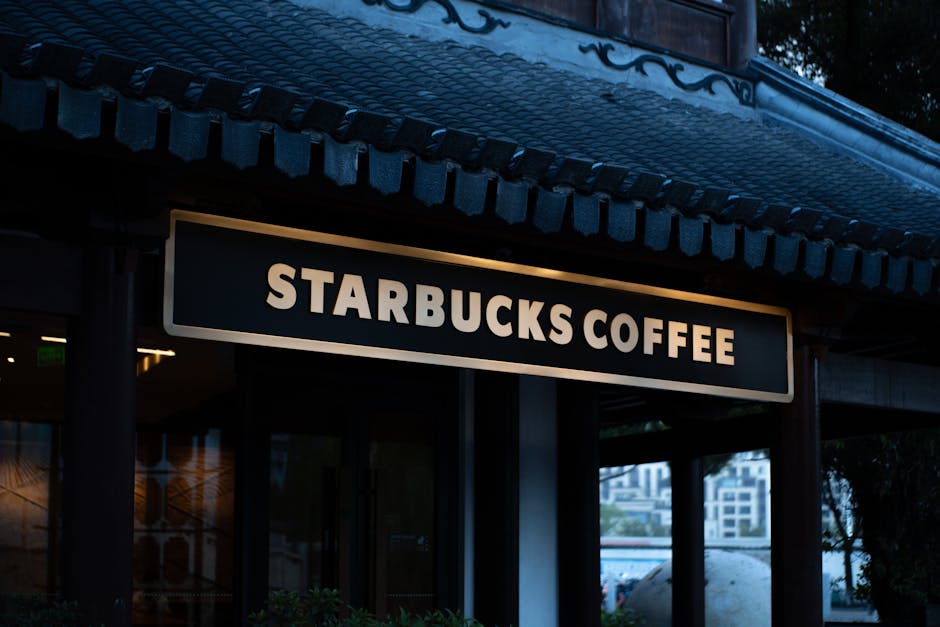
Local Influencers and the Rise of Starbucks’ Premium Perception in Asia: A Playbook for Global Brand Elevation
In the ever-shifting landscape of global commerce, no brand has fused aspiration, localization, and digital mastery quite like Starbucks. The company’s journey from Seattle coffeehouse to the definitive "third place" across Asia’s cityscapes exemplifies a dynamic, data-driven evolution. As Starbucks commands a steadfast premium—sometimes 30–50% above local benchmarks—its recent advances in partnering with local influencers signal a profound turning point, not only for the brand, but for the entire concept of value creation in consumer markets. This exposé reveals how Starbucks is rewriting the rules, weaving hyper-local narratives with influencer alliances, and why this strategy holds keys to future brand dominance.
The Anatomy of Aspirational Pricing: Starbucks' Premium Playbook
Historical Context and Localization as Foundation. Decades ago, Starbucks introduced the West to a new kind of coffee culture—one emphasizing ritual, ambiance, and status. However, this “third place” ethos proved truly transformative when exported to Asia, where rapid urbanization and shifting consumer values created fertile ground for localized reinvention.
In China and India, Starbucks’ menu adaptation—think matcha lattes in Japan, or mooncakes during local festivals—transcends superficial localization. Regional teams, empowered with end-to-end campaign authority, engineer experiences that "speak like the market," earning deep loyalty in environments saturated with value-driven, local chains.
From Global Consistency to Local Resonance. While the classic Starbucks atmosphere remains, the real differentiator is cultural nuance. In China, Starbucks stores are not just coffee stops but aspirational social hubs; their higher prices encode exclusivity and success. In India, outlets double as safe harbors for the modernizing middle class—centers of urban identity where influencer narratives fuel communal pride.
Influencer Integration: The New Frontier of Brand Advocacy
Influencers as Cultural Interpreters. The pivot to influencer partnerships marked a watershed in Starbucks’ strategy. Instead of relying on megawatt global stars, Starbucks prioritized local Key Opinion Leaders (KOLs) on platforms such as Weibo, Douyin, Instagram, and TikTok. The effect? Brand storytelling that is less broadcast, more embedded—threaded straight into the tapestry of local festivals, slang, and everyday rituals.
As evidenced in the Dutch market, young creators—some as young as 12—have delivered remarkable engagement, advocacy, and recall. In Asia, influencer-generated content around events like Lunar New Year or Diwali routinely outperforms official campaigns in terms of emotional resonance and viral reach.
Hyper-Local Storytelling, Measurable Impact. According to 2025 IMC studies, influencer collaborations have yielded extremely high engagement rates among Gen Z and Millennials, especially when linked to digital rewards and seasonal campaigns. For example, in China, a mooncake campaign supported by local KOLs delivered a 20% loyalty lift and cemented Starbucks’ reputation as a lifestyle brand—a feat unachievable through traditional advertising alone.
Patterns and Tactical Shifts: A Model for Premium Perception
Decentralization and Feedback Loops. Central to Starbucks’ recent success is devolving campaign control to regional teams that understand granular local dynamics. This bottom-up approach ensures real-time adaptation to trends, feedback, and competitor moves. It’s not just about “thinking local”—it’s about operationalizing local intelligence.
Of note, the company’s digital infrastructure ties influencer content directly into loyalty programs and apps, producing a measurable 25% boost in repeat visits in Asian markets.
Micro-Influencers: Authenticity at Scale. Rather than over-investing in high-profile names, Starbucks increasingly leverages nano- and micro-influencers. These voices—often with 1,000 to 50,000 followers—deliver six times higher engagement and are 30% more cost-effective, according to recent cross-market analyses.
Seasonal Amplification and Community Rituals. Seasonal tie-ins (e.g., Q4 festivals in Southeast Asia) see Starbucks collaborating with TikTok influencers, often resulting in a 40% premium sales spike during campaign windows. Event-based content—such as influencer-hosted store pop-ups or user-generated #StarbucksLocal challenges—deepens community integration, converting momentary excitement into sustained advocacy.
Comparative Perspectives: Starbucks vs. Local Competitors
Premium Tolerance vs. Price Wars. Local rivals, especially in China and India, win on price and nimble authenticity. Their “grab-and-go” model appeals to value shoppers. Starbucks, however, has successfully shifted the battleground: it’s not about price, but aspiration. With influencers as ambassadors, consumers are willing to pay 30–50% more for a brand experience that affirms status and belonging.
While locals may spark short-term engagement, they struggle to recreate the multi-layered “story” Starbucks weaves through influencer partnerships, app ecosystems, and community-driven campaigns.
Engagement, Loyalty, and Market Share. Measured by repeat engagement, net promoter scores, and app-driven conversion, Starbucks routinely outpaces local players. In China, influencer marketing has delivered a fivefold return on investment, sustaining 40% premium pricing above the competition. In India and Southeast Asia, similar lifts in advocacy and app sign-ups cement Starbucks’ position as the preferred cultural hub.
Regional Rollouts: Real-World Tactics Across Asia
China: Weibo and Douyin Domination. With over 6,000 stores, Starbucks collaborates with KOLs on Douyin for festival tie-ins and lifestyle content, leveraging Xiaohongshu’s creator network to propel mooncake campaigns into popular consciousness. Engagement routinely surpasses 100,000 mentions per month.
India: Instagram and Grassroots Rituals. Starbucks’ influencer campaigns tap into Instagram Reels creators to highlight festival-specific drinks (think Diwali-inspired chai lattes). Nano-influencer networks organized via Influencer.in and LinkedIn amplify both reach and authenticity.
Southeast Asia: TikTok and Youth Dwell Time. In markets such as Indonesia and Thailand, TikTok influencers turbocharge product launches, while large, WiFi-enabled stores serve as social hubs for the region’s digital-native youth. Data shows dwell time and engagement rise by up to 25% thanks to influencer-driven UGC (User-Generated Content) challenges.
Expansion Beyond Asia. Starbucks’ Asian playbook now extends to Japan (with matcha-focused creators via Line), and even to European markets experimenting with the Dutch youth influencer model.
Quantifying Success: Metrics That Matter
Key Performance Indicators (KPIs). Starbucks tracks influencer success through:
- Engagement Rates: 8–12% via local creators
- Conversion: 15% of influencer traffic to app sign-ups
- NPS Premium Score: A 20-point post-campaign lift
- Cost per Acquisition (CPA): $2–5 (versus $10 via traditional ads)
Risks, Challenges, and Responsive Innovation
Guardrails for Authenticity. The primary risk is overreliance on macro-influencers, which can dilute authenticity. Starbucks mitigates this by maintaining a balance—70% of influencer budgets now target nano- and micro-creators, who more credibly mirror local consumer values.
Cultural missteps remain a potential pitfall. Starbucks’ decentralized, regionalized vetting process ensures campaigns are sensitive, relevant, and adaptable—critical as Asian societies continue to evolve rapidly.
Measurement and Real-Time Optimization. Attribution challenges are resolved via app data and UTM tracking, feeding a closed-loop system that enables continual campaign refinement. Advanced platforms like Aspire.io allow Starbucks to match creators with precise cultural fit, sometimes using AI-based vetting.
Looking Forward: The Next Wave of Brand-Influencer Collaboration
As urbanization accelerates in Asia and digital ecosystems deepen, the fusion of influencer storytelling and brand infrastructure will only intensify. AR filters co-branded with TikTok, sustainability narratives via eco-influencers, and global scaling of Asia’s most successful tactics are already on the horizon.
“Starbucks’ influencer-driven localization isn’t just a campaign—it’s the architecture of a future where brands are lived, not just consumed. The premium is not in the price tag, but in the community co-created every day.”
The company’s blueprint combines “hyper-local resonance” with market-leading digital innovation, fortifying its role as the aspirational “third place” in both established and emerging markets. As a result, projected gains in market share and brand equity could exceed 10–20% in the next two years alone, solidifying the model for others to emulate.
What Businesses Can Learn: Cross-Functional Lessons and Action Steps
Empower Local Teams, Deploy Precise Metrics. Starbucks’ story shows the ROI of decentralizing strategy, trusting regional insight, and moving fast on localized opportunities. Metrics—from engagement rates to CPA—must guide every campaign iteration.
Blend Tech with Human Touch. Digital ecosystems amplify, but cannot replace, culturally attuned creative leadership. Automation and data tools should support, not supplant, deep local storytelling.
Replicate, Don’t Duplicate. Effective strategies in one region (e.g., matcha campaigns in Japan) should be adapted, not copy-pasted, for each new market. Authenticity is market-specific.
For those seeking a toolkit ready for immediate use, Starbucks’ 15-step action plan outlines everything from micro-influencer outreach templates to dashboard design. Direct engagement platforms—Xiaohongshu in China, Influencer.in in India, TikTok in Southeast Asia—are in active use now, enabling rapid pilot and scale.
Conclusion: The Strategic Imperative of Influencer-Driven Localization
In a world where consumer loyalty is fluid and cultural speed is relentless, Starbucks’ mastery of local influencer partnerships serves as both a warning and a blueprint: brands that seek to command a premium must earn it by embedding themselves authentically into the rhythms of local life. The old playbook—broadcast campaigns and one-way messaging—no longer suffices.
Starbucks has shown that premium positioning is not an act of pricing, but a process of co-creation. By enlisting local influencers as cultural co-architects, the brand turns every store into a community touchstone—one validated, amplified, and defended by the very consumers it serves.
For organizations pursuing resilient, high-margin futures, the Starbucks model is a clarion call: invest in regional expertise, empower your local voices, and let influencers write your next chapter. The premium brand of tomorrow is not what you say it is—it’s what your community believes it to be, together.
For an extended deep dive into case studies, direct engagement links, and tactical guides, review the latest research from sources such as Kadence International, Growth HQ, and interdisciplinary academic reviews in the International Journal of Strategic and Applied Thinking.