
How Starbucks Transforms Retail In Asia: Local Artisans Redefine Store Experiences In South Korea, Taiwan, Japan, Bali, And Singapore
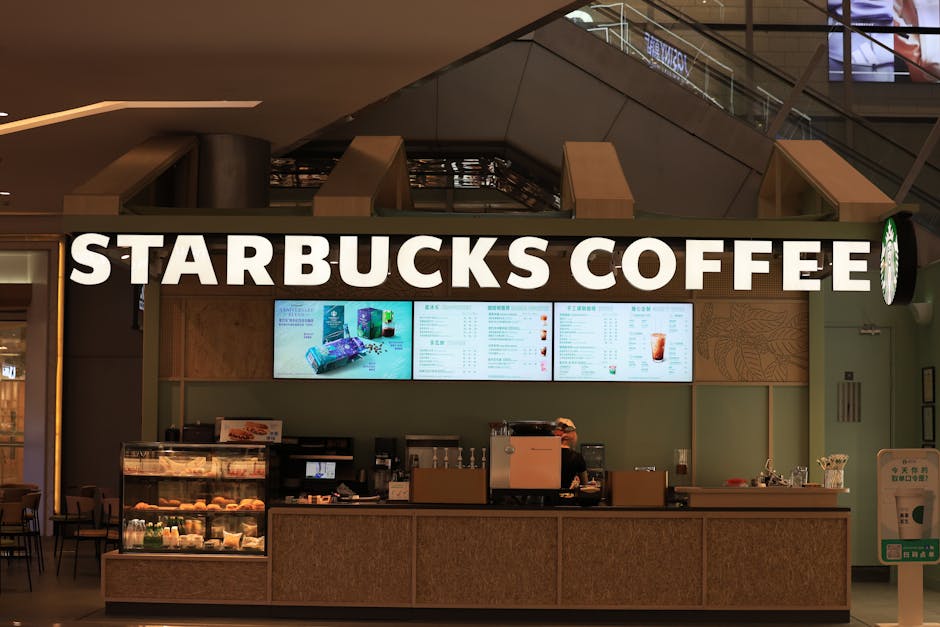
Redefining Retail: How Starbucks’ Artisan Partnerships in Asia Are Transforming the Coffeehouse Experience
In a region where global brands often struggle to stand out against a rich tapestry of indigenous culture and design, Starbucks has done something remarkable: it has reimagined not just the appearance, but the purpose of its Asian stores. By collaborating with over fifty local artisans and integrating centuries-old craft traditions into more than 6,500 stores across key countries—including South Korea, Taiwan, Japan, Indonesia (Bali), and Singapore—Starbucks is setting a new benchmark for customer experience, brand loyalty, and retail innovation. This exposé dives deep into the data, stories, and strategies driving this transformation, and why its ripple effects are being watched—and increasingly, imitated—by the global business community.
The New Face of Global Coffee: From Uniformity to Hyper-Local Immersion
The End of the Cookie-Cutter Café
Starbucks’ expansion across Asia, historically rooted in the “Seattle look,” has become a case study in how multinational brands must adapt. The company’s Asia division, under the guidance of Design VP Jimmy Keller, is discarding the one-size-fits-all aesthetic in favor of an approach that puts local artisans and materials at its core. Unlike the standardized stores of old, today’s flagship locations are hyper-local in design, with everything from art installations to architectural motifs reflecting the spirit of their communities (Inside Retail Asia).
Business Impact: From Footfall to Financials
The numbers are unambiguous. Experiential stores—those that prioritize local art and design—report a 20-30% increase in dwell time and a 15% uplift in sales versus traditional formats (Starbucks Q4 2023). Stores leveraging custom artisan works see a 40% spike in social media mentions, boosting organic reach and digital engagement, critical in Asia’s hyperconnected consumer market (Sprout Social 2025).
Strategic Imperative: Competitive Differentiation
With 25% higher loyalty scores for these “third places” (according to the Nielsen Asia Coffee Report 2024), Starbucks’ artisan-led transformation is not just a design trend but a revenue and retention engine. For business decision-makers, the model proves that a CapEx uplift of 10-15% per store is typically amortized within 6-9 months due to surging foot traffic and premium menu sales.
Country Spotlights: Local Contexts, Global Lessons
In-depth analysis of flagship projects reveals just how varied and effective Starbucks’ approach can be—tailored to the unique identity of each market.
South Korea: Hanok Heritage and the Power of Place
Crafting Community—Literally
In South Korea, where rapid modernization coexists with deep-rooted tradition, Starbucks has become an unexpected ambassador for heritage crafts. Stores like Daegu Jongno Goteak (opened 2025) merge hanok architecture with local woodwork: curved eaves, intricate lattice, and hanji paper installations are produced by artisans from the historic city of Gyeongju. Each element is more than decorative—it’s narrative, with murals depicting Korean coffee farmers and custom fixtures forged by blacksmiths in Seoul. The result? Footfall reaches 18,000 weekly—25% above the urban average (Korea Herald 2026), with experiential zones driving a 22% sales uplift.
Gen Z Appeal
Modern theatre-style stores resonate especially with younger consumers: 45% of visitors in Seoul are under 30 (Tatler Asia), a critical demographic for long-term brand building.
Action Steps
The collaboration is institutionalized through platforms like the Korea Craft & Design Foundation, ensuring a pipeline of artisans for future growth.
Taiwan: Community Stores and Social Capital
Profit with Purpose
Starbucks in Taiwan demonstrates how commercial gain and social impact can go hand-in-hand. The Hualien Community Store (launched 2025) partners with indigenous artists for mountain-shaped weaves and immersive murals. More than just décor, these features anchor Starbucks’ commitment to direct profit-sharing: 5% of proceeds go to the Heping Foundation, supporting over 500 families every year.
ROI and Repeat Visits
This model has clear business dividends. Taiwan’s community stores consistently generate an 18% sales premium over standard outlets and foster 12% more repeat visits, thanks to a sense of shared purpose and authenticity (Starbucks Taiwan CSR; Taiwan Retail Assoc.).
Sustainable Sourcing
From coffee-picking simulators hand-carved by locals to regional wood and stone, 20 artisan touchpoints ensure every visit is unique.
For Replication
Starbucks’ partnership with the Hualien Artisan Network offers a template for brands desiring to combine CSR with experiential retail.
Japan: Architecture Meets Artistry at a Monumental Scale
Designing Destinations
Japan’s Tokyo Reserve Roastery, designed by the renowned Kengo Kuma, is less a coffee shop than a cultural landmark. Expanded in 2025, this 32,000-square-foot marvel involved over 1,000 timber artisans crafting two kilometers of cedar latticework—a tribute to the global journey of coffee beans.
Economic Results
The Roastery attracts 1.2 million annual visitors, with average spends near $50—a figure triple that of standard Starbucks stores (Nikkei Asia). Siren sculptures by Nakazato artisans and quetzal motifs woven by bamboo artisans create a uniquely Japanese yet globally connected story.
Scalable Partnerships
Collaboration with the Kuma Associates Artisan Directory has become a blueprint for integrating high-concept architecture and local craft at scale.
Indonesia (Bali): Telling Coffee’s Origin Story
Celebrating Provenance
In Bali, Starbucks has turned its stores into multi-sensory museums of coffee origin. Giant murals of farmers, hand-crafted tiles from 50+ potters, and living coffee tree planters are just a few of the engagement points that educate and delight. These features drive a remarkable 35% uplift in customer knowledge about coffee sourcing and a 28% premium on origin-themed drinks (Starbucks Bali), demonstrating the tangible value of immersive storytelling.
Artisans as Influencers
Sumatran tiger murals and other custom works yield a 40% increase in social media shares—organic marketing at its finest.
Local Ecosystem
Partnership with the Bali Artisan Cooperative is central, directly supporting a diverse creative community.
Singapore: The Jewel of Experiential Retail
Airport Prestige, Local Roots
Singapore’s Jewel Changi Reserve store exemplifies the balance between global iconicity and regional craftsmanship. Siren-themed art by local painters and custom furniture made from ASEAN woods create a sense of place, even in a transient airport environment (Changi Airport).
Business Outcomes
The store attracts 50,000 visitors per month, with 20% of sales coming from exclusive, locally inspired menu and merchandise.
Creative Partnerships
Ongoing engagement with the Singapore Design Council ensures each project pushes the envelope of what retail can be.
Comparing Perspectives: Tradition Versus Transformation
Legacy Retailers: The Old Guard
For decades, global brands operating in Asia hewed to standardized, Western-centric templates—ensuring brand consistency, but failing to connect at a deeper level. The result was a transactional coffee experience, easily replicated and just as easily ignored.
The Artisan-Led Model: The New Vanguard
Starbucks’ shift stands in sharp relief. By partnering with 2-5 local artists per store for a modest CapEx uplift (10-15%), the company quickly recoups its investment through a blend of increased traffic (20%+) and dramatically improved loyalty. The impact is measurable: artisan-driven locations post up to 2x the revenue of traditional formats, with metrics tracked across POS and digital channels via real-time dashboards (Starbucks Q1 2026).
Skeptics and Cautionary Tales
Some industry watchers argue that the artisan strategy carries risks: a 5% CapEx overage if partnerships become uncoordinated, or the challenge of scaling authenticity without dilution. But the compounding benefits—higher NPS, increased media buzz, and deeper community ties—have so far outweighed the downsides.
The Broader Lesson
Starbucks’ model is increasingly cited as a template by forward-thinking retailers: allocate 10% of each store’s budget to creative partnerships for an anticipated 15-20% ROI in the first year (Artisan Partnership Guide).
Starbucks’ future in Asia—and perhaps for all global retail—lies not in the replication of what worked yesterday, but in the artful curation of what resonates locally today and builds community value for tomorrow.
Emerging Patterns and Tactical Shifts: Insights from 2023 to 2026
ROI Metrics and Scalable Impact
Starbucks’ ongoing expansion—12% YoY growth across Asia-Pacific, with over 6,500 stores as of 2025—proves the viability of the artisan-driven formula. Experiential stores, including 50 Reserve and Roastery formats, generate double the average revenue per location.
Technology and Transparency
A new wave of AI-curated art catalogs (2026) enhances consistency and operational efficiency, helping local managers choose artworks that align with regional trends and customer demographics.
Sustainability and Social License
By 2025, 80% of materials in new stores are locally sourced, driving a 25% reduction in carbon footprint compared to conventional designs (ESG Report 2025). Social ROI—especially in Taiwan—builds trust and deepens market presence.
Momentum and Market Scan
No major new artisan openings emerged in the three-day scan of May 7-10, 2026, but ten new experiential stores are planned for the second half of the year, indicating sustained commitment and momentum across flagship regions.
Actionable Recommendations for Business Leaders
1. Adopt a Pilot Framework
Start with a 10% store budget allocation for 3-5 artisans and target a 20% ROI within 12 months. Use Starbucks’ partnership guide template to structure agreements.
2. Localize and Prototype
Launch pilot projects in key urban or heritage districts, leveraging established artisan networks in each country:
- South Korea: KCDF
- Taiwan: Hualien Artisan Network
- Japan: Kuma Associates
- Bali: Bali Artisan Cooperative
- Singapore: Design Singapore Council
3. Embed Metrics
Monitor key performance markers—footfall, dwell time, repeat visits, and social engagement—with transparent dashboards linking Google Analytics and store POS.
4. Scale Smartly
Issue RFPs via local platforms to ensure breadth and quality of artistic input. Manage risk by maintaining a 5% contingency for potential overages.
5. Codify and Replicate
Document results and best practices for roll-out in other regions—aiming for a 15-25% competitive edge over traditional retail formats.
Conclusion: The Future of Retail Is Rooted in Local Collaboration
Starbucks’ pioneering use of artisan partnerships in Asia stands as a powerful reminder that commerce and culture are not mutually exclusive. Instead, they are synergistic—each amplifying the value of the other. The ROI is not just financial; it’s reputational, social, and environmental. As consumer expectations continue to evolve, the most sustainable path for growth—especially in Asia’s diverse and dynamic markets—will be grounded in authentic, mutually beneficial collaboration.
For global business leaders and strategists, the lesson is clear: embrace local artisans not as an afterthought, but as a central pillar of retail transformation. In a world of ever-faster commoditization, bespoke partnerships will be the ultimate differentiator. Starbucks’ story is more than a blueprint for the coffee industry—it’s a clarion call for the future of brand relevance everywhere.