
How Super Apps And Data-Driven Coffee Chains Are Transforming Singapore And Malaysia’s Consumer Landscape In 2025
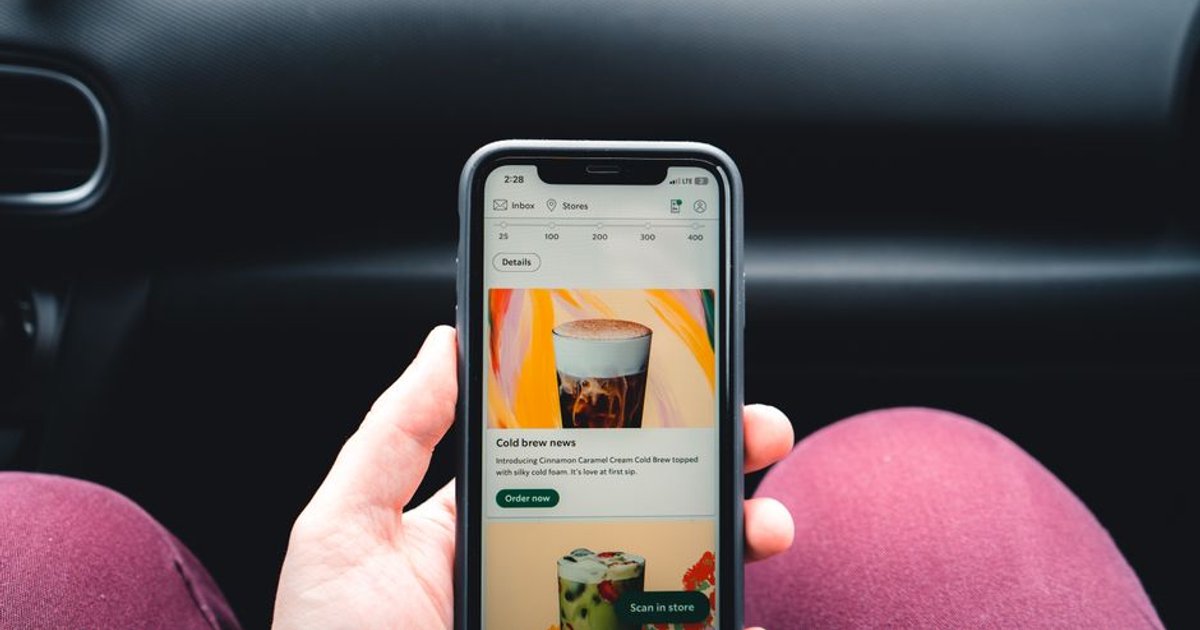
Fragmented Frontiers: The Digitization of Coffee, Beauty, and Commerce in Southeast Asia
The Southeast Asian consumer landscape is experiencing an unprecedented convergence of digital platforms, personal data, and everyday transactions. Coffee chains once defined by their physical presence now move at the speed of algorithms, while beauty routines and retail loyalty programs are recalibrating in the shadow of super-apps and AI-powered platforms. As companies like Grab, Luckin Coffee, ByteDance, and homegrown Malaysian coffee brands race to integrate payments, rewards, and personalized experiences, the boundaries between convenience, value, and dependency blur more than ever. This exposé unpacks the engines driving this transformation, laying bare the strategies, risks, and unseen consequences for brands, consumers, and markets alike.
Grab's Evolution: From Super-App to Ecosystem Powerhouse
Redefining Platform Loyalty: The story of Grab in Singapore is no longer just about ride-hailing or food delivery. Instead, the company is actively constructing a "lifecycle ecosystem," where mobility, dining, delivery, finance, and payments are interwoven through a single digital interface. The migration of Chope rewards into GrabCoins is a pivotal case. By making rewards fungible across categories, Grab is shifting customer allegiance from siloed merchants to the platform itself. This cross-category wallet loyalty is no accident, it is a calculated move in the race to own the digital customer journey.
BNPL and Digital Finance: Integrating Atome-style Buy-Now-Pay-Later (BNPL) into dining is not just an additive feature, it is a disruptive force. While BNPL can boost affordability for consumers and drive higher conversion for merchants, it also introduces new vectors of risk: underwriting complexities, the potential for late payments, and evolving regulatory scrutiny. The core question for observers is whether BNPL genuinely stimulates incremental consumption, or simply shifts when and where spending occurs.
Implications for Stakeholders: For restaurants, these integrations mean access to richer payment data, targeted promotions, and a new flow of demand. Yet, this convenience can breed a dependency on the platform's fees, ranking algorithms, and opaque policy updates. For households, the convenience of portable rewards is offset by heightened data concentration and potential exposure to fragmented, even overlapping, credit obligations.
A Platform Consolidation Thesis: It is tempting to view Grab’s trajectory as a triumph of super-app engineering. The deeper reality may be more nuanced: a march toward platform consolidation, in which loyalty, payments, and credit form a mutually reinforcing triad that reshapes, not just serves, urban consumption.
Beauty in Context: Acne, Climate, and the Science of Skin
The Complex Biology of Acne: Acne has long been misunderstood as an affliction of oily skin or adolescence. Yet, research shows it is the result of tangled threads: excess sebum, *Cutibacterium acnes* activity, hormonal signaling (particularly androgens), and inflammatory triggers. Adult female acne, for example, is increasingly tied to hormonal cycles and environmental exposures.
Skin Types and Misconceptions: The myth that only oily skin gets acne is being dismantled. Sensitive or dry skin users can also be acne-prone, especially with use of occlusive products or exposure to irritants. Thus, "acne-prone" emerges as a more credible, inclusive descriptor, reshaping both diagnosis and skincare marketing.
Climate Interactions: Both heat and humidity amplify sebum production, sweat, and skin friction, creating fertile ground for breakouts. However, cold, dry climates can actually weaken the skin barrier and increase irritation from treatments, requiring a rethink of universal routines. As context-rich skincare enters the mainstream, it is critical to note that climate does not directly cause acne; it modifies its course, severity, and treatment susceptibility.
Anti-Wrinkle Strategies: Injections Versus Peptides
Mechanisms and Expectations: There is a world of difference between anti-wrinkle injections, such as Botox, and topical peptides. The former works by reducing muscle contraction in targeted areas, smoothing dynamic lines (think frown lines or crow’s feet), and typically produces visible effects in days. Peptides, in contrast, are cosmetic ingredients that work to support skin hydration, barrier repair, and subtle signalling. Their effects are gradual, modest, and depend heavily on consistent use.
Comparative Risks and Suitability: Injections require a qualified practitioner and carry risks of bruising, asymmetry, or droop, albeit temporary. Peptides, while generally safer, can still provoke irritation or allergic reactions in sensitive users. This makes peptides a low-risk adjunct, not a substitute for neuromodulators.
The Real Consumer Question: It is less about which option is "better" and more about identifying the problem at hand: are we treating movement-driven wrinkles or aiming for improved skin texture and health? The answer dictates the right intervention, and opens up commercial opportunities for brands to position these solutions as complementary, not competitive.
Spotlight: Aura Bright 3-in-1 and the Realities of Brightening
"3-in-1" Claims and Ingredient Scrutiny: Aura Bright and similar products frequently tout solutions for pigmentation, uneven tone, and dullness. Yet, the actual effectiveness depends on the concentration and presence of proven ingredients, like sunscreen, vitamin C, niacinamide, retinoids, alpha-arbutin, azelaic acid, or exfoliating acids. Ingredient order on the label alone is not enough for clinical credibility.
User Behavior and Success: Treatment regimens often fail not due to poor formulations, but because of inconsistent sunscreen use or the overzealous application of irritating actives. Pigmentation, in particular, is a stubborn challenge requiring patient, multi-step care. This is a universal biological story, despite gendered marketing; men may simply face unique irritations due to shaving.
Responsible Messaging: Brands must be careful to draw a line between "brightening" and "bleaching," steering clear of false promises about rapid or permanent removal. Patch-testing and stepwise ingredient introduction should be advocated, especially for those with sensitive or darker skin.
Luckin Coffee: The App as Operating System
Data, Scale, and Personalization: Luckin Coffee’s rise is inseparable from its app-first model. With an often-quoted network of around 41,000 stores (a figure that should be verified against the latest investor filings), Luckin has built its business on direct app-based ordering, aggressive promotions, rapid product experimentation, and data-fueled localization.
The Luckin app is more than an ordering tool; it is the engine connecting demand forecasting, promotions, menu development, and store utilization. Personalization is not merely an aspiration, it is a core operational principle, as evidenced by recommendations based on ordering history, location, and consumption timing on apps in China, Singapore, and Malaysia.
Competitive Dynamics: In contrast to the Western emphasis on café ambience, Luckin’s success hinges on price, speed, digital conversion, and relentless experimentation. Heavy discounting, while effective for trial, brings the risk of eroding brand economics and creating promo-dependent customers. The question is not whether the model works, but how sustainable it is at scale.
ByteDance: Building a Global Commerce and AI Powerhouse
Strategic Pillars: ByteDance is evolving far beyond the viral reach of TikTok. Its expansion includes TikTok Shop, AI investment, local partnerships, creator-driven commerce, and a focus on compliance tailored to each market. In Southeast Asia, TikTok Shop is reported to have generated about $34 billion in gross merchandise value (GMV) in 2024, with some commentary projecting over $65 billion for 2025. These are substantial numbers, though they stem from industry estimates and may not reflect audited results (source).
The strategy is not to export a single model globally, but to build local seller networks, logistics, payment, and regulatory structures. Europe and Japan are priorities for further expansion, with a focus on recruitment and deep localization. The company’s AI investments target recommendation engines, advertising, translation, and moderation, but they come with rising infrastructure costs and mounting regulatory scrutiny.
Regulatory Fragmentation: ByteDance’s greatest challenge may be less about technological prowess and more about navigating fragmented regulations, from data governance to cross-border ownership and platform liability. The model’s scalability is contingent on resolving these frictions.
The Coffee Bean & Tea Leaf: Navigating Between Mass and Premium
Brand Position and Opportunity: The Coffee Bean & Tea Leaf (CBTL) occupies a unique niche between the mass-market appeal of giants like Starbucks and the authenticity of specialty cafés. Its equity resides in a blend of coffee, tea, bakery, and a hospitable, sit-down experience.
Growth opportunities for CBTL include smaller-format stores, drive-throughs, delivery, packaged retail products, and strengthened loyalty programs. The competitive stakes are clear: Starbucks leverages scale and loyalty data, Luckin pushes app-driven efficiency and price, and independents win on distinctive product experience. CBTL’s strategic imperative is to modernize digital engagement while preserving the slower, welcoming in-store atmosphere that differentiates it.
Shifting the Metric of Success: The temptation to maximize store count is strong, but CBTL’s more sustainable path may lie in increasing customer frequency and capturing a greater share of wallet, both in-store and through at-home consumption.
Dunkin’: Franchising, Frequency, and the Everyday Treat
Strengths and Strategic Priorities: Dunkin’s model is built for scale through franchising, with strong brand recognition and a focus on convenience. However, this also brings risks, franchisee economics can be fragile, and the in-store experience is not always consistent.
With competition intensifying across breakfast, beverages, and convenience formats, Dunkin’s growth strategy is to broaden its relevance beyond morning routines. Priorities include expanding cold beverages, targeting afternoon occasions, enhancing loyalty personalization, and driving international franchising. The company’s strongest play is to double down on its “accessible everyday treat” proposition, resisting the urge to chase premium brands it cannot out-authenticate.
Threats and Opportunities: In the face of labor inflation, evolving health preferences, and an expanding field of rivals, Dunkin’s future will be determined by the quality of its franchisee network and its ability to drive frequency, not just new store openings.
Malaysia’s Technology-Driven Coffee Evolution
Digital Transformation of Coffee: Malaysia’s coffee brands are radically shifting household consumption by leveraging apps, e-wallets, loyalty points, and digital vouchers. Coffee, once an occasional treat or social outing, is becoming an integrated, recurring digital-commerce category.
Loyalty programs are increasingly sophisticated, targeting consumers based on time-of-day, weather, location, and purchase history. Subscriptions and stored-value wallets increase convenience and lower perceived prices, driving habitual behavior.
Localization and Strategic Risks: The real competitive edge lies not in store numbers, but in the seamless integration of product relevance, payment convenience, and habit formation. Local brands have the advantage of tailoring their menus to Malaysian tastes, halal requirements, and affordable pricing. However, the proliferation of app-based offers has its own risk: loyalty to discounts rather than to the brand itself.
The next phase of Southeast Asia’s digital commerce will not be won by the platform with the most stores, but by the brand that shapes, and owns, the daily digital ritual.
Comparative Perspectives: What Sets These Models Apart?
Super-Apps versus Specialty Platforms: Southeast Asia’s markets are uniquely receptive to super-app models, a single interface that unifies rides, food, payments, and more (e.g., Grab). In comparison, Western markets tend to retain more specialized, vertical platforms, privileging choice over integration.
Data as the New Loyalty Engine: Whether it is Luckin’s app, Grab’s cross-category rewards, or ByteDance’s AI infrastructure, the common thread is data-driven personalization. This is transforming both operational efficiency and the nature of brand-consumer relationships. Personal data is no longer just a byproduct, it is the raw material of loyalty and up-selling.
Risks of Over-Consolidation: While digital consolidation generates unmatched convenience, it also introduces new chokepoints for dependency, data privacy, and regulatory intervention. The deeper a brand integrates itself into the consumer lifecycle, the greater its influence, and its responsibility.
Conclusion: The New Rules of Engagement
The rapid convergence of digital, financial, and retail experiences in Southeast Asia is not just a phase, it is the foundation of a new consumer order. Brands are moving from being mere service providers to architects of daily life, orchestrating transactions, recommendations, and rewards with unprecedented precision. Amid this transformation, the winners will be those who combine product relevance, responsible personalization, and platform stewardship, not simply those who chase short-term app downloads or store expansions.
The strategic imperative for every player in this arena, whether a multinational chain, local hero, or tech platform, is to understand that convenience and loyalty are now built on the invisible infrastructure of data and habit. The decisions being made today, from loyalty integrations to AI investments, will define not just who dominates the next season, but who sets the terms of engagement for an entire generation of digital consumers.