
How Tech-Enabled Coffee Chains Like ZUS Are Transforming Malaysias Fast-Growing Coffee Market In 2024
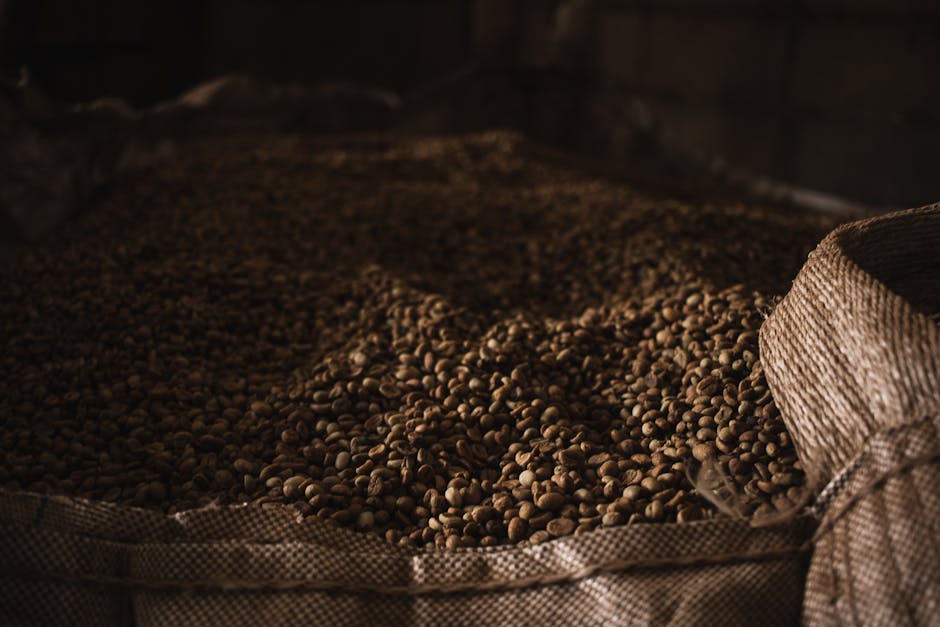
Brewing the Future: How Technology is Transforming Malaysia’s Coffee Chain Landscape
Malaysia’s coffee market is at an inflection point, where tradition meets innovation and local culture converges with global tech-forward ambitions. In just a few years, the landscape has evolved from neighborhood kopi tiams and single-origin beans to a dynamic battleground for tech-enabled coffee chains vying for market supremacy. An ever-growing demand for premium, organic, and ethically sourced brews—supported by digital disruption and investment—has set the stage for unprecedented growth. As consumption is projected to rise from 1,000 metric tons in 2023 to 1,240 metric tons by 2028 (source), Malaysia’s coffee story is being rewritten in real time.
Tracing the Arc: Market Growth and the Rise of Tech-Enabled Chains
Market Scale & Ambition: Coffee consumption in Malaysia is no longer just a daily ritual—it is a multifaceted, high-growth industry. The sector’s expected steady annual growth rate of 3% reveals deepening consumer engagement, while the foodservice market (which encompasses coffee chains) is on track to skyrocket from USD 16.67 billion in 2026 to USD 30.74 billion by 2031, at a CAGR of 13.05% (source). These figures underscore the stakes for chains hoping to win market share.
Tech-Enabled Expansion: ZUS Coffee stands out as a blueprint for scalable, tech-driven innovation. The chain’s meteoric growth—from 18 stores in 2020 to approximately 600 by 2024—was turbocharged by a RM250 million investment from investors including KV Asia Capital and Indonesia’s Kapal Api Group. Their strategy hinges on using technology not only for operational efficiency, but also to amplify customer engagement and regional expansion (source).
Unpacking Innovation: Real-World Implications of the Tech Renaissance
Digitalization and Customer Experience: While specifics on proprietary tech tools are sparse, chains like ZUS Coffee exemplify a move towards tech-enabled retail models—mobile ordering, loyalty programs, AI-driven personalization, and streamlined back-end supply chain management. These tools turn each store into a data-rich node that responds to local tastes and demand patterns. For consumers, this means a seamless, customizable experience and access to premium offerings once limited to urban centers.
Supply Chain and Scalability: Scale brings logistical challenges—yet Malaysia’s competitive chains are deploying digital supply chain solutions, likely integrating demand forecasting, inventory automation, and regional sourcing platforms. These innovations allow operators to maintain quality and efficiency across hundreds of outlets, while responding nimbly to shifting market preferences for organic and fairly traded products (source).
Investment as a Catalyst: The RM250 million injection into ZUS Coffee signals investor confidence in Malaysia’s ability to nurture coffee chains that can compete regionally and globally. This capital is not merely funding expansion—it is underwriting a new operational paradigm based on tech agility and consumer insight.
Emerging Patterns: The Competitive and Cultural Landscape
Premiumization & Ethical Consumption: Driven by sophisticated urban consumers and an expanding middle class, Malaysia’s coffee market is in the midst of premiumization. Chains are targeting this segment with specialty blends, organic options, and ethical sourcing—a trend mirrored globally (source).
Regional Expansion and Local Adaptation: Although granular data on regional differences within Malaysia is limited, the rapid proliferation of outlets—especially by tech-first players—suggests growing inclusivity. Chains are likely leveraging customer data to adapt menus and service models to reflect local taste preferences, positioning themselves to grow beyond metropolitan strongholds.
Competitive Intensity: The scalability of tech-enabled chains has lowered barriers to entry and intensified competition. This is prompting both established brands and new entrants to invest in technology—not just as an enabler, but as a differentiator. Those who lag risk losing relevance in an environment that prizes speed, customization, and transparency.
Comparative Perspectives: Tradition vs. Disruption
Malaysia’s coffee culture has long thrived on the intimacy of brick-and-mortar kopitiams, where rituals are deeply local and flavors evoke homegrown pride. Yet, in the shadow of rapid technology adoption, these traditional players face existential questions.
For Established Chains and Kopitiams: Many must navigate the tension between legacy and innovation. The reliance on manual processes and personal relationships is being tested by consumer expectations for digital convenience, speed, and consistently high quality.
For Tech-Forward Entrants: Chains embracing digital tools, capital investment, and modular expansion are not just growing fast—they are rewriting the rules. Their embrace of data analytics and process automation is redefining what it means to be a contemporary coffee chain. Yet, the challenge remains: how to sustain authenticity and community as scale accelerates.
“The next decade will see Malaysian coffee chains who master the intersection of technology, consumer insight, and ethical sourcing build new paradigms of value—setting standards not just for the region, but globally.”
Forward-Looking Insights: What’s Next for Malaysia’s Coffee Chain Ecosystem?
Tech as a Strategic Imperative: Future growth will be shaped by those who view technology as core to their business—not merely an add-on. We can expect deeper investment in AI, omnichannel platforms, and end-to-end supply chain digitization.
Consumer-Centric Evolution: As Malaysian consumers grow more sophisticated, chains must anticipate and personalize experiences at every customer touchpoint—leveraging data to forecast trends and respond to changing preferences.
Competitive Regional Expansion: With regional growth accelerating, the ability to localize offerings and maintain brand consistency will become a critical differentiator. Chains that balance efficiency with cultural relevance will win both urban and rural markets.
Sustainability and Social Impact: Ethical sourcing, fair trade, and transparent supply chains are likely to move from “nice-to-have” to “must-have,” reshaping procurement and branding strategies.
Conclusion: Why Malaysia’s Coffee Chains are a Strategic Vanguard
Malaysia’s competitive coffee chain sector is not just responding to market momentum—it is redefining what is possible when technology meets tradition. The combination of rising consumption, investor enthusiasm, and a relentless push for innovation positions the industry as a regional and global vanguard. Stakeholders—operators, investors, and policymakers—must recognize the strategic importance of supporting tech-enabled models that are not only scalable, but socially and culturally attuned. Those who act now, investing in digital infrastructure and ethical practices, will set benchmarks for Asia’s next wave of foodservice innovation. The future, in short, is brewing—and it promises rich rewards for those willing to lead.