
How To Avoid Ingredient Duplication In Multi-Step Skincare Routines: Smart Shopee & Lazada Shopping For Sensitive Skin In Bangkok, Manila, And Ho Chi Minh City
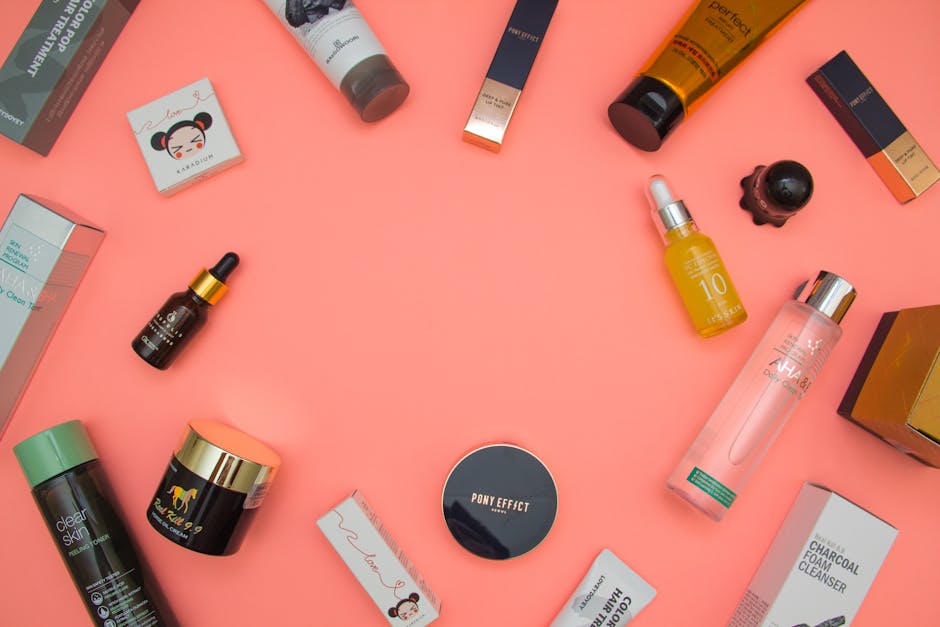
Decoding Ingredient Duplication in Southeast Asia: Smarter Skincare Routine Building in the Age of Live Shopee & Lazada
In the dynamic skincare landscape of Southeast Asia, cities like Bangkok, Manila, and Ho Chi Minh City are redefining what it means to be “skin-literate.” Consumers here expertly navigate a maze of actives—retinoids, vitamin C, AHAs, BHAs, niacinamide, and peptides—within multi-step routines. Yet, the very platforms that empower this sophistication, namely Shopee and Lazada, have introduced a new vulnerability: the silent epidemic of ingredient duplication.
For AURA’s audience—who constantly battle oiliness with dehydration, sensitivity with breakouts, and early aging under punishing UV—routine design is no longer just about what works. It’s about what works together, in this climate, with minimal risk and maximal resilience. The interplay of ingredient marketing, live e-commerce tools, and the tropical urban environment requires a new mindset: one that goes beyond “just layering more” and toward surgical precision in product choices.
This article unpacks key trends, actionable strategies, and future outlooks so you can make Shopee/Lazada work for your skin—not the other way around. Along the way, you'll discover how the next era in ASEAN skincare will be dominated by breathable routines, barrier repair-first design, and intelligent use of tools, all optimized for humid climates and high UV exposure.
Key Trends and Strategies
1. The Rise of Multi-Step, Ingredient-Stacked Routines
Routine structures influenced by K-beauty, J-beauty, and actives-centric Western brands are now mainstream. An average routine can run up to 8+ steps, with multiple serums for pigmentation, acne, or anti-aging. Yet, as highlighted in Retail Asia’s report, this sophistication is paired with a sharp rise in “sensitive skin” claims across mass and masstige categories.
While layering is intended to deliver targeted results (e.g., serum for oily dehydrated skin for humidity), these steps often repeat the same actives—think three forms of niacinamide or overlapping exfoliating acids—unintentionally creating redundancy or irritation.
2. Live Shopee & Lazada Tools: Double-Edged Sword
Platforms are deploying live streaming, ingredient badges, “complete the routine” bundles, and AI-driven recommendations. While these features empower real-time exploration of korean japanese skincare tropical skin or best sunscreen humid weather, they can also push users toward over-layered, actives-heavy baskets without warning of duplication (source).
Ingredient search and “routine builder” tools, if used blindly, amplify the risk of stacking products that look different but functionally overlap—such as doubling up on exfoliants or vitamin C.
3. Environmental Context: Barrier at the Breaking Point
High UV, humidity, and urban pollution in the region mean that the skin barrier is chronically stressed (CCID study on Chinese women, Journal of Cosmetic Dermatology). Even “gentle” actives, when duplicated, can tip fragile skin into persistent irritation, particularly for those seeking repair skin barrier humidity or a soothing gel for redness humidity.
Crucially, lightweight sunblock southeast asia and anti aging serum humid climate are only as effective as the barrier beneath them. Ingredient overlap can undermine these investments, further compounding risk.
4. Commercial Algorithms vs. Skin Logic
Shopee and Lazada’s algorithms are optimized to increase basket size, not skin tolerance. Ingredient marketing—“Niacinamide 10% + HA,” “Retinol + Peptides + Ceramides”—encourages redundant purchases. Few warnings exist for overlapping actives or functional duplication. The commercial logic is rational but leaves skin-literate users to construct their own frameworks for safety and efficacy (SSRN preprint).
State and Recommendations: Action Steps for Skincare Brands and E-Commerce Platforms
- Design Ingredient-Transparent Systems: Implement ingredient-based checks in “complete the routine” features. Warn if users are layering two AHA/BHA steps or doubling retinoids. Display actives in both percentage and total routine context.
- Prioritize Barrier-First Messaging: Educate users on why repair skin barrier humidity and minimal redundancy matter more than sheer number of steps—especially in climates with high UV and air pollution.
- Segment Recommendations by Skin Type and Climate: Tailor bundles and algorithmic suggestions for sensitive, oily-dehydrated, combo, or urban-stressed skin, rather than a “one-size-fits-all” approach.
- Enable Routine Mapping Tools: Let users upload or select their current actives, receiving smart prompts that encourage unique function (“You already have a 5% niacinamide serum—do you need a 10% in a toner?”).
- Highlight UV Protection as Non-Negotiable: Anchor all routines with best sunscreen humid weather recommendations and clear SPF/application guidance, rather than over-indexing on trend-driven actives.
- Promote Evidence-Based Formulation Over Hype: Encourage the use of clinical language, full INCI disclosure, and formulation logic over viral ingredient stacking.
Summary Comparison Table
| Approach | Heavy Occlusive Western Products | Breathable, Layered Systems (SEA/Tropical) |
|---|---|---|
| Main Features | Rich creams, heavy butters, high occlusion Short routines focused on “sealing in” | Lightweight layers, hydrating essences, gels, serums Intentional actives layering for climate |
| Trend-Driven Skincare | Focus on viral ingredients or “instant” results Often not humidity-friendly | Formulation logic based on barrier health, actives synergy, and humidity adaptation |
| Short-Term vs. Long-Term Outcomes | Quick cosmetic fixes, often clogging or heavy in heat Can worsen oily-dehydrated or sensitive skin | Long-term barrier resilience, less irritation, more consistent results in urban humidity |
Audience Segmentation: Challenges, Opportunities, and Comparison
Climate-Aware Skincare Users
- Challenges: Navigating routines that perform under extreme humidity, UV, and pollution; seeking lightweight sunblock southeast asia and breathable layers that don’t feel greasy or suffocating.
- Opportunities: Prioritizing soothing gel for redness humidity and barrier-first design. Platforms can use geolocation and environmental data to tailor recommendations.
Sensitive / Compromised Skin
- Challenges: Higher risk of barrier impairment from duplicated actives, especially with trends driving multiple “sensitive-safe” products that overlap.
- Opportunities: Brands that transparently map actives, minimize redundancy, and emphasize repair skin barrier humidity will win trust and loyalty.
Oily-Dehydrated, Combination, and Reactive Skin Types
- Challenges: Need for hydration without oiliness; avoid over-cleansing or over-exfoliation that worsens both oil and flakiness.
- Opportunities: Serum for oily dehydrated skin with precise humectant-occlusive balance, and routines that reduce step duplication, can transform skin comfort and appearance.
Early Anti-Aging (25–40)
- Challenges: Pressure to include every trending anti aging serum humid climate and brightening active, risking cumulative irritation and wasted spend.
- Opportunities: Education on cumulative “active load,” UV-first prevention, and synergistic combinations (not just more products) can lead to better long-term outcomes.
Urban Southeast Asia
- Challenges: Skin faces relentless environmental assault—frequent mask-wearing, temperature swings, and PM2.5. High impulse buy rates during live commerce events increase risk of redundancy.
- Opportunities: Data-driven, skin-contextual recommendations—linking routine design to pollution/UV indices and personal skin history—can set new standard for platform and brand leadership.
Segment Comparison Table
| Segment | Main Challenges | Winning Strategies |
|---|---|---|
| Climate Aware | Product heaviness; humidity UV/pollution stress | Light, breathable textures; barrier repair focus; sunscreen optimization |
| Sensitive/Compromised | Barrier disruption from duplicated actives | Minimal, non-redundant actives; full INCI disclosure; “repair-first” messaging |
| Oily-Dehydrated/Combo | Over-cleansing; dehydration; irritation from actives overload | Humectant/occlusive balance; reduce actives overlap; regular routine audits |
| Early Anti-Aging | Over-layering in pursuit of rapid results; underuse of sunscreen | Synergistic combinations; UV-first approach; focus on barrier longevity |
| Urban Population | Environmental stress; impulse buying in sales/lives | Routine mapping; algorithmic ingredient safety checks; skin-contextual nudges |
"Moving forward, the future of Southeast Asian skincare will not be defined by how many products you layer, but by the strategic intent behind every step—and by how well real-time commerce tools empower, rather than confuse, barrier-first decisions."
Conclusion: Strategic Implications & What’s Next
The next phase for brands and platforms in Southeast Asia’s skincare market lies not in overwhelming consumers with options, but in empowering them with clarity. The risk of ingredient duplication, magnified by tropical urban environments and live e-commerce culture, is now a leading driver of both customer frustration and clinical sensitivity.
By leveraging tools that flag functional overlap, tailoring recommendations to climate and skin type, and anchoring communication in barrier resilience—not just trending actives—brands can build lasting trust and differentiation. Shopee, Lazada, and rising domestic players have an urgent opportunity to lead on ingredient transparency and rational routine assembly.
In the coming years, expect AI-driven “active map” tools, routine compatibility prompts, and skin-contextual recommendations to become the standard. The winners will be those who embrace formulation intent, real-world usability, and actionable education.
Ultimately, the future belongs to those who treat the ASEAN humidity, UV, and pollution as central pillars of skincare design, not afterthoughts. As this shift accelerates, the question will no longer be “How many actives can I stack?” but “How well does my system perform, day after day, in my real climate, for my unique skin?”