
How To Decode Skincare Labels On Shopee & Lazada: The Ultimate Guide For Singapore, Bangkok, Manila, And Kuala Lumpurs Climate-Driven Routines
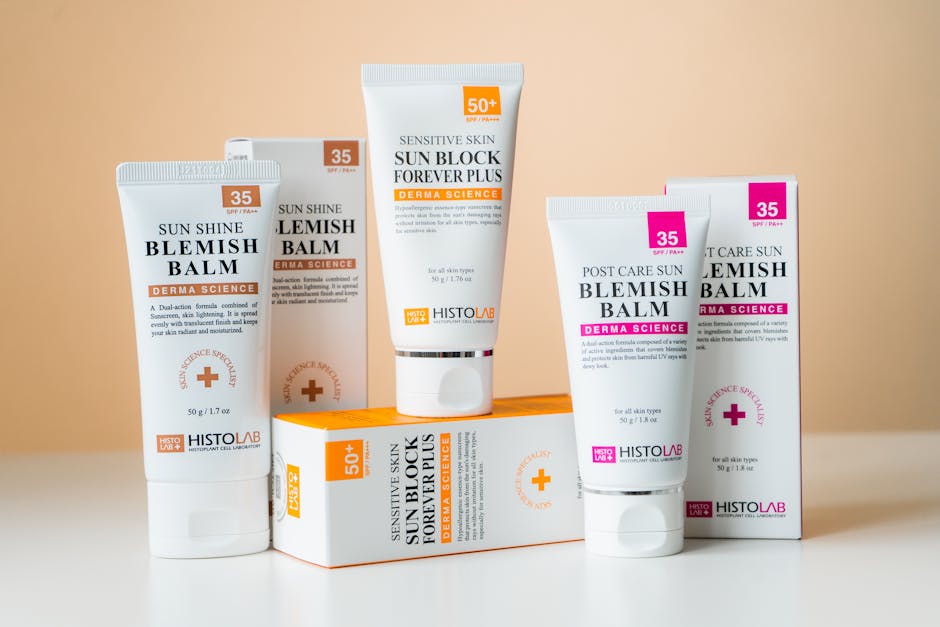
Decoding Southeast Asia Skincare Labelling: Strategies for Formulation Integrity in Humid, Urban Environments
Skincare-literate consumers in Southeast Asia—living in cities like Singapore, Kuala Lumpur, Bangkok, Manila, or Jakarta—face a unique set of environmental stressors. The perpetual humidity, air conditioning, PM2.5 pollution, and extreme UV index all conspire to make skin oily yet dehydrated, sensitive yet acne-prone, and prematurely aged. As a result, Western “one-size-fits-all” routines, heavy occlusive creams, and actives-maximalist trends often fail, leaving users frustrated and searching for clarity.
With e-commerce platforms like Shopee and Lazada driving a skincare boom, ingredient literacy and formulation integrity are more crucial than ever. For those seeking skincare for humid climate, best sunscreen humid weather, and serum for oily dehydrated skin, this article offers a strategic overview and actionable guidance tailored to Southeast Asia’s climate-aware, demanding audience.
Key Trends and Strategies
1. Climate-Driven Formulation Over Trend-Led Cosmetics
The high humidity (>80% year-round in many cities [AURA Skin Lab GrowthHQ]), pollution spikes, and UV index necessitate breathable layered systems rather than thick occlusive balms. Heavy Western night creams trap sweat and sebum, leading to heat rash and congestion, while lightweight humectant gels and emulsion lotions—like AURA’s “aquaglycerin system”—support hydration without suffocating skin.
2. The Importance of Full Ingredient Transparency
Many Shopee/Lazada listings prioritize buzzwords—“10% niacinamide,” “SPF 50+++, PA++++”—without displaying a full INCI list. Savvy consumers must cross-check claims using tools like INCIDecoder and CosDNA, flagging listings that lack structural integrity or hide actives behind vague “key ingredients.”
3. Protecting the Skin Barrier in Humid, Polluted Conditions
Barrier fragility is now mainstream—and exploitable in marketing. Pollution (PM2.5) induces oxidative stress, inflammation, and pigmentation (PubMed review). Brands like Aurea Skincare Malaysia and AURA Skin Lab respond with minimalist, calm-first, barrier-supporting formulas incorporating ceramides, glycerin, peptides, and NAD+—all engineered for urban Asian skin.
4. New Generation Sunscreens and Antioxidants
With the UV index regularly reaching extremes, a lightweight sunblock southeast asia is a non-negotiable foundation for anti-aging. The best sunscreen for humid weather reveals its full filter list—Tinosorb S/M, Uvinul, and non-nano zinc—rather than relying on “SPF 100!” claims. Effective antioxidants (stable vitamin C, niacinamide, peptides) combat oxidative damage, and packaging must be climate-appropriate (opaque, air-restricted).
5. Systemization and Routine Integration
The AURA audience values routines—not isolated fixes. Brands should explain sequencing (cleanser → serum → moisturizer → sunscreen) for tropical skin, offer kits for oily-dehydrated or sensitive types, and tailor recommendations to sub-climate and skin state.
State and Recommendations: Actionable Guidance for Brands
- Display the Full INCI List: Always disclose complete ingredient lists, aligned with packaging photos, to enable rapid cross-verification.
- Engineer Vehicles for Humidity: Use lightweight gels, humectant-driven emulsions, and non-comedogenic light esters; avoid petrolatum, waxes, high-level dimethicone for daily routines.
- Prioritize Barrier-Supporting Actives: Incorporate ceramides, cholesterol, peptides, panthenol, NAD+ with gentle buffers. Avoid stacking aggressive exfoliants or harsh surfactants.
- Test Formulas in Real-World Urban Conditions: Validate performance under high humidity, pollution, and UV; reference Asian cohort data.
- Educate Consumers with Ingredient Literacy Tools: Link to INCIDecoder, CosDNA, PubMed, and share clinical endpoints, even at a summary level.
- Offer Climate-Relevant Systems and Kits: Segment routines for oily-dehydrated, sensitive, early anti-aging, and urban Asian skin profiles. Provide realistic guidance for adaptation.
- Prove Sunscreen Claims: Disclose filters, SPF and PA testing methods, and user reviews on texture, white cast, compatibility with Southeast Asian skin tones.
Summary Comparison Table
| Category | Heavy Occlusive Western Products | Breathable Layered Systems (SEA) |
|---|---|---|
| Climate Fit | Cold, dry winters; high TEWL; occlusive barrier support | High humidity, pollution, UV; sweat/sebum management; fast-absorbing vehicles |
| Formulation Logic | Trend-driven actives; thick creams; marketing % | Barrier-first; lightweight gels/emulsions; clinical evidence for actives |
| Cosmetic Effect | Short-term fixes; heavy texture; can worsen congestion in humid climates | Long-term resilience; calm-first, repair skin barrier humidity; tailored for tropical skin |
Segmentation and Comparative Insights
Climate-Aware Skincare Users:
These users demand systemization, evidence, and routine integration. They prioritize breathable layered systems, lightweight sunblock southeast asia, soothing gel for redness humidity, and repair skin barrier humidity. Brands like AURA and Aurea attract this segment with clear formulation logic and climate-adapted products (see AURA's approach).
Sensitive / Compromised Skin:
Urban pollution, maskne, and over-exfoliation are rampant. These consumers seek calm-first, minimalist biotech, and gentle surfactant cleansers. Products like soothing gel for redness humidity, anti-aging serum humid climate, and repair skin barrier humidity are critical. Aurea’s emphasis on NAD+, ceramides, and minimalist formulas is a model (Aurea’s gentle biotech).
Oily-Dehydrated, Combination, and Reactive Skin Types:
Common in air-conditioned offices and urban heat, this segment needs gels and serums for oily dehydrated skin, with humectants (glycerin, panthenol) and non-occlusive emollients. Heavy creams lead to congestion; systemized, layered routines and readable ingredient lists are essential.
Early Anti-Aging (25–40):
Premature aging is accelerated by constant UV and pollution. Robust photoprotection, lightweight sunblock, and anti aging serum humid climate are favored over retinol-centric routines. Peptides, niacinamide, and NAD+ deliver cumulative, low-irritation results. Packaging and filter disclosure in sunscreen are musts, as seen in AURA’s UV Shield (AURA Skin Lab).
Comparison:
Climate-aware users are most proactive, prioritizing systemization and ingredient literacy. Sensitive/reactive types focus on reducing triggers and barrier repair, while oily-dehydrated users seek hydration without heaviness. Early anti-aging consumers are driven by cumulative, evidence-backed actives and advanced sun protection. Brands must tailor routines and guidance, not just product launches, for each segment.
“Ingredient literacy will transform how Southeast Asia shops for skincare. Brands that signal intent, climate logic, and clinical grounding will rise above marketing noise—while consumers equipped with live ingredient links and savvy routines will drive a new era of barrier-first, humidity-adapted beauty.”
Conclusion: Strategic Imperatives and What Comes Next
As Shopee and Lazada reshape buying patterns, the burden of discernment shifts to users and brands alike. The rise of climate-engineered, barrier-first solutions from AURA and minimalist biotech from Aurea signals a broader movement—one where ingredient literacy and real-world formulation logic shape product choices.
The next phase? More brands will reference humidity, PM2.5, and urban resilience in both R&D and marketing (AURA’s data-driven approach), leveraging NAD+, Asian botanicals, and advanced sunscreens. Regulation will likely tighten, demanding clearer INCI and substantiated SPF claims.
For consumers ahead of the curve, mastering ingredient verification tools and adopting climate-adapted, systemized routines will deliver healthier skin and smarter spending. For brands, integrating these strategies isn’t just competitive advantage—it’s an imperative for relevance in Southeast Asia’s rapidly evolving, ingredient-literate skincare landscape.