
How To Remit Money From Singapore To Myanmar In 2026: Safe, Legal, And Compliant Channels For Migrant Helpers
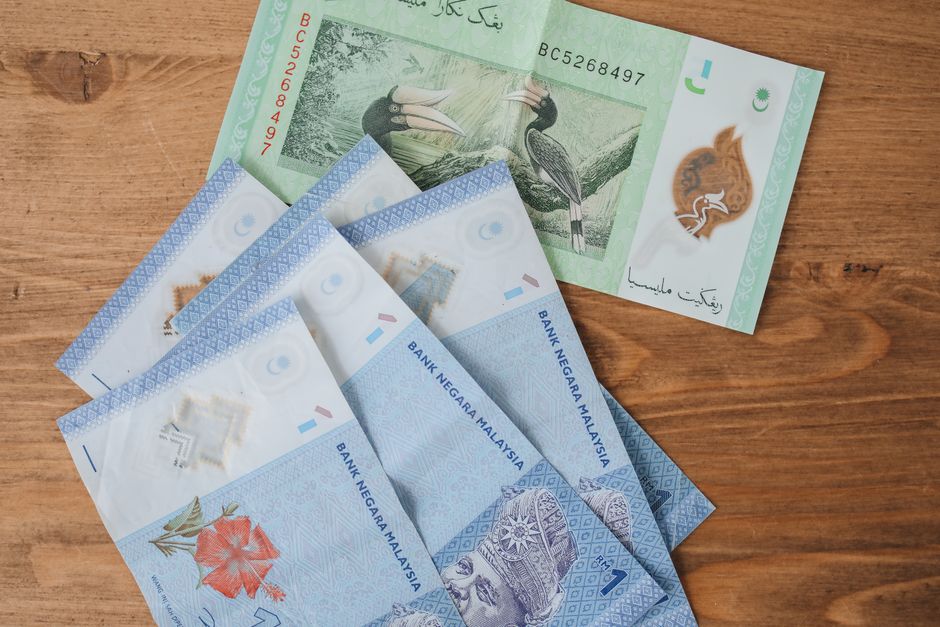
Remittance Realities: Navigating Compliance and Humanitarian Necessity for Myanmar Helpers in Singapore (2026)
For decades, Myanmar’s migrant worker remittances have quietly powered family livelihoods and underwritten social mobility. Yet, in the seismic aftermath of the 2021 coup and a subsequent tightening of capital controls, what was once a straightforward transfer has become an intricate, high-stakes operation—tangled in geopolitics, compliance risks, and humanitarian imperatives. In 2026, Singapore stands as a pivotal remittance hub, hosting thousands of Myanmar helpers who must now balance their familial duty with a daunting regulatory maze. As the junta’s forced remittance rules drive record inflows and sanctions regimes expand, employers and workers must choose between licensed, auditable channels and the risks of informal networks, always wary of inadvertently empowering sanctioned entities. This exposé uncovers the evolving mechanics, the real-world dilemmas, and the future-shaping strategies at the heart of Myanmar-Singapore money transfers.
The New Remittance Order: History, Forces, and Market Impacts
From Informal Networks to Rigorous Oversight: Historically, remittances to Myanmar flowed through a patchwork of informal agents, cash couriers, and community networks. Singapore, with its sizeable Myanmar migrant population, served as a major origin point, offering convenience and speed but little transparency. The post-coup landscape, however, has transformed the remittance ecosystem. Myanmar’s central bank imposes severe capital controls, foreign exchange restrictions, and mandates workers abroad to send at least 25% of earnings through junta-approved banks [Straits Times]. This move, as reported by Bloomberg, propelled formal worker remittances to US$5.6 billion in 2025—38% of Myanmar’s foreign inflows [Bloomberg], up exponentially from previous years. For Singapore-based employers and helpers, these shifts necessitate a nuanced, compliance-first approach in remitting money.
Capital Controls and Foreign Exchange Chaos: The US Investment Climate Statement for Burma portrays remittance corridors as “extremely restricted,” with extended delays, unpredictable liquidity, and forced conversion to kyat at regime-favorable rates. This centralization of foreign exchange—in tandem with international banks’ de-risking—means that even regulated transfers face significant value loss and timing challenges. For helpers, this reality translates into diminished net receipts, economic uncertainty for families, and increased reliance on official channels.
The Tactical Landscape: Licensed Channels, Innovation, and Compliance
Regulated Remittance Providers—The Gold Standard: In 2026, practical remittance routes from Singapore to Myanmar revolve around licensed players like MoneyGram and Remitly. These global brands offer cash pickup, bank deposit, and mobile wallet solutions, built atop robust KYC procedures and transparent fee structures. MoneyGram’s advertised reach spans over 200 countries; Remitly claims a “trusted network in Myanmar,” promising reliability even amidst turbulence. For employers, these auditable channels provide a defensible record—crucial for HR and compliance frameworks.
Singapore Bank Remittance—Clean and Traceable: Local banks like DBS and POSB have formalized Myanmar corridors, allowing direct transfers to Myanmar banks such as KBZ and CB Bank [POSB]. With employee family accounts opened under verifiable English names, these methods offer clarity and compliance, leaving a transparent trail for payroll audits and regulatory checks. For corporate remittance programs, this route is often preferred—as it minimizes risk and maximizes oversight.
Fintech and Telco Solutions—Digital Efficiency: The rise of fintech is exemplified by Singtel Dash Remit, integrating app-based onboarding, digital KYC, and seamless “Add a Recipient → Remit” workflows. Digital channels offer competitive FX rates, real-time tracking, and mobile-friendly payout options—attractive to sectors with high migrant volumes. Corporate programs increasingly subsidize fees or negotiate rates, leveraging scale for mutual benefit.
Myanmar-Side Realities: Forced Remittance Rules, Conversion, and Liquidity
Forced Remittance—Junta’s 25% Rule: The military regime’s directive obliges overseas workers to transmit 25% of earnings via regime-approved banks, under threat of passport denial or revoked work rights. As documented by Radio Free Asia, failure to comply can jeopardize a helper’s ability to return or remain abroad [Radio Free Asia]. For Singapore employers, this means that helpers are legally compelled to prioritize official channels—despite personal preference or family needs. Corporate HR cannot, and should not, instruct workers to use informal routes, as this risks both legal and reputational complications.
Forced Conversion and Taxation—Hidden ‘Haircuts’: Myanmar’s central bank practices forced conversion of remitted dollars into kyat, often at rates skewed in favor of the junta. Additional taxation or levies chip away at the value transmitted, leaving recipient families with less-than-expected support [Lowy Institute]. For employers, this necessitates transparency—distinguishing gross from net remitted amounts and acknowledging the inevitable value loss on the Myanmar side.
Liquidity and Timing Risks: Severe USD shortages and withdrawal limits repeatedly plague Myanmar’s banking system. Even when transfers are completed in Singapore, delays and unpredictability dominate the Myanmar end, further complicating family budgeting and emergency needs.
Sanctions, Compliance, and High-Risk Corridors
International Sanctions—Avoiding Inadvertent Funding: The EU and US sanctions regimes prohibit providing funds directly or indirectly to military-linked entities or individuals subject to asset freezes. Human rights monitors have spotlighted Myanmar Economic Bank and others as routine facilitators of junta transactions [HRW]. For Singapore-based decision-makers, rigorous provider screening and sanctions list checks are mandatory. Corporate remittance flows must always document purpose (humanitarian, personal support) to avoid commercial entanglement.
AML/CFT and Audit Requirements: The US Investment Climate Report underscores AML/CFT concerns, highlighting Myanmar corridors as high-risk for illicit finance [US State Department]. Employers must treat Myanmar remittance flows with heightened governance: provider due diligence, sanctions screening, and clear documentation of recipient details, purpose, and value.
Comparative Perspectives: Migrant Welfare vs. Geopolitical Leverage
Worker Welfare—Humanitarian Imperative: For helpers, remittance is not merely a financial transfer—it is lifeline for their families, underpinning basic needs, education, and health. The rise of forced remittance rules, however, imposes a heavy burden: compliance with junta dictates and acceptance of diminished returns.
Junta Leverage—Remittances as FX Lifeline: For the Myanmar regime, international remittances have surpassed exports as the principal foreign currency inflow. Driven by enforced rules, remittances now represent 38% of Myanmar’s FX receipts [Bloomberg]. This intertwines remittance policy with geopolitical leverage, exposing any support program to reputational scrutiny.
Corporate Responsibility—Navigating the Middle Path: Business leaders face a delicate balance: supporting worker welfare, complying with both Singaporean and Myanmar law, and minimizing direct benefit to sanctioned entities. Some may advocate for minimizing transfers to military-linked banks, while others focus on maximizing family support despite systemic constraints.
Emerging Operational Innovations and Best Practices
Standardization on Licensed Channels: Employers increasingly integrate remittance guidance into HR onboarding, mandating use of DBS/POSB, MoneyGram, Remitly, or Singtel Dash—never informal agents or cash couriers. This protects both the business and worker, ensuring traceability and compliance.
Transparent Budgeting for Net Value: Support programs now factor in both Singapore-side FX spreads and Myanmar-side haircuts, setting realistic expectations for helpers and families. This transparency is critical to avoid mis-selling remittance value or promising “full” dollar support.
Sanctions Screening and Documented Justification: Every remittance flow is paired with documented due diligence—provider vetting, sanctions list checks, and explicit classification as personal, humanitarian support. Corporate compliance teams treat Myanmar corridors as “high-risk, necessary humanitarian support,” not routine transfers.
Digitalization and Governance: Fintech solutions like Singtel Dash Remit offer streamlined onboarding and tracking, combining real-time visibility with rigorous digital KYC. As corporate remittance programs scale, negotiated rates and subsidized fees enhance efficiency and impact.
Patterns and Forward-Looking Insights
Remittances as Geopolitical Currency: The exponential growth in remittance inflows—US$5.6 billion in 2025—reflects not just individual worker sacrifice, but a fundamental shift in Myanmar’s external financing. With exports dwindling and sanctions biting, remittances from Singapore’s helpers are now central to regime survival.
Sanctions and Humanitarian Dilemmas: As international sanctions expand, the challenge deepens: how to support ordinary Myanmar families without inadvertently empowering sanctioned banks or military interests. Industry leaders must prioritize humanitarian support while mapping risk, balancing worker needs against reputational threat.
Corporate Policy Implications: Remittance support is no longer a low-risk HR benefit—it is a strategic policy area, intertwined with compliance, audit, and global reputation. Businesses must invest in governance, transparency, and sanctions screening, treating Myanmar corridors as a special category within financial operations.
Comparative Analysis: Newcomers vs. Established Stakeholders
For New Employers and First-Time Helpers: Newcomers may underestimate the complexity, assuming remittances are routine or low-risk. The reality is stark: every transfer is subject to forced conversion, liquidity delays, and compliance scrutiny. First-time helpers must be educated on both Singapore’s regulatory framework and Myanmar’s forced remittance rules.
For Seasoned Stakeholders: Employers with established programs have already adapted, institutionalizing licensed channels, compliance reviews, and budget transparency. Veterans recognize Myanmar as a high-risk corridor, routinely updating risk registers and scenario planning for further regime changes or sanctions shifts.
For NGOs and Advocacy Groups: Human rights organizations increasingly campaign for remittance channels that bypass military-owned banks, urging international action to protect worker remittances while avoiding junta enrichment [HRW]. Advocacy efforts focus on shaping policy, raising awareness, and supporting migrant welfare without geopolitical entanglement.
“In Myanmar’s remittance corridors, the imperative is clarity: every dollar sent is both a lifeline for families and a geopolitical lever. The future belongs to those who navigate compliance, humanitarian necessity, and risk with transparency and principle.”
Conclusion: A Strategic Outlook and Call to Action
Myanmar helpers in Singapore stand at the crossroads of compliance, risk, and humanitarian duty. In 2026, the practical reality is that licensed, regulated channels—whether via DBS/POSB, MoneyGram, Remitly, or Singtel Dash—are mandatory, with every transfer documented, screened, and justified. Employers must integrate remittance guidance into HR policy, budget for value loss, and treat Myanmar as a high-risk corridor. For industry leaders, this is not simply a financial transaction—it is a strategic, ethical challenge, with global implications.
The future trajectory is clear: remittances will remain central to Myanmar’s external finances, with every new rule, sanction, and innovation reshaping the flow. Corporate policy must evolve in lockstep, investing in governance, transparency, and worker education. Beyond compliance, leaders must champion humanitarian support, never losing sight of the families whose survival depends on every dollar sent. In an era where remittances are both lifeline and leverage, the imperative is stewardship—ensuring support for workers while minimizing unintended regime benefit. Singapore, as a hub, must set the global standard: transparent, auditable, and principled remittance corridors for Myanmar, balancing risk and hope in equal measure.