
How ZUS Coffee Uses AI To Drive Hyper-Localized Menu Personalization Across Klang Valley, Penang, Johor, And Malaysias Key Regions: The 2026 Playbook For F&B Growth
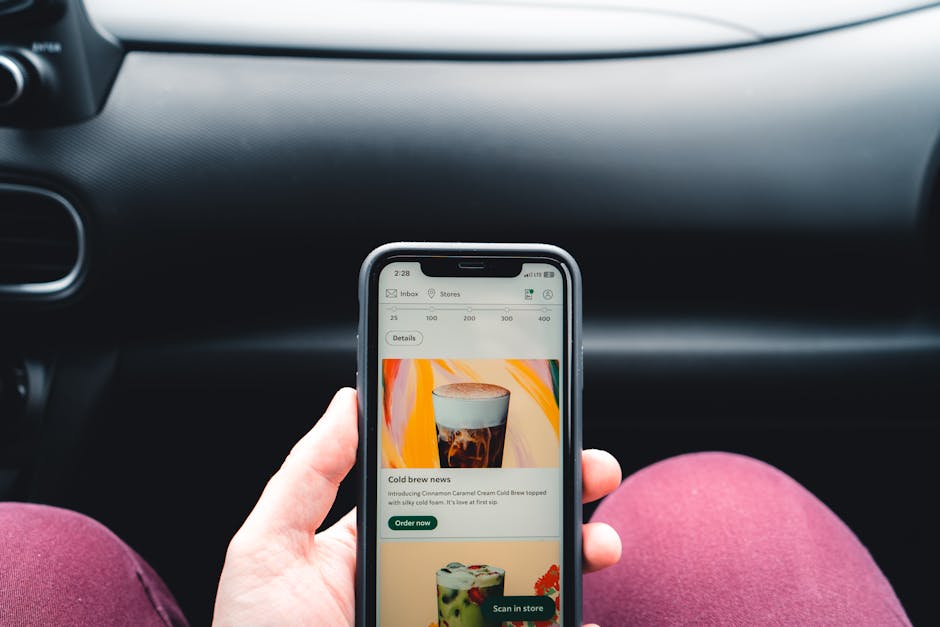
Turning Every Store into a Local Champion: How ZUS Coffee’s AI-Powered Personalization is Redefining Malaysia’s Café Landscape
In a nation where Starbucks was once synonymous with premium café culture, a homegrown brand has quietly orchestrated a digital revolution. ZUS Coffee, barely out of its startup phase just a few years ago, is rewriting the rules of Malaysia’s intensely competitive food and beverage (F&B) sector. Armed with over 700 outlets and a mobile-first, data-native operating model, ZUS is now preparing a new move: swapping one-size-fits-all menus for hyper-local, AI-driven personalization—making each outlet as unique as the neighborhood it serves. This article delves into how ZUS leverages technology, regional nuance, and the economic rationale to lead Southeast Asia’s next café battleground—turning Malaysia’s diversity from a challenge into an engine of explosive, sustainable growth.
The Rise of Malaysia’s Most Data-Native Coffee Chain
Outpacing Legacy Giants by Rethinking Scale and Relevance
Between 2024 and 2026, ZUS Coffee expanded from startup obscurity to a sprawling network of over 700 outlets—projecting a leap to 1,050 by the end of 2026 in Malaysia alone. This rapid ascent has little to do with the old markers of F&B success—prime mall locations or celebrity endorsements—and everything to do with digital muscle. By concentrating nearly 70% of sales through its proprietary mobile app, ZUS has turned every transaction into a data point, feeding a Customer Data Platform (CDP) that forms the beating heart of its evolving personalization strategy.
Leveraging AI for End-to-End Business Value
Beneath the surface, ZUS runs on Antsomi CDP 365, integrating POS, CRM, and behavioral analytics into a real-time, 360-degree customer view. The AI stack doesn’t just nudge customers with personalized beverage suggestions—it shapes everything from inventory planning to waste reduction. The results are stark: a reported 3x customer conversion, 6x transaction growth, and approximately 21% revenue uplift among targeted segments, all within 30-day campaign windows—setting new benchmarks even for seasoned international chains.
Why Hyper-Localized Personalization is Inevitable in Malaysia’s Café Wars
Market Saturation Meets Digital Loyalty Arms Race
The competitive density is striking: by 2026, the Klang Valley alone is projected to host 5,540 distinct café outlets—a 16% rise from just 2022. Add a young, mobile-first consumer base and Malaysia’s digital loyalty market, growing at nearly 11% CAGR, and national-scale mass campaigns simply lose their competitive edge. The new imperative is local relevance: in a world where generic menus are everywhere, only hyper-localized, AI-optimized offerings can capture both mindshare and margin.
Malaysia’s Deeply Regional Tastes and Micro-Markets
Malaysia is a patchwork of culinary cultures—each with its own preferences, rituals, and sensitivities:
- Urban Klang Valley’s white-collar professionals crave espresso-based drinks, plant-based milks, and app-pushed, time-limited promos.
- In Penang, heritage flavors like gula Melaka and pandan reign, shaped by strong local identity and a thriving tourist scene.
- Johor’s cross-border commuters exhibit higher tolerance for premium pricing and commute-driven demand peaks.
- The East Coast is marked by price sensitivity and family dining tied to religious calendars.
- East Malaysia, with unique ingredients like gula apong and local citrus, demands both waste-optimized menus and local hero beverages.
No single menu can satisfy all. The strongest brands will systematically adapt to these micro-markets—turning data into a feedback engine for real-time, regional curation.
Inside ZUS Coffee’s Personalization Engine: From National Playbook to Local Precision
From Customer Data Platform to “Mini Market” AI
The technical foundations are already robust. ZUS’s CDP segments users into actionable cohorts—weekday regulars, vegan latte seekers, seasonal flavor adventurers—and powers real-time, app-driven menu ranking. Yet, the bold leap ahead is geographic: using AI to treat each outlet, neighborhood, and even daypart as its own “mini market,” continuously mapping flavor adoption, basket affinities, and promo responses down to the hyper-local level.
A Modular Data Architecture for Local Intelligence
ZUS is enriching customer profiles with granularity: primary and secondary store clusters (office commuter vs. campus night owl), travel patterns, and local event integration. External data—from weather to office density and festival calendars—feeds into the modeling pipeline. Every menu item is tagged by flavor family, temperature, dietary suitability, and regional relevance, allowing machine learning models to suggest not just products, but context-aware bundles and innovations.
Four AI Model Pillars for Regional Personalization
1. Regional demand forecasting—anticipating outlet-level trends by day, week, and season.
2. Dynamic menu recommendation—real-time menu re-ranking personalized by user profile, locality, and time window.
3. Price and promo optimization—testing voucher intensity and promotion types by city cluster to preserve margins.
4. Flavor innovation modeling—predicting which new local flavors (e.g., gula apong lattes in Sarawak) will succeed, then cross-pollinating those insights into matching micro-zones elsewhere.
The business upside: ZUS can now pursue a “local-first, national-scale” playbook—extracting revenue, retention, and efficiency gains at levels previously reserved for tech-first juggernauts.
Region-by-Region: How “Hyper-Localization” Rewires the ZUS Menu
Klang Valley: The Ultimate Testbed for AI-Personalized Menus
With over 5,500 outlets vying for attention, ZUS divides the Klang Valley into micro-zones—CBD high-flyers, suburban family clusters, campus hubs. AI models compute signature daypart profiles: early morning caffeine peaks in KLCC, afternoon snack surges in malls, late-night value seekers on university grounds. The app dynamically shifts which 8–12 menu tiles appear first, favoring plant-based lattes for health-conscious regulars and high-caffeine sets for students.
KPI targets: 2–3 percentage point uplift in app conversion, 6–8% rise in ticket size, and up to 25% retention growth among loyalty users exposed to personalized menus.
Penang & Northern Region: Heritage Meets Hyper-Personalization
Here, the engine boosts “heritage flavor” SKUs like pandan, gula Melaka, kaya, and local fruits—especially during afternoon, weekend, and festival peaks. AI distinguishes tourists (short visit patterns, foreign payment IDs) from locals, offering the former “Penang Only” drinks and the latter deeper loyalty rewards. Menus morph in real-time during major events, dovetailing with local festivals and food fairs.
KPIs: Higher mix of local flavors in overall sales; improved frequency among locals, especially in tourist-laden zones.
Johor & Southern Corridor: Price Elasticity and Commuter-Centric Offers
Johor’s proximity to Singapore demands commute-based menu shifts—grab-and-go bundles in the morning, upsized bundles for evening returnees, and premium pricing experiments in cosmopolitan zones. The app encourages predictive pre-orders for busy cross-border professionals.
KPIs: 10–15% transaction lift during commuter windows; notable increase in food-to-beverage bundle attachment rates.
East Coast: Calendar-Driven, Family-Oriented Personalization
AI tracks religious and school holiday calendars to customize Ramadan and Raya menus—hydrating drinks for pre-fasting, family share packs for iftar, and tiered value sets sensitive to regional pricing expectations. Menu defaults dynamically adjust sweetness and temperature profiles to local norms.
KPIs: Increased voucher efficiency (30–40% improvement), stable or growing active user base across key holidays.
East Malaysia: Local Heroes and Lean, Waste-Optimized Assortments
In Sabah and Sarawak, ZUS pilots new ingredient-driven drinks (gula apong, indigenous citrus), using rapid A/B testing to scale SKUs regionally if initial metrics are surpassed. AI-driven supply chain ensures smaller, focused assortments—minimizing waste where logistics are costly. When an East Malaysia SKU overperforms, cross-learning models recommend rollout in similar West Malaysian micro-zones.
KPIs: 30%+ spoilage reduction; SKU test-to-scale time minimized from months to under two months.
Comparative Perspectives: ZUS vs. the Traditional F&B Playbook
The Legacy Model: National Uniformity, Flat Promotions
Historically, Malaysia’s F&B chains rolled out menus and promotions at national scale, segmenting only by broad urban vs. rural lines. Loyalty programs were built on blanket discounts, and menu innovation cycles crawled at the pace of quarterly head office reviews. In this model, regional tastes—and the business value of micro-market variation—remained untapped.
The ZUS Approach: Dynamic, Micro-Market-Driven Orchestration
ZUS, by contrast, treats every store as a high-frequency experimental lab. Its AI stack re-ranks digital menus by outlet, time of day, and even weather, pushing tailored offers to vegan latte lovers in Bangsar and gula apong aficionados in Kuching. Promotions shift from generic vouchers to precise, context-aware nudges—driving both higher ticket sizes and better margin control.
Global Lessons, Local Execution
While global chains talk about personalization, few execute it beyond email targeting or loyalty app push notifications. ZUS’s willingness to programmatically adapt not just communications but product, pricing, and inventory at the micro level is what sets it apart—and offers a replicable playbook for the broader region.
From Vision to Execution: Building the Operating Model for Hyper-Localization
Data Governance and Brand Integrity
With great granularity comes great risk. ZUS must balance local innovation with brand coherence—defining a three-tier menu taxonomy (core national, regional heroes, experimental SKUs) and equipping AI to optimize ranking and bundling rather than fragmenting the menu identity. Data privacy is paramount: under Malaysia’s PDPA, all personalization must be opt-in, explained as value-adding, and rigorously governed to prevent bias or overreach.
Organizational Design for Continuous Local Experimentation
Beyond technology, ZUS builds dedicated cross-functional squads—data scientists, product owners, marketers, and operations leads—tasked with regional logic, rapid A/B testing, and frontline enablement. Store managers get weekly dashboards: “Top 10 SKUs in your outlet,” “Recommended bundles for your customer base.” This distributed but orchestrated approach ensures that insights travel from head office to every counter, while feedback loops refine models in near real-time.
AI-Enabled Supply Chain and Waste Management
A cutting-edge supply capability is the final link: every AI-driven menu tweak is tied to regional inventory planning. The payoff is dramatic—up to 30% spoilage reduction and a path to 95% ingredient traceability, crucial for ESG reporting and cost management alike.
The Boardroom Business Case: Numbers That Demand Action
Quantifying the Opportunity
The strategic imperative is clear, not just for ZUS but for any F&B operator in Southeast Asia:
- Malaysia’s digital loyalty solutions are growing at nearly 11% annually, fueled by café density and a digital-native youth cohort.
- AI-powered campaigns via platforms like Antsomi CDP 365 have delivered 6x transaction growth, 21%+ revenue lift, and 3x customer conversions in short windows.
- ZUS has already sold 36 million digital cups via its AI-led digital channels.
- AI-supported waste management can reduce spoilage by 30% or more, transforming operational margins.
- Nationally, AI-enabled personalization is projected to yield incremental sales growth of 6–8%—with the best-in-class programs delivering 5–10x ROI on digital investments.
“The next wave of growth in Malaysia’s F&B sector will not come from new locations or menu extensions—but from treating every outlet as a locally tuned, AI-optimized profit center. Hyper-localization is not a buzzword: it’s a board-level business case.”
Implications Beyond the Café: Lessons for Retail and Hospitality
Shaping Consumer Expectation Across Sectors
ZUS’s approach is a harbinger for other high-frequency retail and service businesses. Supermarkets, QSR chains, even convenience store operators are realizing that digital engagement, AI-driven personalization, and supply chain intelligence are now table stakes.
Sharpening the Competitive Edge for Malaysian Brands
The “local-first, national-scale” model is uniquely suited to Malaysia’s diversity. Brands that ignore micro-market signals will fall behind foreign entrants and digital upstarts who recognize the power of hyper-local data.
Roadmap: How ZUS—and Others—Can Operationalize Hyper-Localization (12–18 Months)
Phase 1 (0–3 months): Build Regional Data Depth
Cleanse and enrich customer profiles with outlet and lifestyle segmentation. Map micro-zones in key corridors and size revenue contributions.
Phase 2 (3–6 months): Pilot Hyper-Localized Menus in Target Regions
Deploy dynamic daypart menus in Klang Valley, local flavor pilots in Penang and Johor. Harness generative AI to scale creative and test offers at speed.
Phase 3 (6–12 months): Scale and Optimize National Personalization
Automate menu logic with AI, reduce flat discounting in favor of price-elastic, context-aware promotions. Expand AI-powered customer service features within the app.
Phase 4 (12–18 months): Integrate Menu Personalization with Supply Chain
Connect menu models to inventory planning and logistics, particularly in cost-intensive regions like East Malaysia. Use Malaysia as a “sandbox” to inform regional expansion strategy in Thailand, Indonesia, and Singapore.
Closing the Loop: Governance, Brand, and People
The true leap isn’t just technological. To win, ZUS and its peers must build robust governance protocols (opt-in transparency, bias minimization), retain a strong brand identity (three-tier SKU architecture), and create the organizational muscle for continuous local innovation. Only with these foundations can AI-driven hyper-localization become a sustainable, defensible source of competitive advantage.
Conclusion: From National Chain to Neighborhood Icon—The Strategic Imperative Ahead
ZUS Coffee’s journey is more than a modern retail success story—it’s a blueprint for the future of customer experience and operational excellence in Southeast Asia. In a world saturated by choice, consumers respond to brands that meet them where they are: in their city, their neighborhood, their moment. By harnessing cutting-edge AI, robust data platforms, and a bold operational vision, ZUS has shown it’s possible to blend the efficiency of national scale with the intimacy of local relevance.
The strategic message for the boardroom and beyond is unequivocal: The battle for Malaysia’s café market—and by extension, all consumer-facing sectors—will be won in the micro-markets. Hyper-local, app-driven personalization isn’t just “nice to have”—it’s the new foundation for sustainable growth, brand loyalty, and margin defense. Business leaders who fail to internalize this lesson will find themselves watching from the sidelines, as local champions like ZUS turn AI-enabled insight into outsized advantage.
Discover more on ZUS Coffee’s personalization journey and the future of F&B in Malaysia.