
How ZUS Coffees Data-Driven Model Is Transforming Southeast Asias US$9.9B Coffee Chain Market: Lessons From Malaysia, Indonesia, Thailand, Vietnam, Singapore, And The Philippines
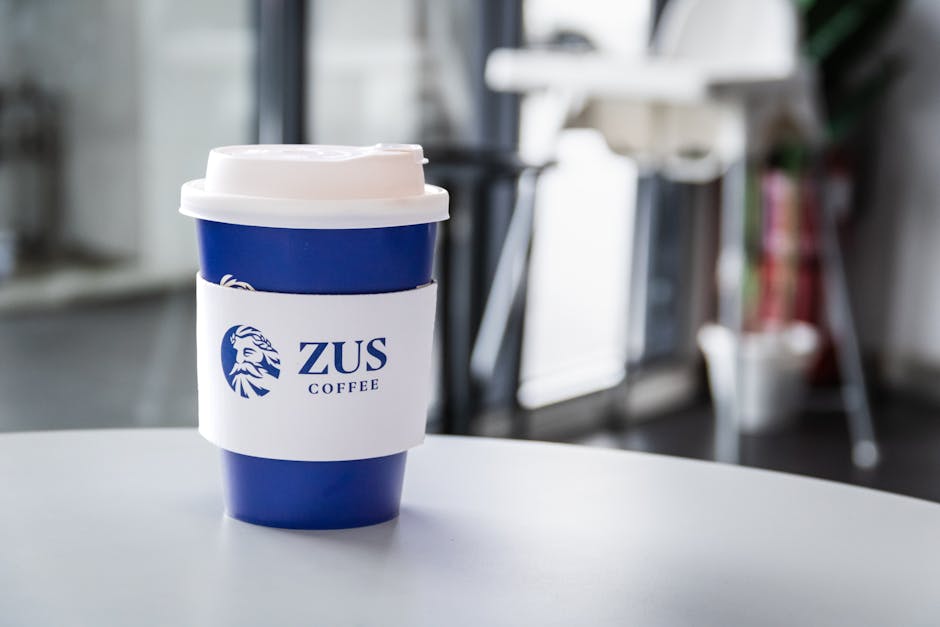
From Beans to Bytes: How ZUS Coffee’s Data-First Blueprint is Redefining Southeast Asia’s US$9.9 Billion Coffee Chain Market
Southeast Asia’s coffee landscape has always been a tapestry of tradition, taste, and vibrant urban culture—from the bustling kopi tiam stalls of Malaysia to the phin-brewed mornings in Vietnam. But in the past four years, a tectonic shift has swept through this sector. The rise of modern branded coffee and tea chains, fueled by digital innovation, has rapidly changed the rules of engagement. Nowhere is this shift more evident than with ZUS Coffee, a homegrown powerhouse that has scaled from a single store to over 700 outlets, outpacing global giants and rewriting the playbook for local brands. At the heart of ZUS’s meteoric rise is a relentless, data-first approach—turning its app, loyalty program, and supply chain into a single, unified data engine. For Southeast Asian brands, ZUS Coffee is not just a competitor; it is a blueprint and a wake-up call, offering actionable lessons to win in a US$9.9 billion market that grew a staggering 52% from 2021 to 2025 source.
The New Order: Southeast Asia’s Coffee Chain Boom
Market Growth is Outpacing Tradition: As independent analyses converge, Southeast Asia’s modern branded coffee and tea chain market has reached US$9.9 billion in 2025, up from US$6.5 billion in 2021 (source). Indonesia leads, accounting for US$3.15–3.51 billion, with Thailand’s US$2.25 billion and Vietnam’s US$1.34 billion following closely. The remaining bulk comes from Malaysia, Singapore, and the Philippines. Broader coffee consumption totals about US$12.4 billion, but chains are rapidly capturing a larger share—signaling a fundamental, structural transition from tradition to brand-driven, digital-first experiences.
Chains as Engines of Value Capture: This market isn’t just expanding; it’s splitting. The battleground is shifting from legacy cafes to data-enabled chains, where customer loyalty, operational efficiency, and supply chain intelligence are orchestrated in real-time. The implication is clear: value is now won by those who can build, harness, and iterate digital infrastructure at scale.
Blueprint for Success: ZUS Coffee’s Data-Driven Model
App as Operating System, Not Add-On: At ZUS Coffee, the customer app is more than just an ordering channel—it’s a full-stack operating system. It powers everything from retention and digital payments to inventory and predictive analytics. With 70% of transactions processed via digital channels—pre-orders, pickups, deliveries—the brand has created a dense, high-quality dataset for behavioral analysis. The result: up to 40% lift in retention rates and a 20–30% increase in repeated business, compared to legacy loyalty models source. For local brands, this means the app is not a mere touchpoint—it’s the control tower of their business.
A Unified Data Spine: Antsomi CDP 365 powers ZUS’s operations, integrating purchase history, loyalty engagement, app behavior, and feedback. The Customer Data Platform (CDP) enables advanced segmentation (like RFM—recency, frequency, monetary value), churn prediction, and proactive campaign targeting. With each digital transaction feeding back into this flywheel, ZUS compresses experimentation cycles, iterating on offers weekly or even daily—instead of quarterly source.
Personalization, Gamification, and AI: Raising the Stakes for Loyalty
AI-Enabled Personalization: ZUS treats personalization as a core product feature. Weather-triggered coupons (like rain in Kuala Lumpur activating hot-drink upsells), location-aware campaigns (Manila flavor polls, Bangkok product launches), and gamified challenges targeted at Gen Z have delivered 25–40% improvements in retention over static loyalty programs source.
Meeting Gen Z and Millennials Where They Are: The younger demographic, especially in Kuala Lumpur, Jakarta, Ho Chi Minh City, Manila, and Singapore, demands interactivity and relevance. ZUS’s data-driven gamification and personalization strategies have created a digital experience as addictive as the product itself.
Operational AI: Sourcing, Logistics, and Storefront Revolution
Predictive Sourcing & ESG Analytics: ZUS’s AI analytics parse farm-level data—yields, climate, labor conditions—to forecast coffee bean output and optimize direct-trade procurement. This not only delivers traceability and ESG compliance, but also a significant 15–20% cost advantage by bypassing intermediaries and preemptively managing supply shocks source.
Logistics Optimization: In cities where traffic and delivery networks are fragmented, ZUS deploys custom route APIs, achieving up to 95% ETA accuracy and a 30–50% reduction in logistics-related API costs. This is crucial for repeat ordering in dense urban environments.
Storefront AI: Foot-traffic prediction, staffing optimization, menu localization, and dynamic store opening strategies have enabled ZUS to triple its customer base in rapid expansion phases. The brand responds to demand signals in real-time, outperforming slower-moving global chains.
Comparative Perspectives: New Viewers vs. Legacy Brands
Legacy Brands Struggle with Fragmented Data: Traditional chains often treat digital initiatives as isolated projects—a loyalty app here, a logistics upgrade there. This fragmented approach undermines cross-channel visibility, customer identity consistency, and operational agility.
ZUS’s Holistic Data Flywheel: By treating data as core infrastructure (not a project), ZUS ensures every touchpoint feeds into a centralized nervous system. With US$57.5 million in capital raised (2024), ZUS has embedded analytics throughout the supply chain, pricing, store deployment, and menu optimization.
For New Viewers—The “Digital Default”: Emerging brands and entrepreneurs see digital as the baseline, not the bonus. They can leapfrog legacy models by adopting modular CDPs, app-first ordering, and integrated AI from day one. The goal is not just to match ZUS, but to build on these principles—tailoring to local flavor, culture, and operational realities.
Country-by-Country: Strategic Implications and Tactical Playbooks
Malaysia: The market is worth US$1.1 billion, blending traditional kopi outlets with urban specialty cafés. ZUS’s home market is the testbed for app-first ordering and supply chain innovation. Local brands must pivot quickly, achieving >70% digital transaction share and piloting predictive sourcing for ESG positioning.
Indonesia: As the region’s largest chain market (US$3.15–3.51 billion), improvements in retention or ticket size translate into massive revenue gains. Implementing app-first ordering, gamified loyalty, foot-traffic prediction, and farm-level analytics in Sumatra, Java, and Sulawesi is essential.
Thailand: With a US$2.25 billion chain market and robust broader coffee consumption, Bangkok proves the value of premiumization, digital ordering, and data-driven loyalty. Targeted offers and logistics optimization are key to brand profitability.
Vietnam: The US$1.34 billion chain market is evolving from traditional coffee culture to digital-first chains. Vietnamese brands can bridge old and new by segmenting local vs. foreign customers and leveraging farm-data analytics for traceable, premium positioning.
Singapore: Despite a smaller population, Singapore punches above its weight in high-value transactions and digital adoption. It’s an R&D lab for advanced personalization, multi-channel orchestration, and premium subscriptions. Local brands must innovate at the frontier.
Philippines: Metro Manila’s digitally native, young population is primed for gamified loyalty and app-first ordering. Improving ETA accuracy in congested areas and highlighting ESG stories can boost engagement and repeat orders.
Action Steps: Adapting ZUS’s Playbook Across the Region
Phase 1 – Build Your Data Spine (0–6 months): Audit digital vs. walk-in transactions, consolidate into a basic CDP, and standardize KPIs. Brands should benchmark against ZUS: aim for 70% digital, 25–40% higher retention.
Phase 2 – App-First Engagement (6–18 months): Upgrade to app-based loyalty, activate RFM segmentation, deploy weather/location-aware offers, and gamify engagement—especially for Gen Z.
Phase 3 – Supply Chain & ESG Intelligence (18–36 months): Integrate farm/supplier data, pilot direct trade, and instrument logistics for accuracy and cost efficiency.
Phase 4 – AI at the Storefront & Regional Scaling (beyond 36 months): Predict demand, localize menus, expand into new cities/countries using digital-readiness criteria, and upskill staff as “data curators.”
Risks, Constraints, and Governance
Data Privacy: As personalization deepens, brands must ensure compliance with regional privacy laws (PDPA in Malaysia/Singapore), robust consent, and anonymization frameworks.
Capex & Talent: Building a CDP and AI stack requires significant upfront investment and specialist talent. Smaller brands should consider platform partnerships or modular approaches.
Vendor Lock-In: Avoid dependence on single vendors by favoring open architectures and data standards.
“Chains that treat data as a strategic asset—not just an analytics tool—will capture disproportionate value in Southeast Asia’s coffee boom. The ability to personalize, predict, and iterate across the entire value chain is now the minimum standard, not the exception.”
Looking Forward: Real-World Implications and Strategic Calls to Action
Reflection: ZUS Coffee has demonstrated that a data-first operating model is not only possible; it’s necessary for survival and leadership in Southeast Asia’s fast-expanding coffee and tea chain market. The era of fragmented, project-based digital adoption is over. Customers, especially Gen Z and younger millennials, now demand seamless, personalized experiences—backed by real-time insights.
Action: For local brands, the imperative is clear: treat digital as infrastructure, strive for >60% digital transaction share, and deploy integrated AI across marketing, logistics, and sourcing. By moving from isolated digital projects to a holistic data flywheel, brands can defend against global incumbents and capture outsized value.
Opinion: Over the next 3–5 years, Southeast Asia’s coffee chain battle will be won not by product alone, but by mastery of data and operational intelligence. ZUS Coffee’s model sets the standard; those who match or exceed it—with local nuance and agility—will define the region’s coffee future. The stakes are high. The opportunity is historic.
Further Reading:How ZUS Coffee’s Data Innovation Redefines Retention
Momentum Works: Southeast Asia’s Coffee and Tea Market
How ZUS Coffee Surpassed Starbucks in Malaysia