
How ZUS Coffees Digital App Revolutionized Urban Café Culture In Kuala Lumpur And Penang: Beating Starbucks With 70% App Sales, Gen Z Loyalty, And Southeast Asia Expansion
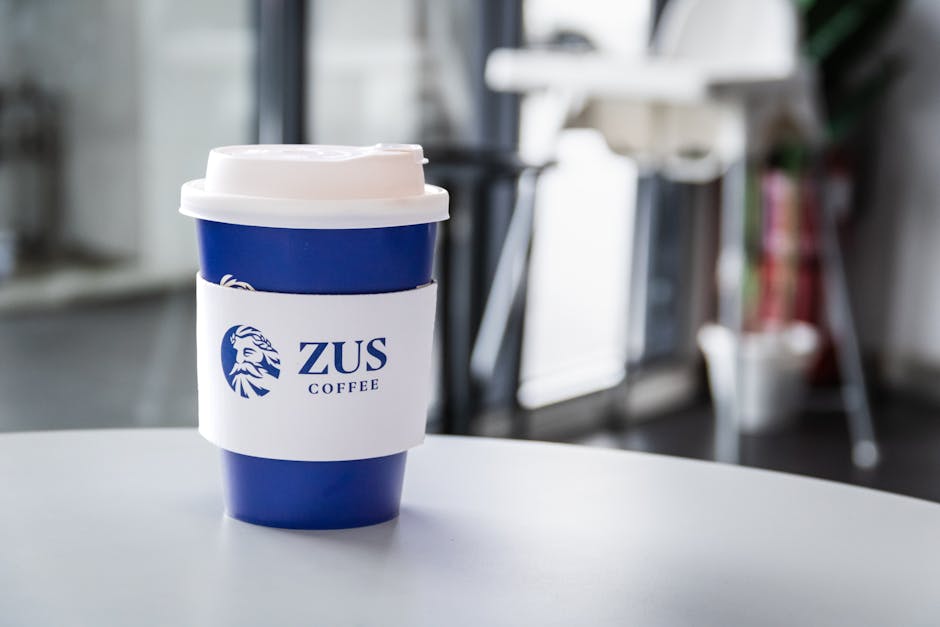
ZUS Coffee’s Digital App Revolution: How Data, Gamification, and Gen Z Loyalty Are Rewriting Southeast Asia’s Café Playbook
In the heart of urban Malaysia, a silent paradigm shift is underway. Once dominated by legacy players like Starbucks, the café landscape is now defined by a nimble challenger: ZUS Coffee. At the core of this transformation lies a digital loyalty app that not only outpaces industry giants in sales penetration but also engrains itself within the habits and rituals of Gen Z, the region’s most digitally native demographic. With more than 1.8 million downloads and a 4.85/5 rating, ZUS Coffee’s app-driven model is rewriting the fundamentals of café success—showcasing a blueprint for how quick-service retail can thrive in urban Southeast Asia.
This exposé explores the real-world impact of ZUS Coffee’s digital ascendancy, contrasting its journey with Starbucks, and distills actionable insights for decision-makers amidst this rapidly evolving market.
The Digital Dawn: How ZUS Coffee Harnessed Malaysia’s Smartphone Surge
Smartphone Ubiquity Fuels App-First Café Models
With urban Malaysia boasting over 90% smartphone penetration, the environment was ripe for a digital-first revolution. The traditional coffee shop experience—long lines, paper loyalty cards, static menus—was primed for disruption. ZUS seized this opportunity, launching its ZUS Rewards app that leveraged the country’s widespread e-wallet adoption, including seamless integrations with Touch ‘n Go and GrabPay.
The app quickly became the center of the ZUS experience: over 70% of ZUS Coffee’s sales now originate from digital channels, far eclipsing Starbucks Malaysia’s sub-50% share. This digital dominance was achieved not through mere functionality, but through thoughtful gamification and targeted engagement that speak directly to Gen Z’s desire for convenience, reward, and community.
Gamification and Ritual: Building Loyalty Beyond Discounts
Engagement Mechanics: Streaks, Spins, and Morning Boosts
Unlike legacy loyalty programs, ZUS’s app is designed to foster daily interaction rather than occasional visits. “Daily streaks” encourage users to order consecutively, unlocking bonuses and fostering habit formation. “Spin-to-win” games, layered seasonal rewards, and “Morning Boost” notifications nudge customers into routines that are both fun and sticky. These features drive a loyalty rate of more than 40% among Gen Z in urban centers, effectively reversing Starbucks’ long-held dominance in this demographic.
Personalized Nudges and O2O Integration
The integration of Antsomi CDP 365 enables ZUS Coffee to deliver hyper-personalized offers—tailoring menu recommendations to micro-market preferences (such as the distinct tastes of Klang Valley versus East Malaysia). This personalization extends seamlessly from online ordering to offline experiences: QR redemption at over 700 outlets, real-time GPS-based menu customization, and automatic payment integration streamline the process for users and operators alike.
Operational Advantages: Lower Costs, Higher Profits, and Store Expansion
Digital Efficiency Suppresses Operational Costs
By driving 70% of transactions through its app, ZUS Coffee significantly reduces labor requirements and eliminates expenses associated with physical loyalty materials. This digital agility has enabled the chain to scale rapidly—743 stores in Malaysia by 2024 compared to Starbucks’ 320, with plans for more than 1,000 by 2025.
Data-Led Store Siting and Menu Tweaks
App analytics inform every expansion decision. Instead of relying on broad demographic data, ZUS pinpoints micro-markets where digital engagement is strongest, ensuring new stores launch with proven demand. Personalized upsells and O2O (online-to-offline) integration further drive financial performance, with revenue targets of RM600 million and net profits projected at RM30 million for 2025.
A Comparative View: ZUS Coffee Versus Starbucks in Urban Malaysia
Digital Penetration is the Divergent Point
The foundational difference between ZUS and Starbucks lies in digital sales penetration. ZUS’s 70% app-driven sales empower faster, leaner operations and deeper customer insight. Starbucks has struggled to cross the 50% threshold, still anchored by analog models that are increasingly out of sync with urban digital expectations.
Store Network Expansion and Gen Z Loyalty
ZUS’s store network is more than double the size of Starbucks, and its >40% Gen Z loyalty rate signals a generational shift. These figures underscore the competitive threat posed to legacy chains that fail to prioritize digital transformation.
App Metrics and User Experience
The ZUS app’s 1.8 million downloads (projected for 2025) and industry-leading 4.85/5 rating outpace Starbucks at every turn. Feedback highlights ZUS’s superior speed and reliability, even during peak hours—a critical differentiator in fast-paced urban markets.
Expansion Across Southeast Asia: Scaling the Digital Café Model
Regional Strategies and Local Adaptation
ZUS Coffee isn’t resting on its Malaysian laurels. The chain is targeting 200 new regional stores, with a strong focus on urban clusters in the Philippines, Thailand, Indonesia, Singapore, and Brunei. In each of these markets, ZUS adapts its gamification and O2O playbook to local payment systems—such as GoPay in Manila and custom menus in Jakarta—aiming to replicate its 70% digital sales penetration.
Urban economies in Southeast Asia are growing 15-20% year-on-year, with ZUS capturing opportunity through lower customer acquisition costs. The chain leverages app rituals far more effectively than traditional paid advertising, embedding itself in daily routines.
Real-World Implications for Business Leaders
App-Native Loyalty Programs Are Now Table Stakes
Quick-service retail leaders need to aim for 50%+ digital sales via gamified loyalty programs. The ZUS model proves that app engagement is not only lucrative but essential for cost control and growth.
Hyperlocalization Through Advanced CDPs
Integrating platforms like Antsomi CDP 365 enables 360-degree customer views and personalized campaigns, doubling conversion rates and ensuring menu relevance from city to city.
Gen Z Targeting Drives Competitive Displacement
With Gen Z comprising a rising share of urban consumers, chains must replicate ZUS’s O2O approach, merging QR and e-wallet payments to drive retention above 40%.
Profit-Driven Expansion Through App Analytics
Store siting and menu creation should be data-led, minimizing risk and validating each opening against proven digital demand.
Mitigating Digital Risk
Continuous monitoring of app ratings and payment performance is vital; addressing occasional slowdowns (such as iOS payment delays) prevents erosion of trust and market share.
Comparative Perspectives: A New Viewer’s Lens
Legacy versus Challenger Mindset
For stakeholders outside Malaysia, ZUS Coffee’s rise offers a cautionary tale for legacy brands. The speed, personalization, and digital-first ethos of ZUS starkly contrast with Starbucks’ slower adaptation. New viewers may underestimate the scale of generational shifts—yet the data shows that those who overlook app-native strategies face rapid irrelevance in urban Southeast Asia.
Tech-Driven Urban Café Trends
Emerging patterns suggest that digital loyalty is not a marketing gimmick, but a structural lever for operational and financial advantage. ZUS’s success in Malaysia is already translatable in Manila, Bangkok, and Jakarta, where urban digital economies mirror Malaysia’s trajectory.
“In the café industry’s digital era, whoever owns the ritual owns the customer—and in Southeast Asia’s urban centers, rituals are now powered not by paper cards or posters, but by algorithms, apps, and gamified engagement.”
Forward-Thinking Insights: What Comes Next?
Regional Rollout and Dynamic Personalization
ZUS Coffee’s aggressive regional expansion—targeting 1,000+ stores and consistent 70% app-driven sales—will likely solidify a digital-first model as the new standard. Chains entering the Philippines or Thailand must ensure frictionless QR/e-wallet parity, or risk lagging behind.
Investment and Competitive Risk
ZUS’s projected RM30 million net profit for 2025 is a direct result of its data agility and digital channel dominance. Investors and competitors should note: unless digital transformation is accelerated, the loss of 20-30% urban share is inevitable.
App Rituals as Customer Acquisition Engines
Lower acquisition costs, faster expansion, and deep loyalty will continue to be driven by app rituals, not traditional ads or promotions. The lesson is clear: digital is not a bolt-on, but the engine of growth.
Conclusion: The Strategic Imperative of Digital Transformation in Urban Retail
ZUS Coffee’s journey is more than a regional success story—it’s a signal for all urban café operators and retailers. The confluence of smartphone ubiquity, gamified loyalty, and advanced data platforms has fundamentally altered the competitive landscape in Southeast Asia. Brands that embrace digital not just as a channel, but as a core operational and engagement strategy, will thrive. Those that cling to legacy models will see their market share erode, especially among Gen Z consumers who value speed, personalization, and ritualized engagement.
The future is clear: the digital app is not just a tool, but the new front door to retail. As ZUS Coffee expands its innovative playbook across Southeast Asia, business decision-makers must reflect, adapt, and act boldly—or risk watching their share fade into irrelevance.
For more on ZUS Coffee’s digital rise, explore detailed strategy breakdowns at Growth HQ, or review their award-winning app performance via Asian Business Review.