
How ZUS Coffees Digital-First Strategy Is Disrupting Southeast Asia: Malaysia, Singapore, Philippines, Thailand, Brunei & Indonesia Compared
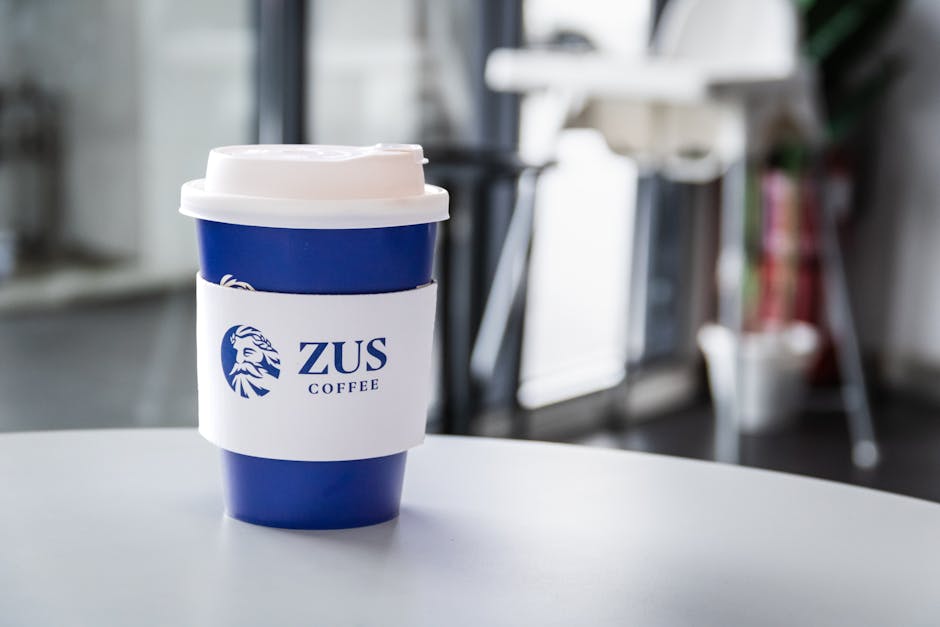
Digital Disruption in Southeast Asian Coffee: An Exposé on ZUS Coffee’s Rise and the New Retail Revolution
In the bustling heart of Southeast Asia, coffee isn’t just a beverage—it’s a cultural ritual, a social currency, and now, a battleground for digital innovation. Once dominated by iconic brands and timeless traditions, the region’s café landscape is in the throes of a seismic transformation, driven not by flavor alone, but by the power of data, personalization, and rapid technological adoption. At the center of this movement stands ZUS Coffee, Malaysia’s largest coffee chain, whose app-first strategy has catapulted it from a single store in 2019 to over 1,000 outlets across the region by late 2025. This exposé delves into ZUS Coffee’s meteoric ascent, the broader implications for regional players, and the future of digital retail in Southeast Asia’s $10-billion coffee sector.
The Brewing Storm: Setting the Stage for Digital Retail in Southeast Asia
Historical Market Dynamics
For decades, Southeast Asia’s coffee scene was shaped by legacy brands and deeply entrenched local chains. Names like Starbucks, OldTown White Coffee, and regional favorites such as Bo’s Coffee in the Philippines or In Thanin in Thailand built their empires on cultural familiarity and steady, incremental growth. Yet, outside of global giants, digital adoption was largely superficial—loyalty cards, basic ordering apps, and a resistance to deep tech integration kept the sector anchored in tradition.
Millennial Momentum & Urbanization
By the mid-2020s, two forces converged: the rise of urban millennials, with 60% digital penetration, and the proliferation of affordable smartphones. The demand for convenience, personalization, and seamless digital experiences began reshaping expectations, propelling chains to rethink their customer engagement strategies. According to SCMP, digital orders are projected to hit 70% by 2028—turning tech fluency from an option into a necessity.
From Single Store to Regional Powerhouse: ZUS Coffee’s New Retail Playbook
App-First Strategy & Explosive Growth
Founded in Kuala Lumpur in 2019, ZUS Coffee’s trajectory defies convention. The brand’s proprietary app was not just a promotional add-on, but the center of a “New Retail” ecosystem. Every customer interaction, from taste preferences to purchase frequency, was captured and analyzed—fueling personalized product offerings and operational efficiency. By Q4 2025, ZUS boasted 1,000 stores and an 8,000-strong workforce, selling 150,000 cups within its first six months.
Tech-Driven Scaling & Competitive Edge
Unlike rivals, ZUS treats the digital channel as core infrastructure. This enables rapid scaling (200 stores opened in 2025 alone), targeted menu localization (palm sugar in Malaysia, purple yam in the Philippines), and a loyalty ecosystem that lifts retention rates by 15–25%. Their app, available on iOS and Android, is an actionable tool for franchisees to tap into robust user data.
Comparative Review: ZUS Coffee vs. Regional Heavyweights
Malaysia—Dominating Home Turf
ZUS Coffee became Malaysia’s largest chain (743 stores by mid-2025), eclipsing Starbucks (320 stores) and OldTown White Coffee (~120 stores). While Starbucks maintains global brand equity and mobile order/pay features, ZUS’s proprietary app and halal menu adaptability foster a 20–30% loyalty uplift. Traditional chains are catching up, but most have only basic digital functionality.
Singapore—The Tech-Savvy Battleground
With over 50 outlets, ZUS enters a market where 80% of orders happen via apps, competing against Luckin Coffee’s aggressive pricing and The Coffee Bean & Tea Leaf’s established presence. Here, ZUS’s advanced analytics provide a tangible edge, leveraging real-time habit tracking and targeted offers. Rapid expansion is evident, as detailed in ZUS SG App.
Philippines—Winning with Localization
ZUS’s entry into the Philippines demonstrates the power of menu engineering and local partnerships. With purple yam flavors and partial ownership by investor Frank Lao, ZUS targets 100+ stores, challenging Bo’s Coffee (150 stores) and Starbucks (600+ stores with a strong app presence). Digital habit tracking enables market share gains, positioning ZUS for a projected 20% share increase.
Thailand—Beachhead in a Mature Market
The 2026 rollout in Thailand, with a $20M investment, aims for 50 stores in a crowded landscape. Local giants like In Thanin (300 stores) and Amazon Cafe (200) focus on legacy loyalty and emerging apps. Starbucks sets the global benchmark, but ZUS’s tech integration and customer insight app aim to disrupt, leveraging faster scaling and cost efficiency (20% labor reduction).
Brunei—Niche Foothold
With minimal competition, ZUS’s app-driven efficiency in Brunei enables margin expansion (up to 40%). Local chains like Habitat Coffee (20 stores) lack digital sophistication, making the market a low-risk entry point.
Indonesia—Upcoming Frontier
ZUS plans to enter Indonesia after Thailand, targeting 100 stores by 2027. The main competition is Kopi Kenangan (1,200 stores, viral app with 10M downloads), illustrating the necessity of full-stack app adoption for meaningful market penetration.
Digital Disruption: The Real-World Implications
High Scalability & Data Monopoly
ZUS Coffee’s app-centric model enables a store ramp-up rate of 50+ outlets per year, and delivers personalized experiences that drive 15–25% higher customer retention compared to regional heavyweights. The ability to gather granular data on preferences, feedback, and purchasing patterns is a strategic asset—allowing not just operational optimization, but the anticipation of demand and customer sentiment shifts.
Cost Efficiency & Labor Reduction
Automated systems, digitized inventory, and streamlined operations result in a 20% reduction in labor costs. This scale of efficiency is vital for aggressive expansion, notably in markets like Thailand where saturation risks are high.
Cultural & Halal Fit
ZUS leverages digital to enhance cultural relevance. In Malaysia and Indonesia, halal fluency leads to a 30% increase in uptake among Muslim-majority demographics. Menu localization, enabled by rapid app feedback, ensures fast innovation with region-specific flavors.
Emerging Patterns, Tactical Shifts & Innovative Practices
Personalization at Scale
Data-driven personalization is not just about targeted discounts—it’s about creating an ongoing dialogue with each customer. ZUS’s app ecosystem allows for the testing of new flavors, the delivery of context-specific offers, and predictive reorder prompts, fostering a sense of individualized attention that traditional chains struggle to replicate.
Franchise & Partner Integration
ZUS’s digital toolset is central to franchisee success. Actionable app integration drives a 20–30% uplift in loyalty, as illustrated in comparative benchmarks with OldTown App.
Investment & Expansion Efficiency
The $20M Thailand push is projected to yield a 2x revenue multiple within two years—a testament to the power of digital-first scaling. For business decision-makers, piloting ZUS’s proprietary app in the Philippines or Thailand is recommended for a 25% sales lift (ZUS Partner Portal).
Regional Chains: Tradition vs. Transformation
Legacy Loyalty & Slow Digital Adoption
Regional chains enjoy deep-seated brand loyalty, especially in mature markets like Thailand (In Thanin holds 15% market share). However, only 40% of these chains offer advanced digital solutions—insufficient to match ZUS’s full-stack model. To counter, chains must upgrade apps with AI-driven preferences and target 50% digital adoption by 2027.
M&A and Tech Acquisition Opportunities
Legacy chains face existential choices: either acquire ZUS-like tech for $50–100M (valuation based on 1,000 stores) or risk irrelevance. This trend is catalyzing merger and acquisition activity as traditional players scramble to close the digital gap.
Differing Perspectives: Newcomer vs. Established Veteran
New Entrant View
For digital-first challengers, the focus is on leveraging technology to disrupt existing market norms—rapid expansion, data-driven product launches, and a relentless focus on personalized experience.
Established Chain View
Legacy brands see digital as enhancement, not core. They emphasize slow, deliberate innovation, banking on cultural fit and brand reputation. The risk is stagnation as digital-native consumers demand more—forcing a paradigm shift.
The future belongs to brands that place digital interaction at the heart of their retail model—where every cup is a conversation, and every store is a node in a networked ecosystem of data, taste, and personalization.
Metrics and Forward-Thinking Insights
Critical Numbers to Watch
- ZUS’s YoY growth: 1,000 stores in 2025 to 1,300 by 2026 (+30%)
- SEA coffee market: 8% CAGR to 2030; digital orders 70% by 2028
- App DAU/MAU: Target >30% for competitive edge
- LTV:CAC ratio: >3:1 is sustainable
- Store ramp-up: Minimum 50 outlets/year for scale leadership
Recommendations for Executives & Investors
- Adopt proprietary apps for a projected 25% sales boost—pilot in high-growth markets
- Legacy chains: Accelerate tech upgrades, target advanced app rollout and 50% digital adoption by 2027
- Pursue M&A for tech integration; $50–100M valuation for scalable chain tech
- Mitigate saturation risk in mature markets via menu localization and targeted digital campaigns
- Track key metrics: App engagement, store scaling, and lifetime value to acquisition cost ratios
Conclusion: The Strategic Imperative for Digital Retail in Southeast Asia’s Coffee Sector
ZUS Coffee’s ascent is more than just a business success story—it’s a warning shot to legacy chains and a blueprint for the future of retail in one of the world’s most dynamic markets. The fusion of technology, cultural intelligence, and relentless scaling is rewriting the rules of engagement. Business leaders must recognize that digital-first strategies are no longer optional. Brands that invest now—integrating proprietary apps, capturing granular user data, and pivoting toward personalization—will define the competitive landscape of the next decade. The stakes are high: with projected double-digit growth, a surge in digital orders, and M&A opportunities ripe for the taking, the time for decisive action is now.
In the end, every chain faces a choice: adapt swiftly and digitally, or risk being left behind, as Southeast Asia’s coffee revolution moves at tech’s relentless pace.