
How ZUS Coffees Digital Loyalty App Is Transforming Customer Retention In Kuala Lumpur, Penang, Johor & Across Malaysia
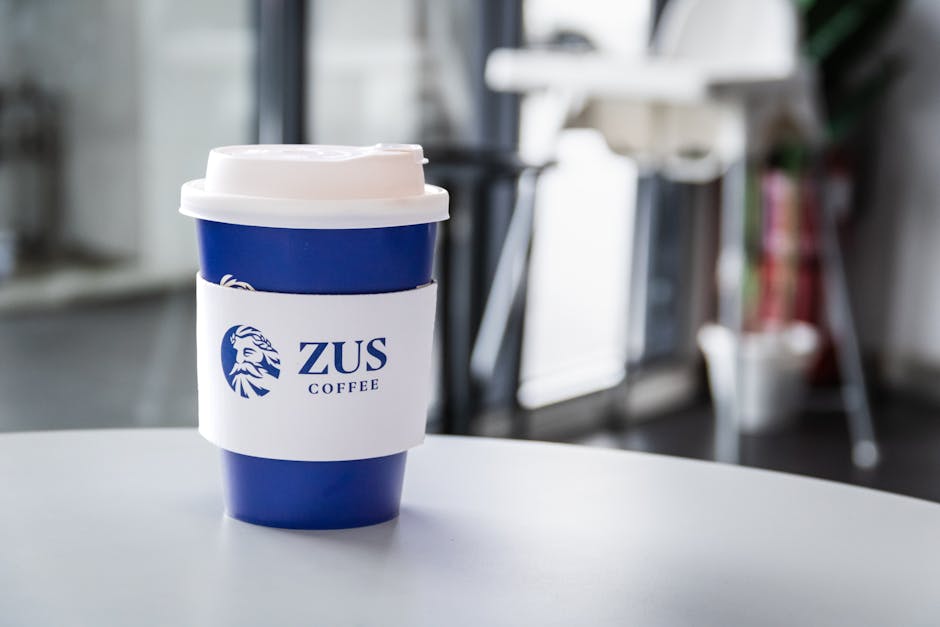
Inside ZUS Coffee’s Digital Loyalty Revolution: Transforming Malaysia’s Café Culture
In the heart of Malaysia’s restless urban landscape, where café culture intersects with digital ambition, one brand has catapulted itself into significance: ZUS Coffee. Once a challenger in a market ruled by giants like Starbucks and beloved kopitiams, ZUS has harnessed the power of digital loyalty—turning data, gamification, and seamless payments into a weaponized growth engine. As Malaysia’s smartphone penetration crosses 90%, and consumer behavior pivots towards convenience and personalization, the ZUS Rewards app is not merely a tool—it’s the narrative thread stitching together 1.8 million customers, 1,000 stores, and a forecasted RM600 million revenue by 2025. This exposé unpacks the strategies, real-world implications, and transformative lessons emerging from ZUS Coffee’s digital ecosystem, offering a blueprint for F&B leaders, technologists, and hospitality visionaries across Southeast Asia.
The Digital Loyalty Paradigm: From Stamps to Scalable Engagement
From Analog to Algorithm
In the pre-digital era, loyalty programs meant stamp cards—static, easily lost, and barely tracked. ZUS Coffee rejected this legacy, opting for a fully digitized rewards model. The ZUS Rewards app—with 1.8 million downloads and counting—now drives 70% of all sales, outpacing even Starbucks, whose app contributions remain below 50%. Retention rates have soared between 25-40%, eclipsing the industry’s flat 15% benchmark. More than a customer acquisition tool, the app is a feedback engine: every purchase, redemption, and interaction generates actionable data, forging a virtuous cycle of engagement and growth.
Gamification and Personalization in Loyalty
Gamification—“streak rewards,” “Morning Boost” offers, and digital collectibles—has doubled or tripled engagement compared to traditional programs. For Gen Z, who drive 70-80% of all loyalty interactions, these features transform coffee-buying into a ritual and a game. Meanwhile, Antsomi CDP 365’s integration delivers granular personalization, adapting menu offerings and campaign prompts by region, time, and even weather. This flexibility means the loyalty engine isn’t a blunt instrument—it’s a scalpel, used for hyperlocal expansion across Kuala Lumpur, Penang, Johor, and nationwide.
Regional Dynamics: Kuala Lumpur, Penang, Johor, and Beyond
Kuala Lumpur: Urban Density and Ritualized Engagement
As Malaysia’s digital epicenter, Kuala Lumpur sees ZUS Coffee deploy dense store clusters and heavily iterate its digital loyalty strategy. App usage peaks during morning commutes, and office workers open the app 40% or more weekly—a rate 2-3 times higher than competitors. CDP-driven personalization, such as climate-triggered iced latte promos, lifts conversion rates by 20-30%. Fraud—once a persistent margin killer—has become negligible, safeguarded by digital tracking and e-wallet integration. Here, ZUS’s RM600 million revenue trajectory is won not just on coffee, but on frictionless, data-driven repeat business.
Penang: Hybrid Models for a Diverse Demographic
Known for its blend of tourists and locals, Penang demands adaptability. QR-based hybrid redemptions allow cash-preferring customers—often visitors—to participate in digital loyalty, bridging old and new. Seasonal offers tied to festivals spike repeat visits by up to 30%. Student and young professional populations—main engagement drivers—adhere to streak-based gamification, while menu localization (teh tarik fusions) ensures cultural resonance. VIP tiers retain over 40% of customers, even as traditional kopitiams offer stiff competition.
Johor: Cross-Border Expansion and Delivery Integration
Proximity to Singapore positions Johor as a unique frontier, where delivery integration extends loyalty beyond physical outlets. E-wallet payments (especially Touch ‘n Go) facilitate 70% app-driven sales, while personalized nudges for border-hour or commute peaks yield 2-3x engagement rates. Hyperlocal analytics identify micro-markets for expansion, ensuring store launches are data-backed and customer-centric. Gen Z’s dominance (up to 80% of loyalty interactions) shapes both menu innovation and campaign design.
National and East Malaysian Reach: Digital Scalability and Inclusion
With over 700-1,000 stores nationwide, ZUS Coffee’s app-led expansion demonstrates the power of real-time inventory and campaign agility. East Malaysia, facing logistical and demographic challenges, benefits from menu localization via CDP insights and inclusive QR-based loyalty for low-end phone users. This strategic inclusivity keeps retention rates high (25-40%) and app ratings stellar (averaging 4.85/5), even in rural markets. Gen Z remains the engine of change, underpinning the shift from tradition to digital-first habits.
Comparative Perspectives: ZUS Versus Industry Norms
Retention and Engagement Metrics
Where ZUS rewards users with multi-tiered VIP perks and gamified engagement, competitors often rely on transactional interactions—counting purchases, not relationships. The ZUS model delivers a retention leap (25-40% versus the industry’s 15%), and VIP tiers reach 40%+ retention. Weekly app opens, at over 40%, outstrip the industry’s average by two to three times. Repeat business grows 20-30%, while fraud is reduced to near-zero levels. By comparison, key rivals—including global brands—struggle with static programs, weeks-long campaign deployment, and 5-10% fraud rates.
Operational Efficiencies and Customer Acquisition
ZUS drives customer acquisition costs down by 20-30% through virality and referral incentives (“Buy 1 Free 1”), versus traditional marketing spend. Real-time campaign deployment, enabled by digital infrastructure, is 100x faster than competitors. Integration with Malaysia’s e-wallet ecosystem (Boost, Touch ‘n Go, GrabPay, ShopBack Pay) ensures frictionless payments and supports emerging consumption patterns like pre-order and delivery. These operational advantages forecast a net profit of RM30 million in 2025, achieved via suppressed labor/material costs and upsell prompts.
Differing Perspectives: New Viewers and Legacy Mindsets
For new viewers—especially those from less digitalized F&B backgrounds—the ZUS approach appears almost ‘too aggressive.’ The transition from analog loyalty to scalable, data-rich platforms demands not just investment, but a cultural shift: treating customer relationships as dynamic assets rather than static ledgers. While legacy brands pride themselves on tradition and service, the digital-first play enables rapid pivots, real-time feedback, and hyperlocal targeting. Those lagging behind risk irrelevance in a landscape where digital loyalty is fast becoming not optional, but existential.
Real-World Implications: Beyond Coffee, Toward Ecosystem Dominance
Blueprint for F&B Survival
ZUS’s playbook is now the industry standard. Leaders in major regions must benchmark against its metrics, targeting retention rates above 25%, app sales penetration above 70%, and Gen Z engagement above 70%. Payment systems must be compatible with all major e-wallets and accommodate hybrid models for inclusivity. Virality and referrals are not gimmicks—they’re strategic levers, cutting acquisition costs and scaling reach at speed. Loyalty programs must be gamified, tiered, and powered by CDPs to ensure real-time personalization and inventory agility.
Data as Asset, Rewards as Triggers
The shift toward data-driven marketing isn’t just about analytics—it’s about treating every customer interaction as a source of value. ZUS’s Antsomi CDP 365 delivers 360-degree views, allowing micro-targeted menu tweaks (iced drinks in KL humidity, festival-focused in Penang, border-hour coffee in Johor), and rapid A/B testing. Real-time dashboards enable “flash sales” in hours, not weeks. Operational efficiencies—from fraud reduction to suppressed labor costs—translate into tangible profit.
The Southeast Asia Playbook: Exporting Digital Loyalty to the Philippines, Thailand, and Indonesia
Regional Adaptation and Growth
ZUS Coffee’s model is primed for replication across Southeast Asia, where smartphone booms (80-90%) and e-wallet adoption mirror Malaysia’s landscape. In test markets, ZUS’s app has already achieved 40%+ loyalty rates, with gamified streaks and CDP-powered personalization driving engagement. Leaders in the Philippines, Thailand, and Indonesia see digital loyalty as the new “battlefield” for customer retention, with Malaysia’s RM600 million revenue path as the aspirational benchmark. Localized menus, app-driven sales, and e-wallet compatibility become the pillars for regional scaling.
Strategic Recommendations for F&B Decision Makers
Immediate actions include auditing loyalty programs, targeting the ZUS standard (25-40% retention), and integrating all relevant e-wallets. Medium-term success depends on gamification, CDP adoption, and region-specific pilots. Long-term growth requires hyperlocal expansion using app data—identifying micro-markets, forecasting store siting, and monitoring app ratings for retention. Hybrid cash-digital models remain crucial for risk mitigation, ensuring inclusivity and sustainable growth.
Industry Impact: Disrupting Malaysia’s Billion-Ringgit Coffee Market
Shift in Competitive Power
The Malaysian coffee market, worth billions of ringgit, is in flux. ZUS’s digital-native approach shifts power to data owners, outflanking legacy brands with low retention and high fraud rates. Operational efficiencies and real-time upsell prompts position ZUS to achieve RM30 million profit in 2025. Digital loyalty is no longer a trend but a requirement, with broader F&B leaders forecast to adopt similar strategies in the next 12-18 months.
Risks and Mitigation
Despite digital dominance, cash loyalists and rural penetration remain challenges. ZUS addresses these with hybrid QR models and inclusive app design, ensuring all demographic segments are served. The brand’s ability to maintain high app ratings and retention in rural settings underscores the adaptability of its playbook. As digital loyalty becomes widespread, the focus shifts from technology adoption to sustained engagement—ensuring repeat business, customer satisfaction, and operational resilience.
“The future belongs to brands that treat every transaction as data, every interaction as a trigger, and every customer as a community. In Malaysia, digital loyalty is not just disrupting the coffee scene—it’s rewriting the survival playbook for all of F&B.”
— GrowthHQ, 2024
Conclusion: Strategic Imperatives for the Next F&B Decade
ZUS Coffee’s digital loyalty revolution is more than a business case—it’s a clarion call for transformation. As Malaysia’s café landscape rapidly digitizes, the competitive advantage now lies in scalable engagement, real-time analytics, and hyperlocal adaptation. Brands that cling to analog models, slow campaign cycles, and static loyalty risk obsolescence. The evidence is unequivocal: digital loyalty delivers higher retention, reduced fraud, faster scaling, and sharper profit margins.
The trajectory is clear. Within the next 18 months, digital engagement will be the competitive requirement across Malaysia’s F&B ecosystem. The playbook—gamified rewards, app-driven sales, 360-degree personalization—must be emulated, adapted, and relentlessly optimized. For decision makers, the imperative is strategic: treat data as your asset, rewards as your triggers, and every customer as your partner in growth. The brands that flourish will be those that understand not just the mechanics of digital loyalty, but its power to create community, drive repeat business, and shape the future of café culture in Malaysia and beyond.