
How ZUS Coffees Social-Tech Playbook Can Revolutionize Routine-Friendly Skincare In Malaysia, Singapore, Thailand, Indonesia, The Philippines, And Brunei
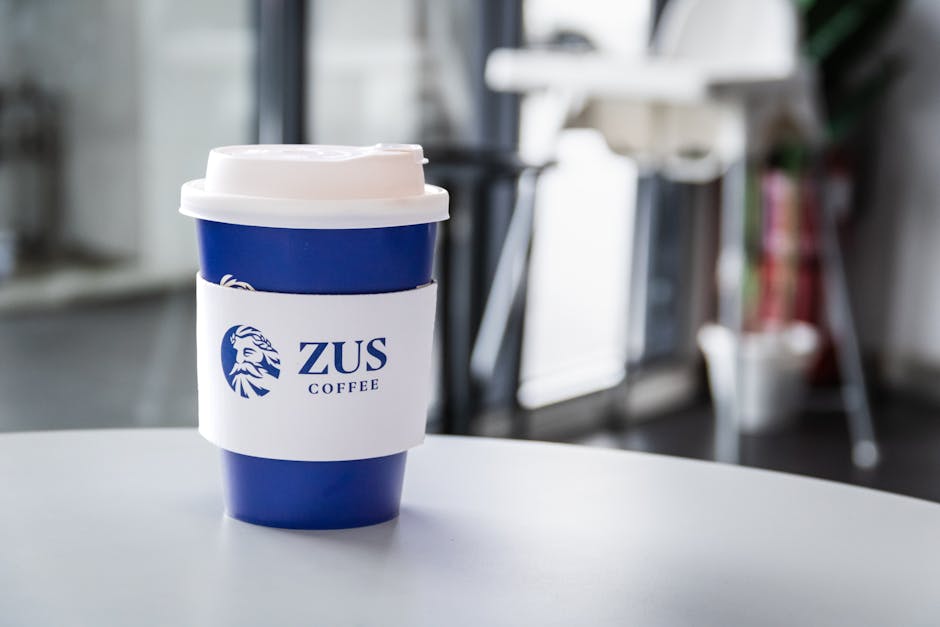
ZUS Coffee’s Social Model as a Blueprint: Rethinking Skincare for Southeast Asia’s Humidity
In the bustling urban heartlands of Southeast Asia, two consumer passions are reaching fever pitch: the demand for accessible specialty coffee and the quest for daily, climate-adapted skincare. While the former may evoke visions of bustling cafés and ubiquitous apps, the latter is quietly becoming a daily infrastructure service for millions contending with relentless humidity, urban pollution, and unforgiving UV exposure. Amid this convergence, one brand—ZUS Coffee—has emerged not just as a market leader in beverages but as a strategic case study in how tech, social consciousness, and hyper-local ingenuity can upend entrenched competitors and ignite community “movements.” This exposé delves into how ZUS’s model is rewriting the playbook for routine-friendly skincare in Southeast Asia, drawing out real-world implications and urgent strategic lessons for decision makers navigating one of the world’s most complex and high-potential consumer markets.
The ZUS Coffee Phenomenon: A Catalyst for Localized Innovation
Pioneering a Tech-Driven, Value-Priced, Social Impact Model
By 2025, ZUS Coffee has achieved what few believed possible just half a decade prior: nearly 743 stores in Malaysia alone, with over 100 more opening domestically and over 200 new stores planned across the region—including bold first entries into the Philippines, Singapore, Brunei, Thailand, and Indonesia.
This explosive growth was not merely about chasing market share. ZUS has anchored its ascent in a disciplined blend of technology, value, and local identity. With ~70% of sales conducted via its app, the brand orchestrates everything from on-demand fulfillment to loyalty rewards, all while embedding personalization at every touchpoint.
But perhaps most critically, ZUS has shown that embedding social impact and sustainability into the commercial core—rather than as peripheral CSR—builds emotional scale and long-term resilience. These pillars illuminate what’s possible for other consumer categories, especially skincare, seeking relevance and scale across the climate-challenged, digital-native SEA-6 (Malaysia, Singapore, Thailand, Indonesia, the Philippines, Brunei).
Southeast Asia’s Skincare Reality: Climate, Complexity, and Cultural Shifts
Humidity as Destiny: Skincare’s Daily Challenge
To understand why ZUS’s model resonates so strongly within the context of skincare, one must first reckon with the environmental reality. The SEA-6 is unified by punishing humidity (routinely between 70–90%), persistent UV, and urban air pollution. These factors create a perfect storm: sebum overproduction, acne flare-ups, pigmentation, and compromised skin barriers. As a result, the “10-step routines” popularized by Korean beauty are often abandoned in favor of minimal, lightweight, fast-absorbing products.
Meanwhile, the demographic that propelled ZUS’s rise—young, urban, digitally native, and socially conscious—are likewise driving skincare’s new frontiers. They seek visible results, efficient routines, local relevance, and clean ingredients that eschew the “Western luxury tax.”
Tactical Shifts: Lessons from ZUS Coffee’s Social-Commerce Engine
Digital-First Engagement as Infrastructure
ZUS’s transformation into a tech-enabled ecosystem—where ordering, rewards, and personalized offers happen seamlessly via a proprietary app—portends the next leap for skincare. The analogy is clear: a dedicated “routine operating system,” gathering first-party data on consumers’ skin concerns, climate, and daily habits, can power targeted recommendations, subscription nudges, and hyper-personalized promotions. This is not theoretical; ZUS’s use of CDP technology (Antsomi CDP 365) provides a real-time, 360° view of customer behavior—an asset any skincare brand must now treat as a competitive moat.
Localization: The Secret Sauce of Retention
ZUS’s strategy of customizing menus to reflect local tastes—palm sugar in Malaysia, purple yam in the Philippines, halal-respectful formulations—maps directly onto the demands of skincare consumers. In Malaysia and Indonesia, halal certification is non-negotiable. In Singapore, clinical efficacy and minimalism rule, while Thailand’s beauty market prizes brightening and sweat-tolerance, and the Philippines demands visible oil control and community-driven storytelling.
Social Impact and Sustainability as Business Imperatives
From repurposing coffee grounds as fertilizer (saving almost 900 kg CO₂) to sponsoring humanitarian initiatives like the mobile medical clinic in Gaza, ZUS’ approach demonstrates that consumers are not merely buying a product—they’re enlisting in a mission. In skincare, analogous strategies involve locally sourced ingredients, circular packaging models, health equity programs, and transparent ESG reporting—all tightly integrated into the brand’s core.
Comparative Perspectives: Old Playbooks vs. the ZUS Paradigm
Global vs. Local: Who Owns the Routine?
Traditional global skincare giants and luxury imports often treat Southeast Asia as a single, undifferentiated “Asian skin” market, pushing multi-step regimens and textural archetypes ill-suited for equatorial realities. In contrast, the ZUS model insists on hyper-local adaptation and social embedding. While global brands rely on international influencers and top-down campaigns, ZUS and rising local skincare brands draw on “movement marketing,” positioning each purchase as a vote for national pride and regional innovation.
Data as a Defensive Moat
Where multinationals may still depend on third-party retailers for sales data, ZUS—and by extension, future-facing skincare disruptors—treat first-party digital ecosystems as their most defensible asset. This enables granular segmentation: “Bangkok office workers with combination skin,” “Jakarta commuters seeking barrier repair,” and so forth—outmaneuvering competitors who lack these feedback loops.
The next decade will belong to brands that scale trust as efficiently as they scale transactions—by making every digital touchpoint, formulation, and narrative feel as though it was handcrafted for a specific city, climate, and community.
Operational Innovations: From Kiosks to “Routine Bars”
High-Density, Low-Cost Urban Penetration
ZUS’s hybrid store formats—lean kiosks in high-traffic areas, backed by full-service cafés—democratize access while managing costs. Skincare brands are now following suit with micro “routine bars” in MRT/LRT stations, offering 2-minute consultations and humidity-optimized kits. These formats create both trial opportunities and rapid feedback loops, just as ZUS’s first delivery-focused kiosks did during the pandemic.
Delivery as Default
SEA’s e-commerce infrastructure is primed for routine products. Partnerships with Shopee, Lazada, Tokopedia, and delivery aggregators such as Grab and Gojek are now standard, ensuring frictionless access—a model lifted directly from ZUS’s playbook.
Pop-Up and Lifestyle Co-Location
Forward-thinking skincare brands are piloting events with cafés (sometimes ZUS itself), gyms, and co-working spaces, allowing for experiential marketing: morning coffee paired with SPF sampling, evening “detox and repair” sessions, all in community-oriented hubs.
Social Impact and ESG: Toward a Circular, Transparent Future
Direct-Trade Sourcing and Community Uplift
Like ZUS’s direct partnerships with Coffex Coffee—ensuring traceability and farmer benefit—skincare brands are moving towards regionally sourced, measurable supply chains. Partnering with smallholder farms for botanicals (temulawak in Indonesia, pegaga in Malaysia, local fruits in the Philippines), and publishing impact metrics, builds consumer trust and regulatory goodwill.
Packaging Circularity and Waste Reduction
From refill stations in Singapore malls to take-back programs with annual “plastic diverted” reporting, brands are echoing ZUS’s environmental transparency. “Clinic-grade” refill packs, bulk options, and even biodegradable pilots are rapidly moving from niche to norm.
Health Equity as Core, Not CSR
Programs distributing sunscreen and barrier repair to outdoor workers, in partnership with local NGOs and clinics, mirror the visibility and continuity of ZUS’s humanitarian efforts via MyCARE. When combined with ongoing educational workshops, these efforts reframe skincare as essential infrastructure for community well-being.
Challenges and Competitive Realities
Escalating Competition from Local and Global Players
The stakes are rising. Global K- and J-beauty brands are now localizing SKUs and influencer strategies, while nimble regional brands leverage social media virality to capture younger consumers. Large FMCG incumbents—armed with “derm-branding” and scale—are defending share with both price and scientific claims.
Strategic Risk Mitigation
Brands seeking to emulate ZUS’s success must prioritize data-driven personalization, deep cultural embedding, and operational discipline. Maintaining a tight, humidity-ready SKU roster, rooting all offerings in local realities, and consistently integrating social impact are now table stakes. As ZUS’s own journey demonstrates, high rivalry and copycat tactics are inevitable, but moats built on data and authentic community ties are harder to breach.
Country-Specific Tactics: Hyper-Localization in Action
Malaysia: Halal-certified, lightweight water gels and fluid sunscreens are baseline. Go further by spotlighting indigenous botanicals and co-creating limited editions with pollution or beauty KOLs.
Singapore: Minimalist, clinician-validated formulas with refill stations and sample bars speak to local values.
Thailand: Combine brightening and barrier support in light vehicles; leverage festival-driven limited editions.
Indonesia: Halal compliance and local ingredient heroism are essential. Partner with super-apps for bundled routine promotions.
Philippines: Blend oil control, anti-acne, and gentle brightening. Anchor narratives in family, resilience, and community.
Brunei: Use as a test bed for premium, small-batch, halal-certified smart textures. Co-host events with wellness and religious organizations.
Value Positioning: “Affordable Specialty” as the Winning Middle Ground
ZUS’s pricing—10–20% below global competitors yet above convenience coffee—has mapped out the “affordable specialty” niche. For skincare, this means routine bundles priced modestly below imported brands, but with “clinic-grade” efficacy and humidity-fit as the core promise. Implementing tiered product lines and small format “routine kits” in transit hubs ensures both trial and conversion.
Strategic Recommendations: The ZUS Playbook for Skincare
Own the Digital Ecosystem: Build an app-driven, CDP-integrated environment that controls >50% of D2C sales within 3–5 years.
Design for Humidity First: Prioritize non-comedogenic, oil-controlling, sweat-tolerant textures; keep core routines to 3–5 steps tailored by country cluster.
Champion Local Heroes: Feature a single hero product per market, with local stories and measurable science.
Anchor Social Impact in the Core: Direct-trade sourcing, refill schemes, and community health programs must be visible, quantifiable, and ongoing.
Frame the Brand as a Movement: Leverage regional pride, local storytelling, and long-term loyalty programs to foster emotional alignment far beyond transactional value.
Conclusion: The Routine Revolution—Skincare’s Social and Strategic Inflection Point
ZUS Coffee’s ascent from a pandemic-era delivery kiosk to Malaysia’s largest tech-driven chain and a regional juggernaut is no accident—it is proof positive that winning in Southeast Asia requires more than product excellence or marketing blitzes. It requires embedding technology, localization, value, and social impact so deeply into the consumer experience that competing merely on price or prestige becomes irrelevant.
For skincare, the implications are profound. The era of treating tropical skincare as either a luxury indulgence or an afterthought is over. The brands that win the next decade in SEA will be those that recognize skincare as a daily utility optimized for local climates, orchestrated through owned digital platforms, and delivered with both measurable performance and social conscience.
In a region where “routine” is not just a habit but a survival strategy, the time to adapt ZUS Coffee’s social and technological blueprint is now—or risk being rendered obsolete as consumers rally around brands that truly understand, empower, and reflect their lives.