
How ZUS Coffees Tech-Driven Upskilling Strategy Is Shaping Malaysias Café Industry And Southeast Asian Expansion
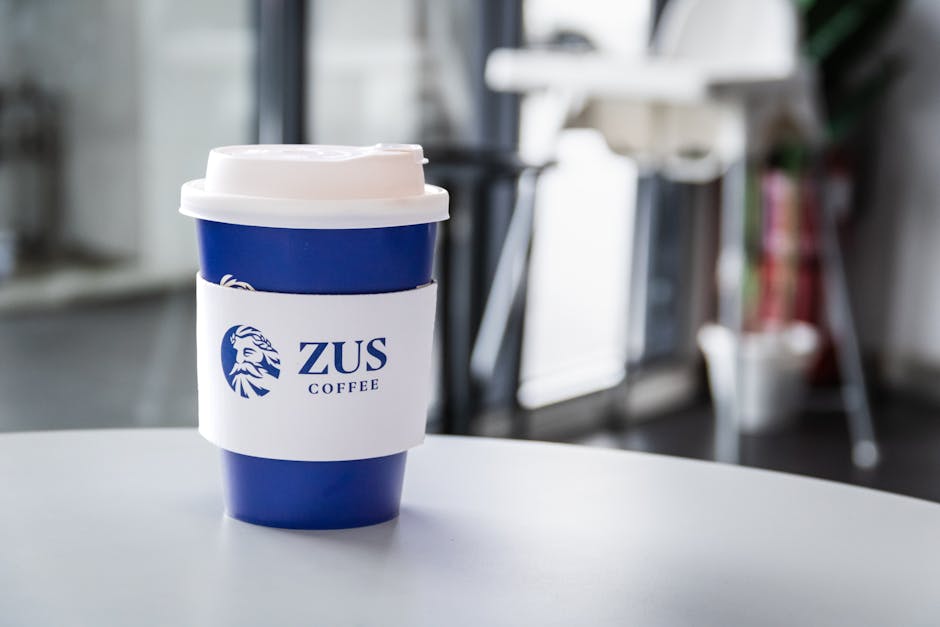
Rewiring the Coffee Chain: ZUS Coffee’s Tech-Driven Upskilling and the Unfinished Story of AI Empowerment in Southeast Asia’s F&B Sector
In the bustling, aroma-filled corridors of Southeast Asia’s coffee scene, few names have surged with as much velocity and public interest as ZUS Coffee. Launched amidst Malaysia’s vibrant café renaissance, ZUS quickly became synonymous with digital agility and employee-first values. As the chain scaled across Malaysia and eyed new frontiers in the Philippines, Singapore, and Brunei, its reputation for tech-driven growth and operational resilience set it apart. Yet, beneath headlines about viral customer incidents and heartwarming staff support lies a deeper, still-unfolding narrative: the practical role of advanced technologies—particularly artificial intelligence—in upskilling front-line employees and redefining the region’s fast-growing food & beverage workforce.
Emerging Patterns: ZUS Coffee’s Investment in Technology and People
Human-Tech Synergy as a Competitive Advantage: In an industry notorious for razor-thin margins and high turnover, ZUS Coffee’s operational model stands out for its deliberate blend of high-tech infrastructure and human-centered priorities. The brand’s deployment of enterprise platforms such as Lark for workflow management, underpinned by AWS cloud infrastructure, speaks to a new era where real-time data, digital scheduling, and cloud-enabled decision-making power every cup poured on the front lines.
Digital Upskilling Commitments: Multiple sources confirm that ZUS invests in “digital upskilling for staff and barista training,” seeking to blend technical proficiency with customer-centric service. This duality—a tech-savvy, yet deeply human experience—forms the backbone of the ZUS growth story, even as the full contours of its internal training frameworks remain less public.
AI as the Next Horizon: While current reports only reference “future opportunities for AI-driven product recommendations,” there is an undeniable pulse within ZUS’s leadership towards next-generation workforce development, hinting at a future where automation and AI move beyond the back office to transform daily workflows for each “Zurista.”
The Real-World Impact: What “Employee Empowerment” Looks Like on the Ground
Operational Efficiency Meets Human Opportunity: The adoption of platforms like Lark has reportedly streamlined communication between HQ and hundreds of outlets, automating repetitive paperwork and enabling staff to focus on core service—a shift not just in tools, but in workplace culture. As one feature put it, ZUS’s technology investment “improves scheduling, minimizes errors, and gives time back to staff for more personalized customer engagement.”
Barista Training Redefined: Unlike legacy franchise models where script-based training dominates, ZUS’s upskilling programs are said to blend hands-on craft with digital learning modules. The vision is clear: not a workforce displaced by automation, but one elevated through it. Yet, the lack of detailed case studies or ROI measurements underscores the limits of current reporting.
What’s Missing: The Data Gap and the AI Implementation Conundrum
Insufficient Evidence of True AI Empowerment: Despite references to AI on the company’s strategic roadmap, there is no concrete information or examples of actual AI tools being used for on-the-job training or empowerment of ZUS employees. There are no publicly available case studies, quantified results, or even clear descriptions of which platforms or curricula constitute the company’s “digital upskilling.” It remains unclear, for instance, whether staff have access to AI-driven chatbots, on-demand learning analytics, or personalized skills assessments—tools increasingly common in other tech-forward service industries.
Recent Developments Out of Reach: With the latest reports dating to November 2025, recent shifts or breakthroughs in AI adoption (spanning March 2026) are not documented, leaving both industry observers and internal stakeholders yearning for more transparency and actionable insights.
Regional Nuances Left Unexplored: With most available data rooted in the Malaysian context and only superficial mention of the Philippines, Singapore, and Brunei, it’s impossible to analyze how ZUS’s approach compares—or could scale—across the region’s uniquely diverse markets.
Comparative Perspectives: ZUS Coffee’s Approach Versus Regional F&B Norms
Bucking the Franchise Template: Compared to legacy chains where digital transformation often means little more than loyalty apps and automated POS terminals, ZUS has attempted to cultivate a truly integrated, tech-and-people-first culture. While regional competitors in Southeast Asia are also investing in technology, few have been as visible in aligning operational systems with human development.
Successes Tempered by Data Limitations: In contrast to international benchmarks—such as Japanese convenience store chains, which rigorously measure training ROI and staff productivity post-automation—Southeast Asia’s F&B sector, including ZUS, is still at the dawn of tracking and reporting hard data on upskilling outcomes. This absence of detailed measurement makes it difficult to separate brand narrative from operational reality.
Public Support and Internal Cohesion: ZUS’s recent customer service crisis revealed the depth of solidarity between staff and HQ leadership, with the company rallying behind its “Zuristas” in the face of viral controversy (see coverage here). This episode underscores a critical lesson: empowering employees is not just about technology, but about trust, reputation, and community—even as AI and automation loom on the horizon.
Strategic Implications for the Future
Untapped Potential in AI-Driven Upskilling: Across the Southeast Asian F&B sector, AI holds immense potential to revolutionize workplace learning—think real-time performance feedback, adaptive micro-learning, and predictive scheduling based on individual strengths. For now, these remain largely theoretical for ZUS and its competitors, given the current lack of case studies or industry-wide benchmarks.
The Cost of Inaction: As wage pressures and consumer expectations rise, companies that fail to integrate advanced upskilling—powered by both digital tools and AI—risk stagnation, higher turnover, and reputational decline. The clock is ticking for Malaysian F&B pioneers to move from platitudes to measurable progress.
“In a sector defined by speed, consistency, and the relentless pursuit of quality, the true measure of digital transformation will be the lived experience of each employee. Companies that unlock the power of AI not just to automate, but to amplify human potential, will reimagine what hospitality means for the digital age.”
Critical Gaps and Questions that Demand Attention
Transparency and Disclosure: If ZUS and its regional peers hope to be seen as genuine leaders in AI-empowered upskilling, they must move towards open, third-party-verified disclosure of their methods, outcomes, and challenges. Investors, franchisees, and staff all stand to benefit from greater clarity.
Localization Strategies: As ZUS expands beyond Malaysia, the adaptability of its tech-and-people model in markets like the Philippines and Singapore will be tested by cultural, regulatory, and talent pipeline differences. Local partnerships and stakeholder engagement will likely prove as crucial as technological innovation.
Measuring Impact: The absence of quantifiable training outcomes—such as improvements in staff retention, customer satisfaction, or revenue per employee—remains a pain point. Only when such data become standard will the regional F&B sector truly see the ROI of next-generation upskilling.
Conclusion: The Strategic Imperative for Transparent, AI-Powered Upskilling
The story of ZUS Coffee—its rapid ascent, tech-fueled operational excellence, and visible employee solidarity—offers a powerful case study for Southeast Asia’s evolving F&B landscape. Yet, beneath the sheen of innovation, a critical truth emerges: the region remains at the threshold of authentic AI-empowered workforce development.
The future will belong to brands that are not only agile in deploying tools, but also accountable in measuring and sharing their upskilling progress. As the F&B battleground shifts towards deeper digital integration, the strategic value of empowering employees—through both smart technology and trust—cannot be overstated. The companies that seize this moment, setting new industry standards for transparency and results, will shape the future of hospitality across Southeast Asia.
For now, ZUS Coffee’s journey is unfinished. But its story, and those of its peers, will be authored in the choices they make about technology, training, and the promise of human potential in an age of machines.