
Inthanin Coffees Green Revolution: How Thailands Leading Eco Cafe Chain Is Brewing Success Across Bangkok, Laos, And Southeast Asia
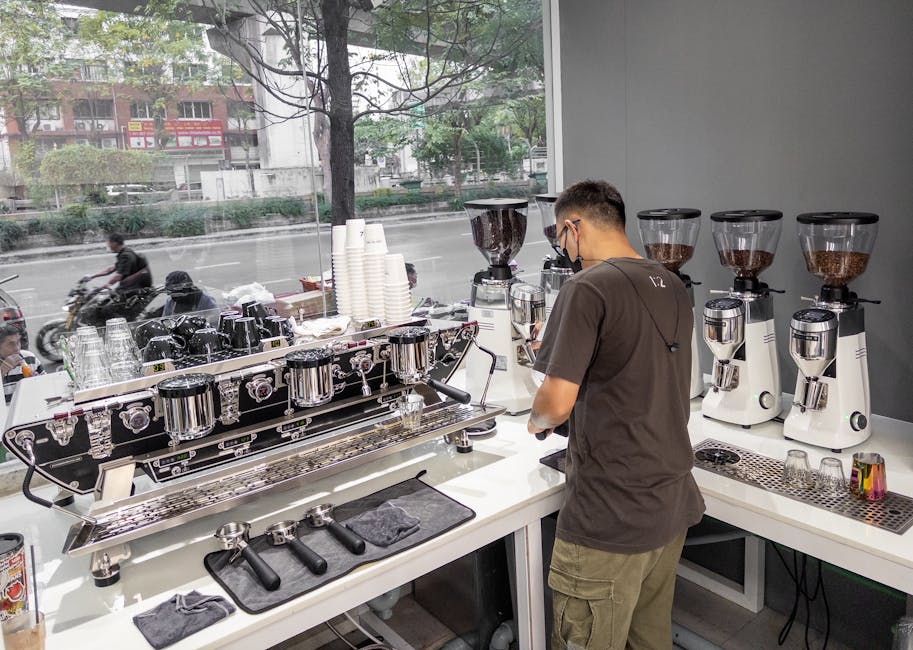
Inthanin Coffee: Brewing Green Innovation at Thailand’s Retail Crossroads
In the heart of Thailand’s fast-evolving consumer landscape, a quiet revolution is brewing—one cup at a time. Since its humble origins at a Bangchak service station in 2006, Inthanin Coffee has risen from an ancillary fuel stop café to Thailand’s largest eco-focused coffee chain, with more than 1,000 branches by late 2022. Inthanin’s story is more than just a tale of market expansion; it’s a reflection of shifting societal priorities, the collision between sustainability and profitability, and the intricate dance of regional ambitions set against a fiercely competitive Southeast Asian coffee market. As the world’s gaze turns toward ethical consumption and circular economies, Inthanin is not only redefining how Thais consume coffee but also how mass-market retail chains can become vehicles for meaningful change.
From Roadside Origins to National Footprint: The Strategic Alignment of Coffee and Fuel
Roots in Mobility: A Business Model Born at the Pump
Inthanin’s inception at a Bangchak Corporation station was neither accidental nor merely opportunistic. Its integration into Bangchak’s vast petroleum retail infrastructure—encompassing over 2,200 service stations and commanding approximately 29% of Thailand’s fuel retail market—was a masterstroke in leveraging captive foot traffic. Where travelers once saw petrol stations as mere refueling points, Inthanin transformed these spaces into destinations, contributing to a broader ‘Greenovative Experience’ that fuses convenience, sustainability, and lifestyle aspiration.
Rapid Growth Through Franchising: Democratizing Entrepreneurship
Franchising catalyzed Inthanin’s exponential reach. By December 2022, 75% of its more than 1,000 outlets operated under franchise agreements, unlocking SME opportunities and spawning a new cadre of baristas and small business owners. This network effect, supported by Bangchak’s marketing muscle, has not only enabled deep market penetration, but also embedded Inthanin into the daily routines of millions of Thai commuters.
Ambition Beyond Borders: Regional Expansion Plans
With its domestic foundation firm, Inthanin’s gaze has shifted outward. Expansion into Laos (with three outlets opened post-pandemic) and a targeted 100 branches across Laos and Cambodia by 2025 reveals an appetite for regional leadership. Notably, master franchise strategies are being deployed, signaling intent to replicate the Thai playbook in neighboring Southeast Asian markets where Western brands have yet to dominate.
Building an Eco-Premium Proposition: Sustainability as Core DNA
Organic Sourcing with Impact
Inthanin’s commitment to 100% Arabica beans, sourced directly from Northern Thai community farms, is not just a nod to quality but a stake in rural economic upliftment. The emphasis on organic cultivation supports traceability, reduces chemical run-off, and strengthens local farming communities—a virtue increasingly prized by younger, socially conscious customers.
Packaging Innovation: Leaders in Bioplastics
Sustainability at Inthanin transcends the product. It is woven into every touchpoint, most notably through the use of 100% plant-based, compostable Biocups—making Inthanin ASEAN’s top user of bio-plastic packaging. This practice, though costlier than standard alternatives, underscores the brand’s willingness to forgo some margin for authentic eco-leadership, as detailed in Bangchak news releases.
Menu Engineering: Wellness as a Value Driver
The Inthanin menu, built around organic Arabica, extends to low-calorie, plant-based, and less-sweet beverage options, aligning with health trends and expanding the chain’s addressable market. Signature drinks like the premium coco and specialty cold brews differentiate the chain from commoditized rivals.
Standing Out in Thailand’s Coffee Battle: A Competitive Mapping
Market Dynamics: Intense Rivalry, High Consumer Power
Thailand’s coffee landscape is fiercely contested, with both international (e.g., Starbucks) and local chains battling for mindshare and market share. Consumers—empowered by choice and price sensitivity—exert substantial influence, quickly switching brands or exploring home brewing alternatives.
Comparative Table: Inthanin Versus the Key Players
| Competitor | Thai Scale | Market Positioning | Key Metrics |
|---|---|---|---|
| Starbucks | 400+ stores | Premium, global prestige; urban-centric, less eco-focus; higher prices | Global: 38,000 outlets |
| Amazon Coffee (PTT) | 1,000+ stores | Fuel-station synergy, mass-market, larger network (PTT ~50% fuel share), less sustainability focus | Thailand’s market leader in fuel stations |
| Local Boutiques (% Arabica, Roast, etc.) | 100–300 stores | Specialty, urban-centric, design-driven | Niche audience |
| Inthanin | 1,000+ stores | Eco-premium, fuel station + stand-alone stores; SME and regional focus; sustainability as DNA | 29% of fuel retail market via Bangchak; 1,000+ branches |
Key Differentiators: While Amazon Coffee (PTT Group) surpasses Inthanin in fuel station integration (with about 50% market share versus Bangchak’s 29%), Inthanin wins on its eco-premium stance, higher Arabica focus and aggressive SME franchise strategy. Starbucks, meanwhile, trades on global prestige and product consistency but is less accessible geographically and less vocal on sustainability in Thailand.
Brand Recognition and the Road Ahead
Despite its leadership in domestic volume and eco-innovation, Inthanin remains relatively unknown beyond Thailand’s borders—a limitation as it pursues regional dominance. This challenge is not merely about marketing spend but about building trust and relevance in new cultural contexts, particularly as Western players eye Southeast Asia as a growth frontier.
Inside the Machine: Operations, Challenges, and Tactical Shifts
Franchise Model: Opportunity and Risk
Inthanin’s franchise-heavy approach (75% of outlets) is a double-edged sword. On one hand, it accelerates rollout and catalyzes the SME economy; on the other, it introduces the perennial franchise risk: quality control. As more branches move toward a 50% stand-alone ratio (up from 40% in 2022), Inthanin is signaling a commitment to both network agility and operational excellence.
Managing Cost Pressures
Eco-friendly packaging and organic sourcing are not free; they compress profit margins. The strategic gamble is that higher costs will be offset by increased loyalty, premium pricing, and regulatory tailwinds favoring sustainable businesses. Initial evidence—such as robust loyalty to the ‘Inthanin Experience’ and continued franchise demand—suggests this bet is working, but margin management will be critical as commodity costs (e.g., for Arabica beans) fluctuate.
Non-Oil Retail Innovation
Inthanin’s non-oil side bets—such as EV charging hubs and food-service partnerships at their outlets—are emblematic of Bangchak’s ambition to future-proof its retail business as the shift away from fossil fuels accelerates. These ventures could ensure footfall even as Thailand’s fuel demand plateaus, preserving the Inthanin/Bangchak symbiosis for the next generation.
Emerging Consumption and Sustainability Patterns
The New Thai Consumer: Green, Discerning, and Connected
A rising cohort of Thai consumers seeks not just convenience or flavor, but also ethical provenance and wellness. Inthanin’s transparent sourcing, compostable cups, and healthier menu options are resonating most with this segment—especially young, urban professionals and health-conscious travelers.
The Franchise Factor: SMEs and Social Multipliers
By empowering local entrepreneurs, Inthanin’s franchise model diffuses business risk and fosters community loyalty. Franchisees are not mere operators, but local brand evangelists who adapt the ‘Inthanin Experience’ to micro-markets.
Digital Storytelling and Event Marketing
Marketing goes beyond conventional campaigns; Inthanin leverages digital platforms (notably Facebook) and experiential promotions—such as mass giveaways, the ‘BLOOM Bag’ beverage deals, and collaborations with the Tourism Authority of Thailand—to drive emotional engagement and publicize its sustainability commitments.
Porter’s Five Forces: Strategic Implications for Inthanin’s Future
Threat of New Entrants: Medium-High
While new coffee shops proliferate with relative ease, Inthanin’s advantages—scale, eco-brand equity, Bangchak network, and specialized franchise backing—create high hurdles for would-be national challengers.
Bargaining Power of Suppliers: Medium
By sourcing directly from Northern Thai farms, Inthanin both secures quality and strengthens bargaining position. However, its organic/premium focus exposes it to volatility in commodity prices—necessitating agile supply chain management.
Bargaining Power of Buyers: High
Thai coffee consumers exhibit low brand loyalty and are price-sensitive. Inthanin’s emphasis on loyalty programs, sustainability, and a differentiated in-store experience helps stave off commoditization.
Threat of Substitutes: High
From home brewing to premium teas and trend-driven beverage chains, substitution is a constant risk. Inthanin’s “Fresh Quality Eco-Coffee” positioning is a bulwark but requires continuous innovation.
Rivalry: High
Market rivalry is intense, not just with global giants (e.g., Starbucks) but especially with Amazon Coffee, its direct domestic fuel-station peer. This rivalry fuels relentless innovation but also puts pressure on margins and expansion discipline.
Comparative Perspectives: New Viewers, Old Paradigms
Eco-Leaders vs. Traditional Chains
A first-time observer may conflate Inthanin with other mass-market chains, but the differences are pronounced. Traditional competitors focus on speed, convenience, or global luxury; Inthanin’s core is Thai, regionally responsible, and reshaping the mainstream with embedded sustainability.
Bangchak’s Model vs. PTT: Strategic Nuances
While both Inthanin and Amazon Coffee benefit from fuel station networks, Bangchak’s smaller (but significant) 29% market share means Inthanin must punch above its weight on value-added services—like eco-packaging and non-oil retail experiments—to avoid being dwarfed by PTT’s broader reach.
Franchise-driven Growth: Opportunity and Complexity
To international investors, Inthanin’s franchise-centric model may appear a riskier route to quality control compared with direct ownership. Yet, the Thai context—where SME empowerment and distributed entrepreneurship are cultural priorities—makes this a logical pathway to national scale and societal impact.
“Tomorrow’s dominant coffee chain will not just serve drinks; it will serve as a platform—cultivating sustainable practices, empowering entrepreneurs, and continuously reinventing the purpose of the café in Thai society and beyond.”
Forward-Thinking Insights: What Comes Next?
Regional Playbook: Replicating Scale Across ASEAN
Success in Laos and Cambodia will hinge not just on operational efficiency but adapting Inthanin’s eco-premium DNA to diverse consumer cultures. The risk: being perceived as a Thai import rather than a local champion. The opportunity: few regional rivals boast the same blend of scale, sustainability, and franchising expertise.
Innovation Beyond the Cup: Tech, Circular Economy, and Non-Oil Growth
With Thailand’s EV infrastructure accelerating, Inthanin’s co-location with charging hubs could cement its place in the daily routines of the country’s next-gen drivers—mirroring the transformation petrol stations underwent in the past decade. The potential for vertical integration with local food brands and digital pre-ordering apps remains largely untapped.
Financial Resilience and Strategic Bets
While no significant financial disruptions have been reported since 2022, Inthanin must remain vigilant against margin erosion, inflationary pressures (especially on imported inputs), and the risk of brand dilution as network density increases.
Brand Equity and Global Ambitions
Elevating the Inthanin brand beyond Thailand is vital. Strategic partnerships, cross-border franchise alliances, and targeted sustainability storytelling can help bridge the recognition gap as the company eyes pan-ASEAN leadership.
Conclusion: Inthanin’s Role in the Next Retail Revolution
The Thai coffee market, once dominated by foreign icons and fleeting fads, is now witnessing the emergence of homegrown, purpose-driven champions. Inthanin Coffee’s meteoric growth—anchored by Bangchak’s network, a franchise-driven philosophy, and a best-in-class sustainability agenda—offers a blueprint for how local chains can scale responsibly, compete with global brands, and shape consumer expectations around ethics and quality.
Yet, the journey is far from over. As the boundaries between fuel, food, retail, and experience dissolve, Inthanin’s commitment to eco-premium innovation positions it not only as a market leader, but as a catalyst for sector-wide transformation. The next decade will be defined by those willing to bet on integrated sustainability and agile adaptation, not just low prices or convenience.
Inthanin’s trajectory is a stark reminder to stakeholders across the value chain—makers, marketers, and policymakers alike—that the future of retail does not merely belong to the biggest, but to the boldest and most adaptable. As new generational values and regional integration reshape Southeast Asia’s consumer markets, Inthanin’s model will test the proposition that ethical leadership can drive both profit and purpose at scale. For brands and investors considering Thailand or the wider ASEAN retail theatre, this is a story too important to ignore.