
Jollibee Sells Control Of Highlands Coffee To Vietnamese Partner VTI In $88 Million Deal Ahead Of Potential Vietnam IPO
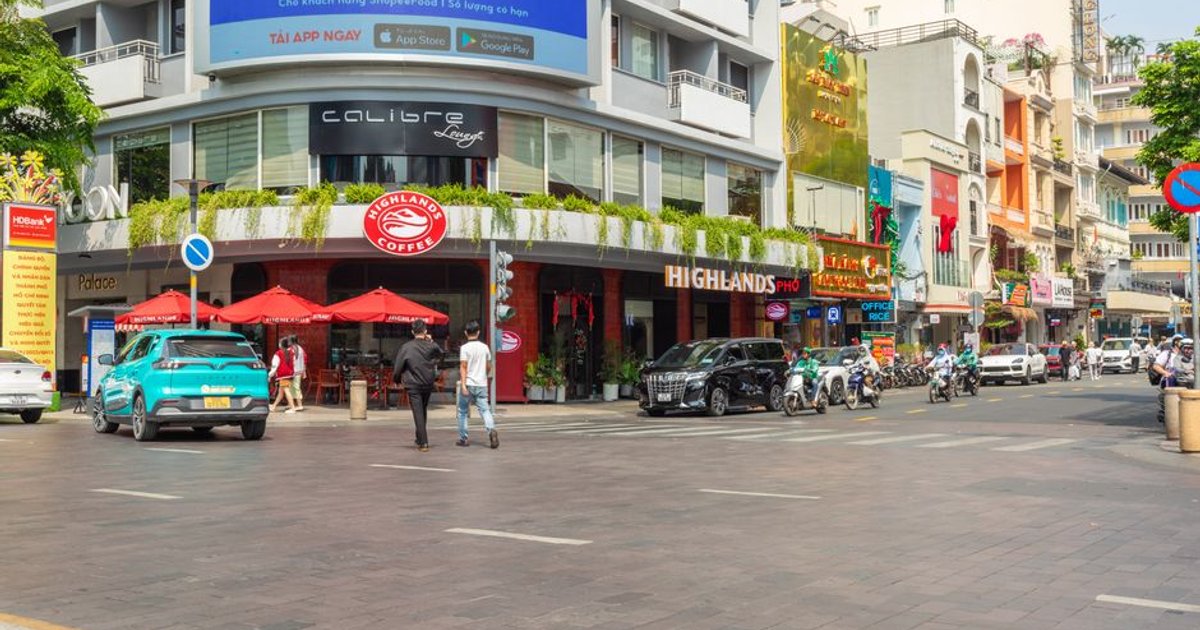
Highlands Coffee: The Power Shift That Signals Vietnam’s Next Café Revolution
For over a decade, Highlands Coffee has stood as both an icon of Vietnam’s dynamic modern café culture and an enigma in the regional F&B landscape. Rising from humble beginnings to become a multi-million dollar business, the chain’s fate has been tightly intertwined with global ambitions, local identity, and cross-border corporate maneuvering. The recent move by Jollibee Foods Corporation to sell an 11% stake in Highlands Coffee’s operating company to Vietnamese partner Viet Thai International (VTI) marks not just a transfer of shares but a profound pivot in the local-global narrative of Vietnamese enterprise. As VTI founder David Thái reclaims majority control and the market eyes a potential IPO, the implications ripple far beyond boardrooms. This exposé delves into the real-world impact and strategic nuances of a deal that rewrites Vietnam’s beverage sector script, and what it means for investors, competitors, and the millions of daily Highlands Coffee patrons.
From Local Ambition to Regional Contender: The Highlands Coffee Story
Origins in a Booming Market: Highlands Coffee’s trajectory mirrors Vietnam’s rapid urbanization and the meteoric rise of Asian café culture. Founded in 1999 by Vietnamese-American entrepreneur David Thái, the brand quickly positioned itself as a homegrown rival to international giants. It combined contemporary café formats with a distinctly Vietnamese sensibility, premium robusta, efficient service, and locations embedded in city centers.
Jollibee’s Strategic Bet: In 2012, the Philippines’ Jollibee Foods Corporation, through its arm JSF Investments Pte. Ltd., acquired majority control, buying into both Vietnamese consumer optimism and the region’s coffee boom. The intent was clear: leverage Jollibee’s F&B expertise to accelerate Highlands Coffee’s expansion and integrate Vietnam into a broader Southeast Asian F&B network.
Growth Under Foreign Management: With Jollibee at the helm, Highlands Coffee surged. It expanded aggressively to more than 500 stores, emerging as a market leader and setting the tone for local competitors like The Coffee House and Phúc Long. Revenue climbed steadily, and the Highlands brand became synonymous with affordable quality in Vietnam’s urban lifestyles.
A Strategic Reversal: The Mechanics and Motivation of the Stake Sale
Transaction Details: As detailed in multiple reports, Jollibee has agreed to sell over 1.46 million shares in SF Vung Tau JSC, the company holding Highlands Coffee’s Vietnam operations, to VTI for approximately VND2.3 trillion (about US$88 million). This will shift control: VTI’s stake will rise from 40% to 51%, while Jollibee will retain a significant 49%.
Retained Influence, Ceded Control: While this is a clear ceding of majority, Jollibee’s retention of board representation signals a desire to remain involved in future value creation, even as direct control passes back to Vietnamese hands.
Local Ownership for Local Opportunity: The timing coincides with discussions of a Highlands Coffee IPO. With local ownership, the brand stands to align more closely with Vietnamese regulatory environments, consumer trends, and public sentiment, a critical lever ahead of a possible listing on domestic exchanges.
Why Now? Decoding the Tactical Shifts
Capital Realization for Growth: Jollibee’s sale allows it to realize about US$88 million in cash, unlocking part of its investment. This provides liquidity to deploy in core markets or new ventures, while keeping exposure to Highlands’ future upside via its remaining stake.
Regulatory and Market Alignment: With VTI as the controlling shareholder, led by a Vietnamese founder, Highlands Coffee is poised to align more closely with domestic investors and regulators. This local majority is seen as beneficial for any forthcoming IPO, as it meets “local champion” criteria and improves eligibility for incentives or regulatory support.
Flexibility for Brand Evolution: As a majority-local business, Highlands can now act with greater agility in menu adaptation, store format innovation, and local sourcing. For a brand deeply woven into Vietnamese daily life, this autonomy could be pivotal in defending market share and staying culturally relevant.
Comparative Perspectives: The Meaning of Control in Cross-Border F&B
Majority vs. Minority Stakes, A Strategic Distinction: To new observers, the distinction between majority and minority shareholding may seem trivial. In practice, it is transformative.
- Majority Control: The shareholder with over 50% can dictate strategic direction, approve major investments, and appoint top management. This is the position VTI is reclaiming, enabling it to infuse Highlands with rapid, locally driven initiatives.
- Significant Minority: Jollibee, now at 49%, retains a blocking voice over major changes but cannot mandate direction. Its upside is now partly dependent on VTI’s stewardship, though its exit risk is managed by retaining board representation and access to future liquidity events such as an IPO.
Ripple Effects: Real-World Business Implications
Reporting and Revenue Recognition: Jollibee will no longer consolidate Highlands Coffee’s full financial performance, potentially impacting its reported group revenues and earnings. This could affect the valuation metrics and capital allocation priorities for Jollibee’s other brands.
Empowered Local Expansion: VTI gains unfettered decision-making power. With Highlands Coffee back under Vietnamese control, executives can double down on aspects such as:
- Menu localization, rapidly responding to evolving urban tastes.
- Domestic supply chain integration, strengthening ties with Vietnamese producers.
- Experimentation with new formats, such as grab-and-go kiosks, partnerships with local tech platforms, and hyper-local branding campaigns.
IPO Readiness: A Vietnamese-controlled company may be perceived as more “investible” by local institutional investors, improving the probability and pricing of a domestic IPO. Greater local alignment can also increase Highlands’ chances of securing incentives or preferential terms, vital factors in a competitive listing environment.
Risk Factors and Market Uncertainties:
- Completion is contingent on regulatory and shareholder approvals.
- Payment adjustments may occur if pre-agreed performance targets are not met.
- There is also a risk that intense competition in the café sector could hinder Highlands’ expansion, affecting the IPO’s eventual valuation.
Changing the Game: Lessons and Innovative Practice
Monetization without Exit, A Balanced Playbook: By selling down, Jollibee demonstrates an advanced capital recycling strategy: unlock cash, reduce exposure, and stay invested in future value creation. This is a blueprint for other regional brands seeking to balance risk and opportunity.
Local Control, Global Vision: VTI has the opportunity to showcase how a localized leadership approach, deeply versed in Vietnamese culture, can harness past experience and cross-border collaboration for sustained innovation.
IPO as a Transformational Event: A successful Highlands Coffee listing could be a bellwether for Vietnam’s consumer IPO pipeline, drawing more global capital into the local F&B sector and setting new standards for governance, transparency, and growth.
Stakeholder Voices: What Insiders and Observers Are Watching
Employees and Franchisees: On the ground, Highlands staff may see shifts in leadership style and operational priorities. If VTI accelerates local sourcing or community initiatives, frontline teams could benefit from new training, incentives, or brand engagement models.
Competitors: Rival brands like Starbucks, Phúc Long, and The Coffee House are watching closely. If VTI’s majority leads to faster adaptation and local innovation, it could set off a new wave of competition in Vietnam’s café market.
Investors and Analysts: For international and domestic investors, this is a test case in value creation: will local control unlock premium multiples at IPO, or will fragmentation hinder future growth? Jollibee’s partial monetization, at a deal valuing Highlands at roughly US$800 million, offers a strong reference point for Vietnam’s F&B sector.
Broader Implications: The Future of Global-Local Partnerships in Vietnam
Regulatory Encouragement of Local Champions: Vietnam and many Southeast Asian economies are subtly encouraging local majority ownership in key consumer sectors. Highlands’ new structure is in line with government efforts to ensure national champions retain cultural and economic alignment.
Adaptive Investor Strategies: Foreign investors are increasingly deploying “keep a toe in” approaches, monetizing returns while leaving open the door for future collaboration or re-entry. These nuanced moves are shaping a more resilient, diversified investment landscape.
“As Southeast Asia’s consumer markets mature, value creation will come from hybrid models that empower local leadership with global experience, celebrating culture while harnessing capital.”
Connecting the Dots: Actionable Insights and Recommendations
For Emerging Market Investors: This deal is a reminder to look beyond initial control premiums. Value may be maximized when local champions leverage global partner experience, then retake majority at the inflection point of market maturity and IPO readiness.
For Multinational Operators: Retaining a strategic minority, as Jollibee has done, can offer a “best of both worlds” balance, liquidity today, with optionality for future upside.
For Local Businesses Eyeing Global Partnerships: Collaborate for scale and expertise, but plan for a future where regaining control can optimize regulatory, cultural, and capital market access.
For Policymakers: Consider how local majority requirements can encourage capital formation and entrepreneurship, without stymieing foreign investor participation or knowledge transfer.
A Comparative View: Newcomer vs. Veteran Perspectives on Highlands’ Power Shift
Newcomers: For those unfamiliar with Vietnam’s café sector, the Highlands Coffee deal may look like a routine corporate reshuffling. However, the significance lies not just in share percentages but in strategic timing, cultural factors, and IPO implications, factors that could shape the next decade of Asian consumer brands.
Veterans: Industry insiders see in this move a familiar, but rarely so visible, playbook: catalyze local growth with foreign capital, then recycle control at the point of maximum value creation. The challenge now is execution: can VTI make Highlands more Vietnamese, more innovative, and more competitive without losing the operational discipline instilled by years of multinational oversight?
Conclusion: Highlands Coffee as a Test Case for Vietnam’s Consumer Renaissance
The transfer of controlling ownership in Highlands Coffee from Jollibee Foods Corporation to Viet Thai International is more than a business transaction, it is a milestone in Vietnam’s long ascent toward consumer brand leadership. With US$88 million in new capital realized, Vietnamese hands back at the wheel, and the prospect of an IPO on the horizon, Highlands stands poised to redefine what “local champion” truly means in a global marketplace.
Looking forward, the real strategic importance is clear: blended ownership models, adaptive leadership, and timely monetization are indispensable tools for building enduring brands in fast-growing economies. Highlands Coffee’s next chapter will not only test these principles but may well set the standard for Vietnam’s F&B sector as a whole. For investors, operators, and policymakers alike, the message is unmistakable: those who master the art of timing, trust, and local-global partnership will shape the region’s next wave of consumer success.