
Luckin Coffees Data-Driven Personalization Surge: How AI And Local Flavors Are Fueling Explosive Growth In Singapore, Malaysia, Indonesia, And Thailand
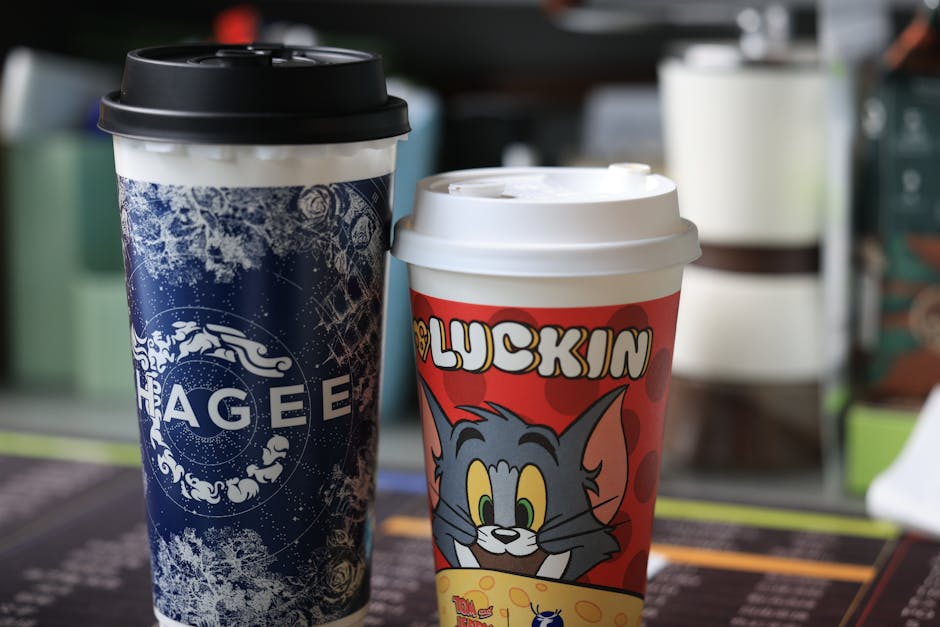
Luckin Coffee's Data-Driven Personalization Surge Across Southeast Asia: A Blueprint for the Future of Retail
Few retail narratives in the last decade rival the transformation underway at Luckin Coffee—a brand once confined to China, now unleashing a hyper-personalized, app-first revolution in Southeast Asia. As of early 2026, Luckin Coffee operates over 800 stores throughout Singapore, Malaysia, Indonesia, and Thailand, where its AI-powered, data analytics-driven approach is reshaping not just consumer experiences but the economics of coffee retail. This exposé-style article explores how Luckin’s digital strategy outpaces rivals like Starbucks and ZUS Coffee, delivering repeat purchase rates and profit growth that redefine industry benchmarks. We’ll dissect key metrics, cultural adaptations, competitive context, and the critical strategies that are driving Luckin’s leap from disruptor to dominant regional contender—offering actionable insights for business leaders, technologists, and retail strategists eyeing the next frontier.
The Emergence of App-Driven Personalization
Historical Turning Point: Luckin Coffee’s meteoric rise began in China, where a relentless focus on app-based ordering and AI-powered personalization fueled explosive growth. By 2023, this model proved scalable across Southeast Asia’s urban centers, catalyzing a shift from conventional café culture to tech-centric engagement. Unlike legacy chains, Luckin’s proposition hinges on granular data collection: every flavor choice, location, and loyalty interaction feeds machine learning engines that predict not just what customers want, but when and where they want it.
Real-Time, Granular Insights: By integrating with regional e-wallets like GrabPay and OVO, Luckin harvests transactional and behavioral data with precision, segmenting users based on Recency, Frequency, Monetary (RFM) analytics. This enables tailored drink recommendations—for example, iced pandan lattes pushed to mobile users during humid afternoons in Kuala Lumpur, or flash discounts deployed for morning commuters passing through Jakarta’s business districts.
AI in Action: Data-driven personalization powers Luckin’s ability to maintain over 600 daily orders per urban store and $1,200 in daily revenue, mirroring the efficiency standards set in China (source). The proprietary machine learning stack not only forecasts demand and manages inventory but also gamifies loyalty for high-frequency urban millennials, increasing engagement by 5-20% above global competitors.
Emerging Patterns and Tactical Shifts in Southeast Asia
Market Penetration and Store Density: By 2024, Luckin Coffee had amassed over 800 outlets in Southeast Asia—70% in high-density urban and suburban zones. The company’s expansion is calibrated via app-validated insights, ensuring store placement and menu localization precisely match consumer demand. In Singapore and Malaysia, store density surpasses Starbucks threefold, reflecting Luckin’s commitment to tech-validated scaling (source).
Revenue and Retention Metrics: Luckin’s app-centric model drives a 12% repeat purchase rate—twice the industry average. Partner stores report revenue surges of 55%, self-operated outlets 45.6%, and overall profit increases of 42.3%. Campaign engagement outpaces Starbucks, with app retention rates soaring 30% above rivals thanks to viral AR-enabled cups and UGC-powered marketing—e.g., the BTS-avatar campaign in Thailand, which generated half a million Instagram posts.
Localization as Core Strategy: Regional flavors are not mere novelties—they’re algorithmically validated. Pandan lattes in Malaysia, durian espresso in Indonesia, Kopi Tarik nostalgia series, and AR gamification cups in Thailand exemplify Luckin’s cultural sensitivity, strengthening both retention and brand affinity. Each localization yields measurable uplifts in daily order volumes and conversion rates.
Luckin’s Data Analytics Engine: The Heart of Dynamic Retail
Granular Data Collection: Luckin’s app collects millions of data points—flavor preferences, geolocation information, order frequency, and basket composition—every day. This feeds predictive engines that optimize inventory and staffing, reduce waste (especially in climates like humid Bangkok or tropical Jakarta), and personalize offers at the individual user level.
Predictive Personalization and RFM Segmentation: Machine learning algorithms recommend drinks in real-time, push coupons according to behavioral profiles, and reward loyal customers through gamified challenges. RFM-based segmentation differentiates perks for urban millennials (e.g., gamification, digital avatars, impulse coupons) vs. family-focused suburban users (bundled offers, group discounts).
Dynamic Optimization and Inventory Control: Luckin’s real-time demand forecasting is a strategic differentiator. Office district analytics in Singapore trigger targeted white-collar promotions, while suburban pilots use app metrics to test new flavors and bundle offers before wide rollout, ensuring both cost efficiency and product-market fit.
Integration with Digital Ecosystems: Partnerships with Grab, OVO, and regional e-wallets embed Luckin within Southeast Asia’s digital commerce landscape, amplifying reach and transaction velocity. In Indonesia and Thailand, more than 70% of sales now stem from app orders, with half of transactions loyalty-driven—proof of scalability beyond China.
Comparative Segment: Luckin vs. ZUS, Starbucks, and Kopi Kenangan
Different Models, Diverging Outcomes: While ZUS Coffee and Kopi Kenangan have made strides with mobile-first ordering and strong local flavor portfolios, Luckin’s global analytics infrastructure enables cross-market learning and predictive localization that rivals struggle to match. ZUS achieves 70% online sales, but Luckin’s data density and AI stack drive superior engagement and profitability (source).
Benchmarking Against Starbucks: Luckin’s playbook delivers three times the store density in mature markets like Singapore, with 45-55% revenue growth compared to Starbucks. By pricing affordably and innovating rapidly with local flavors, Luckin not only attracts young urban professionals but also retains them at a rate unmatched by global chains.
Profitability and Scalability: Despite rapid expansion, Luckin dispels the myth of growth eroding margins—its Southeast Asia operations have documented a 42.3% increase in profits, outperforming local disruptors and legacy multinationals. Franchising accelerates suburban rollout, while partnerships and B2B engagements contribute 15-20% to top-line growth.
Real-World Implications and Business Takeaways
Phased Expansion and ROI Tracking: Luckin’s approach offers a blueprint for companies seeking sustainable growth in fragmented markets. A phased rollout—pilot, scale, dominate—correlates with measurable uplifts: app uptake and engagement boosts in months 0-6, 12% repeat rates and 800 stores in months 6-18, and 15% market penetration with 42.3% profit growth thereafter.
Metrics that Matter: The core KPIs Luckin tracks are daily orders (600+/store), daily revenue ($1,200/store), repeat purchase rates, app retention uplift (30%), and Net Promoter Scores. These metrics enable ROI-focused decision making, ensuring every tactic is validated by real-world results.
Localization and Viral Engagement: By developing 5-10 new regional flavors annually and tying them to UGC/AR campaigns, Luckin leverages the power of viral engagement. Product launches catalyzed by user data—such as the durian espresso and BTS-avatar cups in Thailand—drive not only sales but substantial organic marketing, giving Luckin an edge in brand visibility and relevance.
Tech Investment as Differentiator: Building machine learning infrastructure for predictive pricing, inventory control, and dynamic campaign optimization yields engagement uplifts of 5-20%. This positions Luckin—and adopters of its playbook—as leaders in scalable, profitable retail.
Key Challenges and Risk Management
Data Privacy and Trust: The post-fraud stigma in Luckin’s home market necessitates robust privacy protections and quarterly audits, especially amid stringent Southeast Asian regulations. Any misstep risks eroding user trust and undermining app-centric engagement.
Labor Costs and Urban Saturation: As urban markets become saturated and labor costs escalate, Luckin must maximize productivity per store and diversify into lower-capex formats (e.g., digital carts, satellite kiosks).
Cultural and Digital Divide: Over-reliance on app-based ordering can alienate non-digital users, particularly in regions where smartphone penetration is uneven. Luckin’s assumption of 70% app penetration requires ongoing market education and alternative access options.
Supply Chain Complexity: Localized flavors strain inventory management, especially in fragmented logistics environments. Real-time optimization and predictive stocking are vital to maintaining margin and consistency.
Luckin Coffee’s Southeast Asia playbook demonstrates that the future of retail hinges not just on digital engagement, but on orchestrating a dynamic ecosystem where data, AI, and cultural empathy converge to drive scalable, sustainable growth.
— Executive summary synthesized from sector reports, 2024-2026
Strategic Recommendations and Roadmap for Retail Leaders
App-First Personalization: Deploy AI-powered RFM segmentation and targeted recommendations, integrating regional e-wallets for seamless experience. Aim for a 30% retention boost and a 12% repeat purchase rate.
Data-Driven Expansion: Pilot in underserved suburbs, validate with app analytics, and scale to at least 800 stores regionally. Emulate Luckin’s metrics-driven approach for density and product-market fit.
Localization and Virality: Create 5-10 culturally relevant drink launches annually, leveraging AR/UGC campaigns for viral engagement and organic reach.
Partnerships and B2B Growth: Leverage partners like Grab and OVO for delivery and integrate corporate offerings to capture 15-20% of revenue.
Invest in Predictive Tech: Build a machine learning stack for dynamic pricing, inventory optimization, and campaign measurement, driving 5-20% engagement uplift.
Risk Mitigation: Audit privacy quarterly, diversify store formats for market resilience, and monitor supply chain disruptions closely.
Metrics Dashboard: Track daily orders, store revenue, repeat rates, retention uplift, and profit growth rigorously. Benchmark against Luckin’s documented 42.3% profit increase.
Country Performance: Regional Insights
Singapore and Malaysia—Mature, Dense Markets: These countries account for half Luckin’s regional outlets, with app-driven density outpacing Starbucks. Personalization tactics focus on professionals and family segments, delivering revenue growth of 55% in partner stores and 45.6% in self-operated locations (source).
Indonesia and Thailand—High-Growth Frontiers: Projected to reach 15% market penetration by 2026, these markets benefit from localized nostalgia (Kopi Tarik, durian drinks) and viral AR campaigns. App retention premiums hit 30%, while franchising speeds suburban outreach.
Brunei—Premium Niche: Luckin targets affluent, tech-savvy consumers with premium drink hybrids, leveraging selective store placement and digital engagement.
Competitive Context and Industry Benchmarks
Market Growth and Fragmentation: Southeast Asia’s coffee market grows at 5% annually, with Malaysia forecasted to hit RM1B by 2029. Luckin’s scalable, app-driven model positions it as a leader among fragmented rivals. While ZUS Coffee demonstrates mobile-first mastery, Luckin’s global data pool and cross-market learning give it a sustainable advantage.
Profitability Proof: Luckin’s regional operations dispel the myth that rapid expansion cannibalizes margins. Its 42.3% profit rise and sustained engagement rates (12% repeat, 30% retention uplift) validate the power of technology-led retail.
Conclusion: The Future Trajectory of Data-Driven Retail in Southeast Asia
Luckin Coffee’s journey in Southeast Asia is more than a tale of technological prowess—it is proof that a rigorous, data analytics-driven approach can unlock scalable, profitable growth in diverse, culturally nuanced markets. As customer expectations evolve and digital ecosystems deepen, the winners will be those able to harmonize predictive personalization, local adaptation, and dynamic partnerships. Retail leaders must heed Luckin’s metrics-driven playbook: prioritize app-centric engagement, pilot tactically, localize intelligently, invest in AI and privacy, and track core KPIs relentlessly.
The retail landscape across Southeast Asia is at an inflection point. Luckin Coffee’s blueprint demonstrates that success in the coming years will go to brands that bridge the divide between digital innovation and cultural resonance—those who can turn data into delight, scale into sustainability, and regional insight into global strategy.
For executives, strategists, and technologists, the imperative is clear: embrace the new retail paradigm and prepare for a future where personalization, performance, and profitability are not just aspirations—but operational realities.