
Malaysian Coffee Consumer Trends 2025: Insights On Instant Coffee Preferences, Specialty Coffeehouses, And Urban Buying Behavior
Malaysian Coffee Culture: From Tradition to Transformation
Coffee has long held a distinctive place in Malaysian society, woven seamlessly into the rhythm of daily life from bustling kopitiams to the sleek counters of modern specialty coffeehouses. As global coffee trends collide with local sensibilities, Malaysia stands at a crossroads—balancing time-honored traditions, emerging consumer demands, and innovative industry shifts. Drawing on recent research, this exposé probes the evolving landscape of Malaysian coffee consumption, while reflecting on its deeper cultural significance, economic implications, and the pivotal choices facing industry stakeholders. The nuanced interplay of convenience, price, and lifestyle aspirations reveals not only how Malaysians choose their coffee, but also how these choices shape the broader narrative of modern Malaysian identity.
Tracing the Roots: Coffee’s Historical Role in Malaysian Society
Kopitiam Culture and Community Identity:
For generations, the kopitiam—or traditional coffee shop—has served as a communal anchor, offering affordable caffeine and conversation. Here, coffee is typically served dark and strong, paired with condensed milk and local snacks. This tradition underscores the beverage’s role as a social catalyst, connecting people across ages and backgrounds.
Globalization and the Specialty Shift:
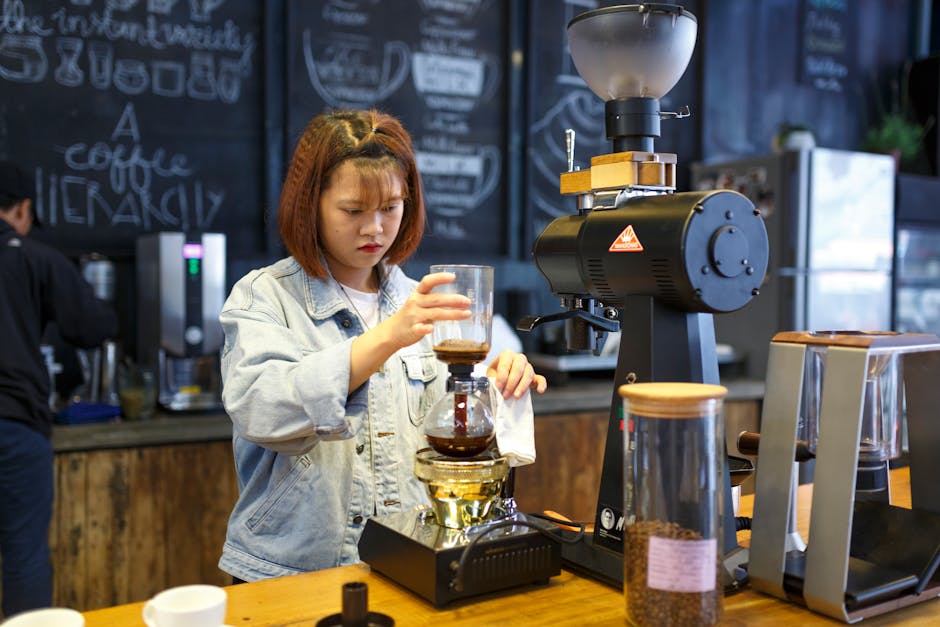
While heritage persists, the past decade has seen a surge in specialty coffee shops across urban Malaysia, challenging traditional consumption patterns and introducing new flavors, brewing methods, and consumer expectations. This transformation echoes evolving tastes and global exposure, marking coffee as both a status symbol and an experiential product.
The Numbers Behind the Narrative: Malaysian Coffee Consumption Patterns
Instant Coffee Dominance:
The majority of Malaysian coffee consumers—approximately 69.8%—favor instant coffee, choosing it for its unmatched convenience and affordability. The average Malaysian drinks 2.38 cups of coffee daily, but survey data reveals a more fervent segment: 65.1% of coffee enthusiasts consume more than four cups per day (source).
Key Decision Factors:
When selecting a coffee product, five considerations top the list: price, convenience, product attributes, influence from others, and promotional offers. These criteria illuminate a pragmatic approach—Malaysians crave quick solutions, but remain vigilant about quality and peer opinions (source).
Demographic Trends:
Coffee consumption is particularly strong among younger, educated, and single Malaysians—a cohort that values both social signaling and speedy gratification. This pattern aligns with wider Southeast Asian trends, where urbanization and digital connectivity fuel shifts in beverage choices.
Coffeehouse Behaviors: Brand, Health, and Atmosphere Outweigh Price
Specialty Coffee Purchase Intent:
Research indicates that brand image, health consciousness, and store atmosphere significantly shape purchase intent for specialty coffee beverages. Notably, price—typically paramount—shows no significant relationship with purchase intent in this context (source).
Visitation Patterns:
Despite the proliferation of specialty outlets, only about 23% of respondents frequent coffeehouses weekly, with 41% visiting once or twice monthly. This suggests that while specialty coffee is aspirational, it remains an occasional indulgence for most Malaysians.
The Social and Experiential Value:
Increasingly, coffeehouses are viewed as venues for self-expression, networking, and digital workspaces—a far cry from their traditional communal origins. The ambiance and perceived lifestyle value often outweigh pure functional considerations, underscoring coffee’s evolution from commodity to experience.
Emerging Patterns and Tactical Industry Shifts
Convenience in the Age of Instant Gratification:
The widespread preference for instant coffee reveals a strategic opportunity for brands: Malaysians want solutions that fit their fast-paced lives. Innovations such as single-serve pods, ready-to-drink cold brews, and subscription deliveries are gaining traction.
Price Sensitivity Meets Premiumization:
As disposable incomes rise, especially among young professionals, willingness to pay for premium coffee experiences increases. However, the traditional price-conscious mindset persists, requiring brands to balance exclusivity with accessibility.
Health and Eco-Conscious Choices:
Responding to global wellness trends, Malaysian consumers display growing interest in health-conscious offerings (e.g., sugar-free, organic, functional blends) and sustainable packaging. This shift invites tactical pivots—from product development to marketing campaigns that foreground environmental responsibility.
Digital Influence and Peer Recommendation:
Social media and online reviews increasingly drive purchase decisions, especially among younger consumers. Brands now leverage influencer partnerships, digital storytelling, and transparent supply chain narratives to cultivate loyalty and differentiation.
Comparative Perspectives: Traditional vs. Modern Coffee Consumption
Instant Coffee vs. Coffeehouse Culture:
There is a clear bifurcation between value-driven instant coffee consumption and lifestyle-oriented specialty coffeehouse visits. Instant coffee is ubiquitous, democratic, and often consumed privately or at home. In contrast, coffeehouse culture is aspirational, tied to urbanity and self-image, and frequently shared in social or professional contexts.
Generational Attitudes:
Older Malaysians often view coffee as a daily staple, closely linked to heritage and routine. Younger cohorts, meanwhile, perceive coffee as personal branding—a way to signal sophistication, cosmopolitan sensibilities, or even wellness awareness.
Regional Variation and Limitations:
The current research lacks granular state-by-state analysis or real-time polling, underscoring a need for richer regional studies and more timely data. Nevertheless, urban hubs like Klang Valley and Penang are likely leaders in specialty coffee adoption, echoing broader socio-economic divides.
Real-World Implications: Industry, Society, and the Malaysian Consumer
Opportunity for Market Diversification:
The coexistence of instant and specialty coffee segments presents a twin-pronged opportunity. Local producers can innovate within the instant category (e.g., functional additives, micro-ground blends) while global brands compete for mindshare in premium spaces.
Societal Impact:
Coffee’s evolving narrative mirrors Malaysia’s modernization: from communal traditions to individualized lifestyles, from physical gatherings to digital interactions. This transformation is not merely economic—it reflects changing values, aspirations, and modes of engagement.
Strategic Challenges:
Stakeholders must address price sensitivity, health demands, and sustainability imperatives, while investing in digital platforms that foster dialogue and trust. Policymakers and trade associations should prioritize transparency, product safety, and regional inclusivity.
The Data Gap:
The lack of recent, granular data points to a critical need for ongoing market intelligence and consumer polling here. Accurate insights will empower brands to tailor strategies, optimize supply chains, and anticipate emerging trends more effectively.
Innovation on the Horizon: Forward-Thinking Industry Practices
Product Innovation:
Next-generation offerings—such as functional coffees fortified with vitamins, adaptogens, and probiotics—are gaining attention. These innovations position coffee as more than a beverage: as a wellness tool and lifestyle enhancer.
Omni-channel Strategies:
Leading brands embrace both offline and online touchpoints—ranging from pop-up shops and mobile kiosks to influencer-driven e-commerce platforms—creating seamless, personalized buying journeys.
Community Engagement:
Brands increasingly invest in educational workshops, barista competitions, and local sourcing events to nurture coffee literacy and deepen consumer attachment. Such initiatives bridge the gap between tradition and innovation, offering Malaysians new ways to connect with coffee’s rich heritage.
"As Malaysian coffee culture evolves, the next chapter will be defined by adaptability—where heritage, health, technology, and sustainability converge to meet the rising demands of discerning consumers."
Conclusion: Navigating the Future of Malaysian Coffee—A Strategic Imperative
The Malaysian coffee landscape is in flux, shaped by competing forces of tradition, convenience, aspiration, and innovation. Industry stakeholders face a strategic inflection point: those who harness emerging data, engage meaningfully with diverse consumer segments, and invest in both product and community will drive the next wave of growth.
At its core, coffee is more than a beverage—it is a symbol of evolving Malaysian identity, a platform for cross-generational connection, and a bellwether of broader societal change. As market dynamics continue to shift, the imperative is clear: forward-thinking investment, responsive innovation, and consumer-centric storytelling are essential to unlocking the full potential of Malaysia’s coffee culture, both locally and on the global stage.
For those ready to embrace this journey, coffee will remain not just a cup of comfort, but a rich canvas for progress, community, and shared ambition.