
Malaysias Cabotage Policy: How Shipping Reforms From Port Klang To Sabah And Sarawak Are Reshaping Last-Mile Delivery Costs In 2026
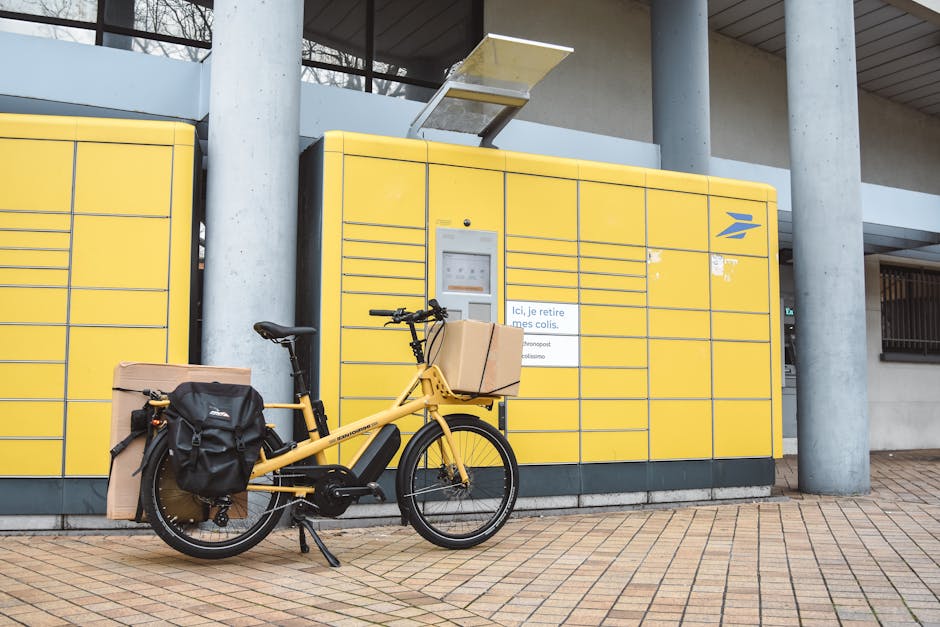
Breaking the Bottleneck: Malaysia’s Cabotage Policy, Last-Mile Delivery, and the Future of East-West Logistics
In the heart of Southeast Asia, Malaysia boasts a maritime lifeline that binds its peninsula to the resource-rich states of Sabah and Sarawak. Yet, since 1980, a single piece of shipping legislation—the cabotage policy—has shaped and sometimes shackled domestic connectivity, driving up costs and stretching delivery timelines for East Malaysian businesses and consumers alike. As global e-commerce reshapes expectations and logistics innovation surges, the historical undercurrents and evolving strategy behind Malaysia’s cabotage regime beg a forensic look—one that reveals not just economic arithmetic, but the contending visions of a nation balancing sovereignty, competitiveness, and the promise of digital transformation.
The Cabotage Conundrum: Origins and Unintended Consequences
Policy Roots and Intentions
Malaysia’s cabotage policy, codified under Section 65L of the Merchant Shipping Ordinance 1952, was designed to foster a robust national shipping industry. By restricting cargo movement between domestic ports—including those bridging Peninsular Malaysia and East Malaysia—to Malaysian-registered vessels or those majority-owned and managed by Malaysians, the government hoped to nurture local operators and reduce foreign market dominance. (Seatrade Maritime)
Escalating Costs and Delivery Delays
Yet the policy’s impact has ricocheted far beyond industry boardrooms. Freight rates from Peninsular Malaysia to key East Malaysian ports like Sepanggar and Bintulu soared to 2-3 times international benchmarks—creating an expensive logistical barrier for SMEs, e-commerce platforms, and even public sector procurement. Pre-reform studies placed container rates at 30-50% above regional norms, constraining East Malaysia’s ability to scale and integrate with broader supply chains. (New Straits Times)
Structural Bottlenecks
With only about 20 domestic operators (including dominant players like MTT Shipping and Shin Yang), systemic capacity shortfalls arose—forcing reliance on foreign vessels, which could only participate via short-term, tightly regulated licenses. This regulatory complexity routinely translated into delivery delays of 7-14 days, compounding last-mile risk and fueling persistent regional economic disparities.
Policy Shifts: Reform, Resistance, and Uneven Liberation
2017: A Watershed in East-West Logistics
In response to mounting pressure and relentless lobbying from Sabah and Sarawak leaders, June 2017 marked a partial dismantling of the cabotage wall. Routes connecting Peninsular Malaysia to Sabah, Sarawak, and Labuan were opened to foreign vessels for containerised cargo, dramatically improving price competitiveness and slashing delivery lead times—sometimes from 10-20 days to less than a week. (Daily Express)
Tactical Exemptions and New Pathways
By 2H 2024, subsidiary regulation had further exempted containerised transshipment cargo and reinstated foreign access for subsea cable repairs. These carve-outs signaled Malaysia’s measured willingness to embrace global shipping efficiency, particularly where economic stakes were high—a single cable project could involve RM12-15 billion in foreign direct investment (FDI). (AHP Client Alert)
The Core Policy Persists
Despite these reforms, the heart of Malaysia’s cabotage regime remains unyielding for general cargo. Short-term licenses, local tax incentives, and a review of national shipping policy coexist with continued structural protectionism—fully repealing cabotage remains off the table as of early 2026.
Last-Mile Delivery: The True Test of Policy Effectiveness
Cost Premiums and Real-World Impact
For business decision-makers, the cost implications are stark. Prior to the 2017 partial opening, East Malaysia faced delivery expenses two to three times global rates, with SMEs particularly hard-hit. Post-reform, estimates suggest a 20-40% reduction in logistics costs for those able to leverage foreign transshipment or cable repair exemptions. However, the cost of “ordinary” domestic shipment still tracks at 1.5x Peninsular rates—forcing continued caution for budget planning and strategic expansion. (Christopher & Lee Ong)
Capacity and Market Dynamics
The dominance of local carriers, especially MTT Shipping (which won Main Market listing approval in January 2026), signals cabotage’s enduring commercial relevance. Yet, with foreign vessels filling only temporary gaps, delivery lead times fluctuate unpredictably around exemption cycles, underscoring persistent systemic fragility.
East-West Disparities: More Than a Maritime Issue
Ultimately, the cabotage regime has entrenched a structural divide: West Malaysia’s ports, particularly Port Klang, are overloaded and benefit from preferential regulatory attention, while Sabah and Sarawak continue to press for further liberalisation to unlock estimated annual savings of RM1-2 billion.
Comparative Perspectives: Domestic Security vs. Global Efficiency
The Nationalist Lens
Proponents of cabotage argue for its stabilising influence. By reserving domestic routes for Malaysian-owned ships, the policy allegedly enhances shipping self-sufficiency, national revenue, and the local maritime workforce. Recent income tax exemptions aim to further strengthen these objectives, protecting against volatile international shipping shocks.
The Globalist Critique
Conversely, logistics experts and East Malaysian leaders cite the policy’s role in inflating costs, suppressing innovation, and impeding equitable development. They contend that open competition would stimulate service improvement, attract FDI, and support Malaysia’s ambition to become a regional logistics hub. The success of transshipment exemptions and cable repair reforms reinforce these arguments—where pragmatism trumps protectionism, efficiency gains are immediate and measurable.
Investor Realities
The tension is not purely academic. For multinational investors eyeing digital infrastructure projects—such as high-capacity subsea cables—cabotage remains a major risk factor. Regulatory complexity and license unpredictability have direct bearing on project feasibility, with RM12-15 billion per cable at stake.
Innovative Practices and Tactical Shifts
Hybrid Routing Strategies
Savvy operators now increasingly route cargo via Malaysia’s exempted transshipment corridors, leveraging Singapore and other regional hubs to bypass domestic bottlenecks for 15-25% cost reductions. Businesses are also advocating for further Sabah-specific waivers, as outlined in 2025 logistics reports, to multiply these benefits.
Regulatory Engagement
Industry associations and policy think-tanks are actively lobbying for a more flexible licensing regime. By proposing tiered exemptions or time-limited waivers for strategic goods, they hope to reconcile national development goals with operational pragmatism.
Digital Transformation and E-Commerce Expansion
E-commerce platforms, previously constrained by the cost and delay of cabotage-bound logistics, now harness improved delivery timelines to tap East Malaysian markets more aggressively. Yet, the incomplete repeal means tech-driven scaling remains partially hobbled—last-mile lead times and delivery costs still run above regional averages.
Key Data Points: Before and After—A Modular Comparison
| Factor | Pre-2017 Impact | Current (2026) | Cost Insight |
|---|---|---|---|
| East Malaysia Delivery | 2-3x intl rates; Malaysian-only | Partial open; exemptions for transshipment/cables | 20-40% savings possible via foreign lines; monitor MTT dominance |
| Lead Time | 10-20 days delays | Improved via 2017 reform; sub-7 days feasible | Scale via direct foreign calls (e.g. Singapore-Kuching) |
| Investment Risk | High forex outflow | Tax breaks for locals; FDI reviews (RM12-15B at stake in cables) | Prioritize licensed hybrids; avoid full reliance on exemptions |
Real-World Implications: Voices from the Ground
SME Scaling and E-Commerce Ambitions
For SMEs and e-commerce ventures headquartered in the Peninsular, logistics costs remain a pivotal hurdle to realising East Malaysia’s market potential. The difference between a “one-week” and “three-week” delivery window can determine customer retention, brand reputation, and bottom-line viability.
Public Sector and Regional Policy
State governments in Sabah and Sarawak continue to advocate for broader overturning of cabotage. With annual logistics savings estimated in the billions of ringgit, the case for reform is not just economic, but fundamentally social—delivering parity, opportunity, and inclusion for populations long underserved by infrastructure policy.
Local Carrier Dynamics
MTT Shipping’s 2026 listing on Bursa Malaysia reflects strong investor confidence in the domestic cabotage ecosystem, even as its market share and pricing power draw scrutiny. This raises strategic questions for policymakers: Is sustained protectionism in the national interest, or does it risk ossifying market structures, stifling innovation, and ultimately dampening Malaysia’s regional logistics ambitions?
True competitiveness demands balance: “Malaysia’s logistics future will depend on marrying national resilience with global connectivity—where targeted exemptions outpace static protection, and innovation is spurred by pragmatic openness rather than policy inertia.”
Forward-Looking Insights and Strategic Advice
Route Optimization for Cost Management
As a baseline, business leaders are advised to route cargo via exempted transshipment where possible, realising 15-25% cost savings and improved predictability. Budgeting for a 1.5x rate differential between Peninsular and East/West Malaysia remains prudent for non-exempt goods.
Policy Engagement and Advocacy
Consortiums and industry councils should continue lobbying for Sabah-specific waivers and push for more transparent, automatic licensing mechanisms—particularly for sectors like high-tech manufacturing and digital infrastructure, which depend critically on timely subsea cable deployment.
Investment Strategy: Hybrids and Flexibility
For foreign and local investors, prioritising hybrid logistics portfolios—leveraging both Malaysian operators and foreign-flag routes under exemption—ensures resilience against regulatory oscillation and licenses unpredictability.
Conclusion: The Road Ahead for Malaysia’s Maritime Logistics
Malaysia’s cabotage policy sits at the intersection of historic protectionism and emergent global efficiency. While partial reforms have delivered real, measurable benefits for East Malaysia—with cost savings, shorter delivery windows, and increased FDI interest—the policy’s core remains firmly in place, defending local industry at the expense of nationwide parity.
As global supply chains grow more nimble and Malaysia aspires to regional leadership, the challenge is to refine cabotage—not simply repeal or entrench it. The country needs to design adaptive exemptions, foster competitive local carriers, and institutionalise transparent, rapid licensing for strategic goods and services. The 2024-2026 debates, policy reviews, and market signals (including the confidence behind MTT Shipping’s public listing) all point to a transitional moment.
In our view, a full repeal remains elusive within the next election cycle. However, with the right blend of pragmatic lobbying, data-driven policy reform, and strategic routing, Malaysia’s businesses can harness the cabotage framework to deliver last-mile excellence—transforming historic limitation into a springboard for inclusive, resilient growth. Future-focused leaders will treat cabotage not as a barrier, but as an evolving platform—one whose flexibility and adaptability will unlock the true potential of East-West Malaysia logistics.