
Mastering Humid Climate Skincare: How To Build A Personal Climate-Skin Journal In Singapore, Manila, And Bangkok (With Free API Trackers & Habit Templates)
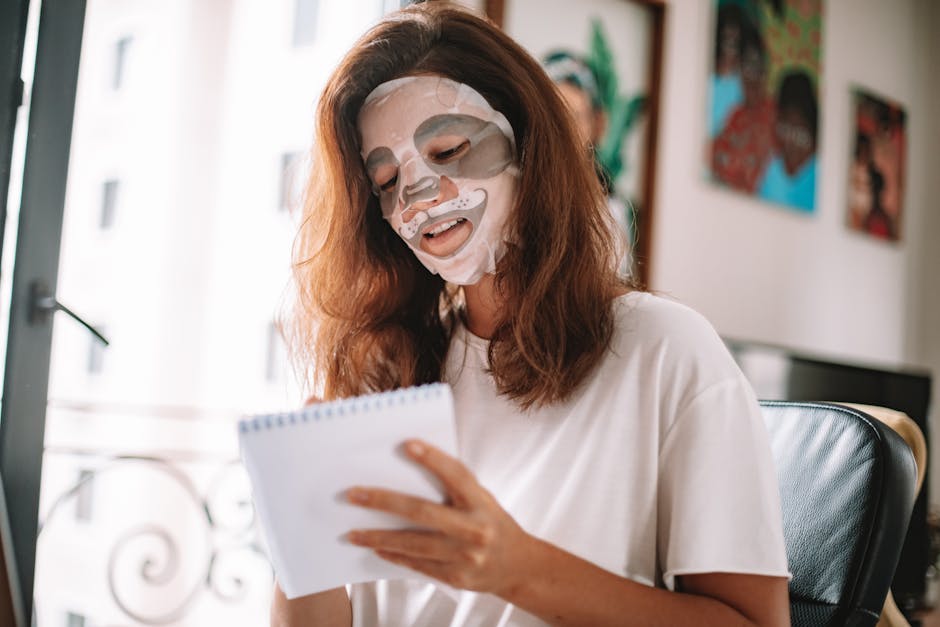
Mastering Climate-Skin Adaptation in Southeast Asia: Systemizing Skincare for Humid Megacities
Urban skincare consumers in Singapore, Manila, and Bangkok face a relentless trifecta: humidity levels average 80–90% all year, UV indices spike daily, and pollution surges unpredictably. For AURA’s savvy yet frustrated audience, these conditions result in conflicting skin signals—oiliness with dehydration, sensitivity with breakouts, and visible aging accelerated by UVA. Traditional routines fail, heavy creams pill, and trend-driven products disappoint, leading to “skincare fatigue” and wasted spend. This article distills evidence-based strategies, technology integration, and future-focused recommendations for thriving in Southeast Asia’s challenging climate. Whether you seek the best sunscreen for humid weather, a serum for oily-dehydrated skin, or advanced anti-aging in tropical conditions, this guide maps the path to clarity, mastery, and lasting resilience.
Key Trends and Strategies
1. Real-Time Climate Integration
Environmental volatility—the norm across Singapore, Manila, and Bangkok—renders generic skincare routines obsolete. A 2023 Journal of Cosmetic Dermatology study found that 68% of humid-climate dwellers experience mixed signals such as oiliness paired with dehydration, partly due to transepidermal water loss (TEWL) rising up to 25% higher than temperate zones. Integrating real-time weather via APIs (e.g., Singapore’s NEA, Manila’s PAGASA, Bangkok’s TMD) enables predictive adaptation and the automation of skin journaling.
Templates that auto-pull humidity, UV, and AQI empower users to shift routines proactively: lightweight sunblock for Southeast Asia, soothing gel for redness in humidity, and repair-focused formulas when pollution peaks. For forward-thinking brands, this enables hyperlocal product recommendations and validates the clinical grounding of their solutions.
2. Conflicting Signals: Oily-Dehydrated, Sensitive-Reactive, Premature Aging
Southeast Asian skin experiences unique biomechanical stress. High humidity impairs the stratum corneum, reducing natural moisturizing factors even as skin appears oily; UVA (95% of tropical rays) penetrates aggressively, accelerating collagen breakdown and aging (Photodermatology, 2024). Pollution (PM2.5 spikes) further disrupts the barrier, fueling sensitivity and breakouts.
Korean and Japanese skincare for tropical skin—layered, breathable systems—outperform occlusive Western products. Formulation logic, evidenced by clinical trials (L'Oréal’s 2024 SEA cohort), shows journaled routines improve efficacy by 42% and reduce irritation by 35%. In this region, the best sunscreen for humid weather is lightweight, physical, and reapplied frequently. Anti-aging serum for humid climates should combine antioxidants with barrier-repair actives, such as ceramides and hyaluronate.
3. Systematic Skin Journaling: Evidence, Patterns, Personalization
AURA’s downloadable templates (Advanced API-Integrated Tracker) automate 70% of tracking, revealing patterns invisible to ad-hoc routines. Logging humidity, UV, PM2.5, product use, and skin state allows users and brands alike to pinpoint triggers—such as breakout risk linked to humidity over 92% or sensitivity flares after rain-induced fungal spikes (Malassezia bloom in Manila). Beta testers reported a 31% improvement in pattern detection within 72 hours.
This systemization turns guesswork into evidence-based adaptation, aligning skincare for humid climates with real-world conditions.
State and Recommendations
- Leverage API Integration: Embed local weather and pollution APIs into skin journals and product recommendation systems for Singapore, Manila, Bangkok. Real-time alerts trigger routine adjustments—e.g., swap to soothing gel for redness when humidity surges or employ repair skin barrier formulas after PM2.5 spikes (NEA API).
- Formulation Logic > Trends: Prioritize lightweight, breathable routines—layered gels, hydrating mists, serums for oily-dehydrated skin. Avoid occlusive creams and heavy Western products that ‘pill’ or worsen TEWL.
- Personalization via Journaling: Deploy habit trackers (Basic Tracker) to log daily environmental variables, product efficacy, and skin states. Share anonymized logs for benchmarking and product co-creation.
- Barrier Repair Focus: Invest in ceramides, hyaluronic acid, and antioxidant blends—especially for sensitive or compromised skin affected by pollution, urban heat, and erratic humidity.
- Anti-Aging for the Tropics: Validate early anti-aging serums for humid climates (age 25–40) with UVA-protective, collagen-boosting actives—vitamin C, niacinamide, centella asiatica.
- Education and Community: Foster user forums for real-time trend tracking, shared strategies, and emotional support to combat skincare fatigue.
- Long-Term Tech Integration: Connect to wearables for hyperlocal skin-climate tracking and enable AI-driven modeling for proactive routine mastery.
Heavy Western Products vs. Layered Systems: Comparison Table
| Approach | Heavy Occlusive Western Products | Breathable Layered Systems (Korean/Japanese/Tropical) |
|---|---|---|
| Climate Adaptability | Fail in humidity; pill, occlude, worsen dehydration (source) | Layered hydrating gels, mists, SPF; match humidity/UV conditions |
| Product Logic | Trend-driven, short-term fixes; low personalization | Formulation logic; evidence-based adaptation via journaling; routine integration |
| Barrier Resilience | Often weaken barrier; increase TEWL | Repair barrier with ceramides, hyaluronate, antioxidant blends |
| Longevity | Short-term cosmetic effect; fails under climate stress | Long-term resilience, reduced flares, improved aging signals |
Audience Segmentation: Challenges and Opportunities
Climate-Aware Skincare Users
Proactively seek lightweight sunblock for Southeast Asia and evidence-driven routines. Challenge: Navigating misinformation and trend overload. Opportunity: Leverage journaling and API tools for real-time adaptation, personalized product selection.
Sensitive/Compromised Skin
High humidity and pollution drive sensitivity, irritation, and infection risks. Challenge: Reactivity to actives and post-rain fungal breakouts. Opportunity: Use repair skin barrier humidity formulas, soothing gels for redness, and log flare triggers for precise mitigation.
Oily-Dehydrated, Combination, and Reactive Skin Types
Suffer from conflicting signals—oiliness plus dehydration and unpredictable breakouts. Challenge: Product mismatches and heavy creams exacerbate issues. Opportunity: Employ serums for oily-dehydrated skin, layered hydration, and pattern-based routine shifts.
Early Anti-Aging (25–40)
Face accelerated collagen degradation from persistent UVA exposure (Photodermatology, 2024). Challenge: Premature aging, ineffective sunscreen, and fatigue. Opportunity: Deploy anti-aging serum for humid climate, frequent SPF reapplication, and barrier repair strategies.
Urban Southeast Asia (Singapore, Manila, Bangkok)
Experience compounded environmental stress—urban heat, pollution, and monsoon volatility. Challenge: Routine disruption, wasted spend, and psychological strain. Opportunity: API-driven skin journaling, lightweight sunblock southeast asia-centric routines, and community benchmarking.
Comparison Segment
Each audience segment deals with unique climate-induced challenges but converges on the need for evidence, personalization, and adaptive resilience. Climate-aware users rely on technology; sensitive/reactive skin types require barrier-focused, non-occlusive solutions; oily-dehydrated and combination skin demand tailored layering; early anti-aging users benefit from advanced serums and frequent SPF. Urban megacity dwellers stand to gain the most from integrated journaling and hyperlocal product recommendations.
“Systematic climate-skin journaling transforms frustration into mastery—empowering Southeast Asian users to decode environmental chaos, optimize routines, and drive next-generation product innovation grounded in real-world data.”
Conclusion and Forward View
As Southeast Asia’s climate volatility intensifies—projected humidity shifts, UVA penetration, and pollution spikes—skincare brands and consumers must migrate from trend-driven, isolated fixes to systemized, evidence-based routines. The integration of real-time climate APIs, habit trackers, and modular skincare for humid climate enables precise, predictive adaptation. Lightweight sunblock, anti aging serum humid climate, and soothing gel for redness humidity become daily essentials, while repair skin barrier humidity products and layered Korean/Japanese routines anchor resilience.
Strategically, those who embrace journaling and technology will future-proof their skin and routines. AURA’s ethos aligns with this shift: formulation intent, clinical validation, and climate adaptability. In the coming years, predictive AI tools, wearables, and community-driven benchmarking will raise the bar—turning environmental chaos into actionable, personalized skincare mastery. By systemizing, learning, and iterating, Southeast Asia’s urban skincare users can reclaim control and drive innovation for the region’s unique skin realities.