
McCafés $3 Billion Strategy: How McDonalds Is Winning The Global Premium Coffee Market In 2025
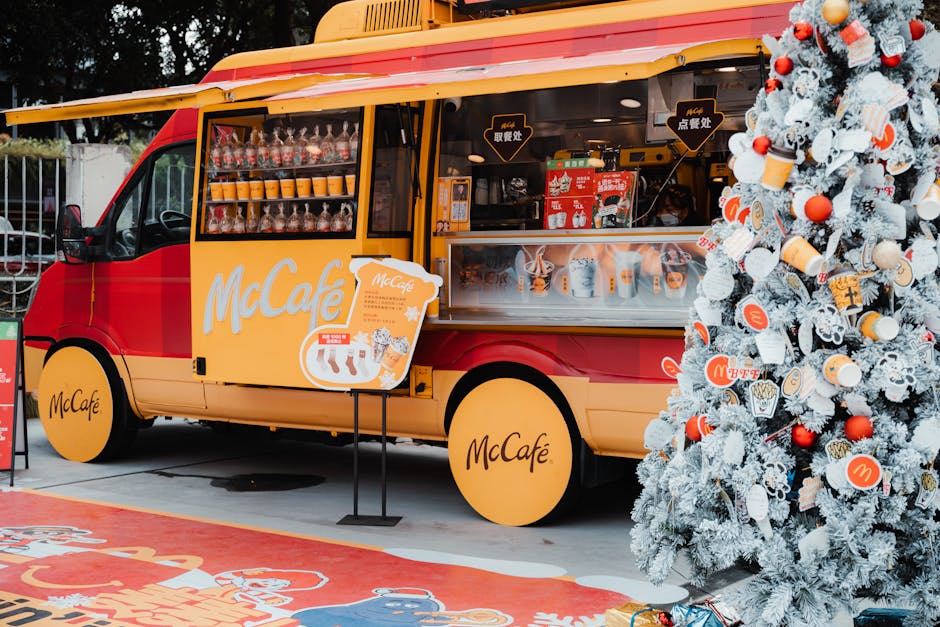
McCafé’s Global Playbook: How McDonald’s Coffee Arm is Shaping the Fast-Food Beverage Wars
In the evolving landscape of fast food and specialty coffee, McCafé stands as a remarkable case study of brand reinvention and global expansion. Launched by McDonald’s in 2001—partly in response to shifting breakfast habits and the meteoric rise of Starbucks—McCafé has grown from a modest menu add-on to a multi-billion-dollar juggernaut. Today, it generates approximately $3 billion in annual revenue worldwide and has carved out a critical niche as McDonald’s premium, value-driven coffee brand.
Drawing on 2025 strategic analyses, this exposé explores the business playbook behind McCafé’s endurance and acceleration, examining its real-world impact on competitors, the future of digital ordering, and the seismic shifts steering consumer beverage choices.
The Origins: From Fast Food to Premium Brew
Adapting to Consumer Tastes: McCafé’s inception was no accident. As breakfast became the new fast-food battleground and Starbucks solidified the notion of premium, accessible coffee, McDonald’s recognized an urgent need to modernize its beverage offering. By integrating McCafé within its existing outlets, McDonald’s instantly gained a platform advantage—leveraging iconic brand recognition, global reach, and operational consistency to quickly scale its coffee ambitions.
Strategic Integration: By 2025, McCafé is embedded in over 40,000 McDonald’s locations worldwide, its branding synonymous with affordable luxury for the everyday consumer. This scale allows McCafé to compete with established rivals, outpacing niche cafe startups and even closing sales-volume gaps with industry leader Starbucks.
SWOT Dissected: Strengths, Vulnerabilities, and Untapped Potential
Brand Leverage and Premiumization: McCafé’s most immediate superpower is the gravitational pull of the Golden Arches. Consumers equate McCafé with reliability and affordability, a perception turbocharged by the addition of premium, specialty products like espresso drinks and iced coffees. This “value-driven premium positioning” is especially resonant among budget-conscious customers and younger demographics searching for a Starbucks-like experience minus the sticker shock.
Digital Loyalty and Repeat Purchases: The integration of the McDonald’s app—with over 50 million users and a notable 25% increase in repeat visits—has turned McCafé into an engine for digital engagement. Personalized offers, digital punch cards, and AI-powered order recommendations are not just modern conveniences, but critical levers for driving beverage sales and customer stickiness.
Weaknesses Exposed: Yet, for all its scale, McCafé is not without constraints. Its reliance on supplier giants like PepsiCo and Unilever leaves it exposed to supply chain disruptions—a fact that came to the fore during recent global shocks. Health-conscious consumers remain wary of the “fast-food” stigma, with McCafé’s brand sometimes overshadowed by perceptions of unhealthy eating. Furthermore, the pace of product innovation lags behind agile, boutique coffee rivals, risking relevance amidst rapidly evolving taste trends.
Opportunities: Pushing Beyond the Counter
Consumer Goods Expansion: One of the greatest recent breakthroughs is the surge in at-home McCafé products—ground coffee blends, pods, and ready-to-drink beverages stocked in retailers like Walmart, Costco, and Amazon. These channels not only diversify revenue but insulate McCafé from in-store demand fluctuations and push its brand into new consumption occasions.
Health and Sustainability Trends: The alignment of new menu items with wellness preferences—such as plant-based options and lower-sugar beverages—signals promising growth, with global demand for such drinks rising 15%. Notably, 2025 saw McPlant sales rise by 12%, illustrating latent demand for healthier, ethical alternatives even within mainstream quick-service environments.
Supply Chain Stabilization: As market volatility highlights risks in outsourced supply, there is a compelling strategic case for McCafé to vertically integrate ingredient sourcing—be it through joint ventures, acquisitions, or direct contracting. This stabilizes cost structures and reinforces quality control.
Threats: Navigating Competition and Sociocultural Headwinds
The Digital Shelf War: Intense competition extends beyond the cafe or drive-thru window. Beverage conglomerates like PepsiCo and Unilever—especially with their Bru coffee line—continue to erode McCafé’s shelf space online and in retail. The digital marketplace, once a backwater for specialty brands, is now a fiercely contested battleground.
Market Pressures and Regulatory Scrutiny: Economic headwinds, inflation, and heightened regulatory focus on “junk food” challenge McCafé’s ability to maintain its affordability edge. Meanwhile, changing sociocultural norms—increased interest in healthy living, sustainability, and artisanal experiences—threaten to siphon consumers toward less commoditized, “craft” beverage competitors.
Rapid Innovation Elsewhere: While McCafé’s global presence is unmatched, smaller, independent coffeehouses and regional chains outpace it in launching novel flavors, limited-time offers, and food–beverage pairings—particularly in health-forward segments.
Marketing Mix (4Ps): Cost Leadership Meets Digital Differentiation
Product: McCafé’s lineup extends from classic espresso drinks and iced coffees to seasonal lattes and bakery items. Recent years emphasize menu innovation—with lower-sugar, plant-based beverages, and retail-packaged coffees gaining prominence.
Price: Aggressive value pricing is a cornerstone, with most specialty coffees retailing at $3–$5—typically 20–30% less than Starbucks. Strategic bundling with McDonald’s meal items raises perceived value and increases ticket size.
Place: Omnichannel reach defines McCafé. Beyond its 40,000+ stores, increasingly, a significant share of sales (30%) flows through digital delivery platforms like Uber Eats and DoorDash. Retail partnerships with mass merchants (Costco, Target) ensure McCafé’s presence in at-home consumption segments.
Promotion: Loyalty app perks—ranging from free coffee after multiple purchases to limited-time flavor drops—have driven 20% order growth. Experimentation with AI-powered drive-thrus drops average wait times below 90 seconds, reinforcing McCafé’s “value-for-speed” proposition.
Industry Dynamics: Porter's Five Forces in Fast-Food Coffee
Because McCafé plays both in-store and at-home, its competitive pressures are multifaceted.
New Entrants: While McDonald’s scale and brand fortify barriers to entry, the proliferation of local cafes, often with niche, premium offerings, keeps the category in flux.
Suppliers: High dependency on external providers like PepsiCo and Unilever poses a strategic vulnerability. These suppliers retain power; any disruption could ripple through McCafé’s offerings and cost structure.
Buyers: Coffee consumers are notoriously fickle, with low switching costs. McCafé’s loyalty app and digital personalization are thus critical to dampening price-sensitivity and building repeat traffic.
Substitutes: The twin specters of home brewing and new beverage trends (tea, energy drinks) constantly threaten McCafé’s relevance. With $3B in “value premium” sales, McCafé’s edge lies in democratizing specialty coffee, but complacency is not an option.
Rivalry: Competition, especially from Starbucks, Dunkin’, and a long tail of independents, is fierce. Notably, McCafé now matches Starbucks’s global sales volume—but trails in terms of premium perception and ambiance.
Comparative Perspectives: How McCafé Stacks Up
Starbucks: The enduring competitor, Starbucks, has built its empire on ambiance, community, and “third place” cachet. Its drinks command higher prices, and its loyalty program is deeper and more personalized. However, McCafé undercuts on price and, through efficient drive-thrus (waits under 90 seconds) and broad presence, wins over the time-pressed, value-conscious consumer.
Dunkin’: Dunkin’ shares McCafé’s value focus but leans harder into donut/coffee synergy. McCafé’s digital integration is broader—30% of sales are digital—and its menu is increasingly diversified with plant-based offerings, where it recently posted a 12% growth.
Local Cafes: Independent coffeehouses enjoy a reputation for quick innovation and craftmanship, appealing to a niche but influential audience. McCafé, while slower to innovate, leverages trust, operational certainty, and significant scale—especially in emerging markets where local players lack resources to expand.
In today’s coffee wars, “scale enables accessibility, but sustained relevance will depend on McCafé’s agility to meet wellness, digital, and sustainability demands before competitors outpace its innovation curve.”
Emerging Patterns: McCafé Beyond the Storefront
Digital as a New Frontline: The surge in mobile app users and rising delivery sales signals how the battleground has shifted from physical outlets to digital engagement. The app’s 50 million users not only streamline ordering but also provide McCafé with a data trove—fueling AI-driven personalization, targeted promotions, and operational efficiency.
Retail Expansion: At-home consumption is a frontier rife with opportunity. By securing shelf space with major retailers and e-commerce partners, McCafé is no longer just a destination; it is a brand experience that follows consumers home, adapting to changing routines and recent global events that have normalized at-home brewing.
Health and Sustainability: Consumer demand for transparency—whether in nutritional profile or environmental impact—is forcing McCafé to innovate. The pivot to lower-sugar, plant-based products is not just a response to trends but a strategic necessity, especially as regulatory pressures and public scrutiny around “junk food” intensify.
Tactical Shifts and Innovation: A Closer Look
AI and Automation: McCafé’s rollout of AI-powered drive-thrus, reducing wait times beneath industry benchmarks, is a glimpse into a future where speed, accuracy, and efficiency determine customer loyalty.
Vertical Integration: Recognizing the risks of supplier dependency, McCafé’s leadership is weighing acquisitions for ingredient sources or closer vertical partnerships. Such moves promise not only operational stability but also the potential for clearer product provenance, appealing to the ever more discerning consumer.
Menu Innovation—Measured, Not Manic: Unlike its smaller rivals, McCafé’s menu innovation is deliberate, with broad launches only after extensive testing. In 2025, plant-based and lower-sugar beverages are the vanguard; further innovation will be needed to keep pace with fast-moving consumer tastes.
Differentiating Perspectives: Industry Insights for New Viewers
For industry newcomers or those steeped in traditional foodservice, McCafé’s success story is often misunderstood as a mere “add-on” to McDonald’s core. Instead, the data reveals that McCafé contributes 10-15% of McDonald’s annual beverage sales, or roughly $3B of a $27B total in 2025. This is no minor sideshow.
From Volume to Value: Unlike boutique coffee, McCafé’s triumph is not in exclusivity but in democratization—making specialty coffee accessible, fast, and reliably good. This resonates globally, explaining why McCafé is opening 2,000 new stores by 2026 in underpenetrated markets across Asia and Africa—regions where much of the next wave of foodservice growth will occur.
Balancing Act: Some critics argue McCafé will always be hamstrung by its association with fast food. Yet, as health trends and home consumption grow, McCafé’s boldness in adapting traditional models—without alienating its value base—sets a template for other global brands navigating similar brand perception challenges.
Real-World Implications: What Business Decision-Makers Must Know
Strategic Priorities: The strategic counsel for McCafé is clear: Prioritize vertical integration and consumer goods expansion to counter mounting competition and supply disruptions. By harnessing the formidable scale and trust of the McDonald’s ecosystem, McCafé can not only defend but also expand its global beverage share—even as margins tighten and societal scrutiny intensifies.
Digital and Data Leverage: The 2025 surge in digital engagement—30% of McCafé’s sales now digital—provides a testbed for enhanced AI, app incentives, and real-time menu optimization. Decision-makers should see this as a model: digital isn’t just for fulfillment; it’s for business intelligence, loyalty engineering, and granular marketing feedback.
Adaptation and Speed: The lesson from local competitors is the value of nimbleness. Cross-functional teams dedicated to rapid menu innovation, health-centric product trials, and new channel expansion can help McCafé avoid complacency and stave off relevance decay.
Forward-Thinking Insights: What Comes Next?
Global Growth: With a projected 5-7% annual sales growth and an ambitious 2,000-location rollout by 2026 in emerging markets, McCafé isn’t slowing down. These regions, less saturated by established coffee chains, are ripe for a brand capable of balancing affordability, trust, and accessible innovation.
Risks and Watch Points: Rising input costs and public policy headwinds remain existential risks. However, no company is better equipped to pass on incremental costs to a loyal base than one with McDonald’s mass. Easing inflation and a focus on transparent sourcing may help blunt much of this threat.
Strategic Imperative: As retail shifts to omnichannel, McCafé must continue to invest in at-home consumption, loyalty, and sustainability while leveraging AI and vertical integration to futureproof its global supply and operational model.
For decision-makers, the message is unequivocal: the battle for beverage dominance is no longer about who has the most locations or the fanciest lattes—it is about who innovates the fastest, adapts the broadest, and delivers value with relentless precision.
As McCafé’s recent 4% Q4 2025 global sales growth demonstrates, the future of fast food is inseparable from the future of coffee. By blending operational excellence, digital ingenuity, and an ongoing pivot to health and convenience, McCafé is redefining not just what a cup of coffee means, but who gets to enjoy it, where, and how.
Conclusion: The Coffee Wars Are Just Beginning—And McCafé Has the Lead
The story of McCafé is ultimately about transformation at scale. From a sideline act in McDonald’s global empire, it has evolved into a vital growth engine—one that connects with new generations, adapts to changing routines, and stares down stiff industry headwinds with pragmatic optimism. With billions in annual revenue, a digital-first strategy, and a willingness to test new frontiers (from AI drive-thrus to plant-based menus), McCafé has not only changed the way McDonald’s does business but also set the pace for the entire fast-food beverage sector.
For business strategists and leaders everywhere, McCafé’s ascent offers a critical lesson: the brands that win aren’t always those that invent first, but those that scale fast, adapt relentlessly, and never lose sight of what the evolving customer values most.
To ignore the strategic importance of beverage innovation and digital engagement in quick service is to risk obsolescence. As consumer demands and market pressures continue to evolve, McCafé’s playbook is clear: anticipate, integrate, and deliver—across every channel, for every customer, every day.