
Microsofts 2026 ARM Revolution: How Singaporean Households Will Lead In AI-Powered Home Tech, Energy Savings, And Smart Living
Inside Microsoft’s 2026 ARM Strategy: How Singaporean Homes Will Lead the Asia AI Revolution
In the quietly humming, always-connected flats and terrace homes across Singapore, a technological renaissance is brewing—one that will redefine how we live, work, and care for our loved ones. At the heart of this shift is Microsoft’s ambitious 2026 ARM strategy: an orchestrated push to saturate devices, cloud, and AI infrastructure with the efficiency and intelligence of ARM architecture. Supported by deep partnerships with Singapore’s economic and academic engines, this strategy isn’t just about faster computers or smarter speakers. It signals a decisive pivot where Singaporean households become both a proving ground and a global model for energy-efficient, AI-optimized living. Driven by rising energy tariffs, an aging population, and demanding digital lifestyles, the question is no longer if this shift will happen, but how soon—and how profoundly—it will transform everyday life.
The Strategic Pivot: Why Microsoft Is Betting on ARM—and Why Singapore Matters
Historical Stakes and Market Realities. For decades, the lion’s share of our personal and professional computing has run on x86-based processors, championed by Intel and AMD. Yet, as AI workloads shift to the mainstream and demand for edge-device intelligence surges, traditional architectures are straining—especially under the weight of energy costs and the need for seamless, cloud-to-home orchestration. ARM’s architecture, long dominant in mobile but now ascendant in PCs and cloud, promises up to 30% better energy efficiency for AI tasks. For Singapore, where 81% of households are smart home adopters and energy tariffs are projected to climb 5-7% in 2026, these gains are not just attractive—they’re essential (Microsoft Research Asia: Singapore Launch).
A Southeast Asian Nexus. Microsoft’s designation of Singapore as its regional AI and ARM hub is far from symbolic. The July 2025 opening of Microsoft Research Asia – Singapore, its first Southeast Asia research lab, is a concrete statement of intent. With support from the Singapore Economic Development Board (EDB) and cross-sector partners, the focus is clear: rapid AI acceleration in sectors like healthcare, logistics, and real-world robotics—with ripple effects for consumer tech.
Accelerating Innovation and Go-to-Market. Through partnerships such as the AI Accelerate programme, Microsoft is directly investing in 150 local startups—each empowered with Azure cloud credits, R&D grants, and technical mentorship. This ecosystem isn’t just about startup growth; it’s about embedding ARM compatibility into the marrow of local app development and commercialization, as Deputy Prime Minister Gan Kim Yong underscored at the programme’s 2025 launch (EDB: AI Startup Support).
Emerging Patterns: How ARM and AI Will Reshape Singaporean Home Technology
The Home as an Intelligent Node. Integration of ARM architecture into both edge (PCs, IoT hubs, wearables) and cloud (Azure) is not mere technical fine print—it’s a transformation in how households interact with technology. Windows on ARM laptops, equipped with evolved Snapdragon X Elite/Plus chips and delivering NPUs at 45 TOPS, will empower Copilot+ features like Recall and on-device large language models (LLMs). For Singaporeans who prioritize privacy, this means breakthrough intelligence without the constant ping of data to overseas servers (ARM x Microsoft Build 2025).
Power and Sustainability. The pivot to ARM-native devices is synonymous with lower energy bills—a direct relief for families facing Singapore’s projected 5-7% electricity hike. ARM-based PCs show 2x battery life (20+ hours versus 10-12 for x86), while embedded IoT sensors and home hubs consume 30-40% less power. With Singapore’s aggressive sustainability targets and government backing (including grants covering up to 50% of home/business AI hardware costs), eco-friendly technology is finally aligned with economic incentives.
Smarter, Healthier, Safer Homes. Microsoft’s research collaborations with NUS, NTU, and SingHealth are giving rise to a new class of home-tech: think elderly care robots equipped with spatial intelligence, precision health monitors with real-time diagnostics, and adaptive lighting that responds to both environmental and personal cues. By 2030, with 25% of Singapore’s population over 65, these embodied AI advances will shift from novelty to necessity.
Tactical Shifts: Supply Chains, Upgrades, and the Retail Landscape
Supply Chain Disruption and Decision-Maker Pressure. For business leaders and household technology buyers, the ARM revolution is driving a “compatibility check”: by mid-2026, ARM-based devices are projected to dominate 40% of Singapore’s premium PC market. Enterprise purchasing will favor models certified for Prism V2 emulation (for legacy x86 apps) and Copilot+ readiness. Local startups, especially those in the AI Accelerate cohort, are already prototyping home automation apps tailored to Singapore’s unique blend of urban density and labor constraints.
Channel Dynamics: Where and How to Upgrade. The retail landscape is evolving alongside technology. Physical chains such as Challenger (Ang Mo Kio Hub) and Best Denki now bundle ARM laptops with value-added services like extended warranties and zero-interest financing. Online, platforms like Lazada and Shopee offer flash sales on Surface Laptop ARM editions, while the Microsoft Store Singapore bundles Azure credits for tech-forward households. For bulk or enterprise procurement, distributors such as Ingram Micro Singapore facilitate demos and volume discounts, leveraging government incentives for qualified buyers.
Innovative Practices: Prototyping the AI-Optimized Singaporean Home
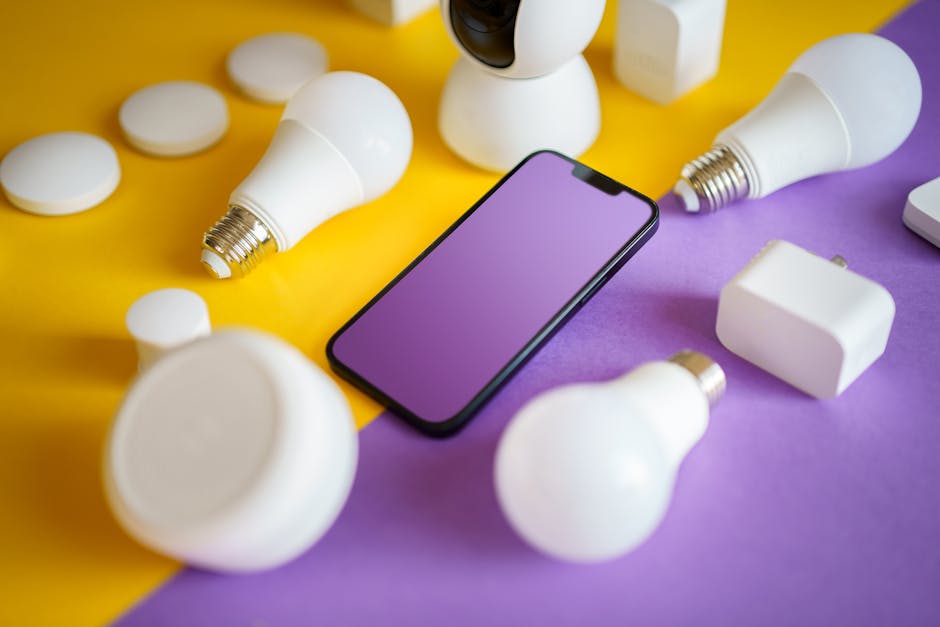
AI-Driven Edge Computing in Everyday Life. In real terms, a 2026 Singaporean household might feature a Surface Laptop (ARM) on the living room desk, running Copilot+ to generate local image summaries or real-time transcripts for family members of different linguistic backgrounds. In the kitchen, an ARM-powered matter-compatible smart hub orchestrates everything from adaptive lighting to security calls, all integrating seamlessly with the office PC or the elderly care robot next door.
Health and Well-Being: Precision Care on Your Wrist. In partnership with SingHealth, ARM-enabled wearables such as the Galaxy Watch7 or Apple Watch Ultra 3 now offer personalized AI-driven diagnostics with 100-hour battery life, while new home monitors like the Withings BeamO deliver a 25% increase in diagnostic accuracy—a crucial factor for Singapore’s aging population.
Robotics and Agentic AI. The marriage of ARM and embodied AI, underpinned by the Microsoft Research Asia – Singapore lab, means more than just smart sensors: it means home robots capable of learning, adapting, and collaborating. Early pilots (via ST Engineering partnerships) indicate a 40% productivity gain in homes with elderly inhabitants, as robots take on routine labor and safety monitoring tasks.
Comparative Perspectives: ARM vs x86—Navigating the Hybrid Future
The Performance Debate. While ARM chips shine in AI acceleration, battery life, and local processing, there are still operational trade-offs. For high-end gaming or intense multitasking, x86 architectures currently hold an edge, and emulation of legacy apps incurs a 10-15% performance hit even as Prism V2 narrows the gap. Hybrid environments—where ARM is the platform for everyday tasks and AI, while x86 remains for select niche workloads—are emerging as the preferred path for both households and businesses.
App Ecosystem Maturity. Although Microsoft and its partners are rapidly expanding ARM-native app availability, some professional suites still lag behind their x86 counterparts, especially in specialized verticals or creative industries. However, for mainstream productivity, collaboration, and AI-driven features, ARM is quickly becoming the default.
“Singapore’s embrace of ARM-powered AI isn’t just about next-generation gadgets; it’s a model for how urban nations can future-proof themselves—balancing sustainability, productivity, and inclusive innovation in the homes where society truly lives.”
Real-World Implications: What Singaporean Households and Decision-Makers Must Consider
Cost and ROI. Beyond the excitement of new technology, the financial impact is measurable. Households upgrading to ARM-native devices can expect annual energy savings of SGD 150-300, while the broader adoption timeline sees PCs leading in early 2026 and IoT device surges following by Q3. Government-backed incentives and grants, covering up to 50% of qualifying AI hardware costs, further sweeten the deal for early adopters (Microsoft Enterprise Singapore: NUS Partnership).
Market Growth and Talent Pipeline. The AI-driven home technology market is forecast to reach SGD 2.5B by 2028, buoyed by the scaling up of local startups and a talent pipeline expected to produce 100+ PhDs in AI and embedded systems. This creates not just better homes, but better opportunities for Singapore’s workforce and its place in the global tech arena.
Procurement Best Practices. For businesses and households alike, procurement strategies must now include ARM-native compatibility, robust warranty validation (2 years standard), and hands-on NPU performance testing via on-device Copilot features. Supply chain risks—particularly around Qualcomm ARM chip availability—can be mitigated by working closely with government-backed distributors and leveraging EDB partnerships.
Forward-Looking Insights: Preparing for a New Era of Intelligent Living
Microsoft’s 2026 ARM strategy—anchored in cloud-powerful, edge-efficient devices and turbocharged by Singapore’s tech-forward ecosystem—marks a profound inflection point. By strategically fusing sustainability, AI intelligence, and seamless device orchestration into the very architecture of home life, Singaporean households are on track to become Asia’s—and perhaps the world’s—living blueprint for what intelligent, sustainable, and inclusive technology can achieve.
For decision-makers, proactive investment in ARM-native infrastructure is not just about keeping up with the latest trends. It is about building homes and workplaces that anticipate the needs of a dynamic, aging, and demanding society; about shaping a future where technology truly serves—not supplants—the human experience.
The years ahead will test the agility and vision of both consumers and businesses, but one principle stands clear: Singapore’s embrace of ARM-powered AI is more than a market pivot; it’s a statement of national ambition, signaling to the region and the world that the smart home revolution has truly arrived, and it starts here.