
Next-Level Personalized Skincare In Jakarta: How At-Home Skin Sensors And Pharmacy APIs Revolutionize Routines For Southeast Asia
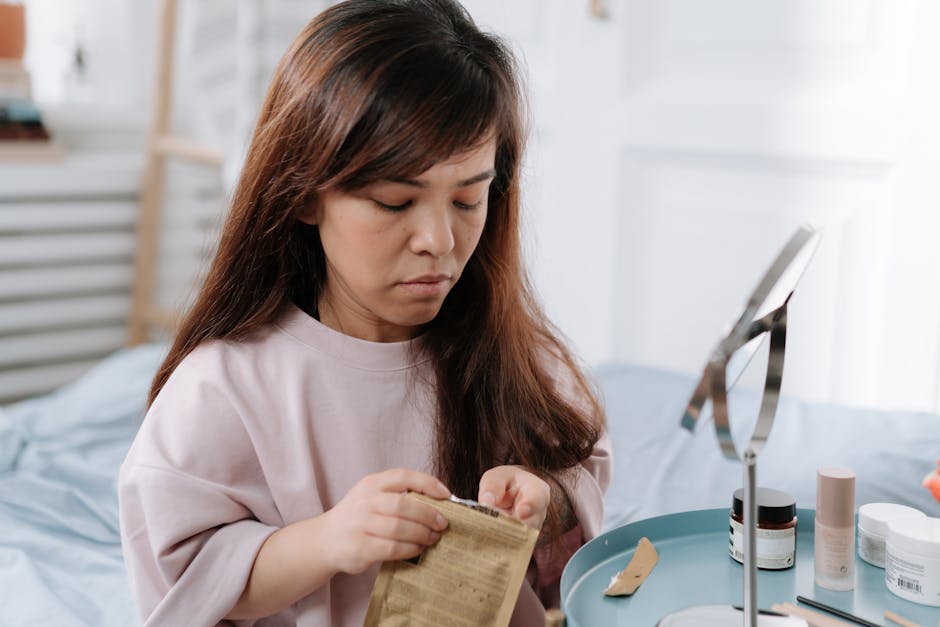
Personalized Skincare in Humid Megacities: How At-Home Skin Sensors and Pharmacy APIs Revolutionize Routines in Jakarta
Urban Southeast Asia—especially Jakarta—presents unique skincare challenges that defy conventional product categories. Skincare-literate consumers are caught between extremes: oiliness and congestion, dehydration and tightness, sensitivity and redness, and signs of early aging like pigmentation and fine lines from relentless UV and pollution. Products that seem ideal on paper often feel too heavy, too reactive, or simply ineffective in humid climates.
The rise of at-home skin sensors, coupled with Jakarta’s maturing pharmacy e-commerce and API infrastructure, paves the way for highly personalized, dynamic routines. This new ecosystem promises responsive care: real-time skin readings, actionable environmental data, and seamless product integration—moving toward a “living routine” that adapts daily.
For AURA’s audience—skincare-literate, climate-aware, and demanding clarity and clinical intent—this evolution means routines built on evidence, modular playbooks, and products designed for tropical realities. Within this context, new solutions such as skincare for humid climate, best sunscreen humid weather, soothing gel for redness humidity, repair skin barrier humidity, and serum for oily dehydrated skin are not marketing claims but functional necessities.
Key Trends and Strategies
At-Home Skin Sensors Achieve Semi-Clinical Accuracy
Early skin scanners were toys; today’s devices use optical and multispectral imaging—including visible, polarized, and near-UV light—to map pigmentation, redness, and texture, echoing clinic-grade Wood’s lamp analysis. Capacitive/impedance probes provide directionally reliable readings for hydration and oil, critical for detecting simultaneous dehydration and shininess common in humid weather.
Consumer-grade sensors now track acne, pigment clusters, and wrinkle depth, integrated with cloud scoring and time series analysis. This opens the door for routine adjustment based not on static "skin types," but fluid, measurable variables—hydration, oil, redness, and pigment.
API-Driven Pharmacy Commerce Unlocks Dynamic Product Access
Jakarta’s pharmacy and marketplace platforms (Halodoc, KlikDokter, Alodokter, Lifepack, Tokopedia, Shopee, Bukalapak) now feature public and partner APIs with real-time inventory, delivery ETA, and granular search. These integrations allow consumers to filter for breathable layered systems, lightweight sunblock southeast asia, repair skin barrier humidity, and barrier-supporting creams available locally. The friction between knowing what’s needed and finding it in stock is rapidly dissolving.
AI and Personalization Bridge Skin State to Routine Logic
Algorithms now synthesize sensor data (hydration, oil, redness), self-reported sensitivities, environmental context (UV index, PM2.5), and product metadata (ingredients, texture, comedogenic risks). Result: the logic shifts from generic advice ("hydrate") to actionable modules:
- “Skip exfoliation tonight—barrier markers show mild irritation.”
- “Switch to soothing gel for redness humidity if sensitivity up and oil stabilized.”
- “Increase anti aging serum humid climate for 3 days due to high UV + pollution forecast; here are 3 Jakarta options.”
State and Recommendations: Actionable Guidance for Firms
- Prioritize Modular, Evidence-Based Formulations
Create products that layer seamlessly: serum for oily dehydrated skin, soothing gel for redness humidity, and barrier-repair lotions for humid climates. Avoid occlusives that suffocate or overload tropical skin. - Integrate Local Environmental Data
Use API integrations to recommend products adjusted for extreme UV, PM2.5, and humidity. Offer bundles based on forecasted skin stress. - Build for Real-Time Inventory and Delivery
Ensure pharmacy APIs are robust and connect to real-time stock and fast delivery—crucial for responsive routines. - Educate Consumers on Sensor Use and Data-Driven Adjustment
Develop companion apps that link sensor readings to modular routines. Offer visual dashboards and step-by-step guidance. - Enable Professional Escalation Pathways
Build features for users to export logs and sensor data to dermatologists for quick escalation on persistent or severe issues.
Summary Comparison Table
| Approach | Heavy Occlusive Western Products | Breathable Layered Systems (Asia) |
|---|---|---|
| Texture | Rich creams; occlusive balms Often suffocating in humidity | Gel-serums; lotions; light emulsions Adaptive for sweaty, oily, but dehydrated skin |
| Routine Logic | Fixed, trend-driven steps Static "skin type" categories | Modular, data-responsive steps Routine adjusts as sensors/data change |
| Product Focus | Short-term cosmetic fixes Masks symptoms | Long-term barrier resilience Prevents breakdown under UV/pollution |
Audience Segmentation & Comparative Challenges
Climate-Aware Skincare Users
Challenges: Dealing with products that melt, pill, or congest in 70–90% humidity; need lightweight sunblock southeast asia, breathable serums, modular layering.
Opportunities: Sensor-driven routines reveal real-time hydration/oil balance, guiding adaptive layering and ingredient choice.
Sensitive / Compromised Skin
Challenges: Frequent redness, stinging, and barrier breakdown after cleansing or sunscreen removal. Trend-driven acids or fragrances exacerbate sensitivity.
Opportunities: Sensors highlight when to pause actives, prioritize barrier-repair (ceramides, panthenol), and select soothing gel for redness humidity appropriate for urban environments.
Oily-Dehydrated, Combination, Reactive Skin Types
Challenges: T-zone floods with oil, cheeks feel tight and papery; old-school routines fail to address these simultaneous issues.
Opportunities: At-home skin sensors pinpoint which zones need hydration vs oil control, triggering zonal product recommendations: serum for oily dehydrated skin for cheeks, oil-control actives for forehead.
Early Anti-Aging (25–40)
Challenges: Premature pigmentation, fine lines, and dullness under chronic UV and pollution; struggle to layer anti aging serum humid climate without triggering congestion or irritation.
Opportunities: Sensors track pigment trends, recommend antioxidants and retinoids when barrier markers are robust, adjust routines preemptively for forecasted UV peaks.
Urban Southeast Asia
Challenges: Environmental stress from UV index 11+, PM2.5 pollution, air conditioning, and frequent cleansing. Short supply chains and inconsistent product availability.
Opportunities: API-driven pharmacy integrations ensure immediate access to climate-appropriate products; data-driven routines become the norm, not the exception.
Segment Comparison
While all segments benefit from data-driven modular routines, the specific triggers and product requirements differ. Climate-aware users need adaptation to daily humidity and heat, sensitive skin types require vigilant avoidance of irritants, oily-dehydrated skin needs precise zoning and layering, early anti-aging demands strategic antioxidant and retinoid use, and urban users require seamless access and rapid adjustment in the face of environmental spikes. Brands must recognize these nuances, demonstrate formulation logic, and build for modular integration rather than isolated “hero” products.
“Treat your skin as a system that adapts to real-time conditions—just as you would with nutrition, sleep, or training—supported by data, but grounded in barrier respect and long-term consistency.”
Conclusion & Forward Outlook
The convergence of at-home skin sensors and Jakarta’s pharmacy API landscape marks a strategic turning point in Southeast Asian skincare. Static routines and trend-driven product launches are losing relevance; the future is modular, clinically informed, and climate-adapted.
As sensors gain in accuracy and apps integrate real-time environmental signals, consumers will act as their own skin scientists—tracking hydration, oil, barrier health, and pigment in context. Brands, including AURA, must demonstrate not only ingredient credentials but formulation intent, clinical grounding, and adaptability to the real-world “moving target” of Southeast Asian skin.
Over the next 2–5 years, expect the emergence of skin digital twins, precision dermocosmetics, and pharmacy platforms that deliver responsive, bundled solutions based on sensor data. Early adopters who embrace this systemization—starting with data-driven, modular routines, and climate-appropriate products like serum for oily dehydrated skin, soothing gel for redness humidity, and lightweight sunblock southeast asia—will be best positioned to thrive.
Brands and consumers who treat skin routines as living systems, not static templates, will ultimately achieve better results, resilience, and satisfaction—ushering in a new era of precision skincare for urban Asia.