
Peptide Vs. Salmon PDRN Anti-Aging Serums: 2025 Market Trends, Efficacy, And Ethical Choices For Business Leaders
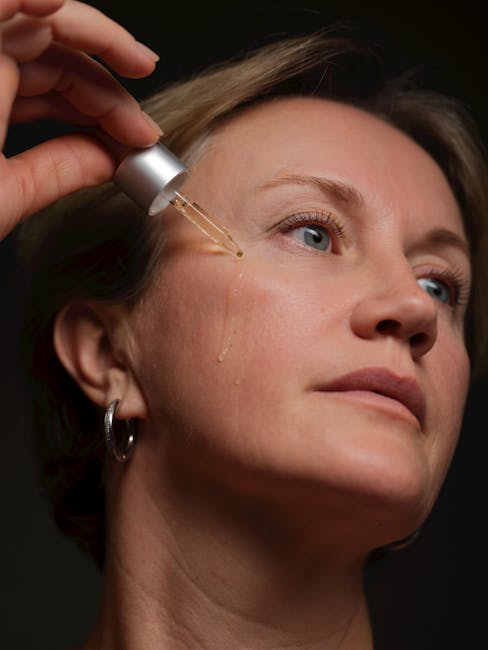
Peptides vs. Salmon PDRN: The Inside Story of Anti-Aging’s Next Frontier
The anti-aging skincare industry has undergone radical transformation in the past decade, evolving from simple moisturizers to biotech-driven serums that promise clinical-grade results. Today, two innovations stand at the forefront: peptide-based serums—hailed for their vegan, preventive prowess—and salmon PDRN (polydeoxyribonucleotide) treatments, renowned for their rapid, regenerative effects. As consumers demand not only performance but also ethical and sustainable solutions, the tension between these camps signals a seismic shift for brands, clinics, and investors alike. This article unpacks the competitive landscape, explores real-world outcomes, and sets the stage for the next era of skin health, blending science, market data, and strategic insights to guide both seasoned professionals and curious newcomers.
The Evolution of Anti-Aging: From Daily Prevention to Cellular Repair
Historical Context: The anti-aging market has long been driven by consumer desire for both immediate and lasting aesthetic improvements. In the 1990s and early 2000s, collagen creams and vitamin-based formulas dominated shelves, catering to a growing awareness of skin health. However, efficacy was often questionable, leading to a surge of professional treatments—lasers, microneedling, and injectables—promising faster, more dramatic results. The rise of advanced molecules, especially peptides and DNA fragments like PDRN, has fundamentally changed the game.
Market Forces: According to recent industry reports, the global anti-aging segment is predicted to surpass $83 billion by 2026, with peptide and PDRN solutions comprising the fastest-growing niches. Clinics and consumers alike are seeking solutions that deliver both visible benefits and ethical value. As sustainability and veganism move mainstream, peptide-based formulations are seeing record adoption, while salmon PDRN, despite its proven efficacy, faces scrutiny over sourcing and allergy risks (Wishtrend Guide).
Peptide-Based Serums: Building a Foundation for Ethical, Daily Anti-Aging
Mechanism & Performance: Peptides are short chains of amino acids acting as signaling molecules, guiding cells to synthesize collagen, elastin, and other structural proteins. Their precision enables targeted outcomes—wrinkle reduction, improved firmness, and skin barrier reinforcement. Hexapeptide-11, for example, mimics botulinum-like effects to relax muscles and smooth expression lines. Unlike harsher treatments, peptides are gentle enough for daily use, making them ideal for sensitive skin and long-term prevention (Radiant Bloom Organic Blog).
Vegan & Sustainable Appeal: The vegan status of peptides is a strategic advantage, appealing to ethical consumers concerned with animal welfare and ecological impact. Peptide serums are produced via biosynthesis in labs, guaranteeing 100% vegan, organic, and sustainable credentials—unmatched by most traditional anti-aging therapies. This low-risk profile (near-zero allergic reactions) has generated strong consumer testimonials and dermatologist endorsements.
Gradual Results, Lasting Benefits: Unlike instant fixes, peptides require consistent application over 2–6 weeks, delivering subtle improvements in firmness, plumpness, and overall tone. This aligns with the contemporary “slow beauty” ethos, rewarding patience with safer, scalable results.
Salmon PDRN: The Science of Rapid Repair and Regeneration
Mechanism & Clinical Evidence: Salmon PDRN consists of DNA fragments derived from salmon sperm, boasting a 96–98% similarity to human DNA. These fragments bind to A2A adenosine receptors, triggering fibroblast proliferation, angiogenesis, and expedited wound healing—mechanisms validated in multiple clinical studies. The Squadrito 2014 trial, for example, reported a 37.3% complete healing rate in acute wounds, while Khan 2022 highlighted collagen boost and scar fading (Best K Beauty Products Comparison).
Speed & Impact: When administered via injection, salmon PDRN delivers the fastest regeneration, making it the treatment of choice for post-procedure repair, laser recovery, and severe scarring. Topical formats offer milder effects, typically requiring longer timelines for visible change.
Limitations & Risks: Salmon PDRN’s non-vegan status and sustainability concerns are central to its market challenge. Sourcing relies on salmon sperm—a process linked to overfishing and ecological disruption. Additionally, there is a notable risk of fish-related allergies, prompting caution in clinic protocols.
Non-Vegan, Premium Appeal: Despite drawbacks, PDRN dominates premium injectable markets (e.g., Rejuran), beloved for its unparalleled regenerative capacity. Brands position PDRN for acute repair rather than daily maintenance, accepting higher costs for demonstrable ROI—studies cite elasticity gains upwards of 410–419% per treatment.
Comparative Perspectives: Prevention vs. Repair in Modern Skin Health
Gradual vs. Immediate: Peptide-based serums excel in preventive care, encouraging gradual renewal and protection against photoaging. Ideal for daily routines, their vegan credentials and safety profile drive broad accessibility. Conversely, salmon PDRN offers dramatic, rapid repair but is best reserved for acute cases—scarring, post-laser, and severe barrier compromise.
Efficacy & Evidence: Peptides have robust dermatologist backing and user testimonials, but evidence centers on prevention and routine anti-aging, not severe repair. Salmon PDRN, on the other hand, boasts clinical trial data validating wound healing and volumization, positioning it as a game-changer for regeneration.
Ethics & Sustainability: Peptides are the undisputed leader in ethical skincare—sustainable, vegan, and allergy-safe. Salmon PDRN faces mounting pressure as consumers and clinics demand environmental accountability, fueling a shift toward vegan PDRN alternatives (rice, ginseng, probiotics), which are now gaining traction despite limited data (Wishtrend Guide).
Innovative Practices: The Rise of Combination Therapies and Vegan Alternatives
Combination Treatments: Clinics are increasingly blending modalities—using salmon PDRN injections for acute cellular reset and peptide serums for ongoing maintenance. This “reset plus sustain” protocol leverages the strengths of both, addressing both immediate repair and scalable, ethical prevention.
Emergence of Vegan PDRN: Recent market trends (2025-2026) highlight the surge in vegan PDRN (rice, ginseng, probiotic-based), meeting the ethical and irritation-free demands of next-gen consumers. Though evidence for these alternatives is still emerging, their adoption signals a fundamental shift in priorities—performance must now be aligned with sustainability.
Strategic Industry Response: Brands and clinics are proactively educating consumers about mechanism, risks, and outcomes, reframing expectations around ingredient sourcing and transparency. Dermatologists increasingly recommend peptides for routine use, reserving PDRN for specific repair cases.
Real-World Implications: Consumer Shifts and ROI Metrics
Adoption Patterns: 2025 data shows peptides dominating daily anti-aging routines, while salmon PDRN remains the “go-to” for post-procedure and acute interventions. Clinics report high satisfaction with combination regimens, citing improved patient outcomes and reduced downtime.
Cost & ROI: Peptide-based products offer lower entry costs, minimal risk, and no downtime, making them scalable for mass-market adoption. Salmon PDRN injections, though costly, deliver exceptional elasticity gains and rapid repair—appealing to high-end aesthetics with demonstrable ROI.
Risk Management: Peptide serums are virtually risk-free, with near-zero allergy reports. In contrast, salmon PDRN carries medium allergy risks, especially for individuals sensitive to fish or seafood ingredients.
Market Forecast: Experts predict that vegan PDRN will be the “rising star” of ethical anti-aging by 2026, while peptides will continue to anchor the foundation of sustainable, daily skincare (Radiant Bloom Organic Blog).
Blockquote: Strategic Insight
“In the dynamic landscape of anti-aging, the interplay between rapid repair and ethical prevention is more than a clinical decision—it’s a reflection of consumer values and the industry’s responsibility. The brands that harmonize performance with sustainability will define the future of skin health. Combination therapies, informed by data, and vegan innovation are not only trends—they are the new strategic imperative.”
Comparative Summary Table: Peptide-Based vs. Salmon PDRN
| Aspect | Peptide-Based | Salmon PDRN |
|---|---|---|
| Speed | Gradual (2–6 weeks firmness/plumpness) | Fastest via injection (post-procedure repair); topical gradual |
| Efficacy Evidence | Strong for prevention/wrinkle reduction; user testimonials and dermatologist-backed | Robust clinical data (e.g., Squadrito 2014: 37.3% healing; Khan 2022: collagen boost) |
| Best Use | Daily anti-aging, vegan routines, sensitive skin | Acute repair (scars, lasers), regeneration |
| Limitations | Not for severe damage | Medium allergy risk, not vegan, sustainability concerns (overfishing) |
| Cost/ROI | Lower entry (topical, no downtime) | Higher yield for high-end aesthetics (e.g., 410–419% elasticity gains per studies) |
| Risks | Near-zero | Fish allergy |
| Sustainability | 100% vegan/organic; minimal impact | Non-vegan; ecological concerns |
Forward-Thinking Insights: Navigating Tomorrow’s Anti-Aging Landscape
Consumer Education & Transparency: The next wave of anti-aging success will depend on brands’ ability to educate consumers about ingredient origins, clinical outcomes, and real-world risks. With social media amplifying both trends and accountability, only transparent companies will maintain trust.
Strategic Investment: Investors and clinics must look beyond immediate performance, prioritizing scalable, ethical solutions. The slow beauty movement—with its emphasis on patient, evidence-based results—is favoring peptides, while the acute needs of post-procedural patients secure PDRN’s place in specialized care.
Regulatory & Environmental Action: As regulators tighten standards around animal-derived ingredients and sustainability, brands must accelerate development of vegan PDRN alternatives and further optimize peptide synthesis.
Cross-Functional Value: The convergence of biotech, dermatology, and consumer ethics is fueling innovation at every level—from product development to clinical practice. Collaborative approaches (combination therapies, shared data platforms) are redefining what “success” looks like in skin health.
Conclusion: Strategic Imperatives for the Future of Anti-Aging
The battle between peptide-based serums and salmon PDRN is not merely a competition for market share—it’s a microcosm of deeper industry and societal shifts. As scientific evidence mounts, the line between prevention and acute repair is becoming clearer: peptides are the backbone of long-term, ethical daily routines, while salmon PDRN remains unmatched in severe, rapid regeneration, albeit with pronounced ethical and sustainability challenges. The emergence of vegan PDRN alternatives and combination therapies demonstrates a maturing market, where performance, values, and transparency are equally essential.
For brands, clinics, and investors, the strategic imperative is to balance innovation with ethics, leveraging data-driven insights for both patient outcomes and market growth. Those who invest in education, sustainable sourcing, and cross-disciplinary collaboration will define the next chapter of anti-aging—where beauty, health, and responsibility are inextricably intertwined.
Explore the latest research on vegan vs. salmon PDRN |Read the full guide to peptide and PDRN anti-aging