
Pollution-Proof Your Skin: The Ultimate Skincare Routine For Ho Chi Minh City Using Shopee Ingredient Checklists And AQI Apps
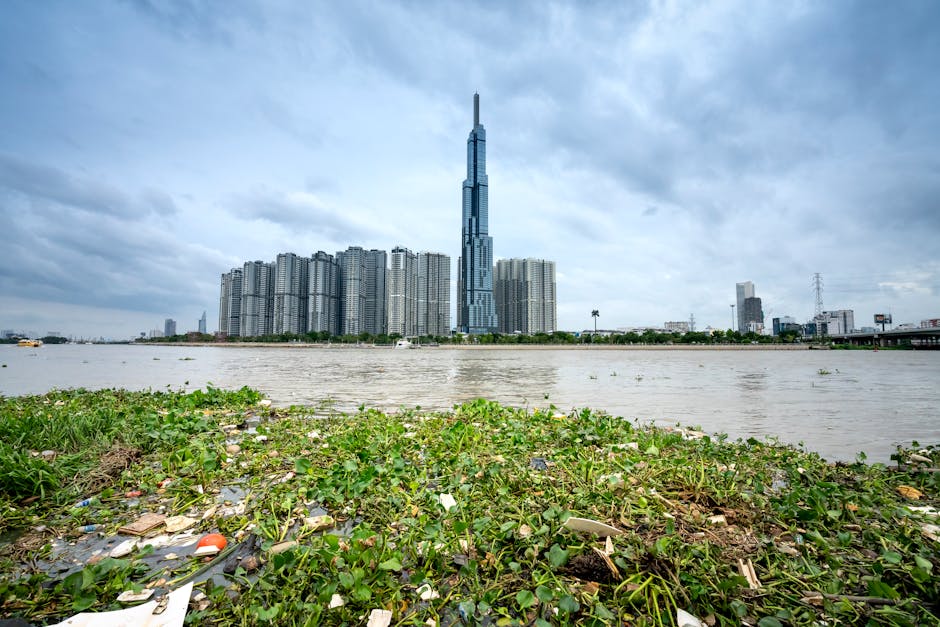
Pollution-Proof Skincare Rituals in Ho Chi Minh City: Systemizing Ingredient Choices with Shopee and AQI Apps
Living in Ho Chi Minh City presents unique challenges for even the most skincare-literate individuals. The city’s high heat, relentless humidity, soaring UV index, and chronic PM2.5/PM10 pollution create a climate where oily yet dehydrated skin, unexpected sensitivity, and premature signs of aging are the norm—not the exception. For Southeast Asia’s discerning skincare audience, finding products that deliver more than short-lived cosmetic comfort means rethinking routines for real-world conditions.
This article will detail a modern, actionable approach to building truly adaptive, evidence-based skincare rituals for humid climates, powered by Shopee ingredient checklists and real-time AQI and UV apps. Whether you’re searching for the best sunscreen for humid weather, a gentle yet effective soothing gel for redness and humidity, a serum for oily-dehydrated skin, or targeted anti-aging serum for humid climates, the goal is to move beyond trend-driven purchases to systematized, adaptive routines. Brands that understand and guide these shifts—from ingredient-level transparency to climate-responsive formulation—will win long-term loyalty in Southeast Asia’s urban markets.
Key Trends and Strategies for Urban Skincare Resilience
Rising Pollution and UV Drive Skin Dysregulation
Environmental stressors in Ho Chi Minh City are no longer a mere backdrop—they are the main characters in skin health. Surveys and clinical data highlight:
- PM2.5 and PM10 levels frequently exceeding safe limits, embedding toxins and heavy metals in the skin barrier and driving inflammation and pigmentation
- An intense UV index (often 8+) where sun-induced aging and pigment changes start by the 20s, decades earlier than in Caucasian populations (see research)
- Heat and humidity exacerbate oil production, but air conditioning alternates this with dehydration and increased TEWL (transepidermal water loss)
Sensitive, Lightweight, and Breathable Formulations Rise
According to industry data, over 1 in 5 Asians now report sensitive skin, and nearly half of Singaporean consumers choose products formulated for sensitivity. In Vietnam’s similar climate, demand for:
- Barrier-repairing humectants and lipids (hyaluronic acid, ceramides, glycerin)
- Soothing actives like panthenol, centella asiatica, and ectoin
- Mild, fragrance-free, and “green” surfactant systems
- Light, breathable layering systems over Western-style occlusive creams
Tech-Driven Adaptation: AQI and Shopee Ingredient Filters
Today’s user in Ho Chi Minh City doesn’t just want suggested routines—they want systems that respond to real environmental data. With rising skin-health literacy and ubiquitous access to AQI/UV apps:
- Users can see daily pollution and UV levels but often lack a clear “decision protocol” for routine adjustment
- Shopee’s ingredient checklists, when paired with INCI literacy, help filter for products that suit high humidity, high pollution, and reactive skin—minimizing trial and error
- The next evolution: modular, climate-adaptive regimens, not one-size-fits-all solutions
From Trend-Driven to Logic-Based, Barrier-Centric Routines
As brands proliferate “anti-pollution” and “urban shield” claims, consumers increasingly seek evidence, not just tags. The science is clear: Long-term skin health in Southeast Asia depends on daily defense (broad spectrum lightweight sunblock for Southeast Asia), repair (repair skin barrier humidity), and pigment/pollution control—not episodic peels or masks.
True innovation lies in helping users modulate their routines based on AQI and UV—dialing up antioxidants, skipping strong actives after high exposure, and choosing breathable, layered solutions over heavy occlusion, especially for korean japanese skincare for tropical skin types.
State and Recommendations: Actionable Guidance for Brands
- Embed Environmental Adaptability: Develop marketing and educational content that directly links product usage to AQI/UV levels. Show how your “AM serum for oily-dehydrated skin” or “anti aging serum for humid climate” fits into a dynamic, pollution-aware routine.
- Transparent Ingredient Stories: Provide full INCI lists and explain the role of each ingredient—especially film-formers, antioxidants, humectants, and soothing agents. Explicitly state suitability for “humid climate skincare” and clarify if a sunscreen is truly a “best sunscreen for humid weather.”
- Barrier-First Logic: Formulate and position moisturizers and serums by their ability to reinforce the barrier without trapping heat and sebum. Avoid heavy petrolatum bases for day use; promote breathable options with ceramides, hyaluronic acid, and squalane for “repair skin barrier humidity.”
- Localized User Testing and Reviews: Surface Shopee/Vietnamese user reviews that highlight real-world texture performance in HCMC-like conditions. Feature phrases like “non-sticky in heat,” “didn’t break me out,” or “great under helmet/visor.”
- Facilitate Decision Trees: Offer simple charts or online tools that help users adjust routine steps—cleansers, serums, exfoliants, sunblocks—based on that day’s AQI and UV, and highlight when to use a soothing gel for redness humidity or pull back on strong actives.
Summary Comparison Table
| Heavy Occlusive Western Products | Breathable, Layered Systems (East Asian/Climate Adaptive) | |
|---|---|---|
| Formulation Logic | Single-step, rich creams; emphasizes sealing, often via petrolatum/mineral oil Can trap heat, sweat, pollution; pore-occlusive in humidity | Modular layers: light gels, serums, emulsion, then thin occlusion as needed Emphasizes barrier repair, water balance, and breathability |
| Strategic Focus | Short-term relief (dryness, “tightness”) Reactive: addresses symptoms post-fact | Long-term barrier resilience Proactive: adapts for defense (antioxidant, SPF, soothing, pigment control) |
| Best Used For | Dry, cold climates; winter-only routines | Humid, urban, polluted and UV-intense Southeast Asia, year-round |
| Challenges | Increased congestion, “heavy” feel, poor synergy with sunscreen/humidity | Requires user education, standardized ingredient labeling, modular guidance |
| Example Product Categories | Creams with petrolatum, mineral oil; thick balms | Gel moisturizers, watery serums, film-forming “urban shield” serums, SPF50+ milk/fluids, hydrating toners |
Segmentation: Profiles, Challenges, and Opportunities
1. Climate-Aware Skincare Users
- Profile: Track AQI/UV daily, expect products to adapt with the environment.
- Challenges: Routine overload; difficulty translating environmental data to routine.
- Opportunities: Brands can win with clear "AQI-UV decision matrix" and modular packaging: e.g., “lightweight sunblock Southeast Asia” bundles, “antioxidant + barrier dual serums.”
2. Sensitive/Compromised Skin Types
- Profile: Prone to stinging, redness, or flare-ups—especially after pollution exposure or active use.
- Challenges: Many “urban shield” products are too fragranced or contain irritant solvents and actives.
- Opportunities: Promote calming formulas: fragrance-free, panthenol, centella, ectoin. Test and demonstrate tolerability in hot, humid climates. Position soothing gel for redness humidity as a daily partner with sunscreen.
3. Oily-Dehydrated, Combination, and Reactive Skin
- Profile: Simultaneously oily (especially T-zone), tight, or flaky elsewhere; sensitive to heavy creams.
- Challenges: Many Western solutions increase congestion; exfoliation worsens sensitivity under high UV.
- Opportunities: Layered hydration: serums for oily-dehydrated skin (niacinamide, hyaluronic acid, squalane); light emulsion SPF; modular non-occlusive moisturizers.
4. Early Anti-Aging (25–40) in Urban Southeast Asia
- Profile: Sees pigment, texture change, or dullness earlier; wants prevention, not just correction.
- Challenges: Most anti-aging routines are AHA/retinol-heavy, increasing photosensitivity.
- Opportunities: Emphasize anti aging serum for humid climate combining antioxidants (niacinamide, green tea, vitamin C derivatives) and barrier support. Push “daily prevention > weekly correction” logic. Showcase synergy with SPF and korean japanese skincare for tropical skin strategies.
Comparison Segment
| Segment | Key Challenge | Tailored Solution | Messaging/Opportunity |
|---|---|---|---|
| Climate-aware | Routine overload, lack of actionable data-routine link | Modular, AQI + UV-adaptive routines | “Your skin, your city, your system”—not just products |
| Sensitive/Compromised | High reactivity, failure of “urban defense” due to fragrance/irritants | Barrier + soothing actives, transparent INCI, tolerability evidence | “True calm in any climate”—market-tested for HCMC |
| Oily-Dehydrated/Reactive | Congestion or dryness from wrong moisturizers | Layered gels/serums, light SPF, skip heavy occlusives | “Hydrate, defend, breathe”—adapt not suffocate skin |
| Early Anti-Aging | Premature pigment/lines, overuse of harsh actives | Antioxidant + barrier-focused routines; SPF synergy | “Prevent every day, not just fix on Sunday” |
“In Southeast Asia’s urban reality, the future belongs to brands and routines that systematize both product selection and usage around real-time environment. Pollution-proofing isn’t a product; it’s an adaptive protocol—where every sunscreen, serum, and moisturizer knows where you live, not just who you are.”
Conclusion: Strategic Imperative and What’s Next
The science is now clear: in Southeast Asia’s megacities, extrinsic forces, not age alone, drive visible skin change early and relentlessly. For the region’s skincare literate, the real quest is not for another hero ingredient, but for systems—routines as adaptive as the climate itself.
Going forward, expect to see:
- Deeper integration of real-time AQI/UV/environmental data into both consumer education and brand product recommendation tools
- Greater demand for clinical transparency and ingredient intent: not just “anti-pollution” tags, but proven, breathable, and synergistic routines for humidity and heat
- Rising popularity of modular, climate-adaptive products: fluid SPF50+, hydrating serums for oily-dehydrated skin, anti aging serum for humid climate, and low-irritant soothing gels tested in actual Southeast Asian conditions
The next disruption? AI-and-app-guided daily routines, ingredient transparency at a glance, and Southeast Asia itself leading the world in climate-responsive skincare innovation.