
Private Label Retail Surges To $282.8B In 2025: How Walmart, Aldi, Target, And Amazon Are Redefining U.S. Market Share And Innovation
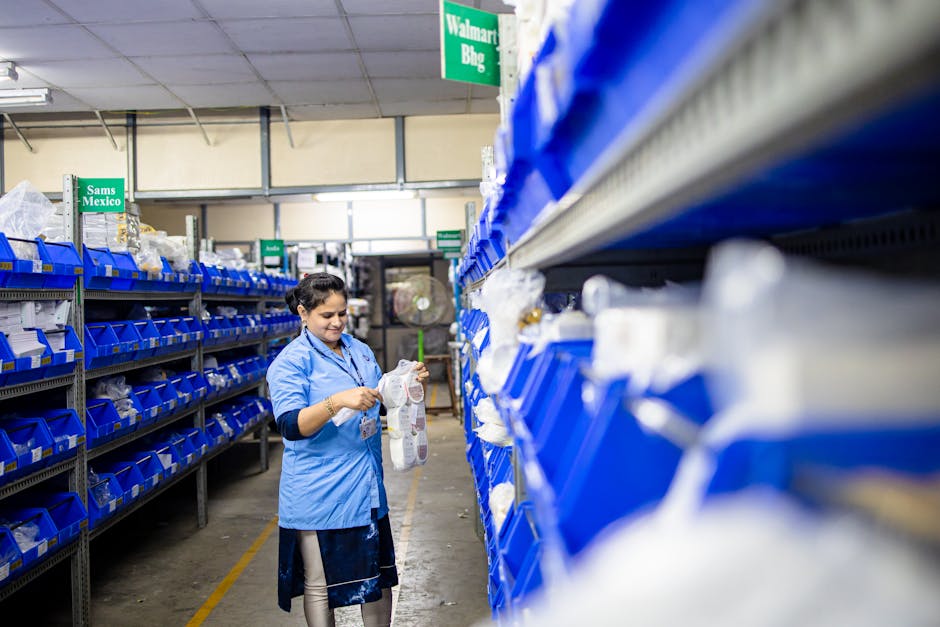
The Private Label Revolution: How Store Brands are Redefining Retail Competition
The rise of private label is no longer a well-kept retail industry secret—it's a defining market transformation. Once dismissed as low-cost, low-quality alternatives relegated to the bottom shelf, private labels have surged into the mainstream, now accounting for over $282.8 billion in U.S. sales in 2025 and capturing more than 21% of all retail dollar volume (CSP Daily News). This growth, outpacing national brands by nearly triple the rate, signals a profound shift in consumer preference, competitive strategy, and the very architecture of the retail marketplace. Store brands are no longer just about price—they're redefining quality, innovation, and the rules of product development.
The Changing Face of Private Label: From Value Staple to Brand Leader
Historical Context. For decades, private labels—also known as store brands or own brands—functioned primarily as value alternatives to national names, shadowing category leaders with “me too” offerings. Success was measured by volume over innovation, and any quality improvement came as an afterthought.
Contemporary Transformation. The narrative has turned. Today, private label sales have grown by 30% from 2021 to 2025, adding nearly $65 billion in new revenue and lifting market share to all-time highs. Notably, in 2025 alone, store brands gained 434.3 million more units sold than the year before, while national brands saw volume decline (Numerator). Retailers now compete on differentiated quality, bold innovation, and category leadership—not just price.
Premiumization and Innovation. With the emergence of premium store brands (such as Target’s Gigglescape and Walmart’s BetterGoods), the sector is challenging the very perception of what it means to be a “store brand.” These offerings deliver not only on value but also on rich consumer experience, health, and sustainability.
Market Performance: The Data Behind the Dominance
Growth Outpacing National Brands. Private labels’ dollar sales grew 3.3% in 2025 compared to a mere 1.2% for national brands. This is not a fleeting pandemic-driven spike but a durable trend, evident across all tracked metrics. Store brands now represent 21.3% of retail dollar sales and an even larger 23.5% of unit volume, underscoring their acceptance across diverse income brackets and demographic segments.
Category-Level Dynamics. Not all categories are equal in the private label surge. Pet care (up 5.4%) and liquor (up 4.4%) lead the charge in unit sales growth, while refrigerated products saw the highest dollar expansion at 6.1%. These shifts suggest that consumers are willing to trust store brands for both everyday essentials and premium indulgences—a significant evolution from their traditional stronghold in staples and household basics.
Retailer Penetration. Some retailers have re-written the playbook altogether. At Trader Joe’s and Aldi, up to 75% of unit volume is private label, and Walmart’s store-branded products are present in over half of American households. The implication is clear: private label now anchors store identity, loyalty, and competitive differentiation.
Private Label’s Strategic Transformation
From Price-Play to Brand Creation. Retailers have moved beyond cost-cutting. Today, private label lines often feature three or more tiers: entry (value), mid-tier (quality-parity), and premium (innovation-led). Brands like Aldi’s Nature’s Nectar or Target’s Good & Gather don’t just match—they lead category innovation and create new demand.
Clean Label and Health Positioning. As consumer priorities shift, so do private labels. Clean-label, plant-based, and nutritionally enhanced products are now core to private label portfolios—reflecting the sector’s agility and responsiveness to trends that national brands once dominated.
Omnichannel and Convenience Expansion. The reach of private label now extends far beyond traditional supermarkets. bp’s Epic Goods and Amazon Grocery’s new private-label launches illustrate a rapid expansion into convenience and digital-first retail, with omnichannel strategies driving stickiness and cross-category penetration.
Comparing Perspectives: Private Label, National Brands, and the Consumer
National Brand Response. National brands aren’t standing still. In response to private label’s incursion, they’re rolling out affordable sub-lines and leveraging brand equity for value play. Yet, as retailers increasingly control the shelf and the shopping interface, established brands find themselves losing ground not only in price but in perceived quality.
The Shopper’s Dilemma. For consumers, the equation is evolving. Once presumed a compromise, private label is increasingly seen as a smart choice—offering not just savings but quality, health, and even prestige (as evidenced by the rise of premium tiers). However, category nuances remain; some segments (such as electronics and beauty) still lag in consumer trust and penetration.
Retailer Differentiation. Retailers that double-down on owned-brand differentiation—such as Trader Joe’s, which derives three-quarters of its sales from proprietary products—create formidable competitive moats. In contrast, those who rely primarily on price see more volatility and less loyalty.
Innovation, Premiumization, and the Marketing Mix
Product Development Acceleration. Retailers now leverage direct control over supply chains and consumer data to drive faster, more targeted innovation than traditional CPGs. Whether it’s launching breakthrough flavor profiles or entering the plant-based snacks arena, private label is no longer chasing—it's leading.
Pricing Power and Strategy. The shift from blanket discounting to carefully tiered pricing (entry at 15–25% below national brands, premium at a slight upcharge) allows retailers to expand both volume and margin. This strategy is exemplified by Target's Dealworthy and Gigglescape, which anchor the value and premium ends, respectively.
Place: Omnichannel Strength. The retailer’s control of distribution—both in physical stores and online—remains the most profound competitive advantage. Where retailers prioritize owned brands (as in Aldi and Trader Joe’s), market share soars. Omnichannel expansion further reduces consumer reliance on national brands.
Promotion: Storytelling and Transparency. The marketing narrative has matured. Modern private labels heavily emphasize sustainability, traceable sourcing, and clean-label transparency. Digital campaigns, influencer collaborations, and unique brand stories are now standard, cementing reputation and consumer buy-in (see the fast rise of Amazon Grocery’s store brands).
Porter’s Five Forces: Strategic Analysis for Private Label
Supplier Power: Moderate to Low. Large retailers’ scale allows for hard bargaining with manufacturers, and vertical integration is rising. Yet, specialized ingredients and innovation needs mean certain suppliers retain leverage.
Buyer Power: High and Growing. Consumers can easily switch brands, but retailer control over shelf space and shopper interface reduces true brand autonomy. The introduction of “good, better, best” tiers is slightly raising switching costs.
Competitive Rivalry: Intensifying. The competition isn’t just between store and national brands—retailers now battle one another on innovation and differentiation, as seen in lawsuits and fast-tracked product launches.
Threat of New Entrants: Low. Scale, distribution, and supply chain mastery form high entry barriers. Only well-resourced disruptors (e.g., Amazon, Yesway) can mount credible challenges.
Threat of Substitutes: Moderate. The threat comes from direct-to-consumer brands, meal kits, and national brand value lines. For now, however, their impact remains limited to specific niches.
Global Perspectives: Regional Divergence and Opportunity
North America: The Innovation Epicenter. Walmart, Target, Aldi, CVS, and Trader Joe’s define best-in-class private label strategy, with each pursuing distinct differentiation—from broad portfolio expansion to exclusive niche focus.
Western Europe: Mature Penetration. Store brands already command over 40% share in some categories. The next frontier is premiumization and plant-based innovation, mirroring North American trends.
Emerging Markets: The Next Wave. In Eastern Europe, Latin America, and the Middle East, penetration remains lower, but the opportunity is immense. Here, success hinges on building trust, localizing quality narratives, and, where necessary, navigating compliance demands such as halal standards.
Critical Metrics: Measuring the Momentum
Quantitative Benchmarks. The metrics are unambiguous: in one year, private label added $11.8B to its dollar sales, gained 110 basis points in dollar share, and outgrew national brands in both unit and value terms.
Interpretation. This shift is not simply about chasing inflationary trends or filling basket gaps during downturns. Private labels are winning on quality, innovation, and omnichannel execution. Significantly, the 3.3% growth rate outpaces the expansion in unit sales, indicating margin improvements and consumer willingness to “trade up” within the store brand ecosystem.
Risks, Weaknesses, and the Limits of Growth
Enduring Brand Perception Gaps. Despite progress, some premium segments remain stubbornly attached to legacy brands. Survey data confirms that store brands still feel “distinguishable” to many shoppers in categories like beauty, electronics, and even some premium food niches.
Litigation and IP Risks. As store brands push into premium and innovative territory, the risk of intellectual property disputes rises—evidenced by recent lawsuits such as Mondelez vs. Aldi over alleged copycatting. Retailers must invest in true differentiation, not mere emulation.
Commodity Price Sensitivity. Input cost shocks hurt private label margins faster than diversified national brands. Without strong brand equity, rapid price increases can undermine trust and lead to quick share reversals.
Retailer Concentration. Over-dependence on a few dominant retailers (e.g., Walmart) exposes private label manufacturers to strategic risk. A policy shift or margin squeeze from one major retailer can have outsized industry impact.
Opportunities and Tactical Priorities for the Next Five Years
Premiumization, Health, and Sustainability. The fastest-growing opportunities sit at the intersection of health, environmental consciousness, and experiential quality. Success stories like Target’s Good & Gather and Aldi’s Nature’s Nectar suggest that store brands can, in fact, “own” these aspirational categories with the right investments.
Geographic and Channel Expansion. Latin America, Eastern Europe, and the Middle East offer greenfield opportunities—provided retailers localize flavor profiles, sourcing, and compliance. Simultaneously, the growth of convenience and omnichannel (bp, 7-Eleven, Amazon) means private label is no longer confined to grocery aisles.
Digital and Data-Driven Innovation. Retailers’ access to granular shopper data continues to close the feedback loop, enabling faster iteration and hyper-targeted promotion. Omnichannel marketing, personalization engines, and direct consumer engagement will only accelerate store brand gains.
“Private labels are no longer mere alternatives—they’re the new benchmarks of quality, value, and innovation. Retailers that treat owned brands as core profit drivers, not just margin tools, will define the next era of market leadership.”
— Analysis based on Deloitte Retail Outlook
Real-World Implications: What Decision Makers Must Know Now
Core Profit Driver, Not Just a Defensive Play. With growth velocity exceeding 3% and sustained market share gains, private labels are now central to both retailer strategy and supplier negotiations.
Innovation Investment is Non-Negotiable. R&D budgets for owned brands must match those of national competitors if retailers hope to maintain upward momentum, especially in crowded and premiumizing categories.
Brand Architecture and Narrative Matter. Retailers must shift from ‘generic’ to ‘distinctive’—crafting store brands with coherent stories, values, and experiential elements. The success of brands like Gigglescape and Well Market proves that story-driven positioning outperforms undifferentiated discounting.
Global Playbook Requires Localization. While scale and process drive North American success, global expansion hinges on adapting to local tastes, sourcing, and compliance, as seen in Latin America and the Middle East.
E-Commerce and Convenience are Critical Battlegrounds. Omnichannel presence and last-mile differentiation (such as Amazon’s rapid post-launch growth, or 7-Eleven’s new proprietary product lines) will be decisive in capturing next-generation shoppers.
Conclusion: The Strategic Imperative for Retail’s Next Decade
The private label revolution represents the single biggest recalibration of retail competition in a generation. As store brands outgrow national names in both value and volume, the playbook for category leadership is being rewritten. Retailers that seize this moment—by investing in innovation, owning the narrative, and localizing globally—will build enduring advantage. Those who cling to cost-cutting alone risk being outpaced not only by smarter competitors, but by shifting consumer loyalty itself.
Looking ahead, private label will define the next era of retail not as a “second choice,” but as a destination for quality, delight, and discovery. The new standard is not price, but trust—and the retailers that deliver on that promise will shape the future of shopping worldwide. Leaders should act decisively now: elevate owned brands from portfolio filler to portfolio centerpiece, invest in true differentiation, and harness omnichannel innovation to capture—and keep—the next generation of loyal customers.