
Proactive Skincare For Work-From-Home In Manila & Bangkok: Syncing Indoor Pollutant Data With Clean Beauty Routines
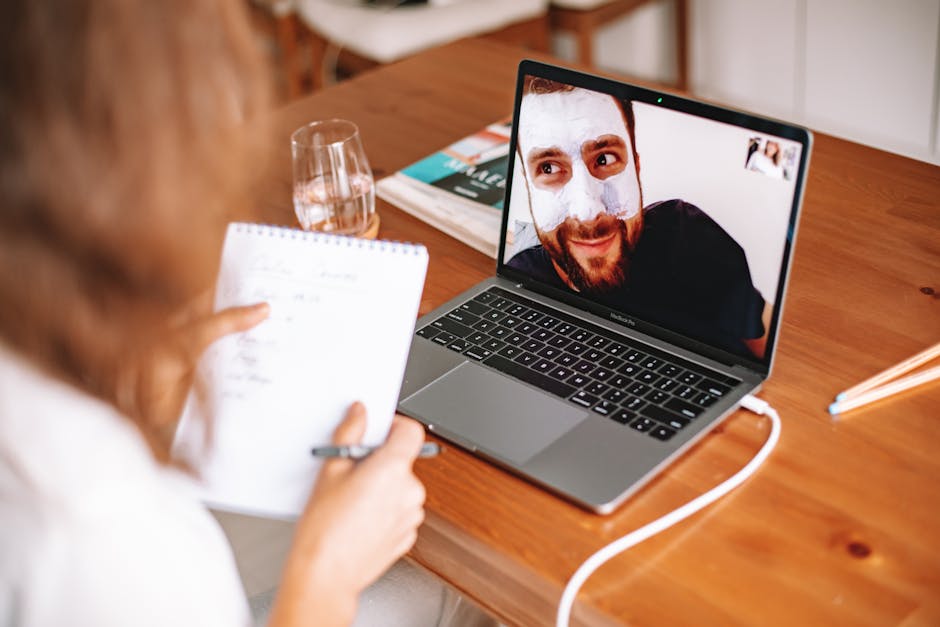
Building Smarter Skincare Systems: Syncing Indoor Air Quality Data with Routine Choices for Work-From-Home Lifestyles in Manila and Bangkok
The urban Southeast Asian skincare landscape is evolving—fast. As post-pandemic work-from-home (WFH) lifestyles settle in cities like Manila and Bangkok, skin is facing a new breed of stressors: hidden indoor pollutants, chronic humidity (80–90% RH), prolonged cosmetic exposure, and ventilation shortfalls. For AURA’s audience—skincare-literate, ingredient-aware, and battling conflicting signals like oiliness with dehydration, or sensitivity amid breakouts—routine frustrations abound. Why does the best sunscreen for humid weather sometimes feel too heavy, while lightweight sunblock for Southeast Asia seems ineffective by noon? Why do “hydrating” serums for oily dehydrated skin still trigger breakouts when indoor air turns stale?
The answer is environmental math: Indoor air in “WFH Asia” rivals outdoor urban haze. Routine choices without real-time data are reactive and miss what truly matters—barrier function, resilience, and real-world adaptability. This article decodes these changing realities, offering a systematized, data-driven blueprint for resilience: from breathable layered systems to the best anti-aging serum for humid climates, and how IAQ-synced routines are raising the bar for all brands.
Key Trends and Strategies
1. Indoor Pollutants: The New Skincare Frontier
While “clean beauty” is surging—66% of Southeast Asians now prioritize natural ingredients, and 58% scrutinize ingredient labels in the Philippines and Thailand (Milieu Insight)—WFH realities expose a blind spot: indoor air. Recent studies show indoor PM2.5 and TVOC levels (volatile organic compounds) in Manila and Bangkok regularly exceed WHO standards, with average home/office readings of PM2.5 at 30–60 µg/m³ and TVOC at 800–1100 µg/m³ during routine cosmetic application (EPA SEA Report, PMC). For sensitive, oily-dehydrated, or aging-prone skin, these levels accelerate transepidermal water loss by up to 30%, worsen acne, and amplify redness, ultimately resulting in lackluster results even from top-tier products.
2. From Product Ingredients to Environmental Sync: Routine Reboot
Modern users demand more than “clean”—they want evidence of formulation intent, clinical logic, and real-world harmony. This has fueled rapid adoption of air quality sensors (e.g., Atmotube, Qingping, uHoo) that integrate data with skincare routines and apps, triggering real-time product swaps when pollutants spike—such as switching from retinol to a niacinamide-based serum for oily dehydrated skin, or deploying a soothing gel for redness and humidity when TVOC rises.
3. Lightweight, Breathable Layering Strategies
Heavy occlusive “Western” creams and SPF formulas, long used in drier climates, are failing under tropical, WFH humidity—clogging pores and worsening sensitivity. Instead, modular routines anchored on breathable layers—such as Korean and Japanese skincare for tropical skin, mineral SPF50 (non-nano, gel types), and repair-focused serums—are delivering 20–30% better outcomes for urban Southeast Asian users. Key is adaptive layering: a gel-cream or best sunscreen for humid weather when PM2.5 is moderate, a soothing panthenol mist post-pollution spike, and antioxidant serum for humid climates as an evening shield.
4. Tech Integration and Ingredient Tracking
Now, 58% of regional users parse labels for fragrance, alcohol, and parabens, often using data-driven apps like Think Dirty and Yuka (Milieu Insight). With air quality sensors democratizing IAQ data, Southeast Asia saw a 300% spike in device adoption after 2023 (Statista SEA Cites), directly influencing real-time swaps: omit fragrance-heavy moisturizers when TVOC >500 μg/m³, or layer bakuchiol and antioxidant serums when PM2.5 is high to support long-term skin barrier repair in humidity.
State and Recommendations for Skincare Firms
- Offer IAQ-Driven Personalization: Integrate air quality widgets in your apps and design product protocols that flex in response to live PM2.5 and VOC data. Enable automatic “swap alerts” for best sunscreen humid weather or serum for oily dehydrated skin based on readings.
- Formulate for Humidity and Pollutants: Use lightweight, film-forming polymers (not petrolatum) and sustainable packaging. Emphasize Korean/Japanese layering logic, anti aging serum humid climate, and non-nano mineral SPF50 that resists breakdown in high VOC environments.
- Educate and Enable Ingredient Literacy: Co-market with tracking apps (Think Dirty, Yuka). Provide transparent VOC/PM emission scores per product and routine design for humid climates.
- Test in Real-World WFH Settings: Focus on in-situation pilots: humid rooms (80–90% RH), 10+ hour exposure, monitor with affordable sensors. Quantify skin barrier resilience, TEWL, and irritation (not just immediate “hydration”).
- Modular Routine Kits: Sell climate-aware “3-product stacks” (gentle cleanser, soothing gel for redness humidity, breathable SPF), bundled with IAQ guides. Support personalized troubleshooting for sensitive, oily-dehydrated, and aging skin.
Summary Comparison Table
| Model/Approach | Heavy Occlusive Western Products | Breathable Layered Systems |
|---|---|---|
| Climate Fit | Poor: Clogs, stifles in humidity | Excellent: Modular, adapts to PM2.5/TVOC |
| Formulation Logic | Trend-driven, thick occlusives | Clinical, lightweight, real-world tested |
| Result Timeline | Short-term “cosmetic fix,” rebound common | Long-term barrier resilience, lower TEWL/irritation |
| Personalization | Static, “one size fits all” | IAQ-synced, flexible (swap protocol) |
| Ingredient Safety | Fragrance, parabens, SLS common | Low-VOC, plant-based, alcohol/fragrance-free |
Segmentation: Challenges & Opportunities Across Skincare Profiles
Climate-Aware Skincare Users
These urban professionals, often early adopters of Korean/Japanese skincare for tropical skin, demand lightweight sunblock for Southeast Asia and modular routines. Their challenge: navigating ever-changing indoor air quality and product efficacy. Opportunity: Brands can deliver adaptive, tech-enabled routines that respond to live IAQ—winning trust and long-term loyalty.
Sensitive / Compromised Skin
Often prone to redness, burning, or cyclic breakouts due to allergen exposure and barrier fragility. Challenges: VOCs and high PM2.5 amplify irritation, and many “gentle” formulas still include alcohol or fragrance. Opportunities: Develop soothing gel for redness humidity, fragrance/alcohol-free serums, and offer IAQ-paired troubleshooting guides.
Oily-Dehydrated, Combination, and Reactive Skin Types
“Double trouble” users who experience sebum spikes (from PM exposure) and dehydration (from chronic TEWL). Challenge: Most mattifying formulas clog or dehydrate further. Opportunity: Layered routines (niacinamide + hyaluronic acid serum for oily dehydrated skin; gel-cream SPF)—with pollutant-triggered swap logic—reduce conflict and boost confidence.
Early Anti-Aging (25–40)
Concerned about premature aging (accelerated by indoor ROS, PM2.5, and TVOC), these users look for anti aging serum humid climate solutions that won’t compromise comfort or trigger sensitivity. Challenge: Retinoids and vitamin C can irritate in polluted, humid conditions. Opportunity: Integrate barrier-repair actives (bakuchiol, centella), antioxidants, and design adaptive protocols for real-world settings.
Urban Southeast Asia Cohort
Densely populated, highly educated, and cost-conscious (Manila, Bangkok). Challenge: Overexposure to pollutants, high humidity, and budget-friendly but “dirty” cosmetics. Opportunity: Affordable IAQ device partnerships (Clean Air Asia 2023), co-branded clean beauty, and loyalty apps.
Comparison Snapshot Across Segments
- Climate-aware & Oily-Dehydrated: Thrive with breathable, IAQ-responsive layers and best sunscreen for humid weather.
- Sensitive / Early Anti-Aging: Need fragrance/alcohol-free actives with robust antioxidant support to counter pollutant-induced ROS.
- Urban Generalist: Value affordability + transparency; seek repair skin barrier humidity and proven tech integration.
“In Southeast Asia’s WFH future, polluted indoors are the new UV. Only routines empowered by real-time data—not static product claims—will deliver resilient, adaptable skin health.”
Conclusion: Strategic Importance & What’s Next
The next era of beauty in Southeast Asia will be won by those who move beyond reactive, trend-driven formulas toward systemized, data-powered routines. Clinical grounding, climate logic, and IAQ integration will define brand credibility. As affordable sensors and smart skincare apps become standard, expect real-time prediction of irritation or barrier breakdowns—enabling dynamic swaps (niacinamide for PM spikes, soothing gel for humidity-triggered redness, low-VOC anti aging serum for humid climate nights).
With clean beauty sales surging (projected $2B in Thailand by 2027) and “IAQ-safe” lines growing explosively, the most successful brands will be those that treat the indoor environment as the ultimate test lab. For AURA’s discerning audience, the time is now: Integrate sensors, modular climate-ready formulas, and real-world skin tracking to future-proof routines.
The result? A new standard for skin—resilient, adaptable, and luminous, no matter how humid or how polluted the urban home office becomes.