
Real-Time Humidity, Pollution, And UV: The Ultimate Adaptive Skincare Guide For Kuala Lumpurs Climate
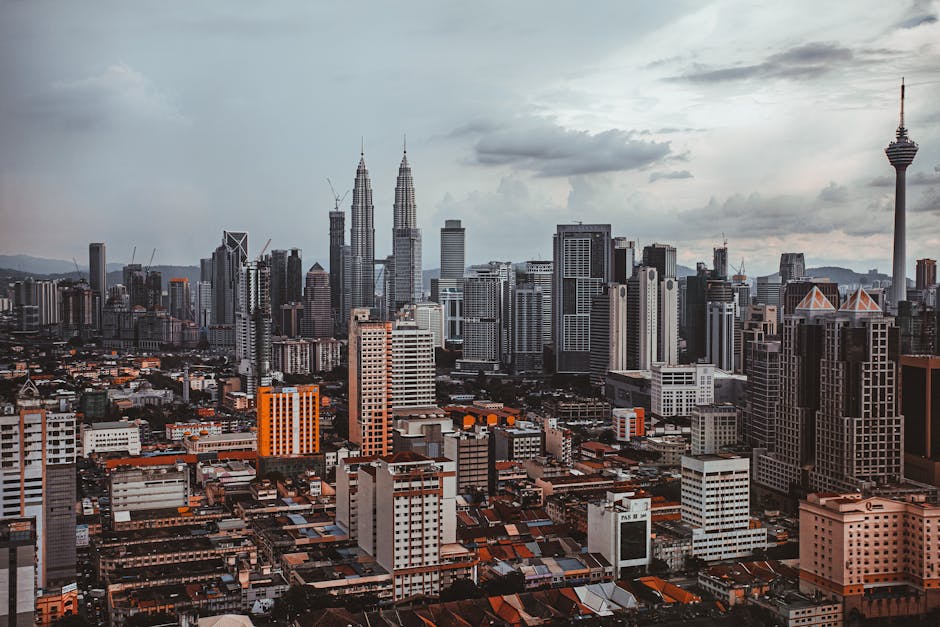
Decoding Humidity & Pollution Data for Smarter Skincare in Kuala Lumpur: AURA’s Guide to Adaptive Layering
Kuala Lumpur is a proving ground for anyone who cares deeply about skincare for humid climate and real-world wearability. Here, typical routines often collapse under relentless high humidity, urban pollution spikes, aggressive UV exposure, and the paradoxical coexistence of oiliness with underlying dehydration. For AURA’s audience—skincare-literate, results-focused individuals—frustration runs high with products that feel greasy, too reactive, incompatible with sunscreen, or simply ineffective as the weather shifts. This article unpacks how real-time environmental data (humidity, pollution, UV) and ASEAN registry tools now enable superior climate-adaptive routines, offering not just symptom management, but deeper, more resilient skin health.
Key Trends and Strategies: Making Skincare Smarter in Humid, Polluted Environments
1. From Static Advice to Conditional Layering
Traditional skincare advice—“use a gel moisturizer,” “go lighter in humidity”—fails in Kuala Lumpur’s extreme environment. Instead, using a daily dashboard of real-time humidity, air quality (Malaysia’s API), and UV index (WHO UV Index) allows for a conditional, responsive approach. Skincare for humid climates requires shifting product texture, cleansing discipline, and antioxidant support based on actual stressors—not just season or skin type. This data-driven, systemized logic is the new benchmark for product selection and routine design.
2. Pollution as a Skin Barrier and Inflammation Driver
The implications of urban pollution extend beyond respiratory health. Fine particulate matter and haze events drive oxidative stress, barrier dysfunction, and sensitivity, often manifesting as both breakouts and stinging, or dull, uneven skin. Skincare users now demand lightweight sunblock for Southeast Asia and repair-centric actives to counter these effects. Strategic use of antioxidants, such as niacinamide, vitamin C, and panthenol, is increasingly necessary—particularly when the air quality IQAir or WAQI dashboards report spikes.
3. ASEAN Registry Shortcuts: Verifying Suitability, Safety, and Adaptation
Trust in product claims is no longer about hype or regional influencer trends. The presence of a product on the Malaysia NPRA cosmetics registry or its compliance with the ASEAN Cosmetic Directive assures basic safety and market appropriateness. Skincare-literate Southeast Asian consumers are using these tools to verify that ingredients, sunscreen compatibility, and claims are climate-appropriate—favoring Korean and Japanese skincare for tropical skin only when substantiated.
4. Texture and Deployment Matter as Much as Actives
With high humidity and pollution, the wrong texture can undermine even the best ingredient list. Products that are too thick, too sticky, or leave excessive residue can destabilize sunscreen or worsen congestion, especially with midday sweat or mask friction. The best sunscreen for humid weather is one that layers cleanly, while a soothing gel for redness in humidity and a serum for oily dehydrated skin must absorb quickly and minimize pilling.
5. The Shift to Routine Design over Product Accumulation
Modern urban routines are trending away from step-heavy, product-laden regimens. Instead, the focus is on building smart, flexible systems that adapt to environmental shifts, reinforcing barrier support and anti-aging resilience over time. This brings long-term stability to skin, rather than chasing short-lived cosmetic perfection.
State and Recommendations for Brands and Advanced Users
- Integrate Local Environmental Feeds: Offer routine recommendations or app integrations that pull real-time data from OpenAQ, DOE API, or similar platforms.
- Formulate with Deployment in Mind: Prioritize lightweight textures, low pilling, and sunscreen compatibility. Design products that serve as anti-aging serum for humid climate or repair skin barrier humidity, not just generic “hydrators.”
- Educate on Conditional Layering: Show users how to adjust routines by humidity, pollution, and UV index—don’t rely solely on classic skin type frameworks.
- Enhance Transparency & Traceability: Encourage full INCI lists, actives concentrations (where allowed), and registry numbers. Highlight clinical testing relevant to hot, polluted urban settings.
- Support Recovery and Tolerability: Instruct on routine simplification during “red flag” days (high haze, high UV, inflamed skin), rather than pushing more actives or layers.
Summary Comparison Table: Strategic Shifts in Skincare Logic
| Heavy Occlusive Western Products | Breathable Layered Systems | |
|---|---|---|
| Texture | Thick, greasy under humidity, risks pilling under sunscreen | Fast-absorbing, lightweight, compatible with sunscreen/layering |
| Logic | Seasonal/skin type logic, “one-size-fits-all” approach | Conditional, climate- and pollution-aware, responsive to daily dashboard |
| Focus | Immediate occlusion, superficial glow, sometimes barrier fatigue | Long-term barrier resilience, urban pollution defense, anti-inflammatory |
| Routine Adaptation | Minimal, often static | Frequent, based on humidity/AQI/UV changes |
| Registry Verification | Not always ASEAN-compliant | Traced through ASEAN registry, with actives transparency |
| Trend-Driven Skincare | Formulation Logic | Short-term Cosmetic Fixes | Long-term Barrier Resilience | |
|---|---|---|---|---|
| Selection | Influencer hype, K-beauty fads | Data-driven, ASEAN registry-checked | Concealing imperfections | Supporting skin health under real stress |
| Fit | Often poor in KL humidity, sticky or irritating | Built for humidity, sweat, urban wear | Peels, coverups, heavy bases | Antioxidants, ceramides, soothing gel for redness humidity |
Segmentation: Audience Challenges and Opportunities
Climate-Aware Skincare Users
These are users committed to live-data routines, tracking humidity, pollution, and UV in real-time. Their opportunity is to optimize by choosing lightweight sunblock southeast asia, updating serum for oily dehydrated skin, and remaining agile rather than repeating static routines.
- Challenge: Finding products that remain stable and wearable during mid-day sweat, sunscreen reapplication, and haze events.
- Opportunity: Adopting conditionally adaptive routines that minimize over-treatment and support skin barrier repair humidity with targeted actives.
Sensitive or Compromised Skin
High humidity and pollution often trigger both breakouts and stinging, as barrier function is easily disrupted. Skincare must prioritize non-irritating, fragrance-free, and fast-absorbing textures.
- Challenge: Avoiding over-exfoliation and reactivity from trend-driven routines, especially under urban stress.
- Opportunity: Leveraging soothing gel for redness humidity, panthenol, ceramides, and simple routines—especially on red-flag environmental days.
Oily-Dehydrated, Combination, and Reactive Skin Types
The classic “combination” skin profile in KL is both shiny and tight, breaking out yet stinging with actives. The key is to avoid the “cycle of compensation” by balancing sebum control with hydration and barrier care, not just stripping oils.
- Challenge: Managing product feel, acne support, and barrier repair simultaneously under rapid environmental swings.
- Opportunity: Using serum for oily dehydrated skin, lightweight barrier creams, and measured use of salicylic acid or niacinamide.
Early Anti-Aging (25–40)
Pollution, UV, and inconsistent routines drive premature fatigue, dullness, and fine lines—especially in urban Southeast Asia. Users seek anti aging serum humid climate formulations that do not sensitize or destabilize skin in heat.
- Challenge: Integrating retinoids, acids, and antioxidants without risking barrier breakdown or sunscreen interference.
- Opportunity: Prioritizing antioxidants (vitamin C derivatives, niacinamide), repairing night routines, and humidity-adaptive layering.
Urban Southeast Asia
Users in KL, Singapore, or Jakarta move rapidly between outdoor pollution, air-conditioned interiors, and intense UV zones. “One-size-fits-all” never applies. The future is responsive routine design—a seamless switch between protection, recovery, and minimalism as needed.
- Challenge: Lacking access to real-time dashboards or finding “tropicalized” versions of global brands.
- Opportunity: Using registry shortcuts, live dashboard tools, and embracing modular, environment-aware routines over product hoarding.
Comparison Segment
| User Type | Key Problem | Recommended Strategic Response |
|---|---|---|
| Climate-Aware | Routine failure during humidity/pollution spikes | Conditional layering, live data, modular formulas |
| Sensitive/Compromised | Barrier breakdown, stinging, breakouts | Fragrance-free, soothing actives, minimal layering |
| Oily-Dehydrated/Combination | Oiliness + tightness, breakouts + sensitivity | Hydration with sebum control, avoid over-cleansing |
| Early Anti-Aging | Premature dullness, lines under UV/pollution | Antioxidant layering, barrier support, stable routines |
| Urban SE Asia | Routine mismatch, product fatigue | Registry-audited products, dashboard-driven simplicity |
"The winning routine for humid, urban Asia is not the longest or most complicated—it’s the one that adapts, minimizes reactivity, and keeps the skin barrier calm and wearable under real, shifting environmental stress."
Conclusion: Strategic Direction for Skincare in Humid Southeast Asia
The future of skincare in Kuala Lumpur—and across urban Southeast Asia—is clear: success belongs to those who systemize, adapt, and rigorously verify their routines. Leveraging humidity, pollution, and UV dashboards, skincare-literate users and brands can move from product guesswork to precision deployment. The days of static “skin type” advice are over; now, real-time tracking paired with ASEAN registry shortcuts ensures that each layer, from best sunscreen for humid weather to anti aging serum humid climate, is not only effective but safe, compatible, and wearable.
As this approach becomes mainstream, expect the market to differentiate sharply between merely trendy products and those that are truly engineered for tropical resilience. Brands that invest in climate-adaptive textures, pollutant defense, clinical evidence, and digital integration will win both trust and results. The next evolution? Smarter routines, less waste, and greater barrier health—even when Kuala Lumpur refuses to give your skin a break.